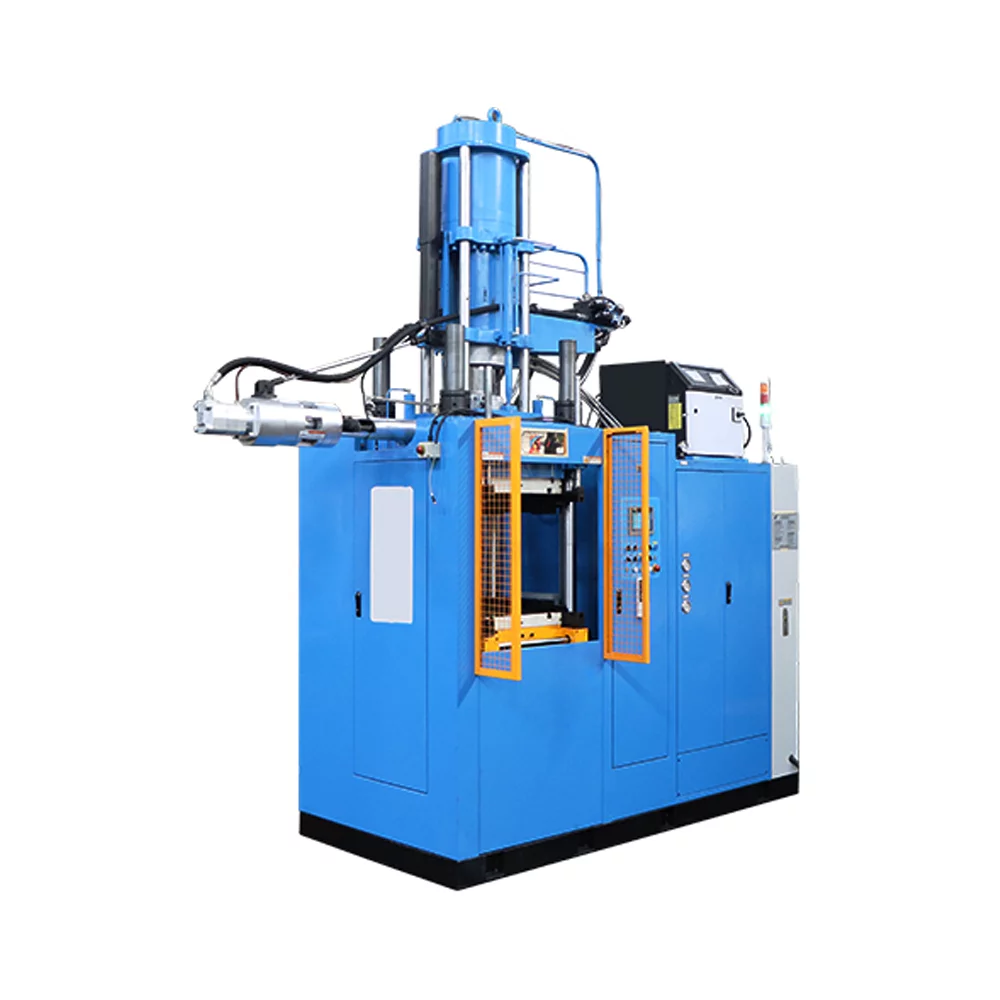
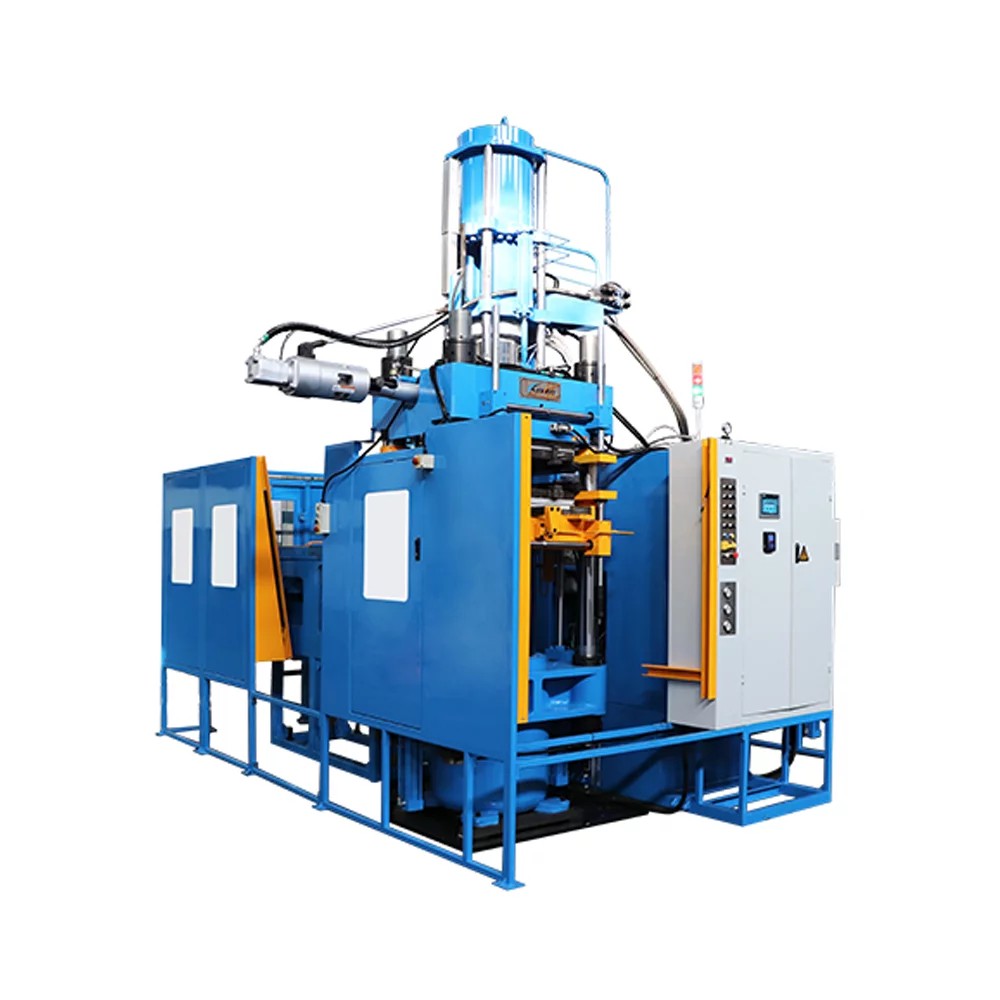
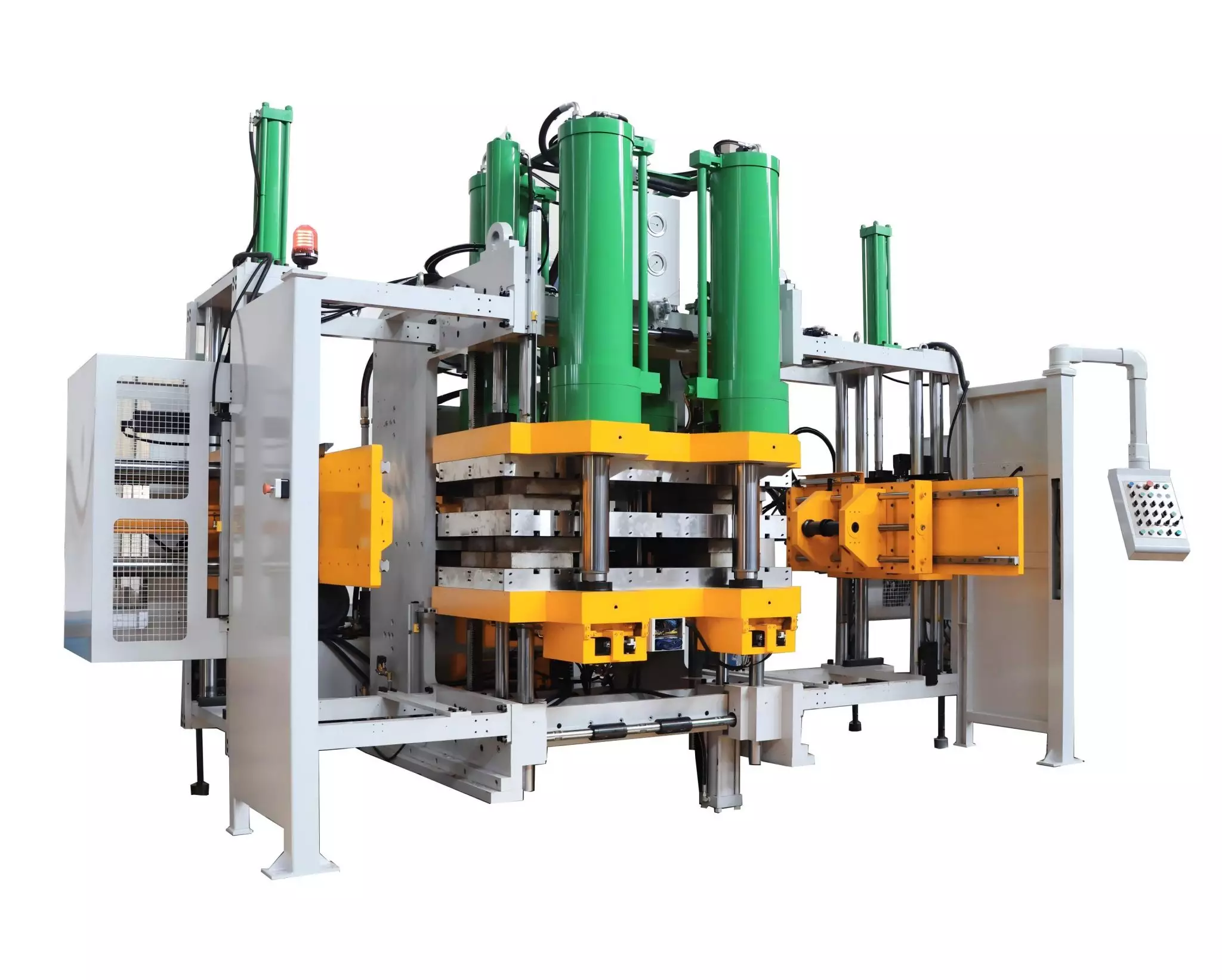
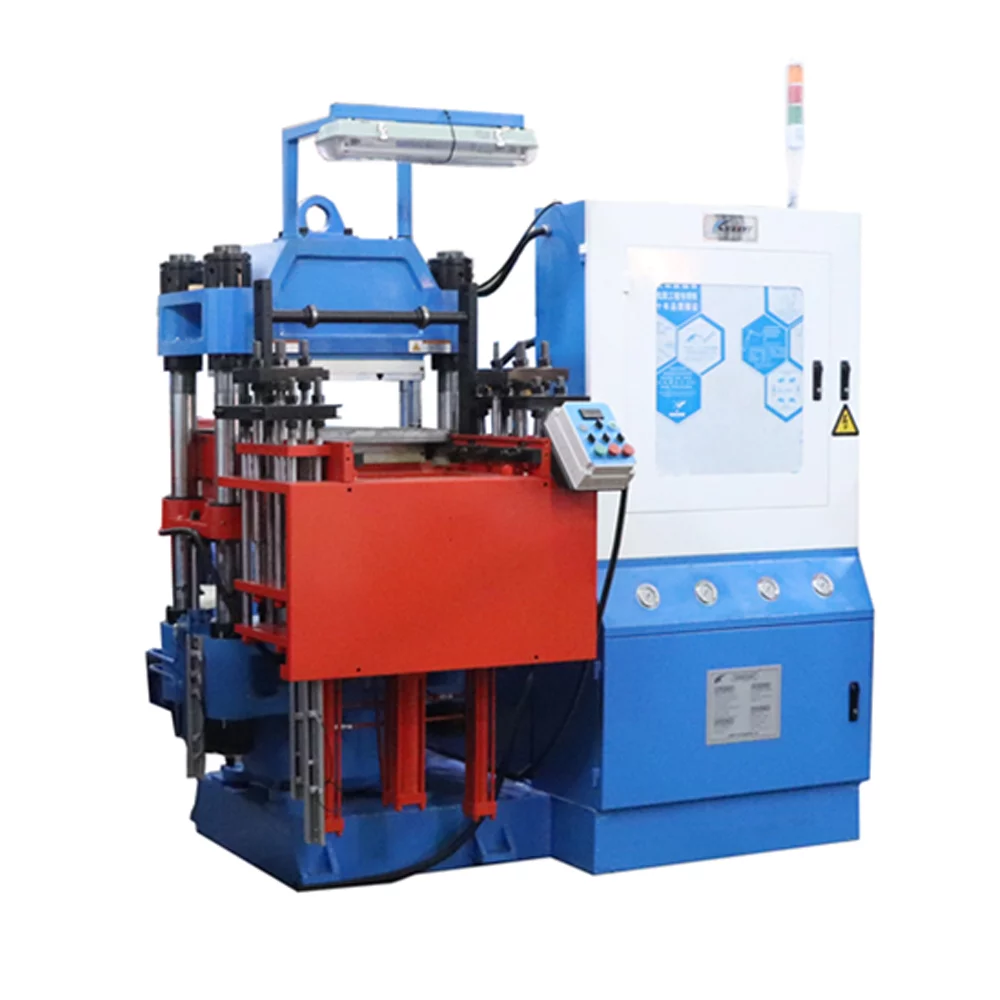
In industrial belt manufacturing, we at HWAYI often receive questions about compatibility between belt structures and pressing systems such as rubber belt vulcanizing machine. In practice, vulcanization is not limited to a single belt type, but instead depends on material composition and structural reinforcement. The belt vulcanizing press is commonly applied to rubber-based conveyor belts, fabric-reinforced belts, and steel-cord belts used in industrial transmission and conveying systems. These belt categories require controlled heat and pressure to achieve proper bonding, which is the core function of vulcanization equipment. Our company focuses on providing stable processing conditions to support these industrial requirements without overcomplicating the production process.
Material-Based Compatibility in Belt Processing
From an engineering perspective, compatibility is determined mainly by belt construction rather than application alone. The rubber belt vulcanizing machine is generally suitable for natural rubber and synthetic rubber belts that require thermal curing to enhance durability and tensile strength. Fabric-reinforced conveyor belts are also widely processed using the belt vulcanizing press, especially in logistics, mining, and material handling systems. In some cases, multi-layer composite belts with embedded steel cords are processed under controlled pressure cycles to ensure uniform bonding. At HWAYI, we design our systems to accommodate these variations while maintaining stable temperature distribution during vulcanization.
Industrial Usage Considerations and Process Adaptation
Different industries place different demands on belt performance, which directly influences equipment configuration. In heavy-duty conveying environments, belts processed through a rubber belt vulcanizing machine must maintain structural integrity under continuous load. Meanwhile, precision-oriented production lines rely on the belt vulcanizing press for consistent joint strength and dimensional stability. Our approach at HWAYI is to align equipment capability with actual production needs rather than offering one fixed configuration. This allows manufacturers to adapt vulcanization parameters according to belt thickness, reinforcement type, and operational environment.
Conclusion
In summary, the compatibility of belt types with vulcanization systems mainly depends on material structure, reinforcement design, and application requirements. Both rubber belt vulcanizing machine and belt vulcanizing press can process a wide range of industrial belts, including rubber-based, fabric-reinforced, and steel-cord variants. At HWAYI, we focus on providing equipment solutions that support stable and adaptable vulcanization processes for diverse industrial needs.