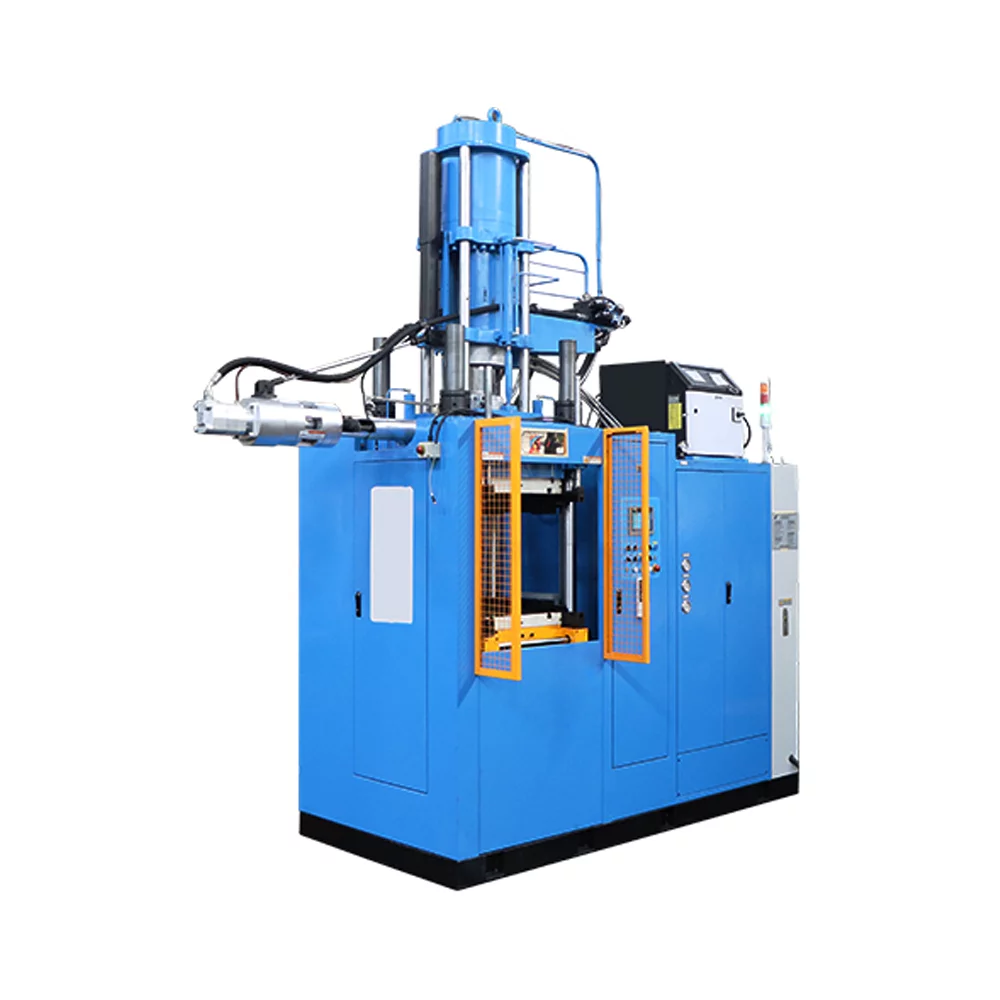
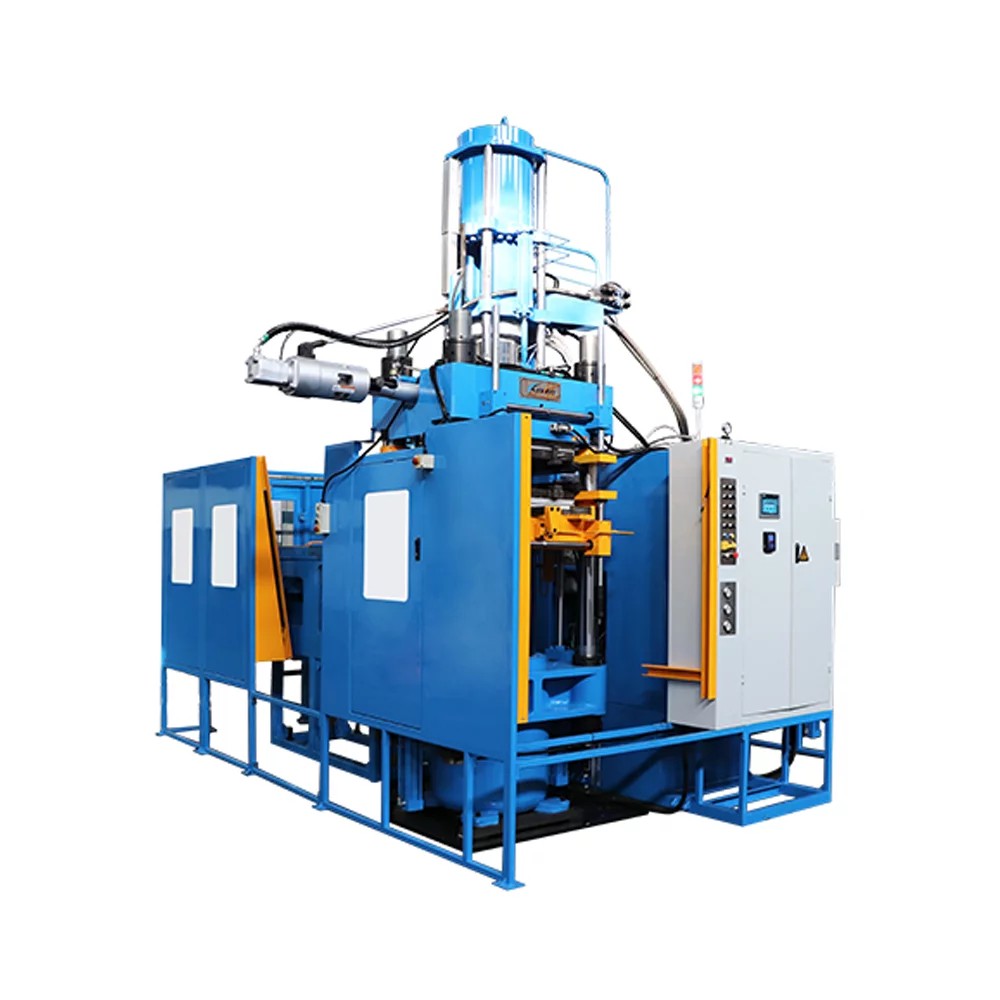
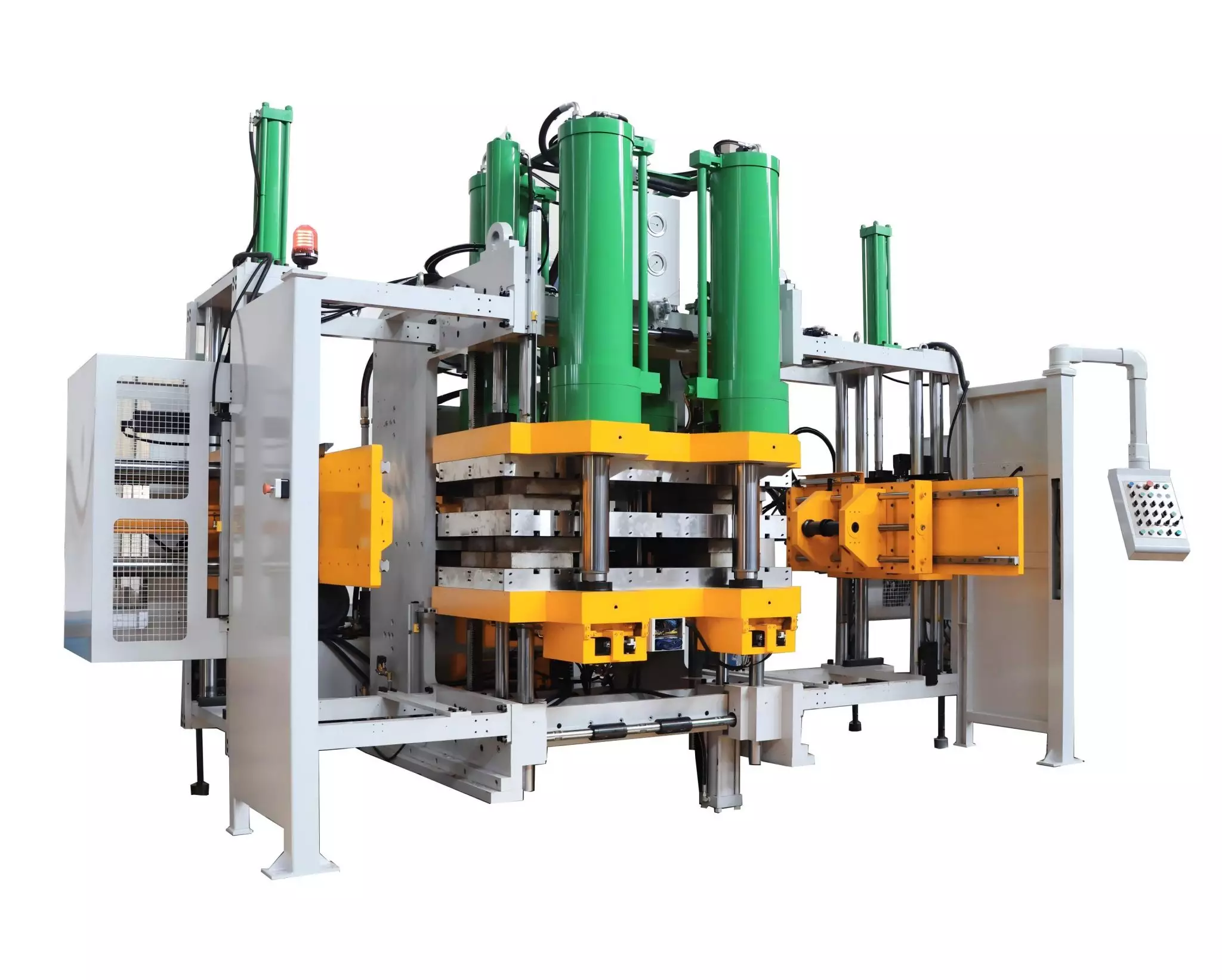
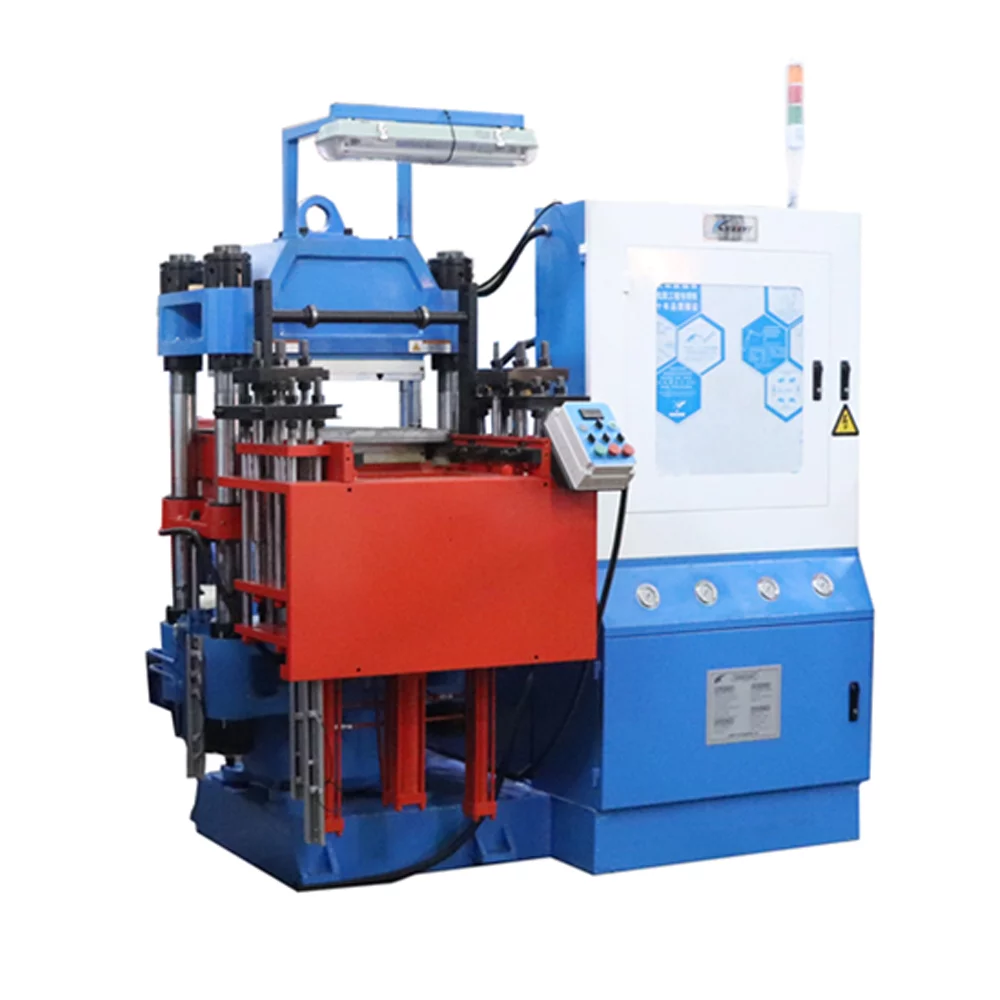
In conveyor belt splicing operations, we at HWAYI focus on one critical factor that often determines long-term performance: how evenly heat is distributed during vulcanization. When using a rubber belt vulcanizing machine, the final joint quality is not only influenced by pressure and time, but also by the stability of temperature across the entire platen surface. Even small inconsistencies can create weak bonding zones that reduce durability in real operating conditions.
Understanding Heat Behavior in Vulcanization
Vulcanization is a controlled chemical process where rubber is transformed into a stronger and more elastic material through heat and pressure. During this process, temperature stability ensures that crosslinking reactions occur at the same rate throughout the splice area.
If heating is uneven, different sections of the belt cure at different speeds. This imbalance leads to variations in hardness, elasticity, and adhesion strength. Over time, these inconsistencies can affect how the splice performs under continuous tension and load cycles.
Why Uniform Platen Heating Is Critical
In practical field applications, a China rubber belt track vulcanizing press manufacturer’s solution is often selected based on durability and control precision. One of the most important technical requirements is maintaining consistent platen temperature.
When temperature distribution is uneven, several issues can occur:
Some areas may not reach full curing conditions, resulting in incomplete bonding between layers. Other areas may be exposed to excessive heat, which can damage rubber compounds and reduce flexibility. These differences create internal stress variations across the joint, which weaken overall structural stability.
Even small deviations can gradually reduce splice reliability, especially in environments with heavy impact loads or continuous operation.
Effect on Joint Strength and Service Life
Joint strength depends on the uniform formation of crosslinked rubber networks. When heating conditions are stable, the bond between layers is consistent across the entire splice surface, allowing the joint to distribute mechanical stress evenly.
However, inconsistent temperature can create weak transition zones. These zones often become the starting points for cracks or delamination under repeated loading. In industrial systems such as mining conveyors or bulk material handling lines, such weaknesses can significantly shorten maintenance intervals and increase downtime risk.
Long-term durability is directly connected to how well the platen maintains thermal balance during each vulcanization cycle.
HWAYI Engineering Focus
At HWAYI, we design each rubber belt vulcanizing machine with careful attention to thermal control accuracy. Our approach includes optimized heating layouts, precision-machined platen structures, and continuous monitoring systems to ensure stable heat distribution during operation.
This allows each section of the belt splice to receive consistent thermal energy, supporting uniform curing and improved bonding integrity. By maintaining controlled heating conditions, we help reduce the risk of uneven curing and improve overall joint performance in demanding industrial environments.
Conclusion
Platen temperature uniformity plays a decisive role in determining the strength and reliability of conveyor belt joints. Uneven heat distribution can lead to inconsistent curing, internal stress differences, and premature failure. With carefully engineered solutions from experienced China rubber belt track vulcanizing press manufacturers, operators can achieve more stable splicing results. At HWAYI, we continue to prioritize thermal precision to support stronger, more durable conveyor belt performance in real-world applications.