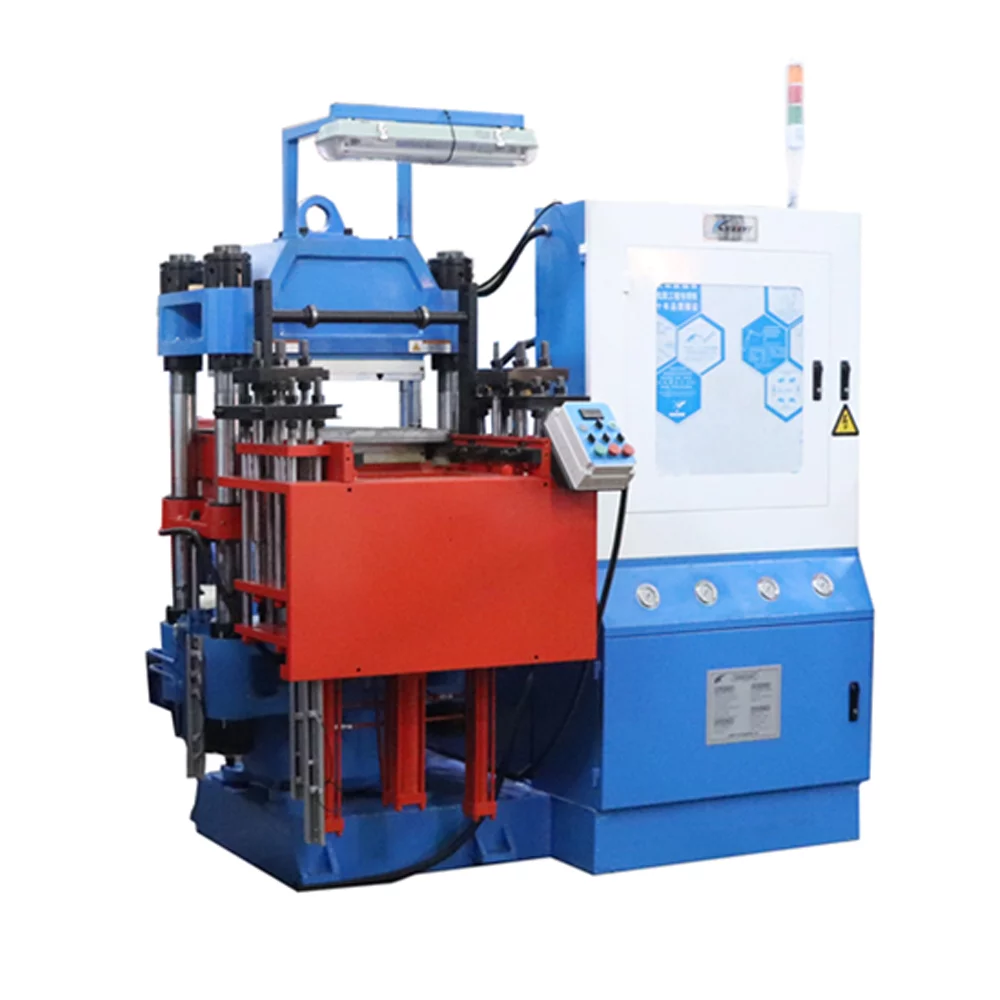
In industrial conveyor systems, splice reliability directly depends on precise control of heat, pressure, and curing time during the vulcanization process. As we at HWAYI often emphasize when delivering a rubber belt vulcanizing machine, curing time is not a fixed number but a controlled range that must align with belt type, thickness, and rubber compound behavior. Too short a cycle leads to under-cure and weak bonding, while excessive time can degrade rubber properties and reduce splice integrity. Understanding the optimal curing window is essential for achieving long service life and stable conveyor performance.
Understanding the Role of Curing Time in Vulcanization
Curing time refers to the duration during which heat and pressure are applied in a rubber belt vulcanizing machine to complete the chemical cross-linking process of rubber compounds. In a properly controlled system, this stage determines how effectively the splice area bonds and how much strength is retained after cooling.
Based on industrial practice, textile conveyor belts typically require a curing time of around 25 to 45 minutes at controlled temperatures between 140°C and 155°C, depending on belt thickness. Steel cord belts often require longer cycles, ranging from 45 to 90 minutes due to higher structural complexity and thicker splice zones. These values align with widely used hot vulcanization processes where full curing is achieved before cooling under pressure begins.
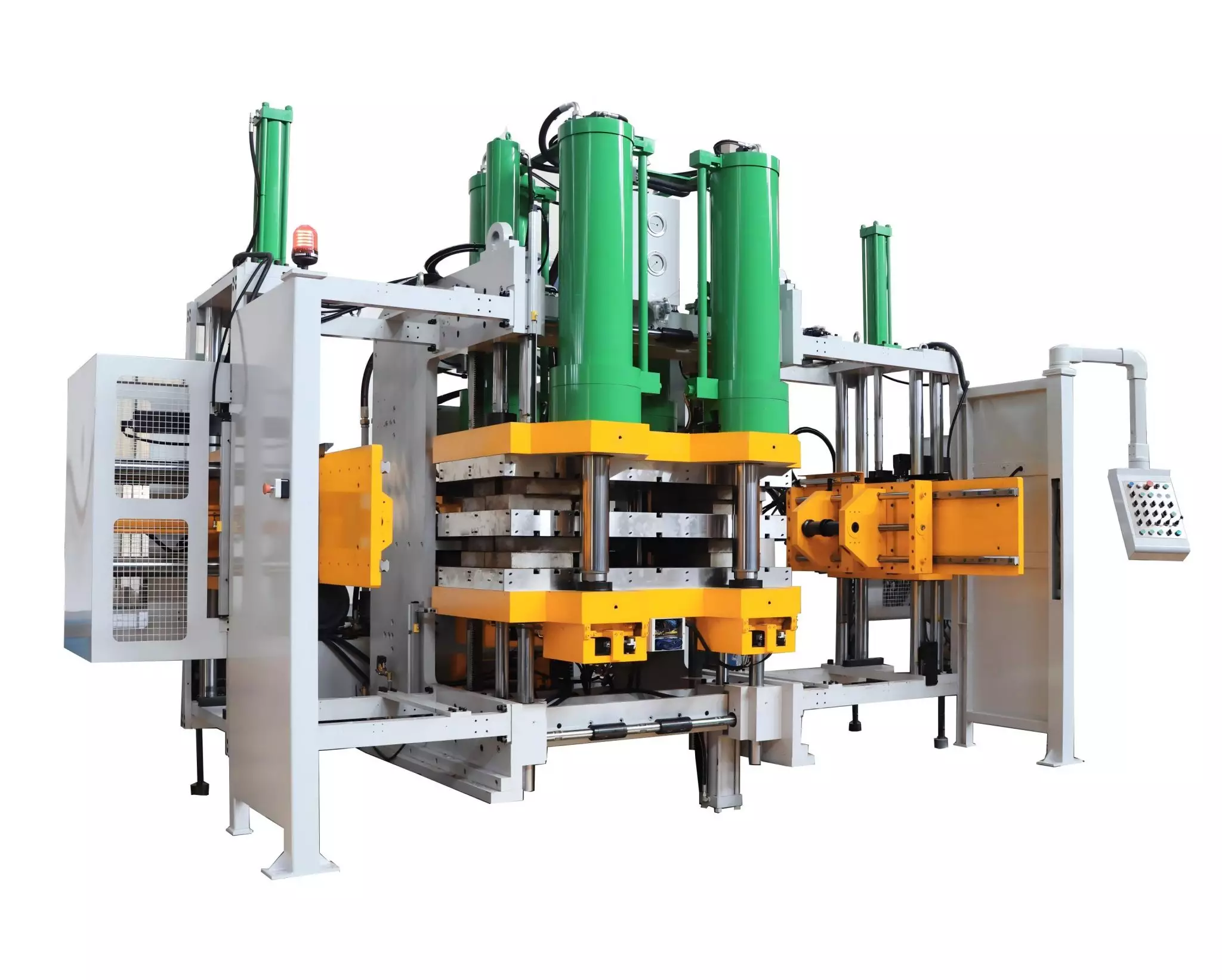
At HWAYI, we design our systems to maintain uniform platen temperature and stable hydraulic pressure throughout the entire curing cycle, ensuring that no premature cooling or thermal fluctuation compromises the bond.
Factors That Influence Optimal Curing Time
The ideal curing time for belt splice durability is influenced by several operational and material factors. Belt thickness is the most direct variable, as thicker belts require more time for heat to penetrate the core layers. Similarly, steel cord reinforcement requires longer heat retention compared to fabric ply structures.
Temperature stability inside the rubber belt vulcanizing machine is equally important. Even minor deviations from the target curing range can extend the required time or result in incomplete vulcanization. Pressure consistency also plays a role, as insufficient pressure slows rubber flow and reduces bonding efficiency at the splice interface.
Environmental conditions such as ambient temperature and moisture can further affect cycle efficiency, especially in field operations where insulation and heating control are less stable.
What Ensures Maximum Splice Durability
From a manufacturing and field application perspective, optimal splice durability is achieved when curing time is balanced with three conditions: correct temperature, uniform pressure, and controlled cooling under compression. Industry standards recommend maintaining pressure during both heating and cooling phases to prevent internal stress formation in the splice area.
A properly executed cycle can achieve up to 90 to 100 percent of the original belt strength, provided that curing time is matched accurately to belt specifications and maintained without interruption. This is why precision control systems in modern presses are essential for consistent results.
At HWAYI, we focus on ensuring that operators can set and maintain precise curing parameters through stable heating systems and responsive hydraulic controls, reducing variability across different job sites and belt types.
Conclusion
The curing time that ensures optimal belt splice durability is not a single fixed value but a controlled range determined by belt structure, thickness, and operating conditions. Generally, 25 to 45 minutes for fabric belts and 45 to 90 minutes for steel cord belts represent reliable industrial benchmarks when combined with proper temperature and pressure control. By using a well-engineered rubber belt vulcanizing machine from HWAYI, operators can achieve consistent curing conditions that support strong, long-lasting splices and reduce unexpected downtime in conveyor operations.