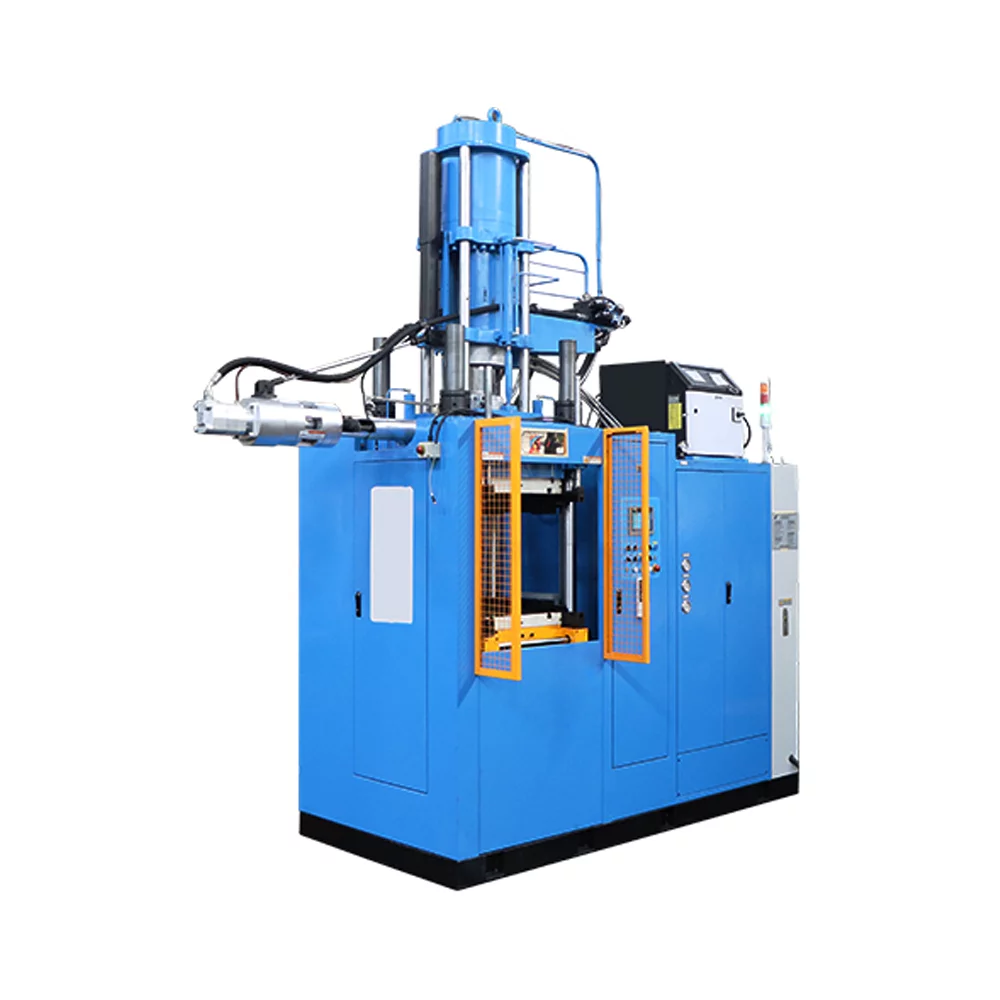
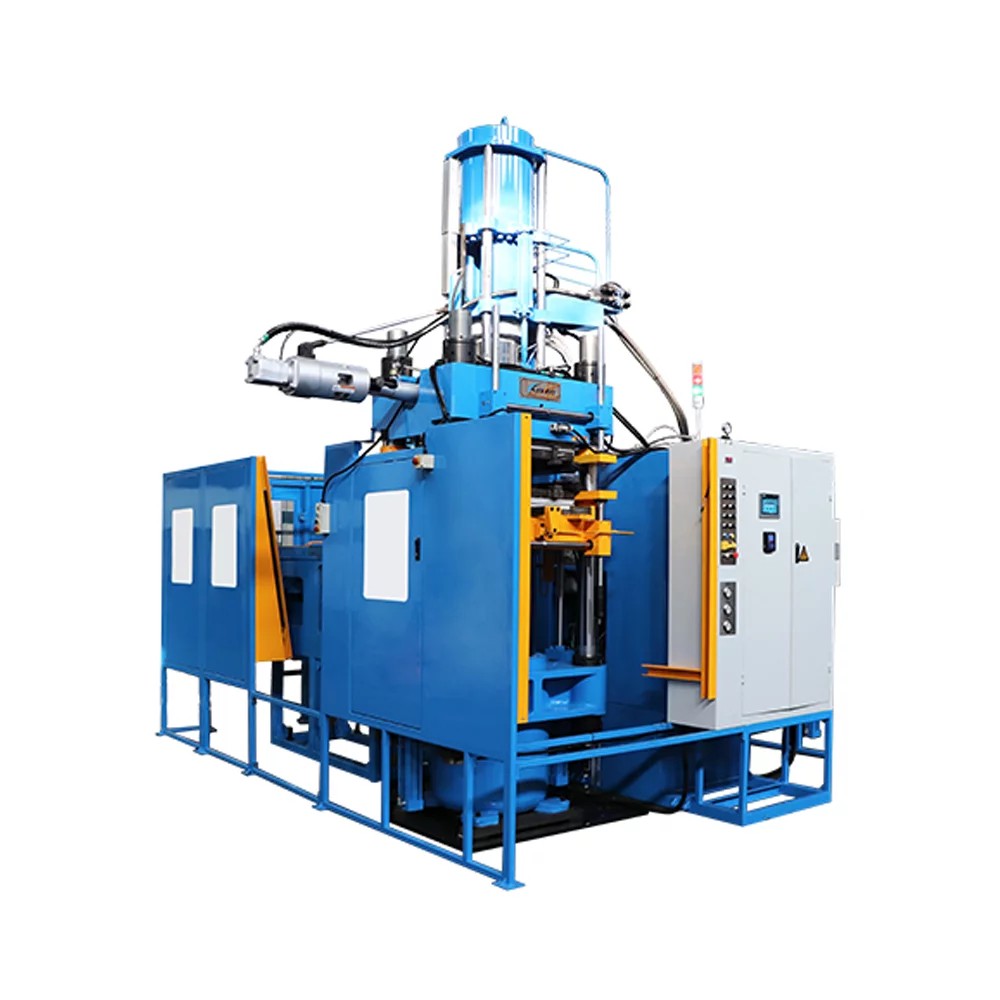
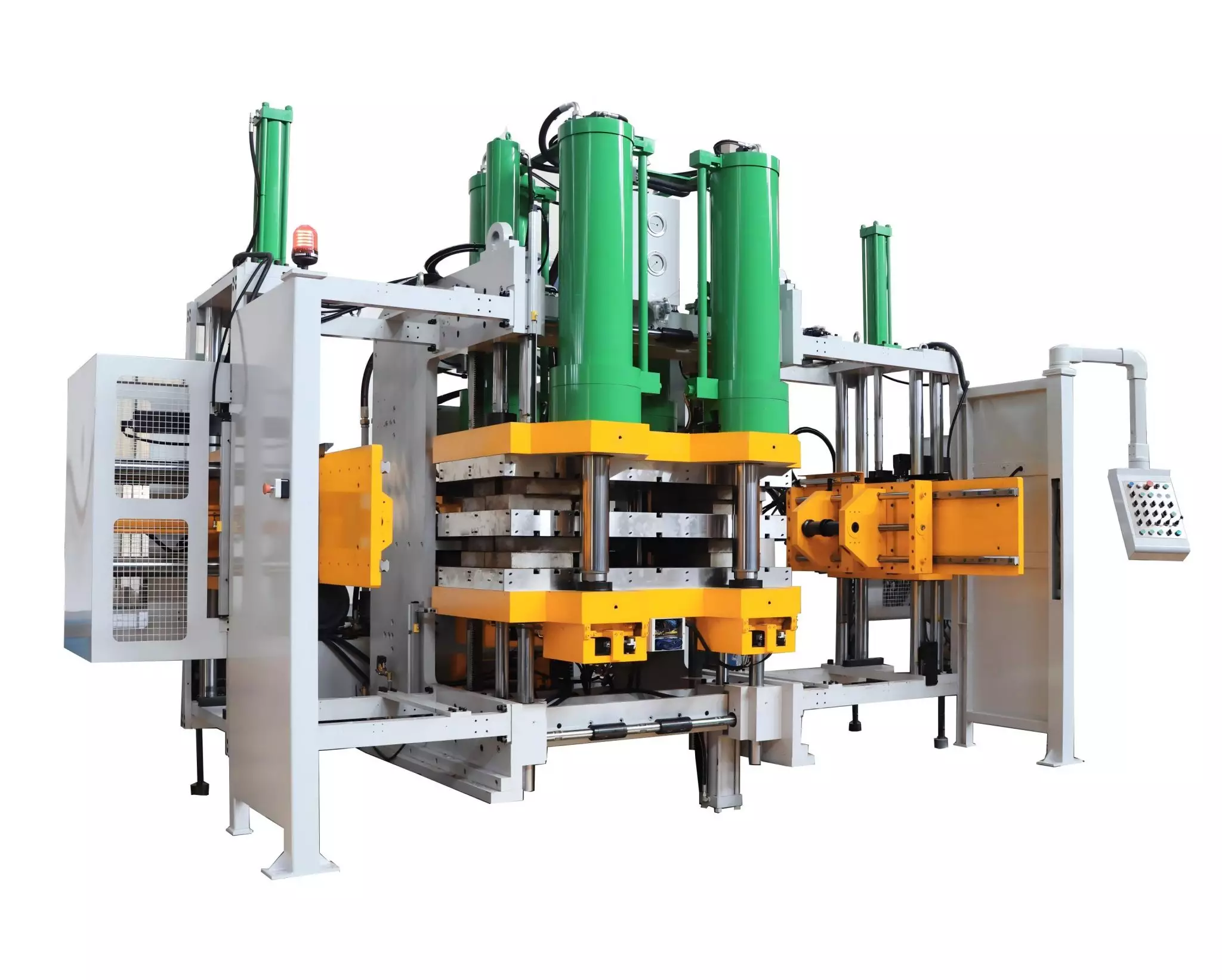
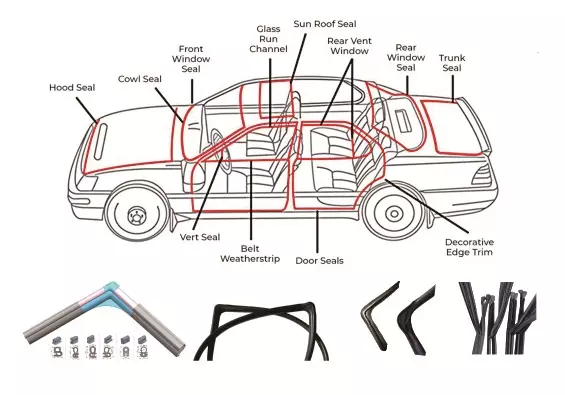
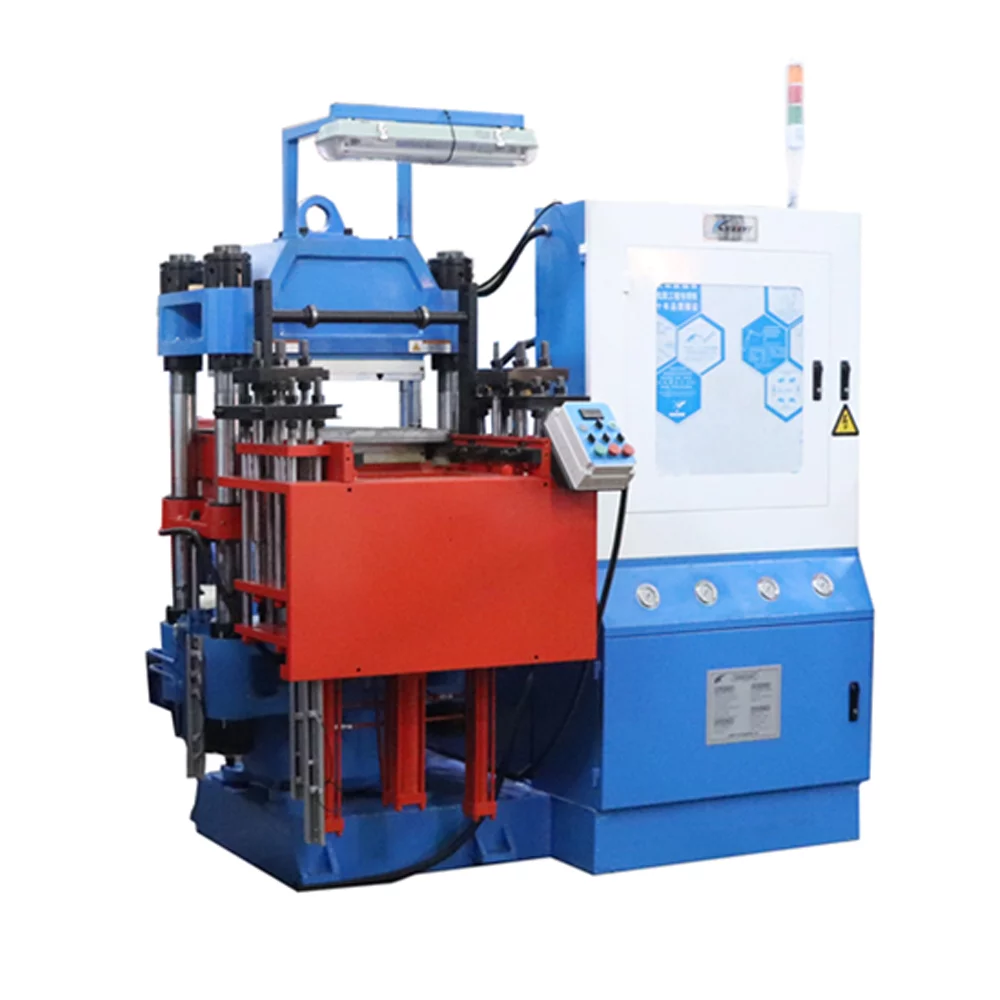
For insert parts production, machine selection should focus on insert size variation, mold configuration, and required production consistency. In our experience at HWAYI, a stable vertical rubber injection molding machine is often preferred in such applications because it supports precise insert positioning and controlled material flow. For many industrial users working with seals, connectors, or electrical components, the consistency of vertical injection molding plays an important role in maintaining assembly accuracy and reducing rework during production planning.
Machine structure and process stability
In insert part production, structural design of the equipment directly affects molding results. We focus on vertical clamping structures because gravity-assisted placement helps keep inserts stable before injection begins. A properly configured vertical rubber injection molding machine allows smoother integration between mold closing, injection, and curing stages. At HWAYI, we design systems that support repeatable vertical injection molding cycles, which helps users maintain process stability even when handling different insert shapes or material combinations in the same production line.
Material behavior and application adaptability
Different insert parts require different rubber formulations, and this is where process adaptability becomes important. In our projects, we observe that controlled temperature and pressure distribution help ensure consistent bonding between insert and rubber. A well-structured molding machine provides better control over these parameters, especially when used for multi-cavity molds. Through optimized vertical injection molding processes, our company supports applications across automotive sealing parts, electrical insulation components, and industrial connectors without requiring complex workflow changes.
Operator workflow and production efficiency
From an operational perspective, ease of use and workflow design also influence machine selection. We design our systems so that operators can position inserts more intuitively and monitor injection cycles with minimal interruption. In daily production, a stable molding machine helps reduce handling time between cycles, while consistent vertical injection molding performance ensures fewer variations in final output. At HWAYI, we integrate these considerations into equipment configuration to support long-term production continuity rather than short-term output focus.
Conclusion
Selecting equipment for insert parts is not only about machine capability but also about how well the system fits into real production environments. From our perspective at HWAYI, a reliable equipment combined with stable vertical injection molding performance provides a practical foundation for consistent insert part manufacturing. By balancing structure, process control, and operational usability, manufacturers can better align equipment selection with their actual production requirements and long-term application needs.