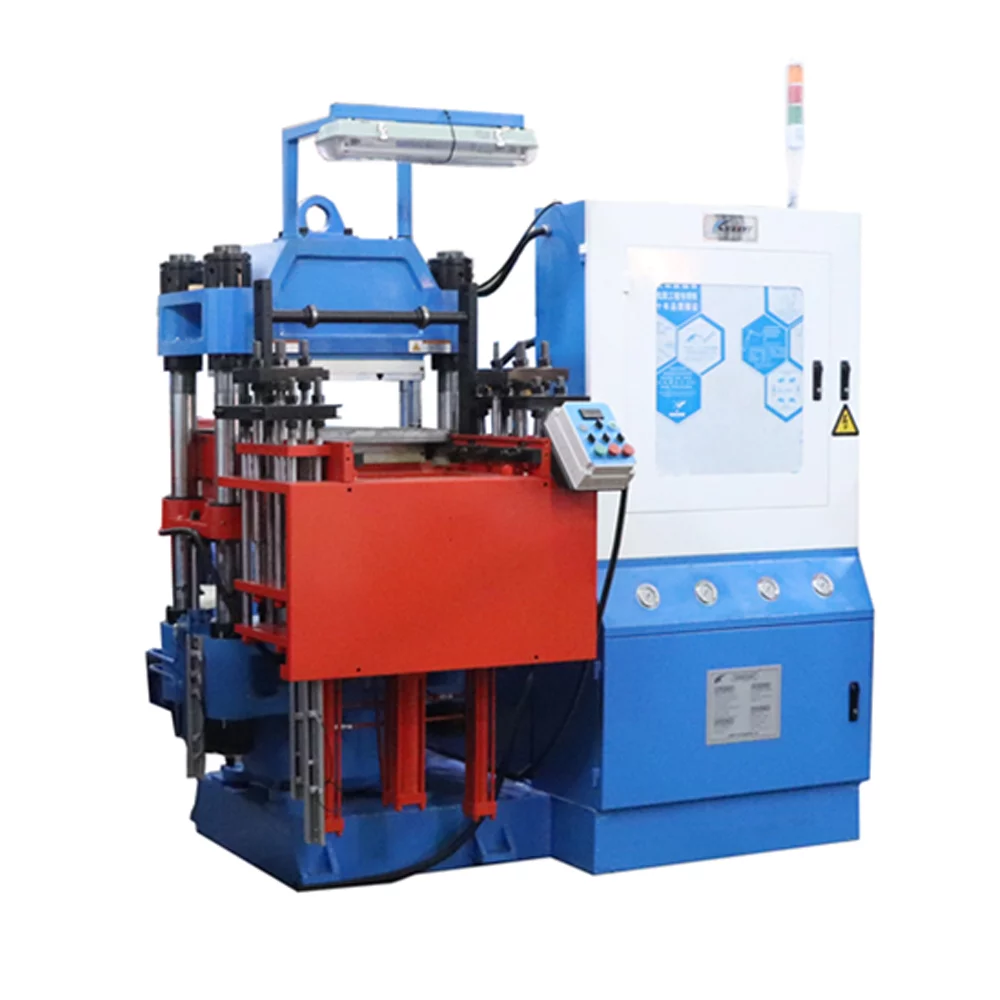
In our daily project discussions, we often begin with understanding how metal or plastic inserts interact with rubber during molding. Insert molding requires stable positioning, controlled injection flow, and repeatable pressure conditions. When we evaluate a HWAYI vertical rubber injection molding machine, we focus on how well it supports precise alignment between inserts and mold cavities. This step is important because insert stability directly affects the final assembly quality in industrial applications.
Machine structure and positioning accuracy
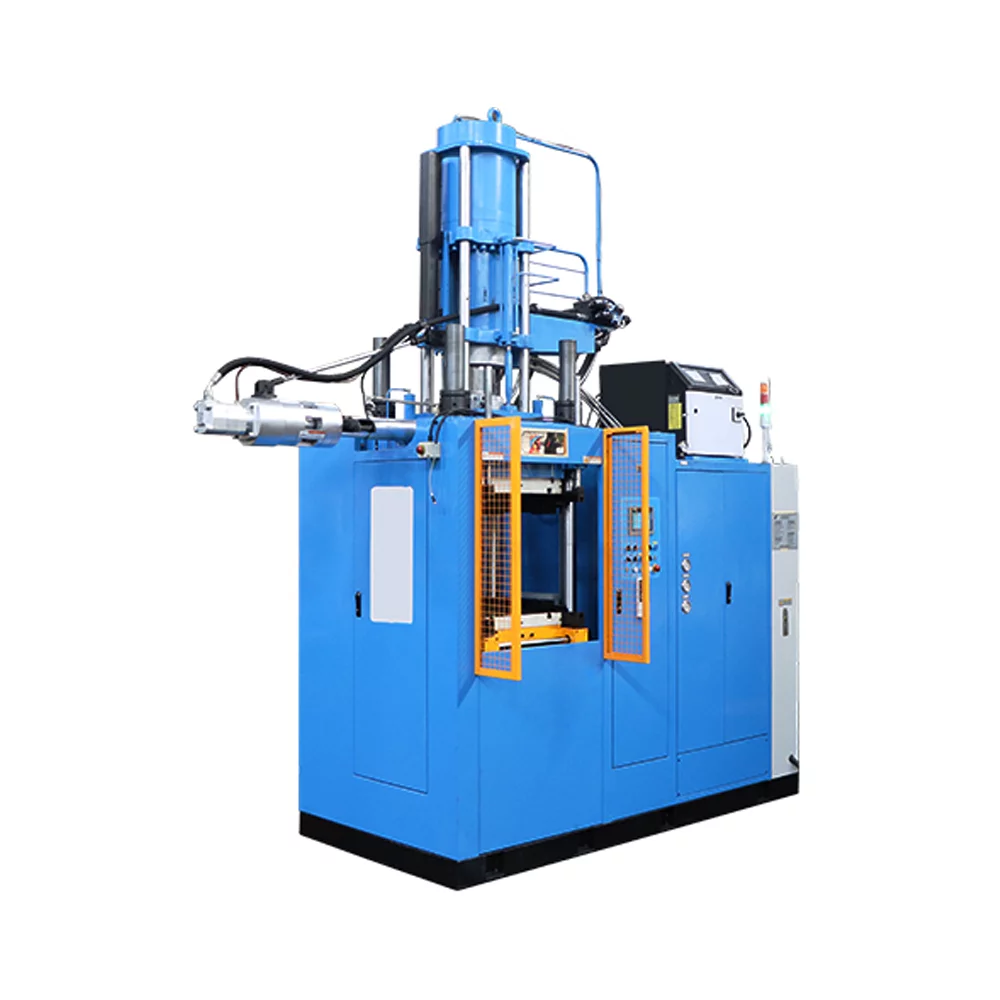
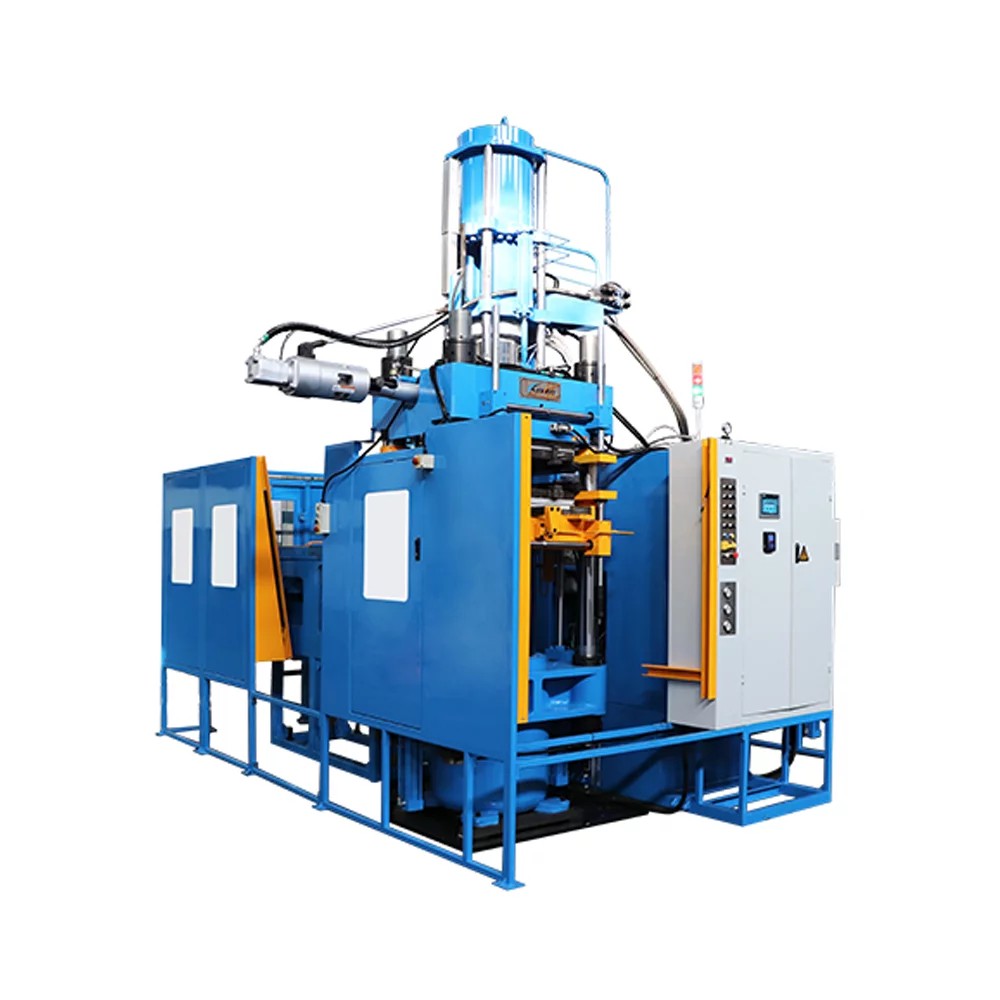
For insert molding, machine structure plays a key role in process reliability. A HWAYI vertical injection molding machine is commonly used because the vertical clamping design helps maintain insert position under gravity. In our experience, this structure is suitable for components that require embedded metal parts or multi-material combinations. At the same time, the HWAYI vertical rubber injection molding machine is designed to support stable mold closing force, which helps reduce movement during injection and improves repeatability in production cycles.
Process control and material behavior
We also pay attention to how material flows during injection, especially when inserts are involved. Uneven flow can create stress around embedded parts, so controlled injection speed and pressure are important. The HWAYI vertical rubber injection molding machine is applied in cases where rubber needs to fully wrap around inserts without creating air gaps. Meanwhile, the HWAYI vertical injection molding machine supports controlled operation parameters that help maintain consistency across multiple production runs, which is often required in industrial manufacturing environments.
Production efficiency and application matching
In real production planning, selection is not only about machine structure but also about workflow integration. A HWAYI vertical injection molding machine is often selected when production requires flexible mold changes and moderate batch sizes. We also consider how the HWAYI vertical rubber injection molding machine fits into existing production lines, especially when insert molding is part of a larger assembly process. Our approach is to evaluate process compatibility rather than focusing only on equipment specifications.
Conclusion
Selecting equipment for insert molding requires attention to structure, process control, and application needs. The HWAYI vertical rubber injection molding machine and HWAYI vertical injection molding machine both support different aspects of insert molding production, depending on precision and workflow requirements. In our experience, a suitable selection helps maintain stable insert positioning and consistent molding results in B2B manufacturing environments.