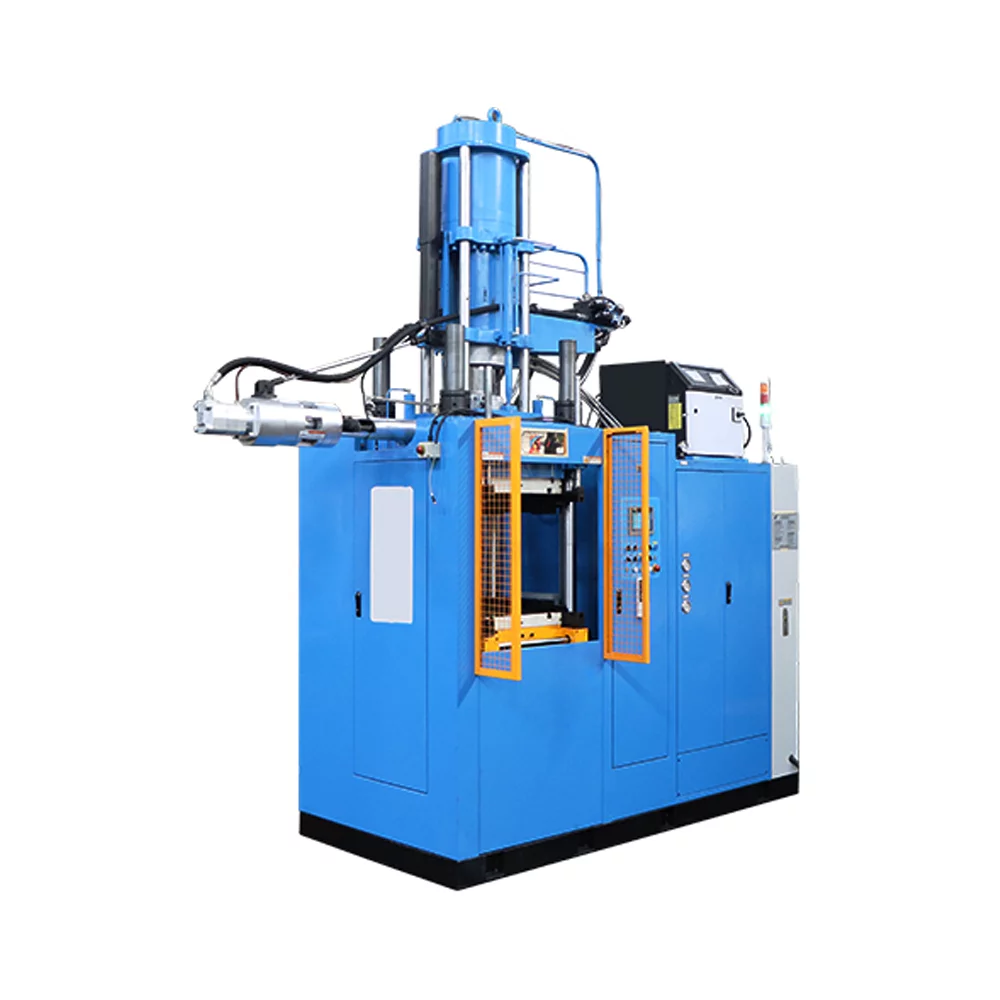
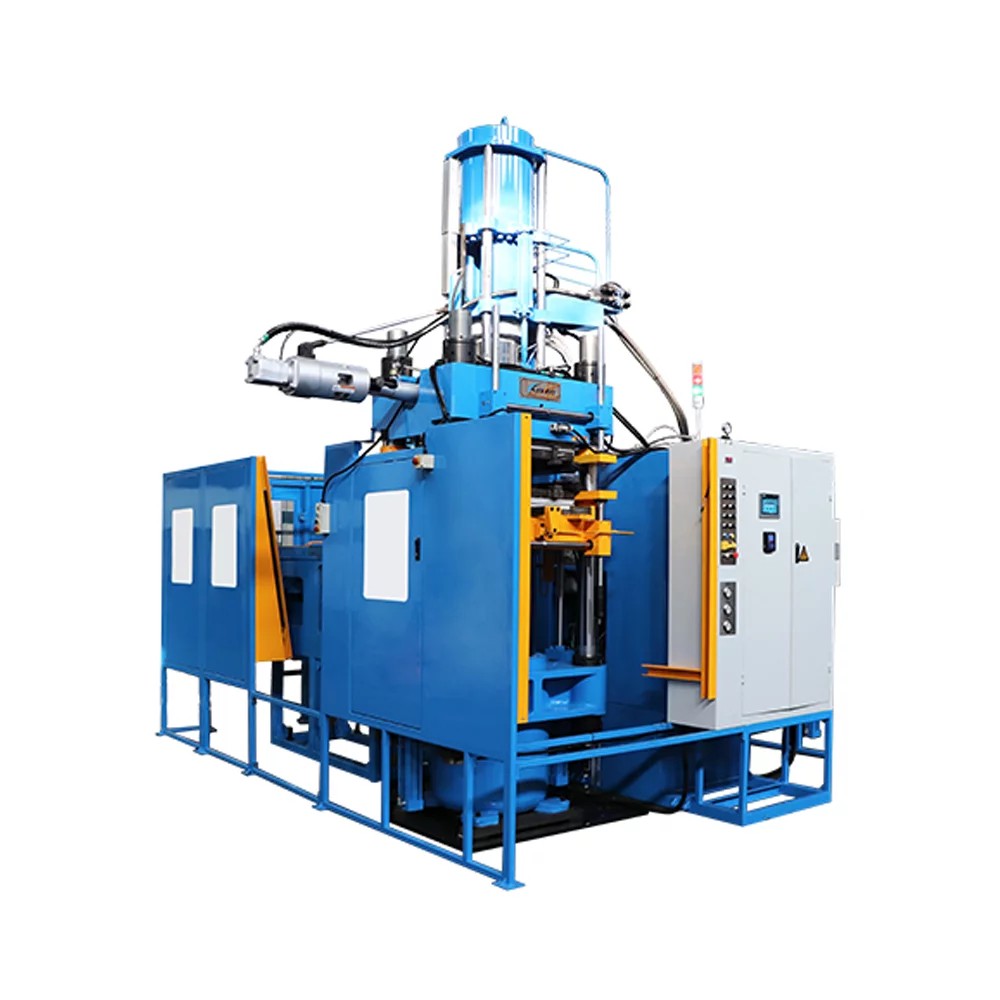
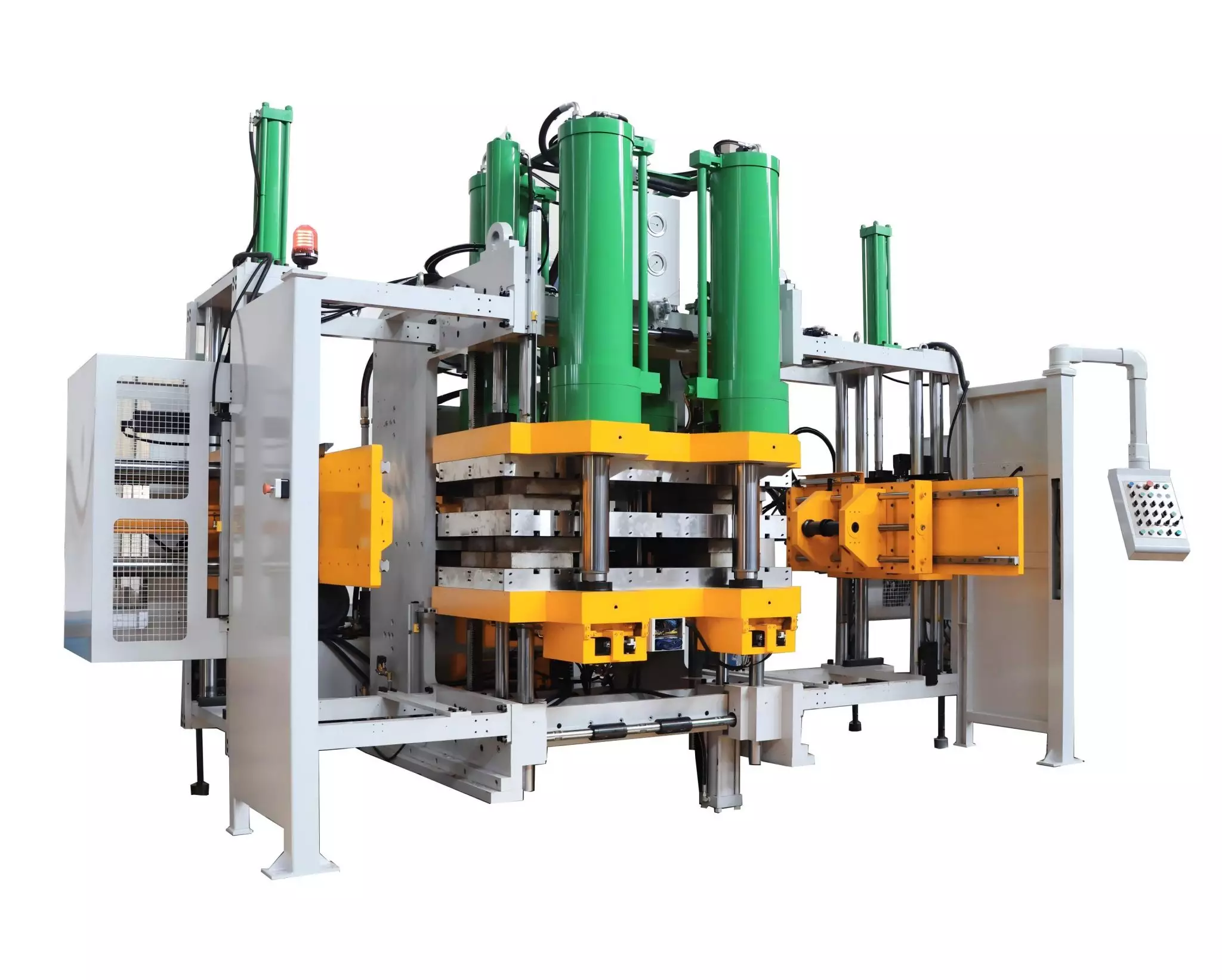
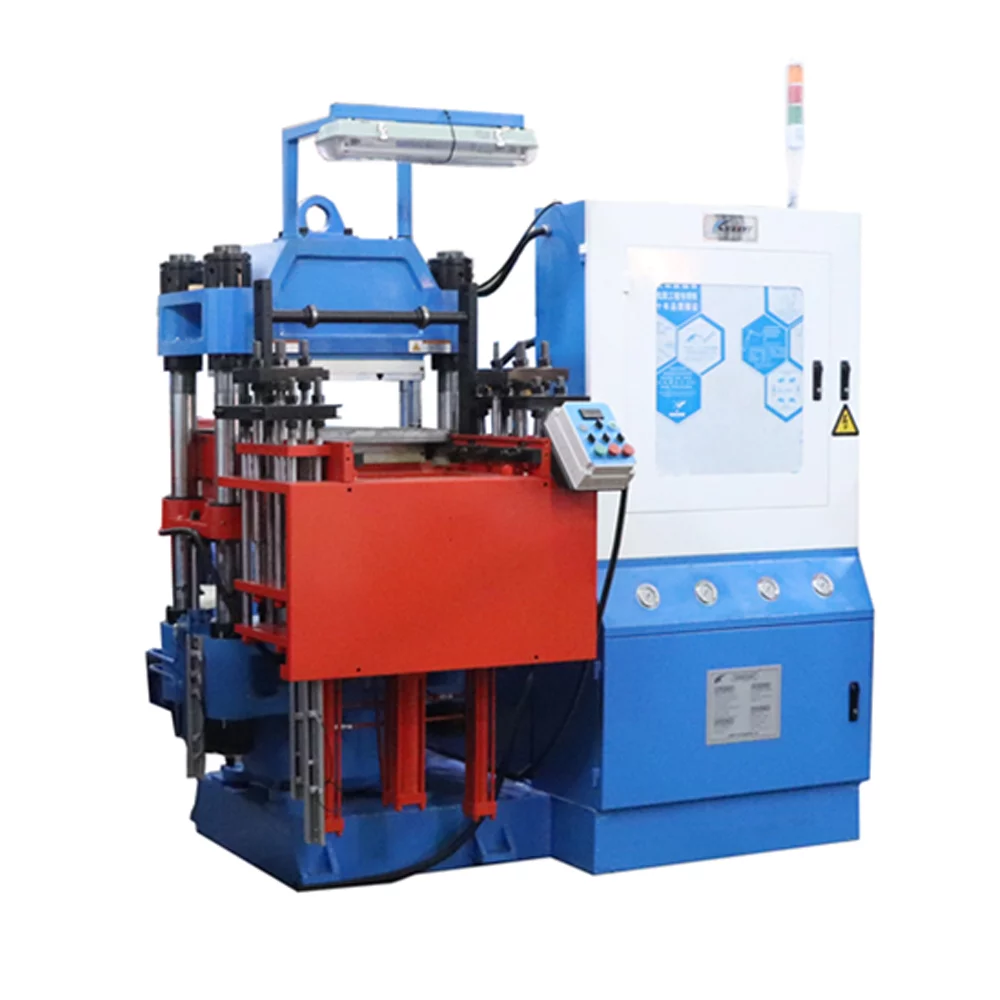
In our daily engineering work, we often evaluate how energy is consumed during rubber injection processes. A HWAYI vertical rubber injection molding machine is typically assessed not only by its molding capability but also by how efficiently it manages heating, pressure, and cycle timing. These elements directly influence operating cost in long-term industrial production. From our experience, energy behavior in vertical systems is closely related to process stability rather than a single mechanical factor.
Heating control and thermal stability
One of the main energy-related factors in a HWAYI vertical injection molding machine is the heating system design. We focus on how temperature is maintained during continuous operation, since unstable heating often leads to repeated energy input and unnecessary loss. In practical applications, controlled thermal distribution helps maintain consistent curing conditions. At the same time, the molding machine is designed to support stable heating cycles, which reduces fluctuations and helps operators maintain stable energy usage during production.
Hydraulic efficiency and motion control
We also consider hydraulic performance when analyzing energy efficiency. In a the injection molding machine, optimized hydraulic response helps reduce excessive pressure loss during injection and clamping stages. This means the system can complete molding cycles without requiring unnecessary power peaks. Similarly, the HWAYI vertical injection molding machine uses controlled motion logic to balance injection speed and pressure, which helps reduce energy waste caused by unstable operation or repeated adjustments in production settings.
Production scheduling and idle energy reduction
Energy efficiency is not only related to machine design but also to how equipment is used in real production. A HWAYI vertical injection molding machine can be operated more efficiently when production scheduling reduces idle running time. We often observe that unnecessary standby periods contribute to hidden energy costs in industrial environments. The HWAYI vertical rubber injection molding machine supports structured cycle operation, which helps align machine activity with actual production demand and avoids continuous idle energy consumption.
Conclusion
Energy efficiency in vertical molding systems depends on heating control, hydraulic stability, and operational planning. The molding machines incorporate functional designs that support more stable energy usage in industrial environments. In our work with B2B customers, we focus on aligning equipment behavior with real production patterns so that energy consumption can be managed in a more consistent and practical way.