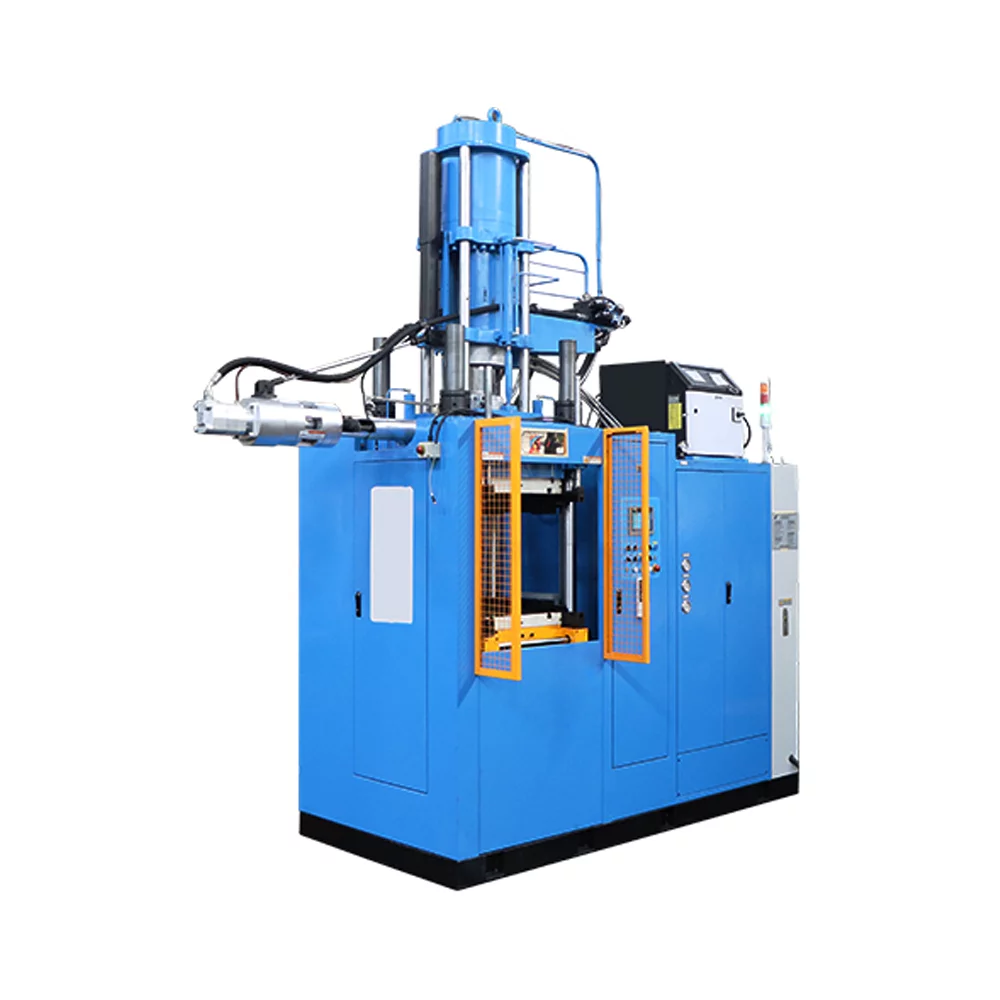
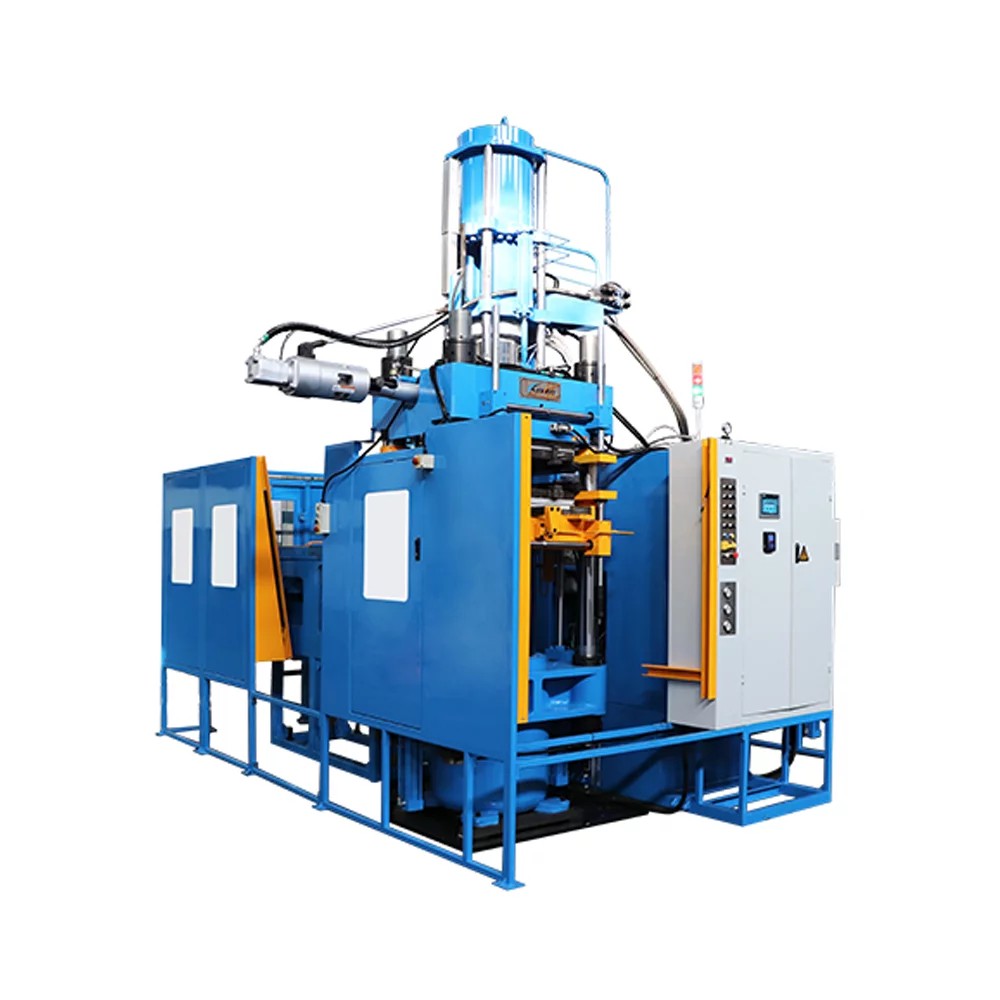
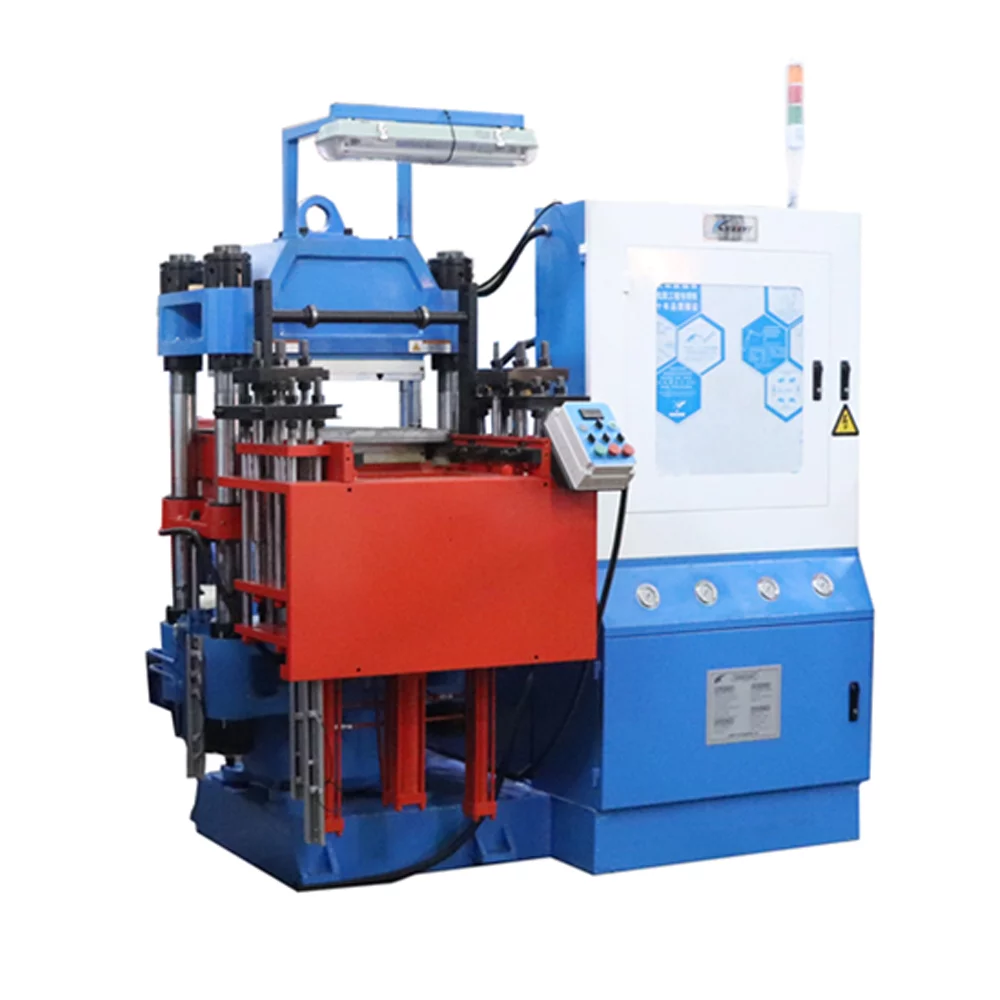
In our daily work with rubber injection systems, we often observe that cycle time is not defined by a single parameter but by the balance of several process conditions. When operating a vertical injection molding machine, we focus on how material preparation, temperature consistency, and mold behavior interact within each cycle. Small variations in heating or injection pressure can gradually affect repetition accuracy, which ultimately influences overall productivity. In our experience at HWAYI, maintaining stable operating conditions is always the foundation for predictable cycle performance, especially in continuous production environments.
Material Flow and Machine Response in a Vertical Rubber Injection Molding Machine
Another important factor affecting cycle time is material flow behavior inside the injection system. With a vertical rubber injection molding machine, the viscosity of rubber compounds and the responsiveness of the screw or plunger system directly determine how efficiently material fills the cavity. If the compound requires longer plasticizing time or inconsistent feeding occurs, the cycle naturally extends. Our company designs equipment structures to support smoother material flow within the injection system.
Mold Temperature and Cooling Efficiency
Cooling efficiency is often underestimated, yet it plays a central role in cycle time optimization. Even if injection and clamping steps are well controlled, uneven mold temperature distribution can extend curing time and reduce output stability. In vertical systems, heat transfer depends heavily on mold design, cooling channels, and material thickness. At HWAYI, we integrate thermal balance considerations into system configuration so that temperature recovery remains consistent across repeated cycles, helping manufacturers maintain predictable production rhythm without excessive adjustment during operation.
Operational Coordination and System Integration
Cycle time is also influenced by how different machine stages are coordinated. Injection, vulcanization, and mold opening/closing must operate in a synchronized manner to avoid idle time. In a vertical injection molding machine, delays often occur when mechanical response and control systems are not aligned with production demands. Our approach emphasizes coordinated control logic that allows each phase to transition smoothly, supporting continuous operation while maintaining process stability across different product geometries and production requirements.
Conclusion
In summary, cycle time in rubber injection processes is shaped by material behavior, thermal management, mold efficiency, and system coordination. For HWAYI, the development of vertical rubber injection molding machine solutions is closely linked to understanding these factors in real production environments. By addressing each stage of the cycle in a balanced way, manufacturers can maintain consistent productivity without unnecessary process interruptions, while keeping production conditions stable and adaptable to different industrial applications.