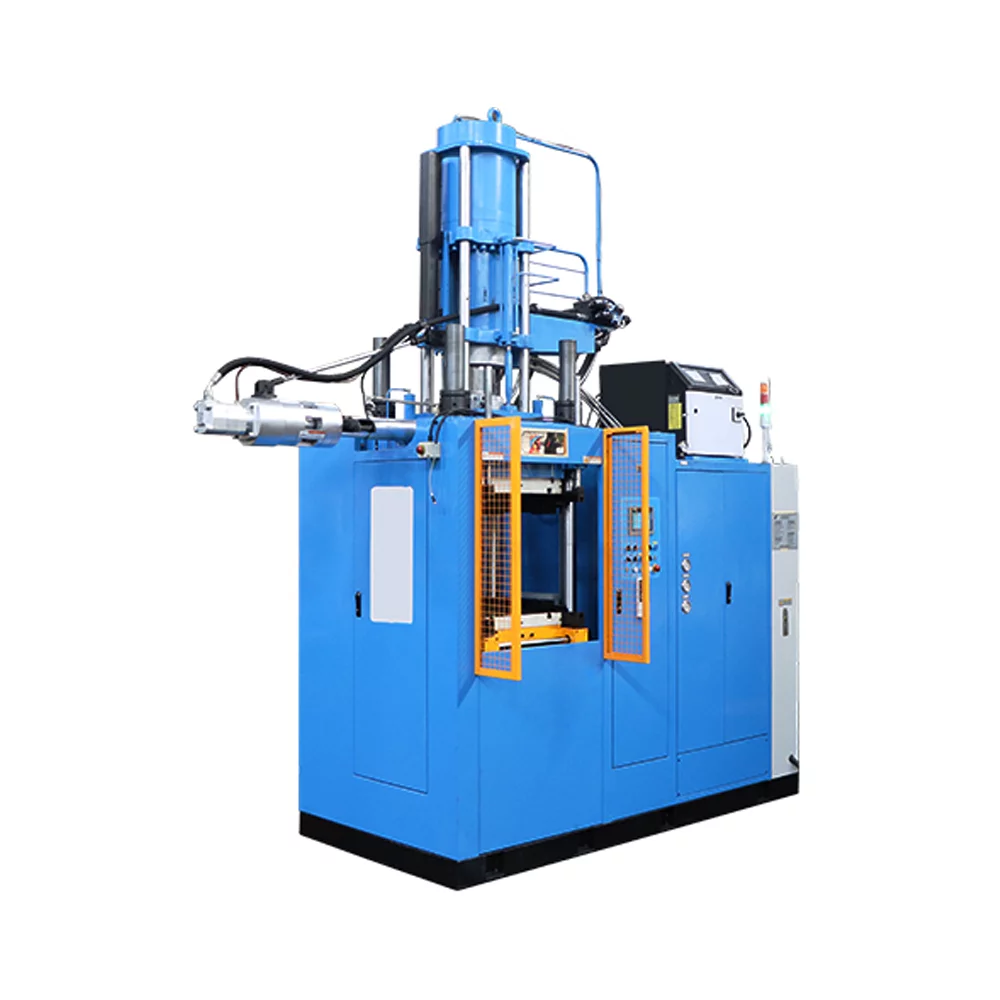
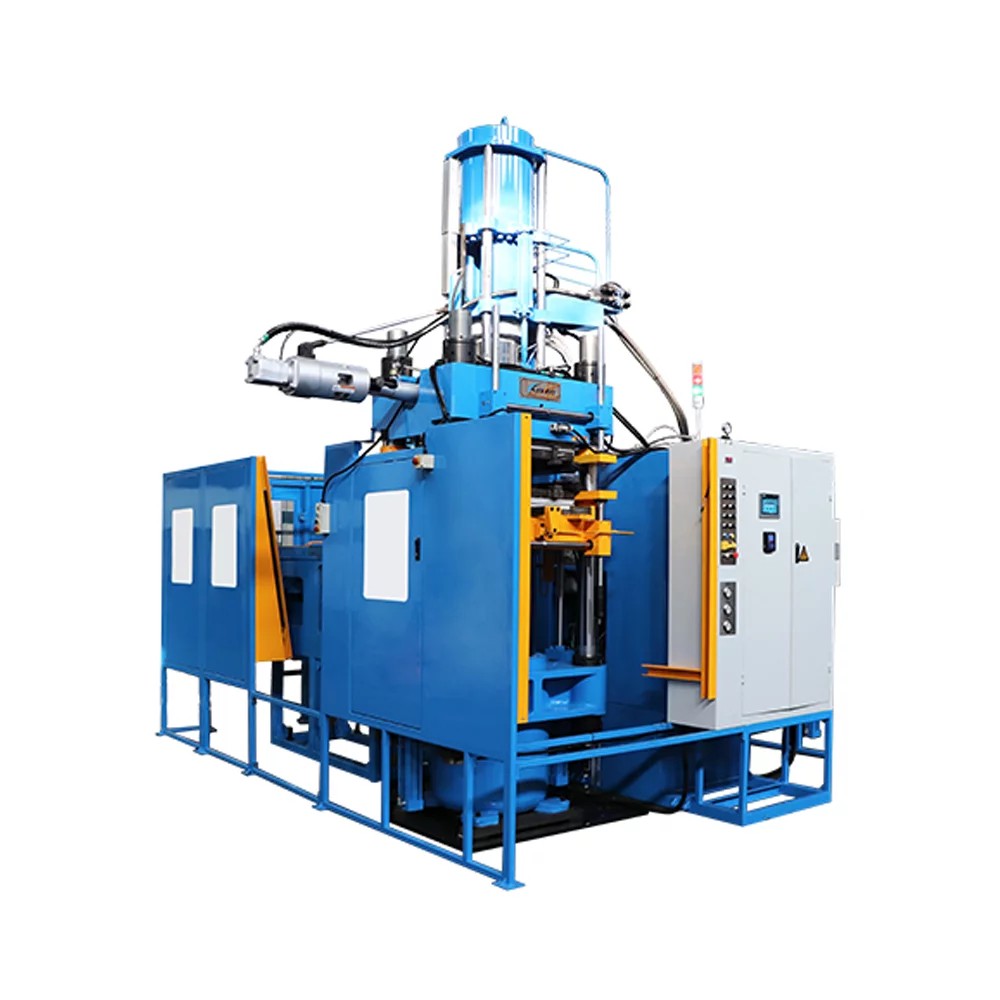
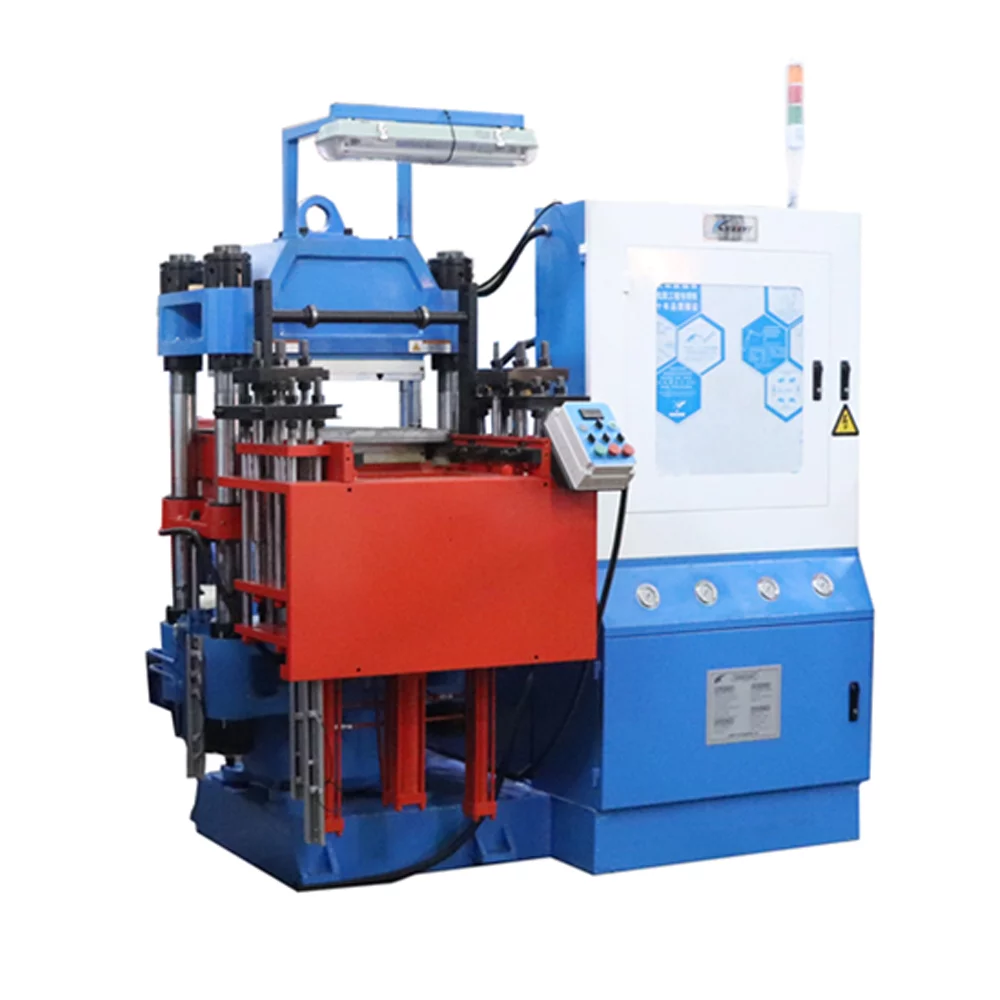
In our daily engineering practice, we often review how energy is consumed across different rubber processing lines. When using a HWAYI rubber belt vulcanizing machine, we usually start by analyzing heating cycles, pressure stability, and idle energy loss. These factors directly influence operating cost in long-term production. For industrial users, energy efficiency is not only about power rating but also about how the system manages heat distribution and process timing in real working conditions.
Heating control and process optimization
A key factor that affects efficiency in a HWAYI belt vulcanizing press is the heating system design. We focus on how temperature is maintained and distributed during vulcanization cycles, because unstable heating often leads to unnecessary energy consumption. In practical applications, optimized thermal control helps reduce unnecessary heat loss during repeated heating cycles. At the same time, the vulcanizing machine is designed to support controlled heating cycles, which helps operators manage energy use more effectively during continuous production.
System structure and operational efficiency
From our experience, mechanical structure also plays an important role in energy efficiency. A well-designed HWAYI belt vulcanizing press reduces unnecessary mechanical resistance and improves force transmission during operation. This means the system does not require excess energy input to achieve stable pressure. In addition, the HWAYI rubber belt vulcanizing machine is often applied in production environments where consistent loading and unloading cycles are required, helping reduce idle running time through optimized production scheduling.
Maintenance behavior and long-term consumption
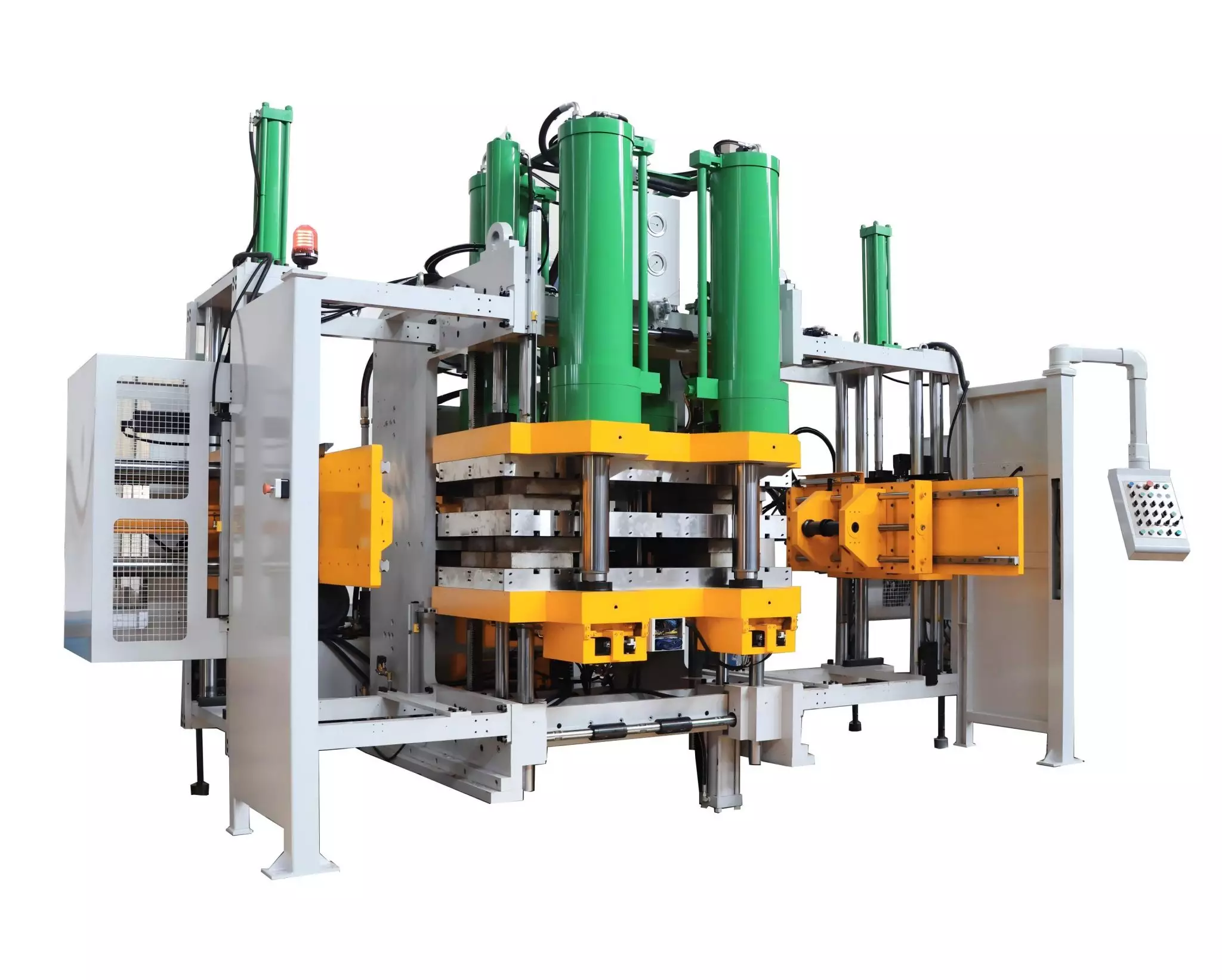
We also observe that energy efficiency is closely related to equipment maintenance. When systems are properly maintained, energy loss caused by friction, heat leakage, or unstable pressure can be reduced. The press machine benefits from structured maintenance planning, which supports stable performance over long production periods. Similarly, the machine can maintain consistent operation when routine inspection and system calibration are properly followed, helping avoid unnecessary energy waste during extended use.
Conclusion
Energy efficiency in pressing systems depends on multiple factors, including heating control, structural design, and maintenance practices. The vulcanizing machine and press machine are both designed to support controlled operation in different production environments. In our work with industrial clients, we focus on aligning system configuration with actual usage patterns so that energy consumption can be managed in a more practical and stable way without affecting production continuity.