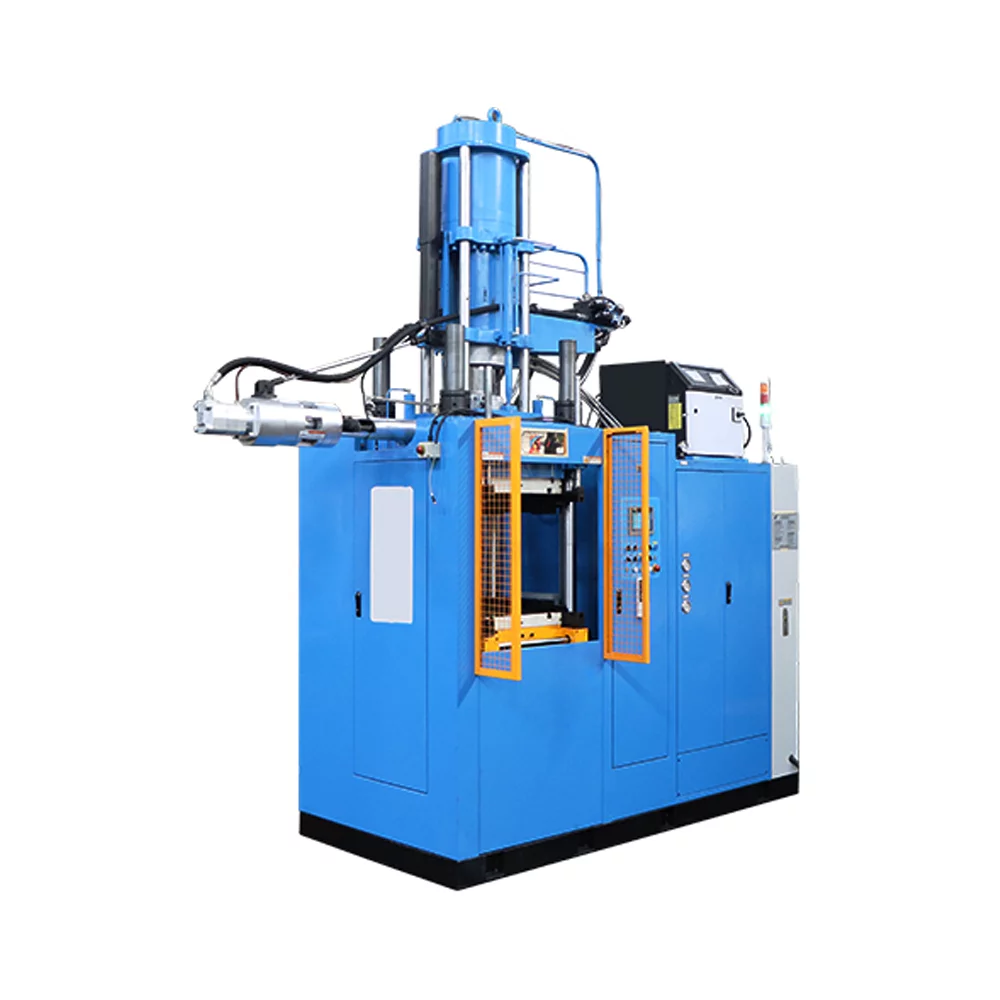
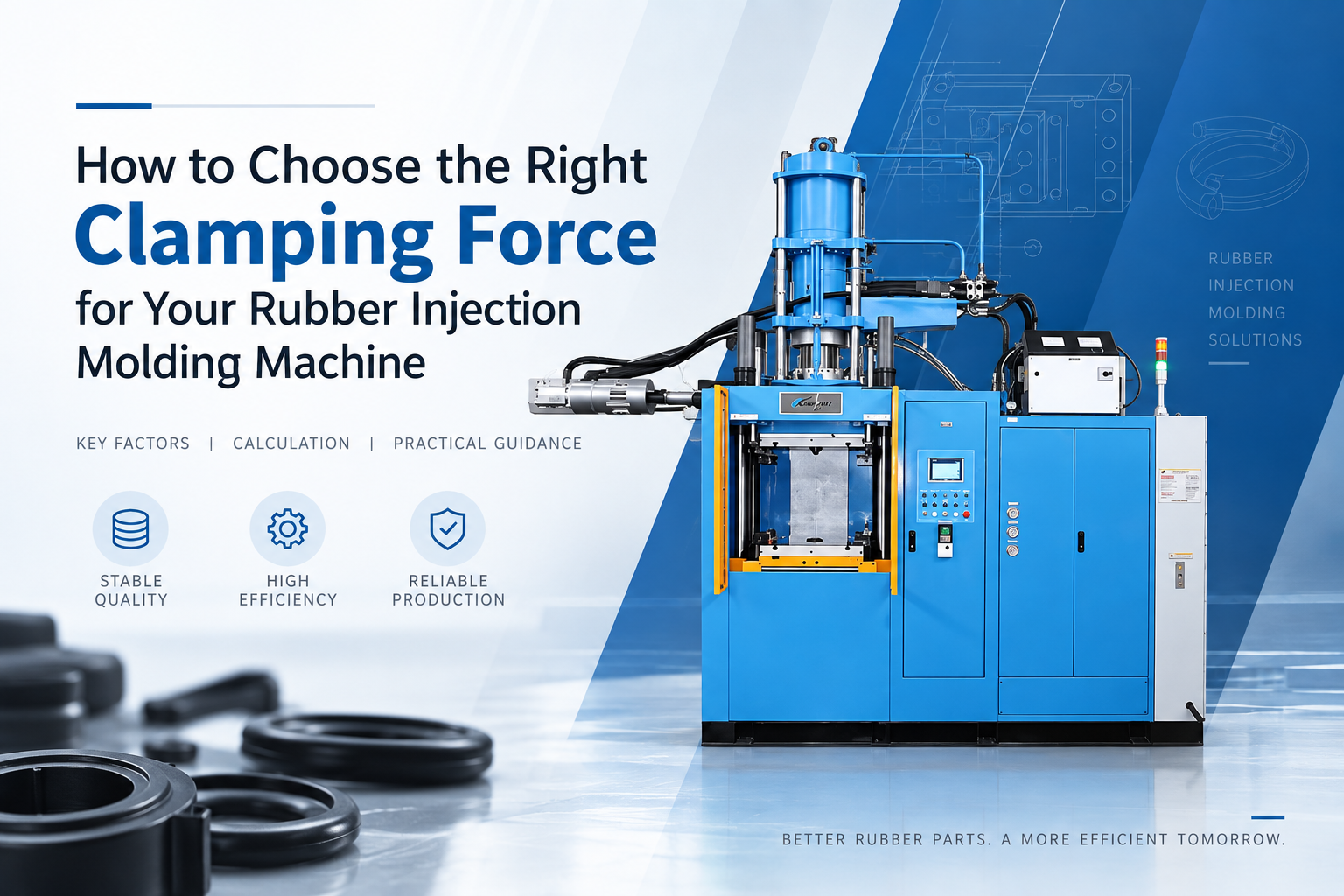
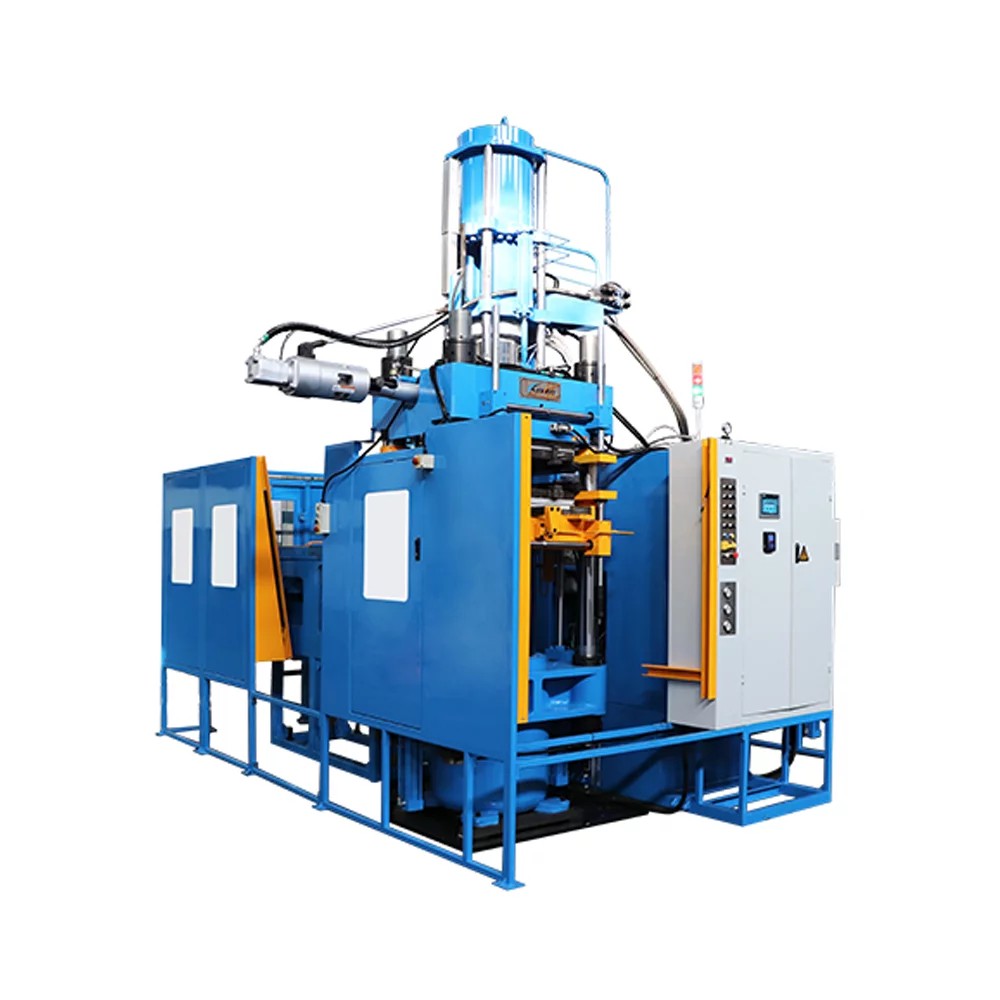
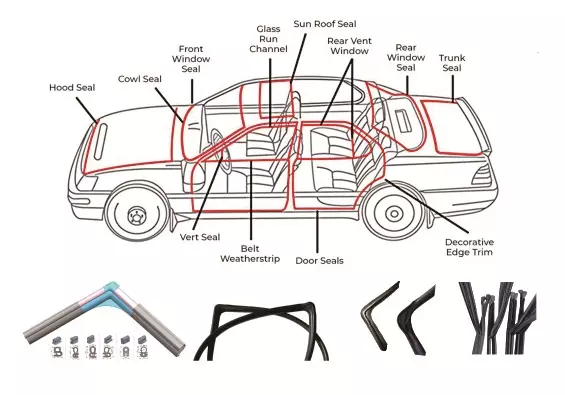
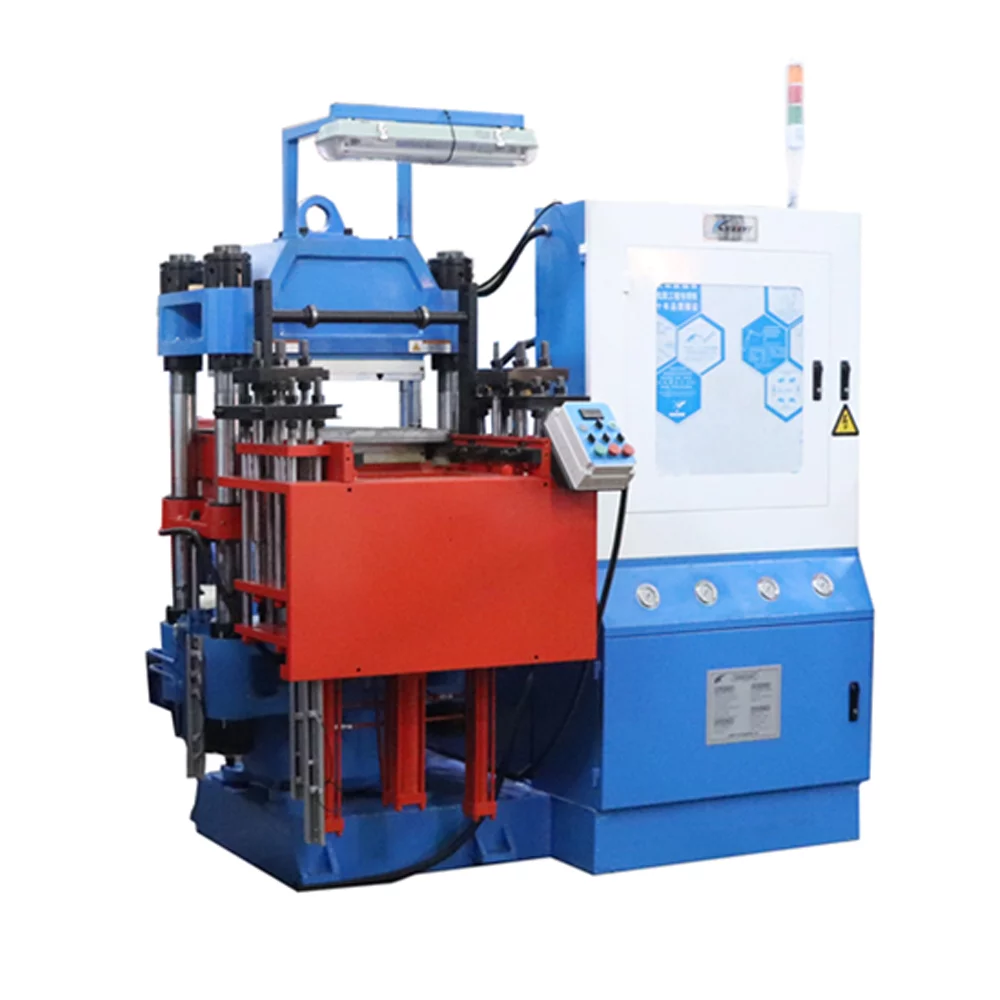
HWAYI develops industrial rubber processing equipment for B2B manufacturers seeking stable production systems. In modern factories, an injection molding solution is often evaluated not only by machine performance but also by process consistency and integration capability. Alongside this, rubber molding solutions play a role in supporting diversified product requirements across automotive and power industries. Our approach focuses on practical engineering support rather than isolated equipment supply. HWAYI positions its systems for long-term industrial use without unnecessary complexity in application environments.
System Integration in Production Lines
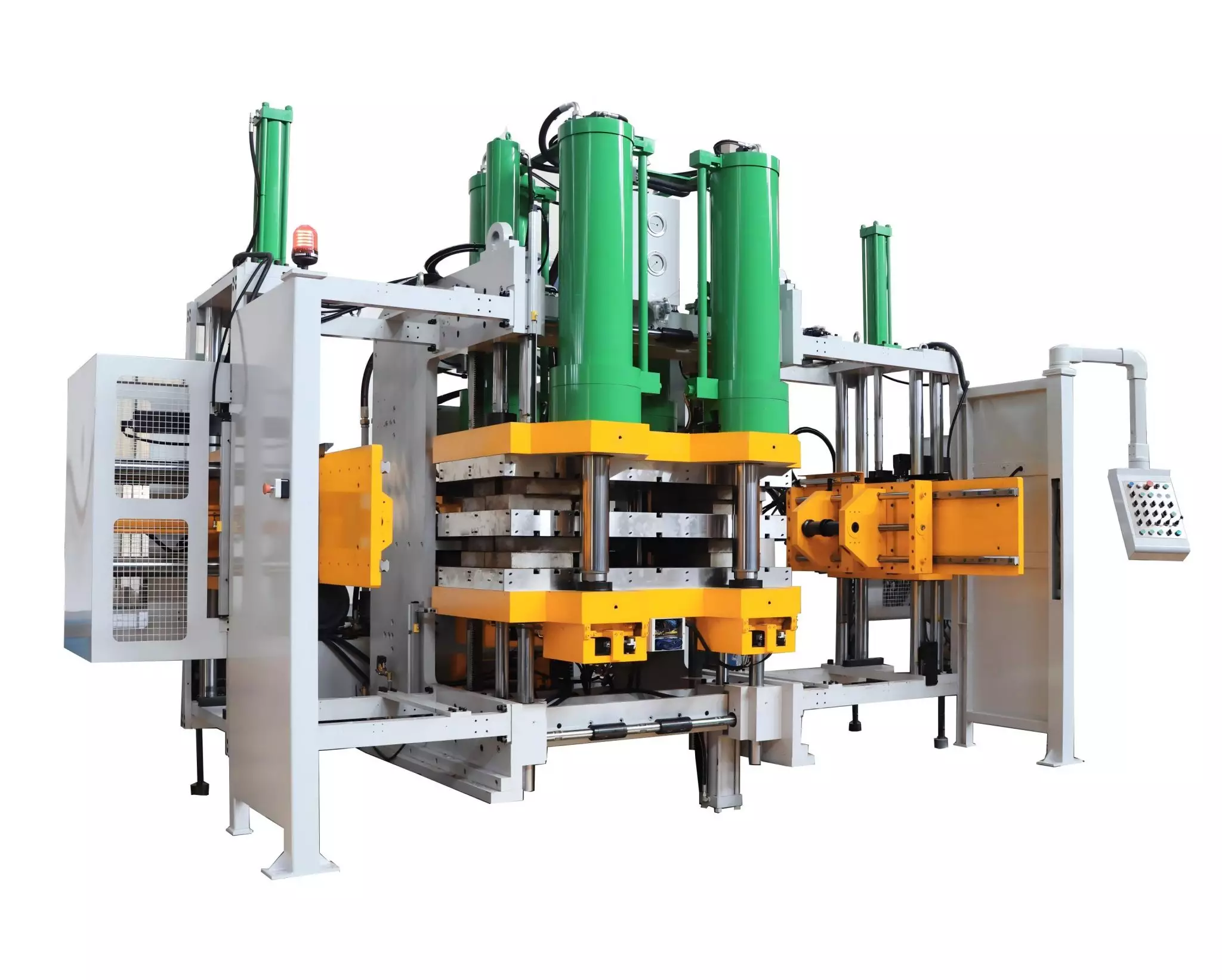
We often design production systems that connect multiple forming processes into a continuous workflow. An injection molding solution is typically evaluated within this broader system context, where temperature control, pressure stability, and cycle timing must remain consistent. In parallel, rubber molding solutions are considered when customers require flexible material shaping across different component geometries. Our engineering team works with manufacturers in automotive and electrical sectors to align equipment configuration with actual production needs. Rather than focusing on single machines, we emphasize system-level compatibility and operational stability across different manufacturing stages. HWAYI integrates practical manufacturing experience into each system delivered to industrial clients. We also adapt rubber molding solutions to evolving production requirements ensuring consistent system performance in factories.
Application Across Automotive and Electrical Industries
In automotive sealing and power transmission projects, equipment selection is closely linked to product geometry and material behavior. At this stage, an injection molding system is used to support precise forming requirements for components such as seals and connectors. rubber molding solutions are applied when production involves varied shapes and compound rubber materials across different industrial applications. HWAYI technical support team collaborates with clients to adjust process parameters and ensure equipment compatibility. We also provide guidance on system configuration based on production scale and material selection. Over time, injection molding solution practices have been refined to meet stricter industrial consistency requirements. This approach also complements rubber molding solutions in multi-material production environments. Within HWAYI system design philosophy, production reliability and process adaptability are prioritized to support long-term industrial operations across multiple sectors and application requirements without unnecessary complexity in use.
Conclusion: Defining a Modern Injection Molding Solution System
A injection molding system is defined by its ability to integrate process control, equipment coordination, and material adaptability within a stable production environment. It is not only about individual machine capability but also about how rubber molding solutions contribute to diversified manufacturing needs. HWAYI emphasizes practical engineering integration, ensuring that each system aligns with real industrial requirements without unnecessary complexity or disruption in workflow. Our approach remains focused on reliable system design for long-term production use. rubber molding solutions are also positioned to support flexible manufacturing environments in automotive and electrical industries. We continue to refine each injection molding machine based on customer feedback and evolving production requirements across global markets.