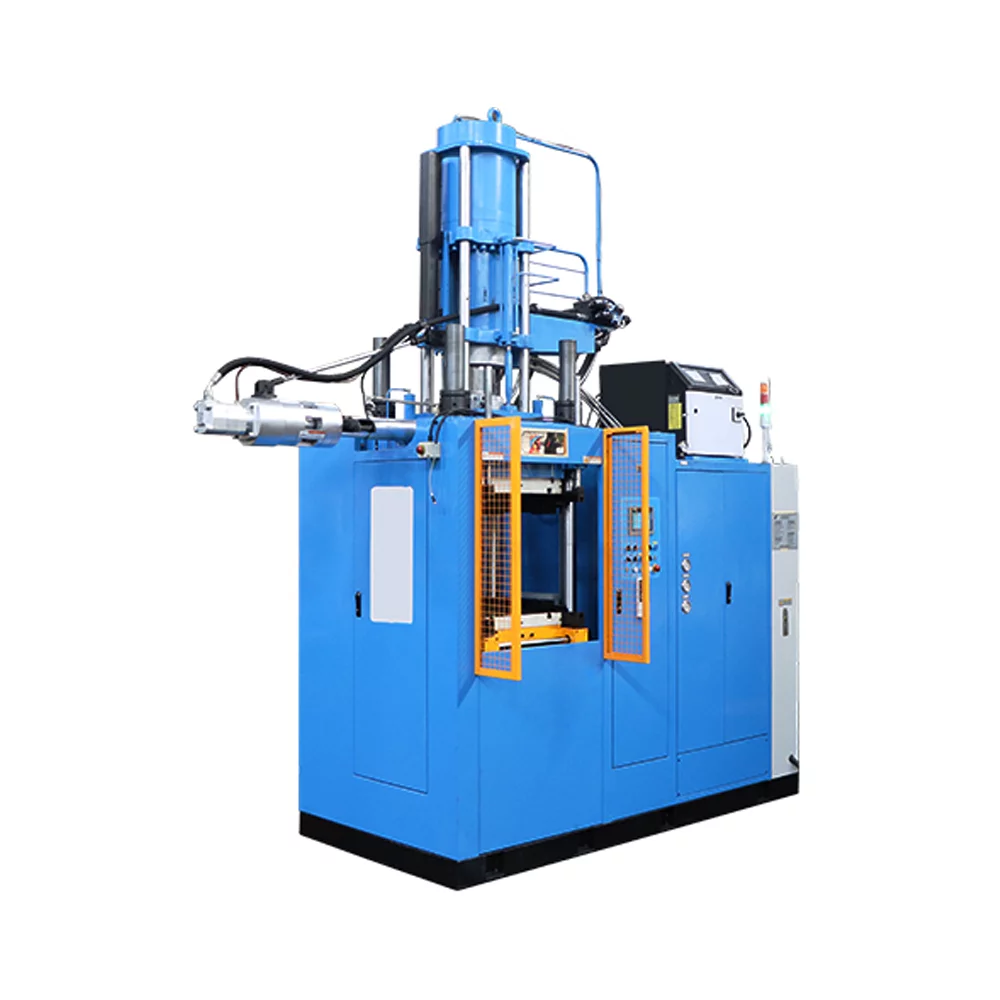
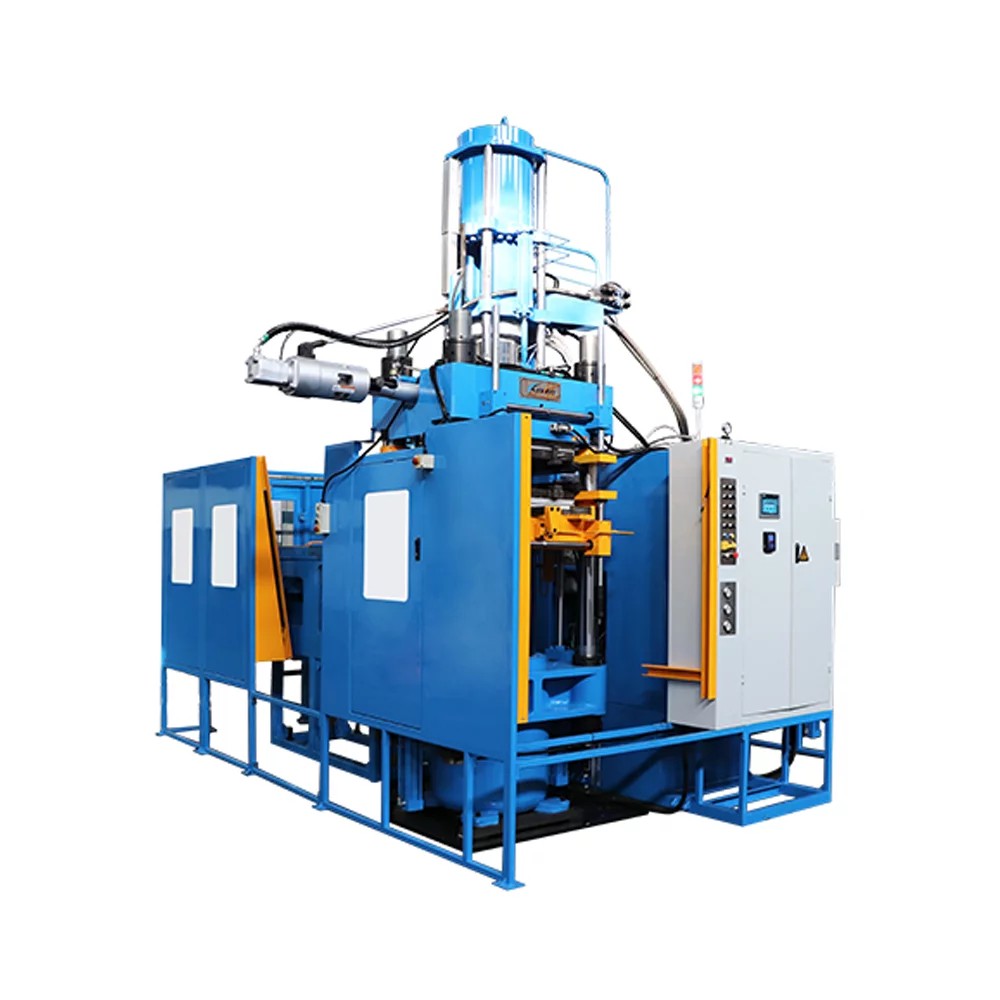
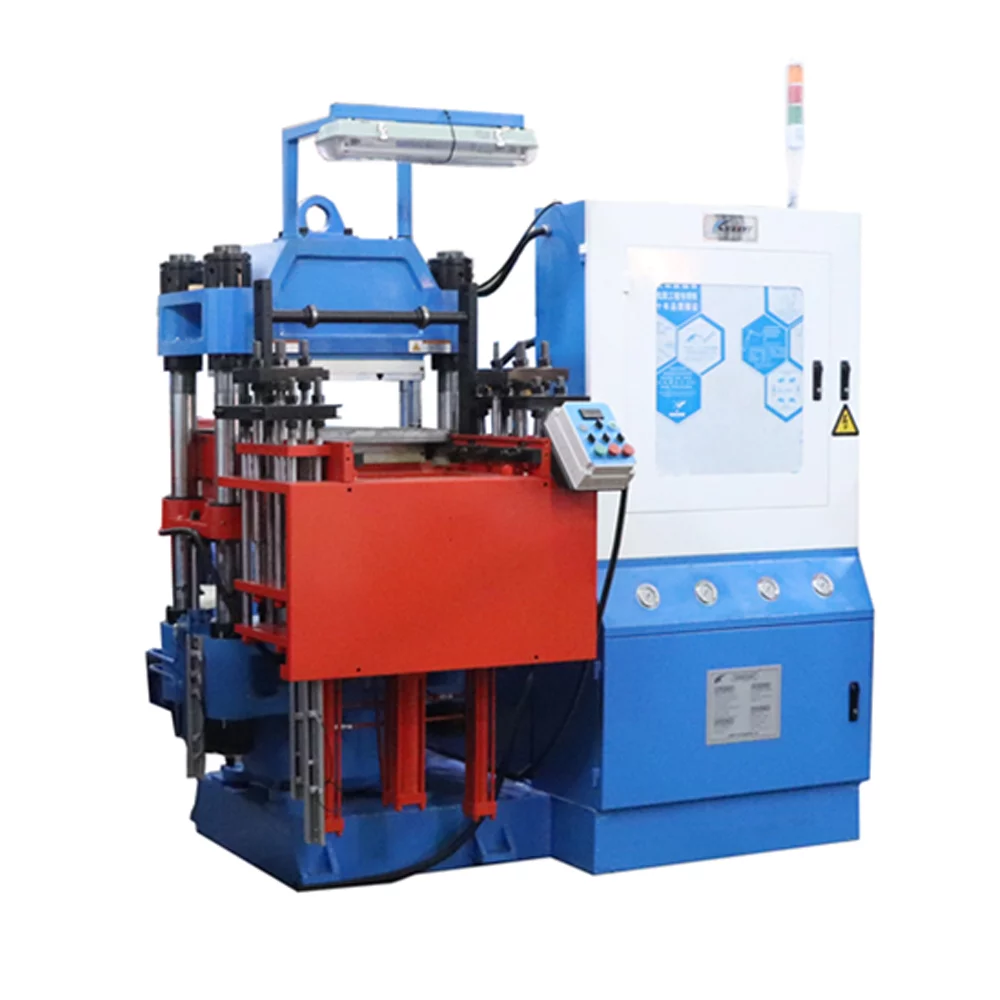
Maintaining strict regulatory alignment across heavy industrial molding operations requires deep technical oversight of mechanical safety, pressure dynamics, and thermal stability. Operating an automated rubber belt vulcanizing machine involves adhering to precise international engineering directives that govern structural integrity and electrical compliance. At HWAYI, our engineering team builds advanced vulcanization lines that assist global manufacturers in satisfying rigorous manufacturing benchmarks and environmental parameters.
Industrial compliance spans far beyond basic machine safety certificates, reaching directly into process repeatability and component traceability. When evaluating equipment sourced from a specialized rubber track vulcanizing press factory, engineering teams must verify that platen heating, hydraulic pressure control, and automated handling components consistently meet stringent regional operational norms.
Pressure Equipment Directives and Hydraulic Safety Standards
Heavy-duty hydraulic circuits operating under high hydraulic pressure must comply with rigorous international pressure vessel standards and structural safety margins. Hydraulic manifolds and clamping cylinders demand verified stress testing to prevent catastrophic fatigue failure under continuous cyclic loading.
Overpressure protection valves, dual-circuit emergency shutoffs, and certified pressure relief mechanisms form the primary safety layer in industrial hydraulic presses. Regular calibration of pressure transducers ensures that operational tonnage remains within safe legal boundaries while maintaining necessary compression forces.
Electrical Code Compliance and Control System Integration
Power distribution units and control panels within heavy machinery must conform to strict electrical safety frameworks such as International Electrotechnical Commission (IEC) and Underwriters Laboratories (UL) standards. Wiring layouts require proper insulation class ratings, dedicated grounding pathways, and isolated low-voltage control loops to guard operators against electrical hazards.
Modern programmable logic controllers monitor real-time electrical loads, thermal limits, and sensor feedback loops to prevent short-circuiting or component overheating. Standardized enclosure ratings safeguard delicate electronic components from airborne rubber dust, moisture, and ambient temperature swings.
Uniform Thermal Distribution and Temperature Calibration Metrics
Regulatory compliance in elastomer processing heavily depends on achieving consistent cross-linking density throughout the cured composite matrix. Thermal management systems must maintain tight temperature uniformity across every platen zone to satisfy International Organization for Standardization (ISO) quality standards for structural elastomeric components.
Uneven temperature distribution creates variable cross-linking rates, producing localized mechanical weaknesses that fail field durability tests. Multi-zone steam or electric heating circuits, coupled with calibrated thermal sensors, allow operators to document and verify thermal consistency across every production run.
Precision Tension Controls for Integrated Steel Core Winding
Heavy-duty composite tracks utilize internal steel core cables that demand precise mechanical tension during the molding process. Automated production lines integrate specialized winding and preforming machinery to maintain constant cable spacing and continuous structural alignment.
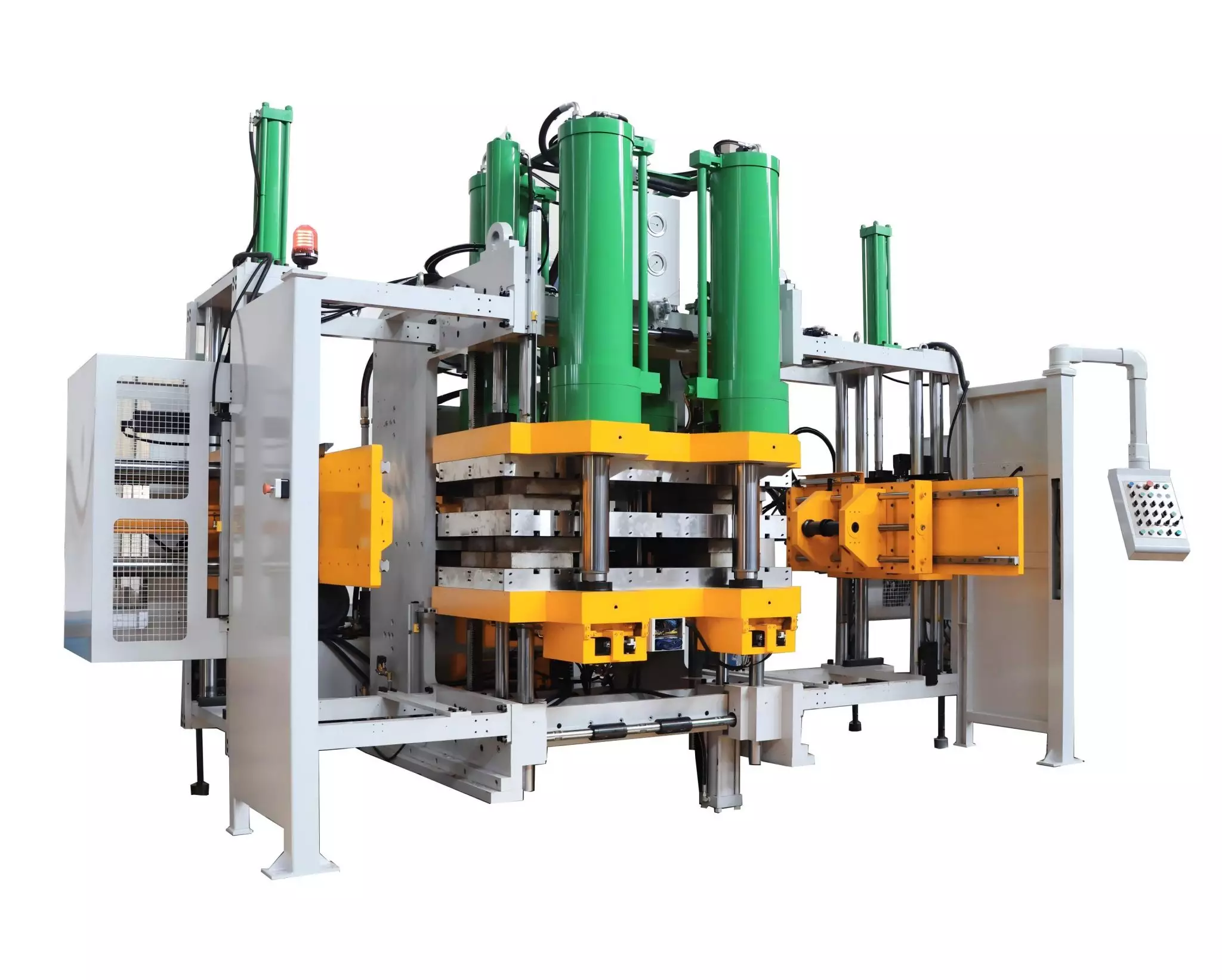
Our continuous processing line brings together an iron core winding machine, a rubber tracks preforming machine, an automatic trail car, and a rubber track vulcanizing press factory as the central production unit. Maintaining precise cable tension limits dimensional variations across finished track segments, keeping manufacturing tolerances well within global agricultural and industrial machinery specifications.
Automated Material Handling and Operator Safety Protocols
Transitioning from manual loading systems to automated transfer mechanisms minimizes physical hazard exposure for shop-floor personnel. Heavy rubber track segments and steel cores present significant ergonomic and mechanical risks during manual repositioning between hot platens.
Deploying an automatic trail car to transfer semi-finished sections between molding stations eliminates manual lifting hazards while accelerating cycle resets. Integrated safety light curtains, interlocking physical guards, and perimeter sensors halt mechanical movements immediately if an operator enters the active working zone.
Operational Standards in Automated Track Belt Processing Systems
Continuous track production demands precise synchronization between preforming, clamping, and trail car positioning modules. Our systems utilize robust hydraulic power units to maintain stable clamping forces throughout extended curing cycles.
Automated pressure compensation mechanisms prevent pressure drops as the elastomer softens and flows into intricate mold cavities. Integrating closed-loop hydraulic monitoring allows physical dimensions and core bonding meet strict technical specifications without manual intervention.
Environmental Regulations and Energy Efficiency Benchmarks
Industrial processing facilities face increasing scrutiny regarding electrical energy consumption and environmental heat dissipation. Traditional fixed-displacement hydraulic pumps generate significant excess heat and draw continuous power, conflicting with modern corporate energy mandates.
Variable-frequency servo-hydraulic systems adjust motor speeds dynamically based on active operational phases, dramatically cutting idle power consumption. Reduced thermal radiation into the factory floor lowers ambient cooling requirements, helping facilities achieve ISO 14001 environmental management targets.
Data Traceability and Quality Assurance Documentation
Modern industrial compliance frameworks demand full digital documentation of operational parameters for every manufactured batch. Digital control systems record platen temperatures, injection times, hydraulic pressure curves, and cycle durations into centralized databases.
Traceable production records simplify root-cause analysis during quality audits and provide verifiable proof of compliance for end-use clients. Storing real-time data logs supports predictive maintenance strategies, allowing engineering teams to address component wear before parameter drift causes non-compliant parts.
Conclusion
Satisfying international regulatory standards in heavy rubber processing relies on robust machine architecture, precise thermal management, and modern automation safety. At HWAYI, we remain dedicated to engineering high-precision vulcanization systems that enable industrial manufacturers to maintain strict compliance, optimize operational safety, and achieve consistent material performance.