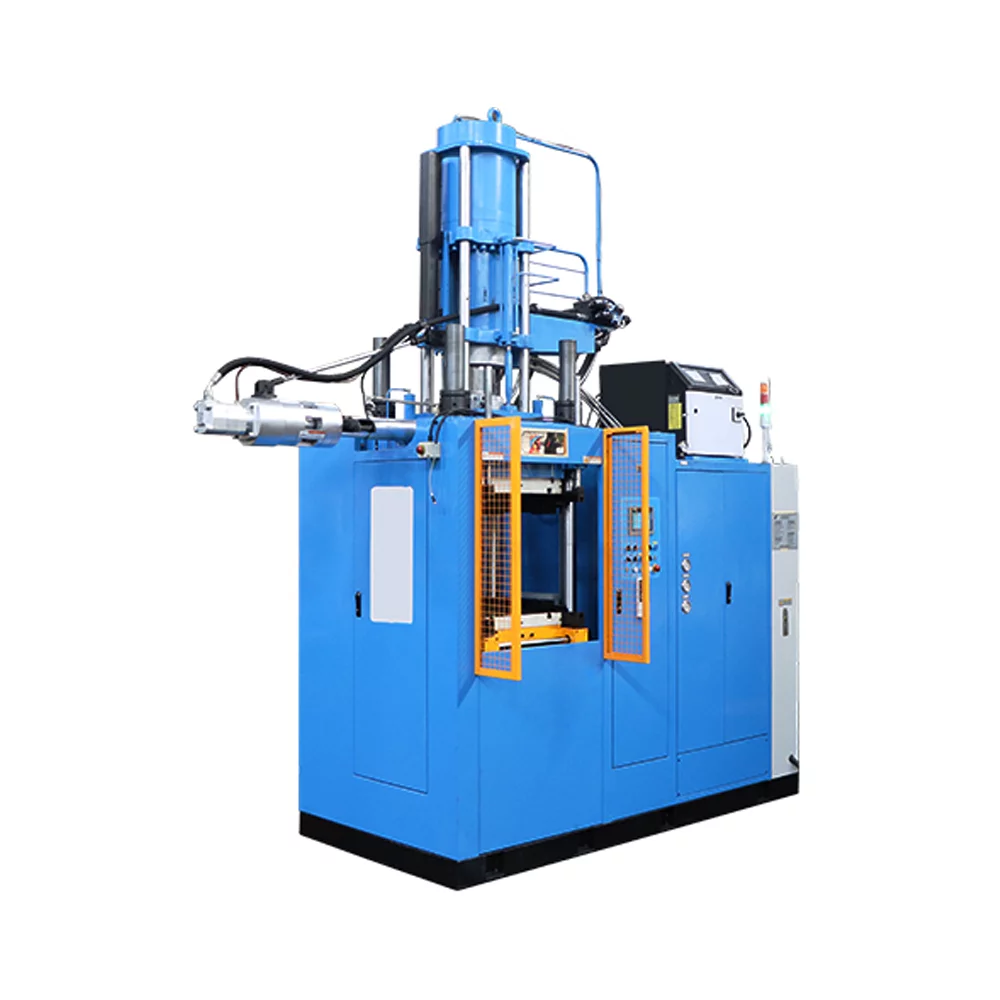
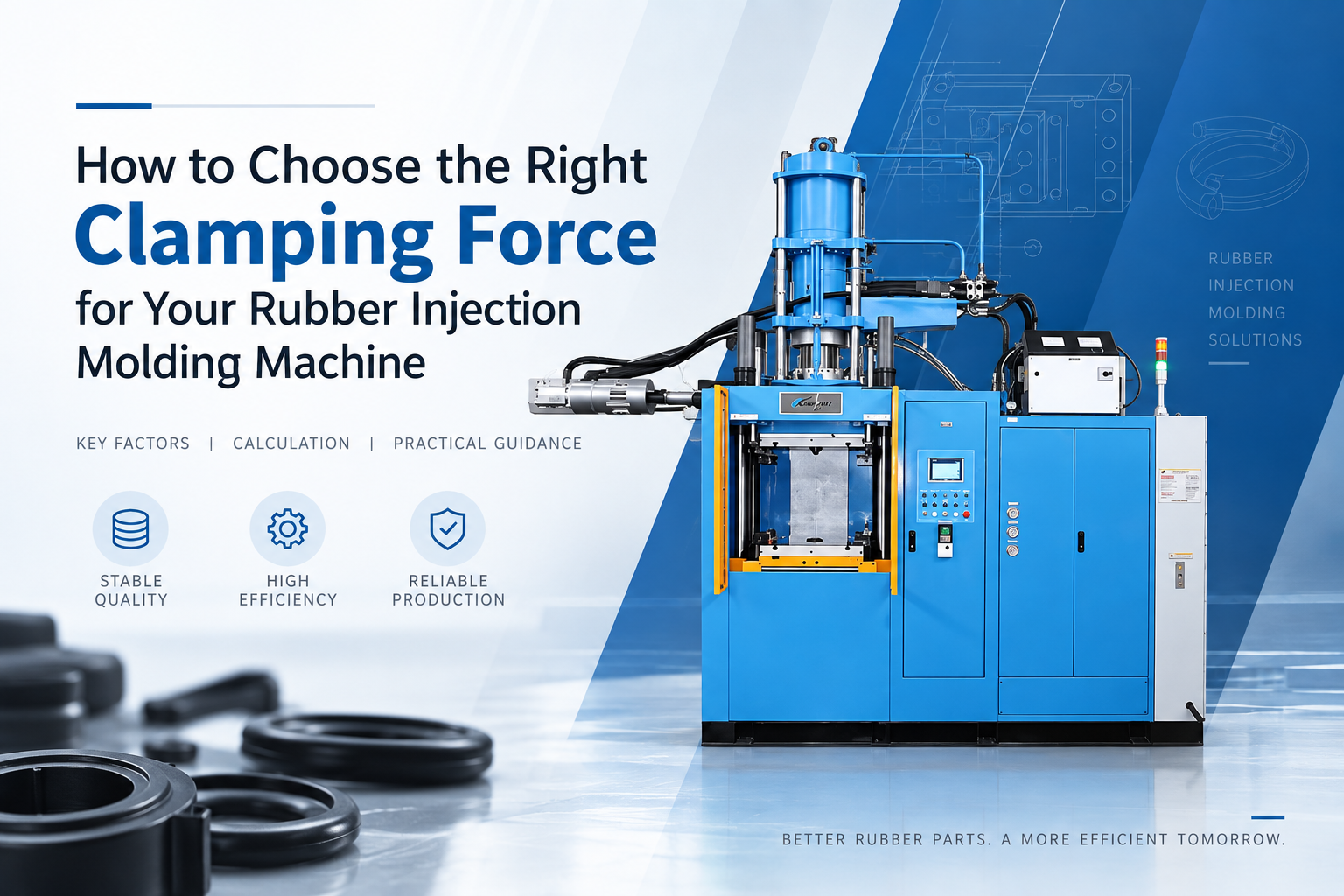
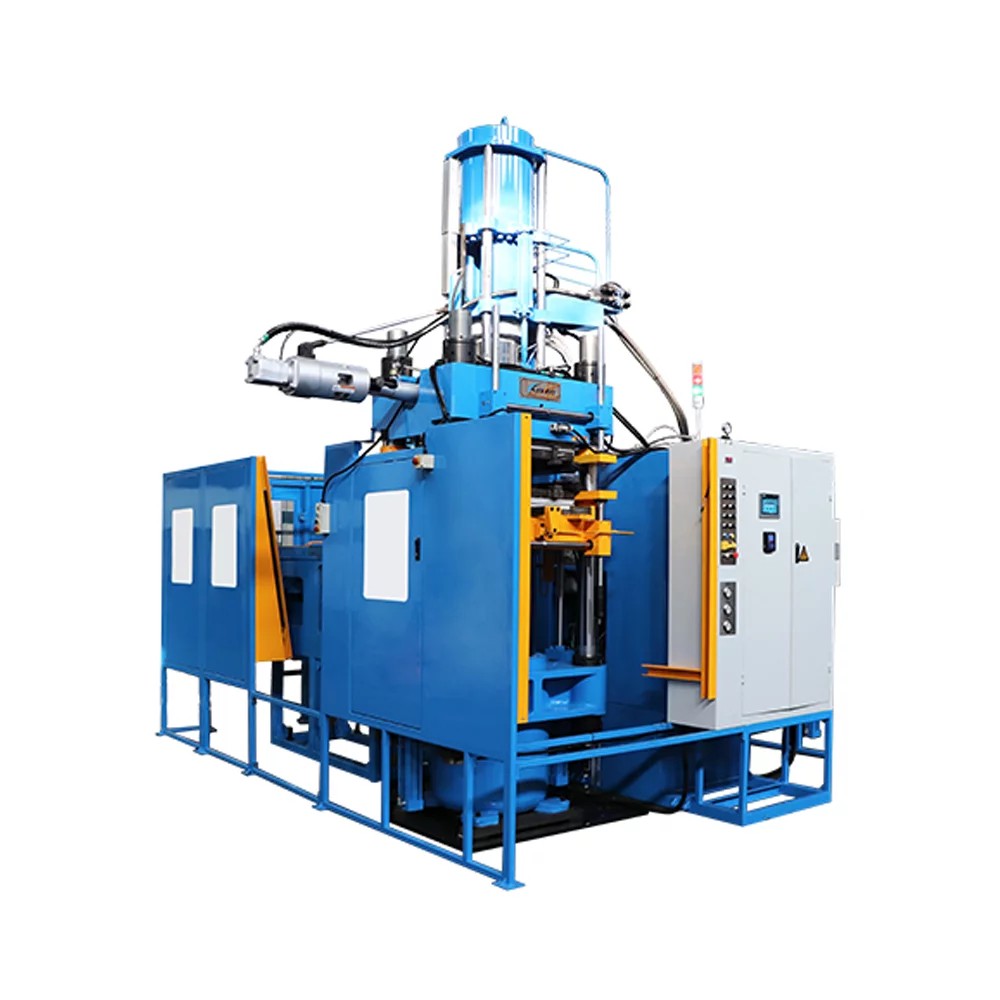
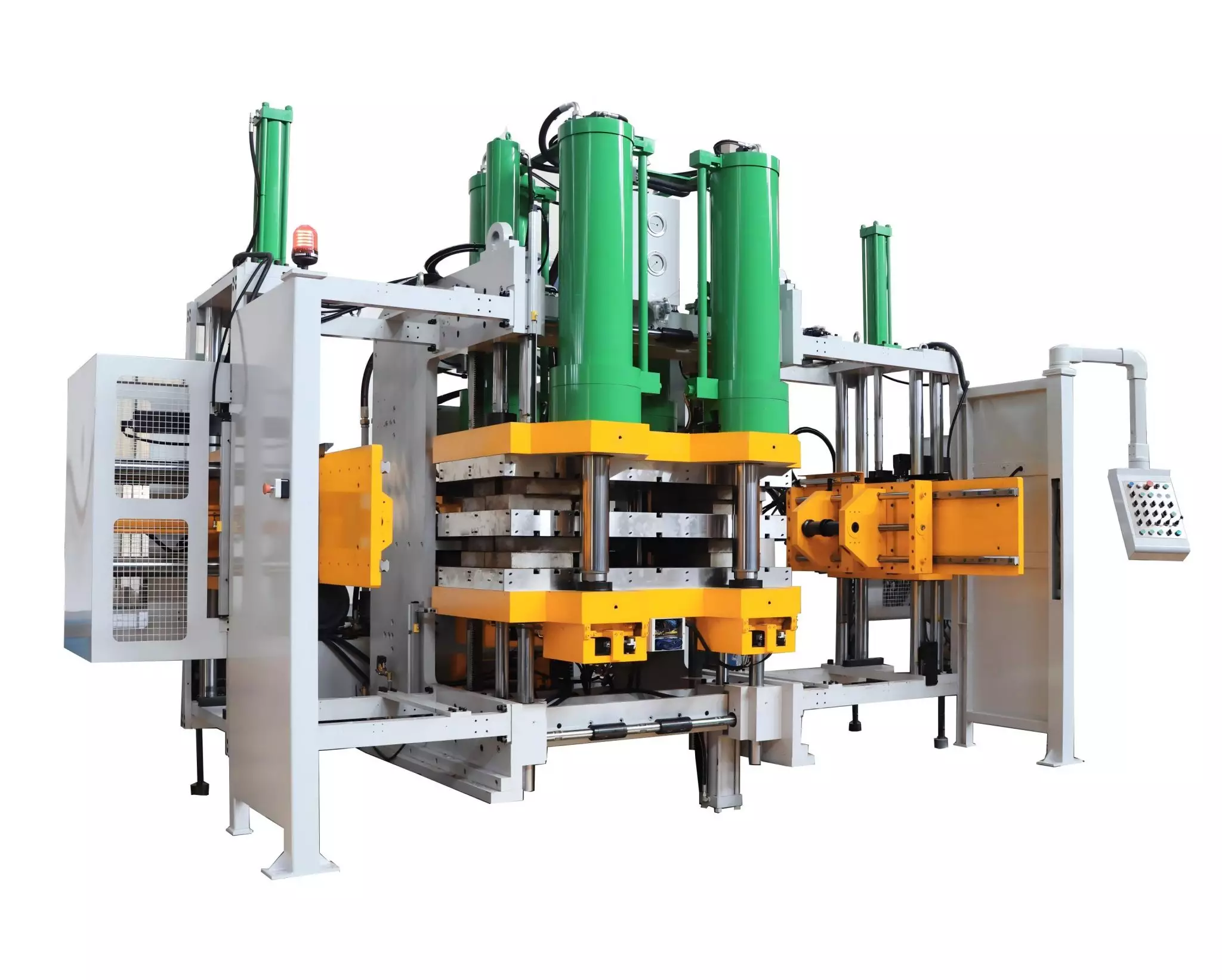
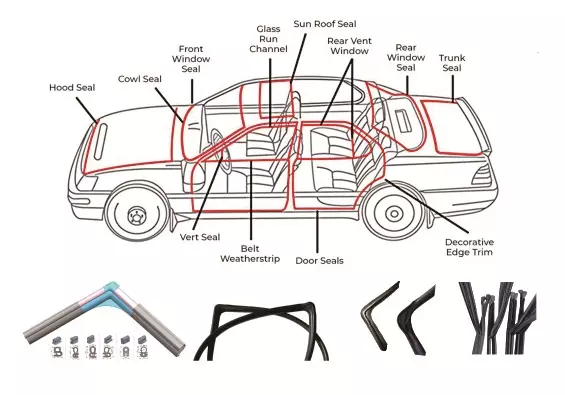
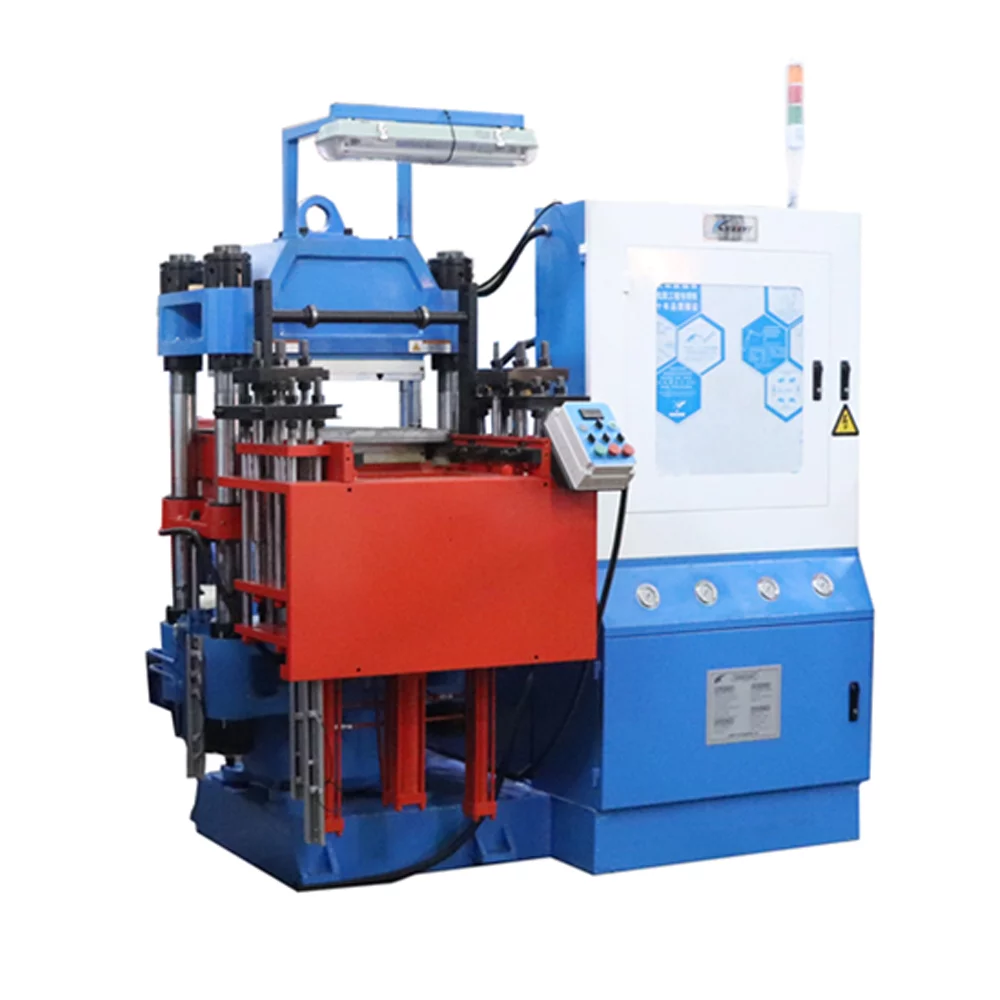
In modern manufacturing, improving production efficiency is closely tied to process stability and equipment reliability. At HWAYI, we often see that optimizing the use of a rubber vulcanizing machine can directly influence output consistency and cycle time. Instead of focusing only on speed, factories benefit more from balancing material flow, curing conditions, and equipment coordination. This approach helps reduce downtime and supports steady production across different rubber applications.
Optimizing Equipment Configuration and Process Stability
One of the key ways to improve efficiency is to ensure that each rubber vulcanizing machine operates under stable and repeatable conditions. We design our HWAYI systems to support consistent pressure and temperature control, which are critical factors in the vulcanization process. A well-configured rubber vulcanizer allows manufacturers to minimize defects such as uneven curing or material waste. In practice, proper mold matching, heating system calibration, and automation integration all contribute to smoother production flow. When equipment and process parameters are aligned, factories can maintain stable output without unnecessary interruptions.
Enhancing Production Flexibility Through Integrated Solutions
Efficiency is not only about speed but also about adaptability. In many projects, we have found that combining a rubber vulcanizing machine with complementary systems improves overall workflow. At HWAYI, we provide integrated solutions that connect different forming technologies, including transfer molding processes, to support diverse product requirements. A flexible rubber vulcanizer setup allows manufacturers to switch between product types such as seals, O-rings, or electrical components without extensive downtime. This level of flexibility helps factories respond to varying production demands while maintaining consistent efficiency.
Strengthening Technical Support and Maintenance Practices
Another important factor in improving efficiency is long-term operational support. A rubber vulcanizing machine requires regular maintenance and technical adjustment to sustain performance over time. At HWAYI, our engineering and service teams assist customers in optimizing their rubber vulcanizer usage through training and ongoing support. Preventive maintenance, timely component replacement, and process fine-tuning all contribute to reducing unexpected downtime. By maintaining equipment in stable condition, factories can ensure continuous production and avoid disruptions that affect delivery schedules.
Conclusion: Building Sustainable Efficiency in Vulcanization
Improving rubber vulcanization efficiency involves a combination of equipment performance, process control, and operational support. With carefully designed systems like those from HWAYI, manufacturers can make better use of each rubber vulcanizer in their production line. By focusing on stability, flexibility, and maintenance, factories can achieve consistent results while adapting to evolving industrial needs. This balanced approach helps build a more reliable and efficient vulcanization process over time.