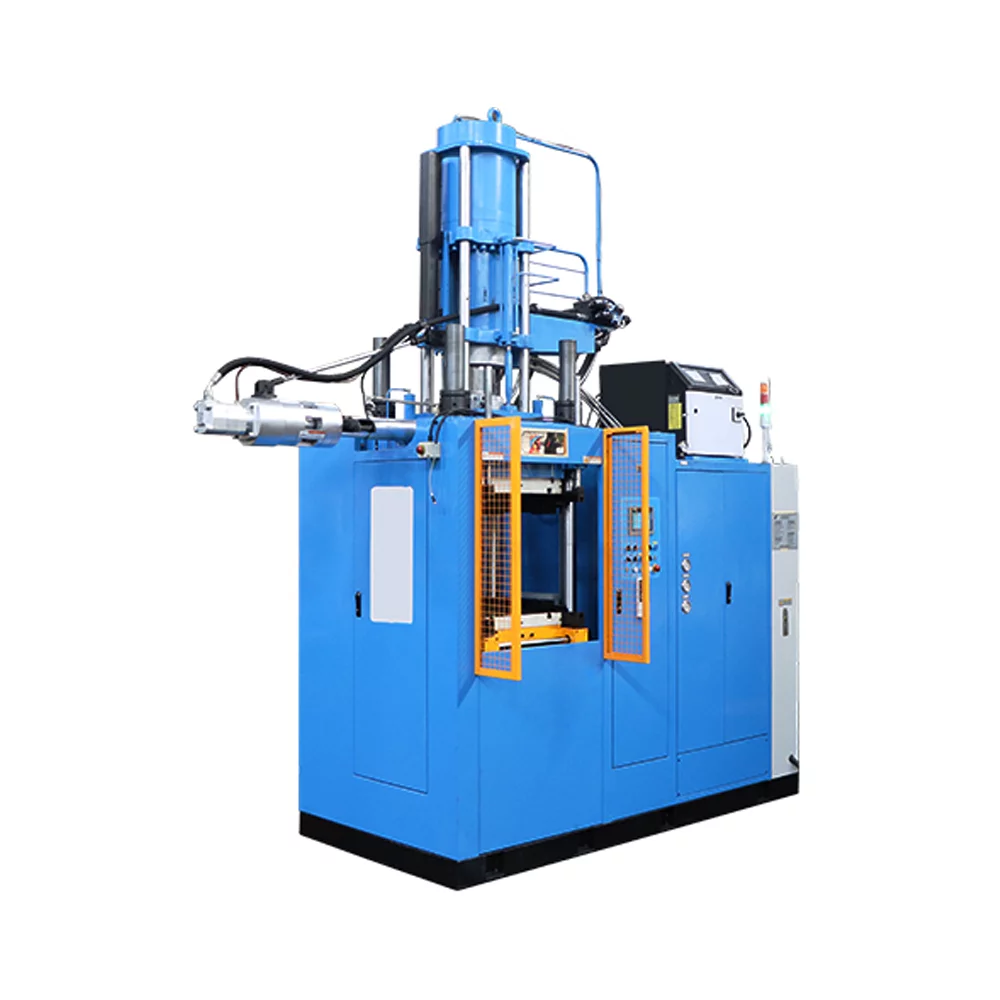
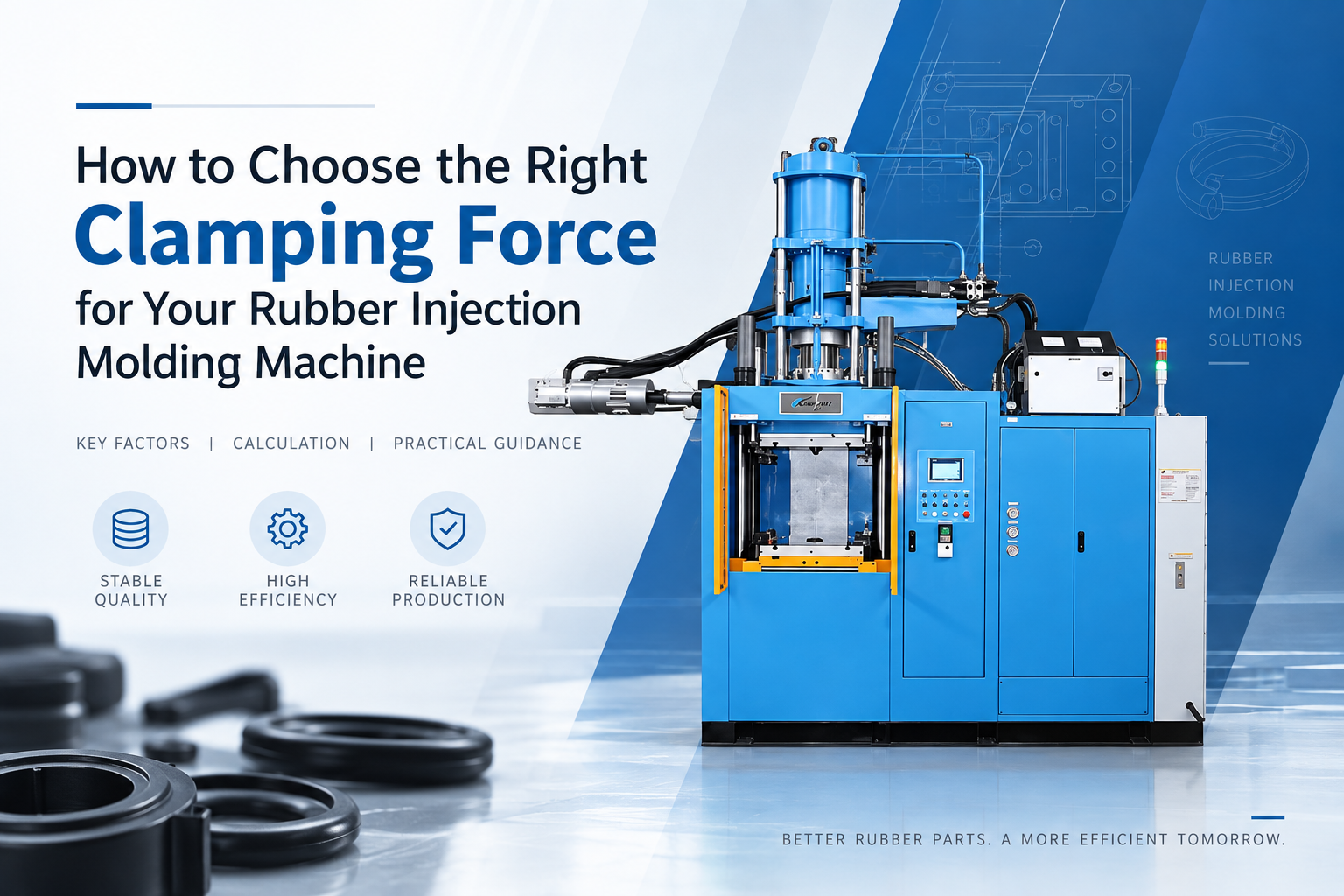
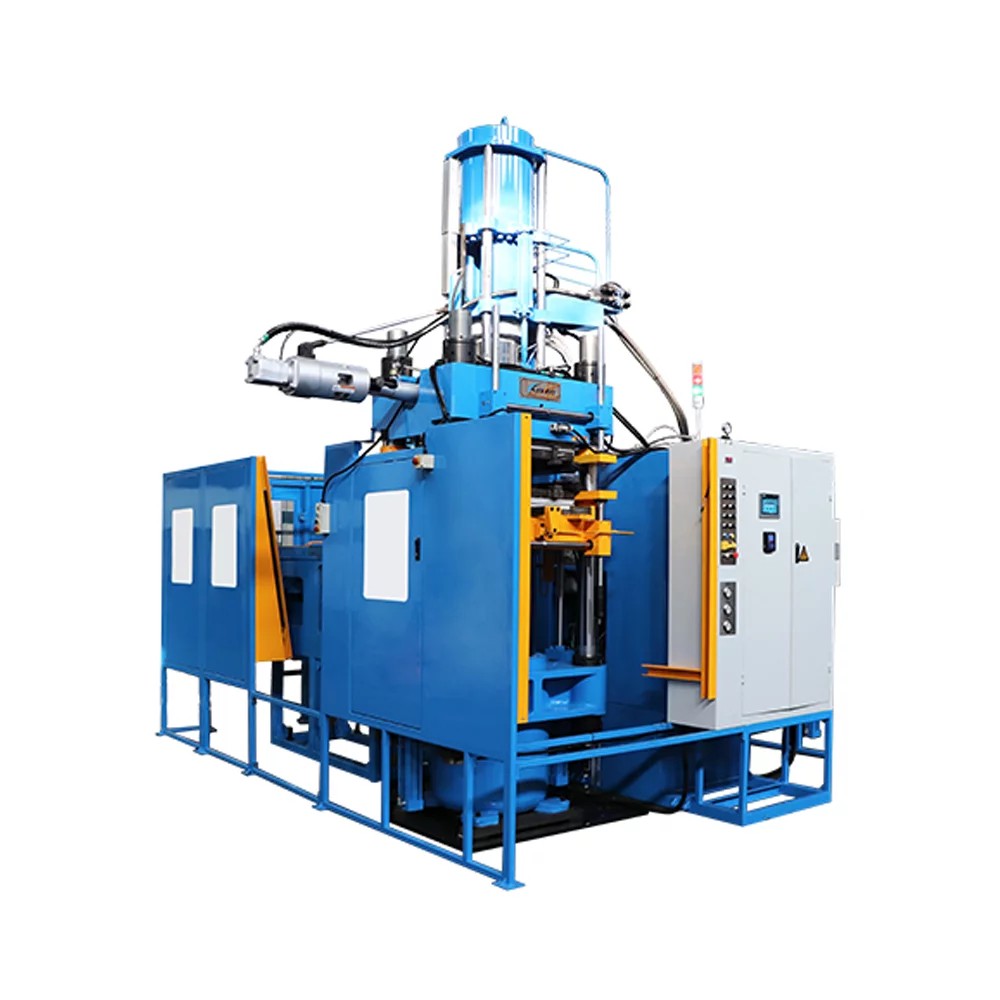
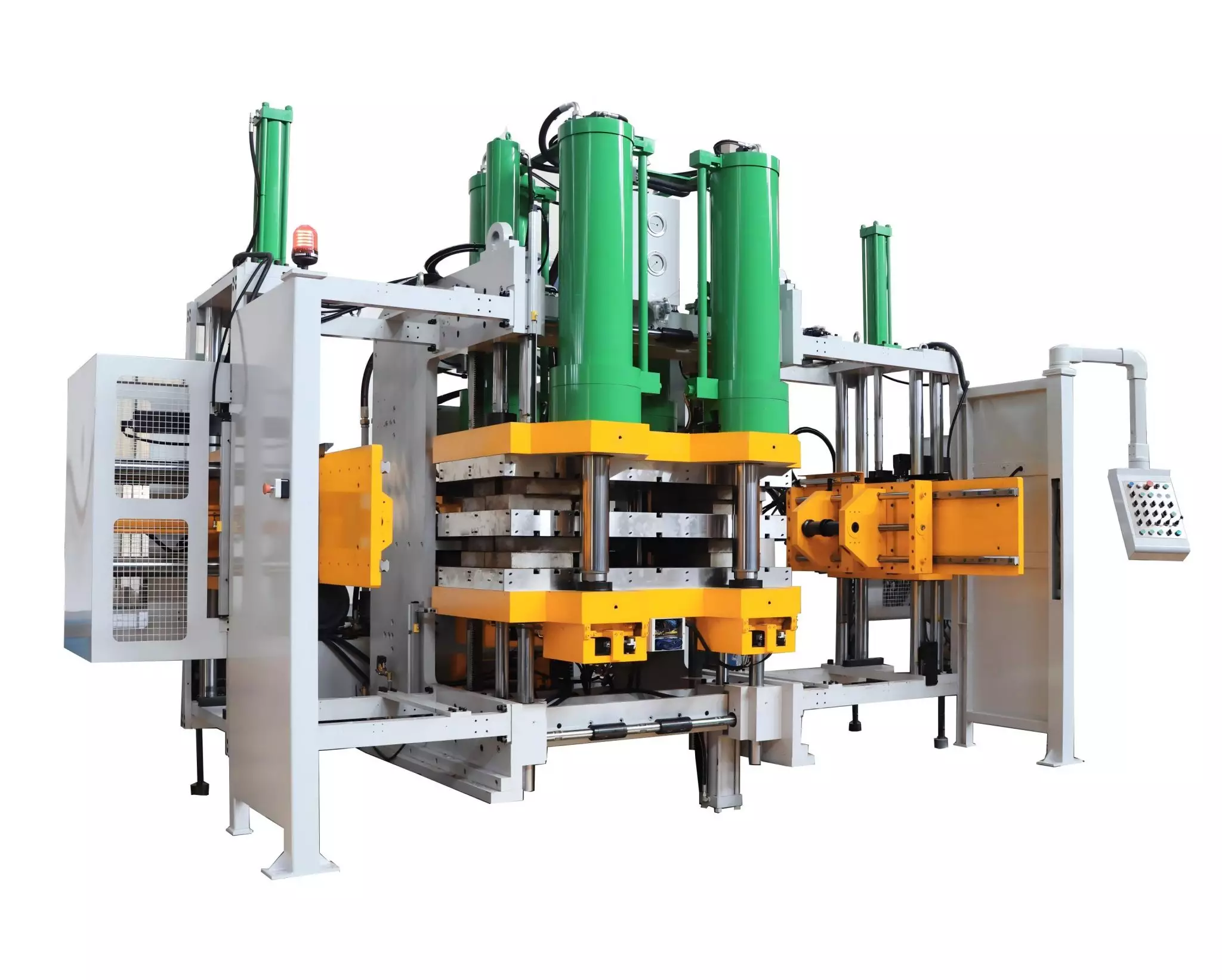
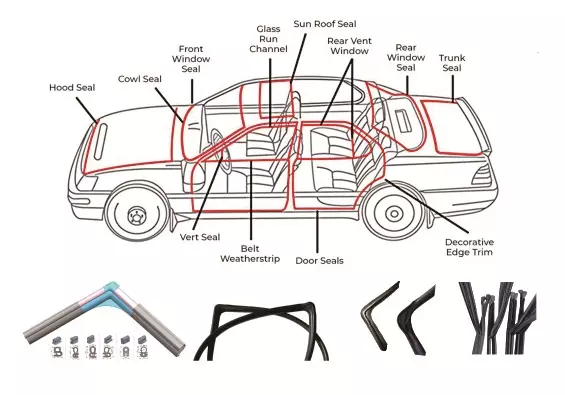
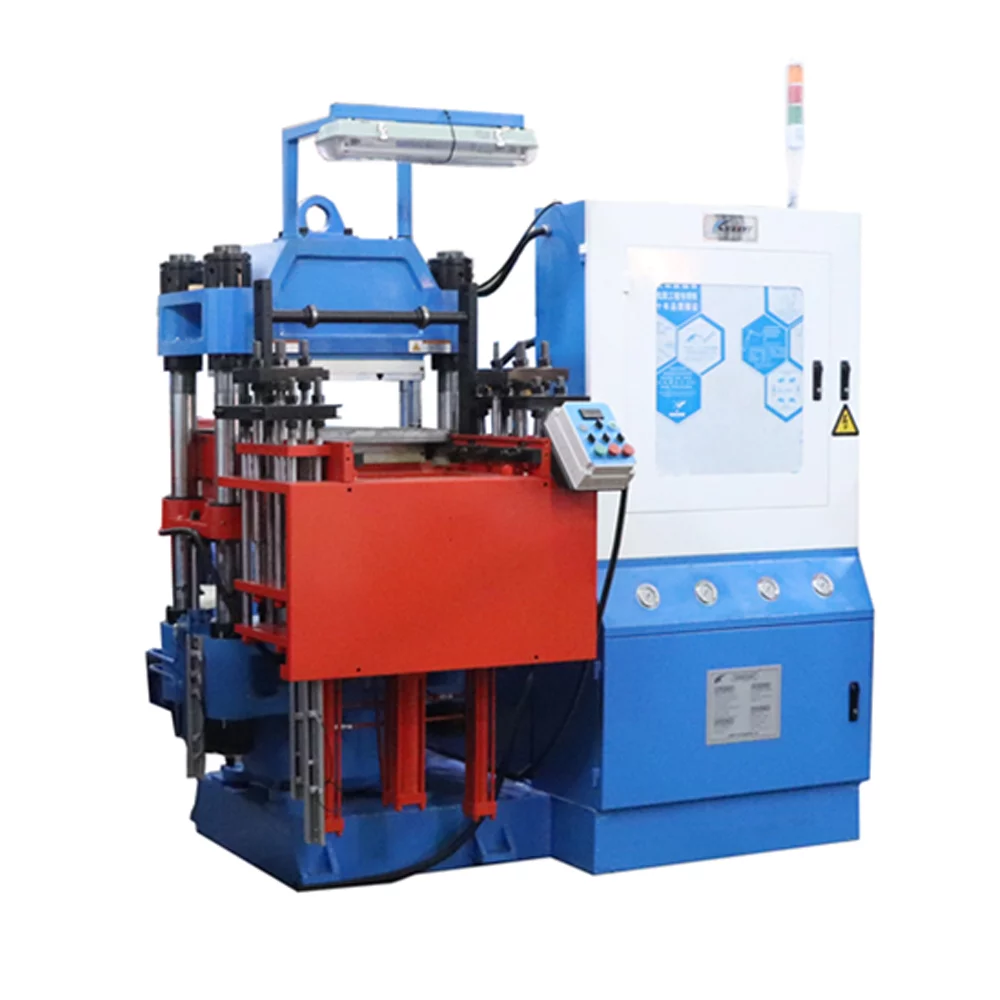
As production requirements become more complex, manufacturers are looking for ways to improve efficiency, product consistency, and cost control. Traditional production setups often rely on separate machines and manual operations, which can increase cycle times and create quality variations. This is why integrated rubber molding solutions are gaining attention across industries such as automotive, power transmission, transportation, and industrial equipment.
An integrated system combines molding equipment, automation technology, material handling, process monitoring, and quality control into a unified production workflow. This approach helps manufacturers streamline operations while maintaining stable product quality. At HWAYI, we provide comprehensive injection molding automation solutions designed to support these production goals across a wide range of rubber molding applications.
Improved Production Efficiency
One of the most significant benefits of integrated injection molding systems is higher production efficiency. When automation is incorporated into material feeding, injection control, mold operation, and part handling, manufacturers can reduce manual intervention and shorten cycle times.
Automated production lines also help maintain continuous operation. Instead of relying on operators to perform repetitive tasks, the system can execute processes with consistent timing and precision. This allows manufacturers to increase output while reducing labor requirements.
For high-volume production environments, these efficiency gains can have a direct impact on operating costs and delivery performance. Modern automated molding systems are particularly valuable when producing large quantities of rubber components with tight production schedules.
Better Product Consistency and Quality
Consistency is a major concern for manufacturers producing critical rubber components. Variations in injection pressure, temperature, or curing conditions can lead to defects and increased scrap rates.
Integrated rubber molding solutions help address these challenges through precise process control. Automated monitoring systems continuously regulate key production parameters, helping maintain stable molding conditions throughout the manufacturing cycle.
By reducing human error and maintaining repeatable processing conditions, manufacturers can achieve more consistent dimensions, material properties, and product performance. This is particularly important for industries that require strict quality standards, such as automotive sealing systems, electrical insulation products, and industrial rubber components.
Greater Flexibility for Different Applications
Manufacturers often need to produce multiple product types while maintaining efficiency. Integrated injection molding automation solutions provide the flexibility required to adapt to changing production demands.
Advanced control systems allow operators to store and switch between production parameters for different products. This reduces setup time and helps manufacturers respond more quickly to customer requirements.
At HWAYI, we design systems that support a variety of applications, from automotive rubber parts and sealing components to power industry products and transportation-related rubber manufacturing. This flexibility allows manufacturers to maximize equipment utilization while maintaining reliable production performance.
Conclusion
Integrated injection molding systems offer clear advantages for modern manufacturers. Through improved efficiency, enhanced quality control, reduced manual operations, and greater production flexibility, these solutions help companies optimize their manufacturing processes. By combining advanced rubber molding solutions, we at HWAYI support manufacturers seeking stable, efficient, and scalable production capabilities for long-term growth.