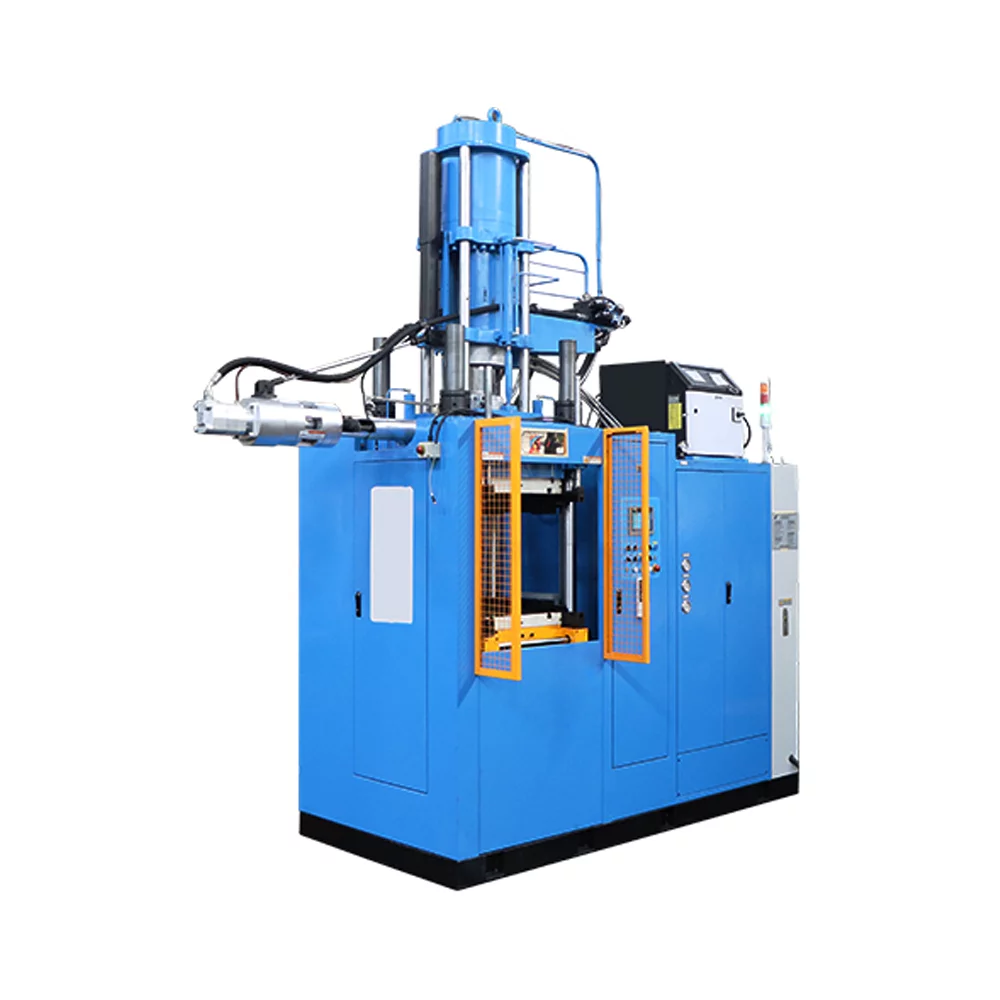
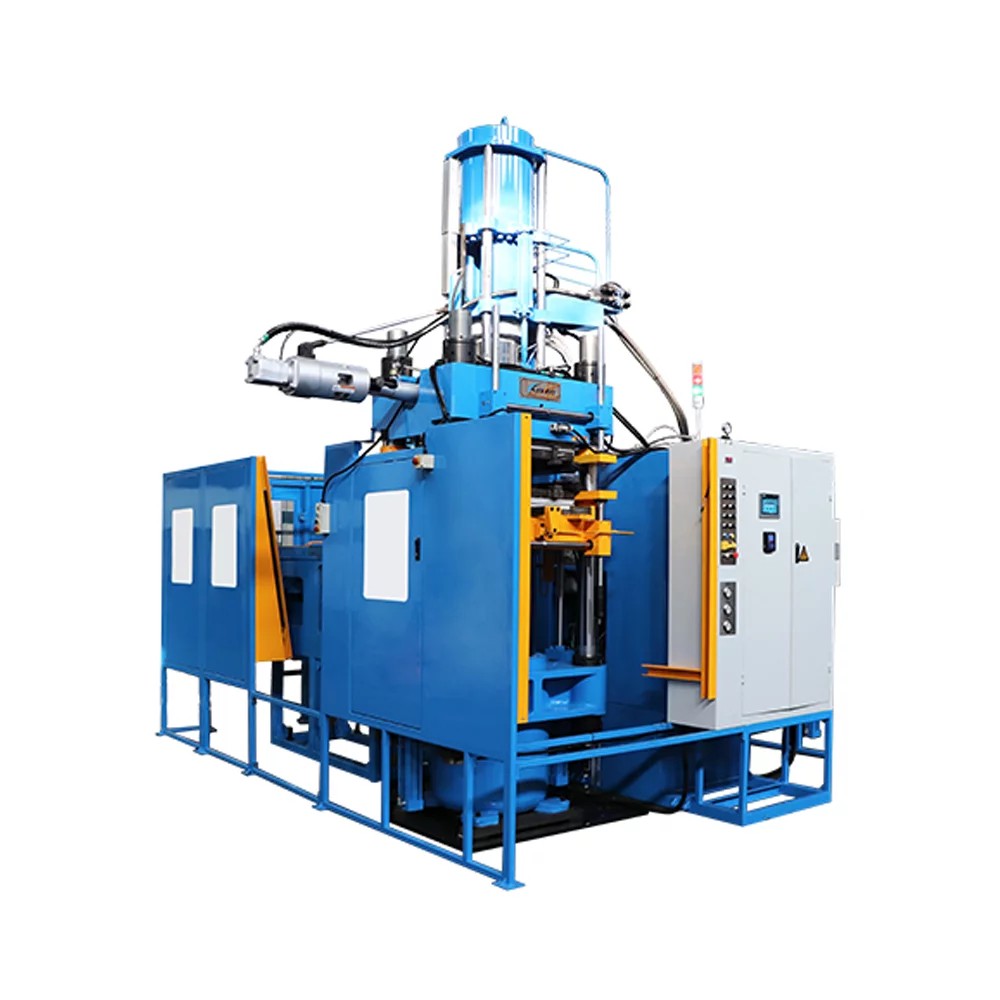
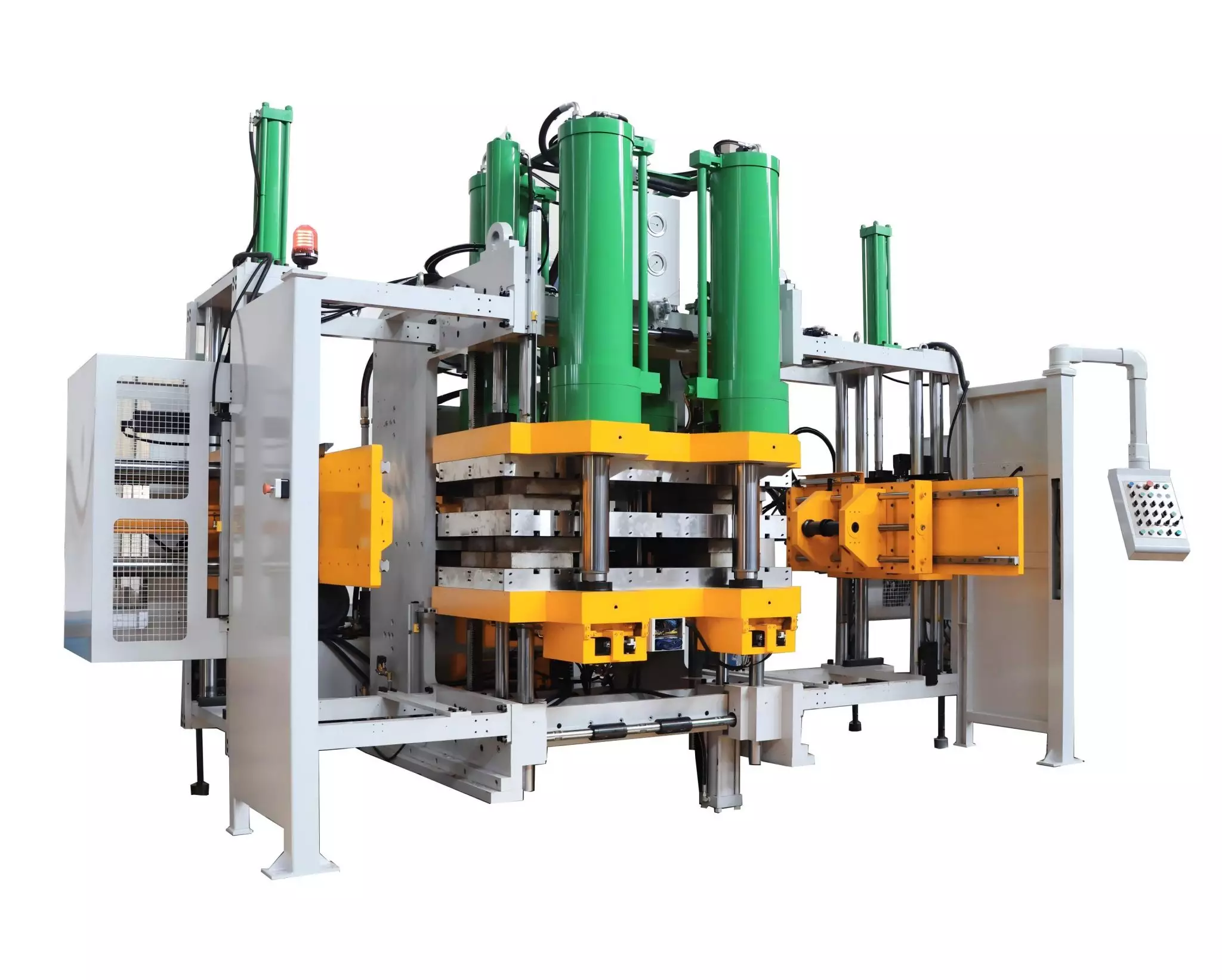
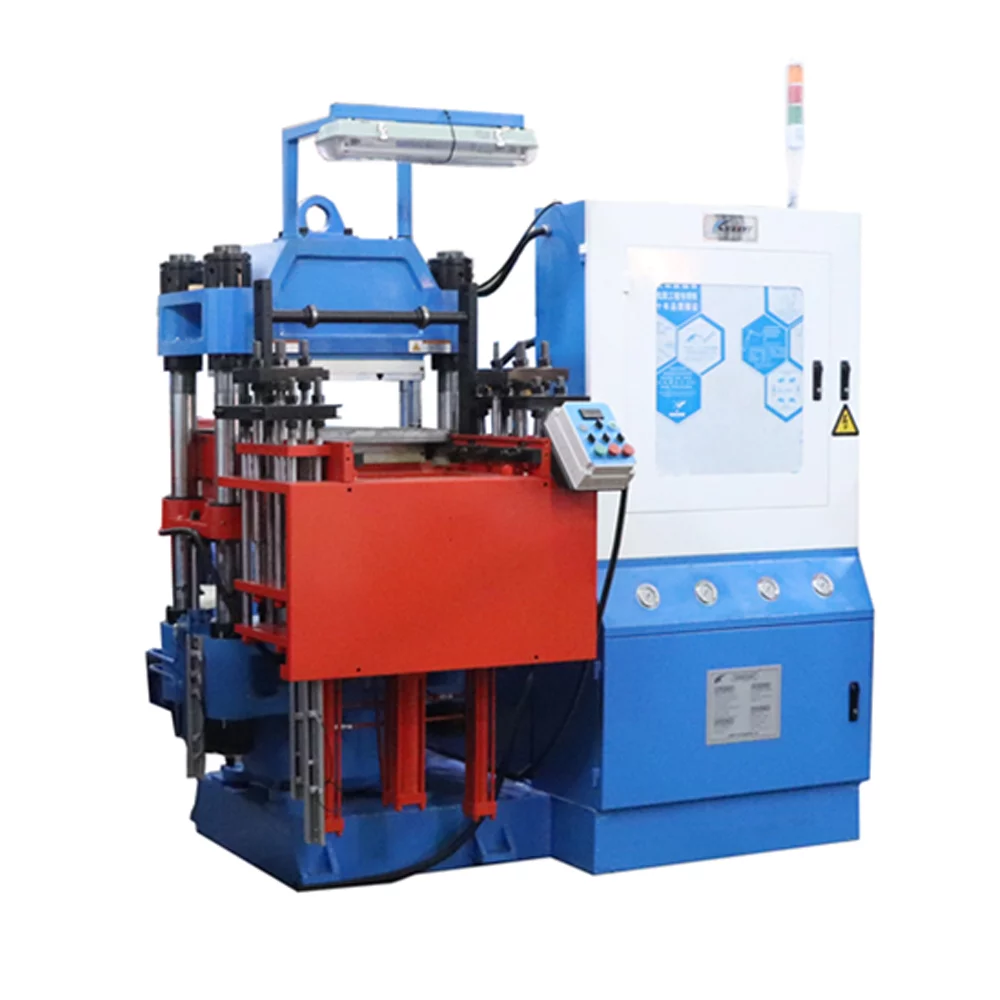
A vertical rubber injection molding machine is a significant investment for manufacturers seeking consistent product quality and efficient production. However, long-term machine stability depends not only on design and performance but also on proper maintenance practices. Regular inspections and preventive maintenance help reduce unexpected downtime, extend equipment life, and maintain production accuracy. At HWAYI, we understand that effective maintenance is essential for maximizing the value of any vertical injection molding system.
Maintaining the Hydraulic System
The hydraulic system is one of the most important components of a vertical rubber injection molding machine. Stable hydraulic pressure directly affects clamping force, injection performance, and cycle consistency.
Operators should regularly monitor hydraulic oil levels, oil cleanliness, and operating temperatures. Contaminated or degraded oil can increase component wear and reduce system efficiency. Hydraulic filters should be inspected and replaced according to maintenance schedules to prevent impurities from circulating through pumps and valves. Industry maintenance guidelines also recommend maintaining proper oil temperature to protect seals and ensure stable machine performance.
Lubricating Moving Components
Proper lubrication is essential for reducing friction and minimizing wear on mechanical parts. Components such as guide columns, sliding mechanisms, clamping units, and moving platens require regular lubrication to maintain smooth operation.
In a vertical injection molding environment, inadequate lubrication can lead to increased resistance, component wear, and reduced positioning accuracy. Routine inspection of lubrication points and timely replacement of lubricants help maintain machine precision and operational stability over extended production periods.
Monitoring Temperature Control Systems
Temperature consistency plays a major role in molding quality and equipment reliability. Heating elements, thermocouples, and temperature control units should be inspected regularly to ensure accurate operation.
The HWAYI HYZ-E Series features independent temperature detection and control systems integrated with PLC monitoring, helping maintain stable processing conditions. Regular calibration and inspection of heating components can prevent temperature fluctuations that may affect product quality and machine performance.
Inspecting Clamping and Injection Units
The clamping and injection systems experience continuous mechanical stress during production. Regular inspections help identify wear before it develops into larger problems.
Manufacturers should verify platen parallelism, inspect guide columns, check cylinder performance, and monitor injection unit movement. Any abnormal vibration, noise, or inconsistent operation should be investigated promptly. Preventive inspections help maintain the stability and accuracy required for long production runs.
Maintaining Electrical and Control Systems
Modern vertical rubber injection molding machine equipment relies heavily on PLC controls, sensors, and electrical components. Loose wiring, damaged connectors, or inaccurate sensors can affect machine performance and process consistency.
Routine inspections of electrical cabinets, control panels, safety circuits, and sensors help ensure reliable operation. Monitoring system alarms and machine data can also support predictive maintenance by identifying potential issues before they cause production interruptions.
Conclusion
Long-term stability in vertical injection molding systems is achieved through a comprehensive maintenance strategy. Regular hydraulic system care, proper lubrication, accurate temperature control, mechanical inspections, and electrical system maintenance all contribute to reliable machine performance. At HWAYI, we design our vertical rubber injection molding machine solutions for durability and easy maintenance, helping manufacturers achieve stable production, consistent product quality, and extended equipment service life.