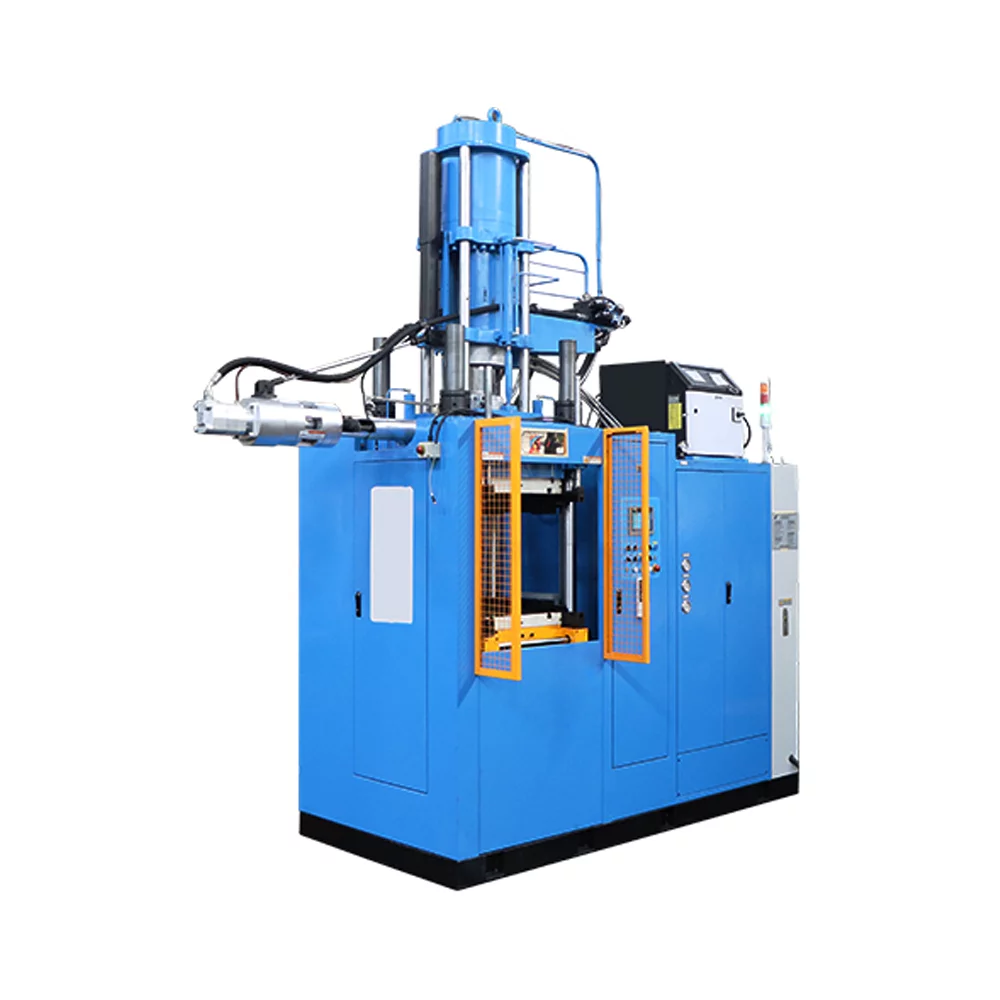
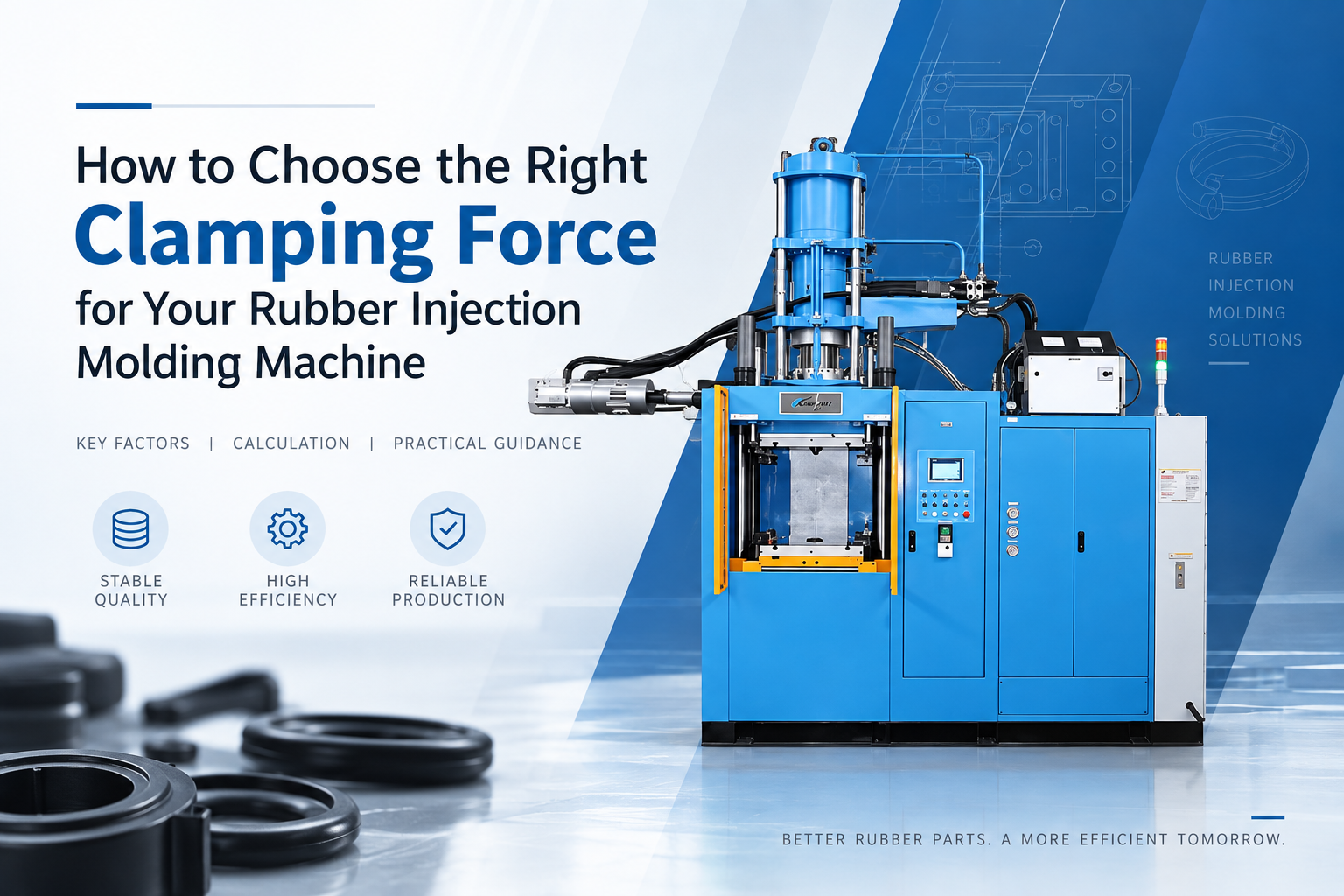
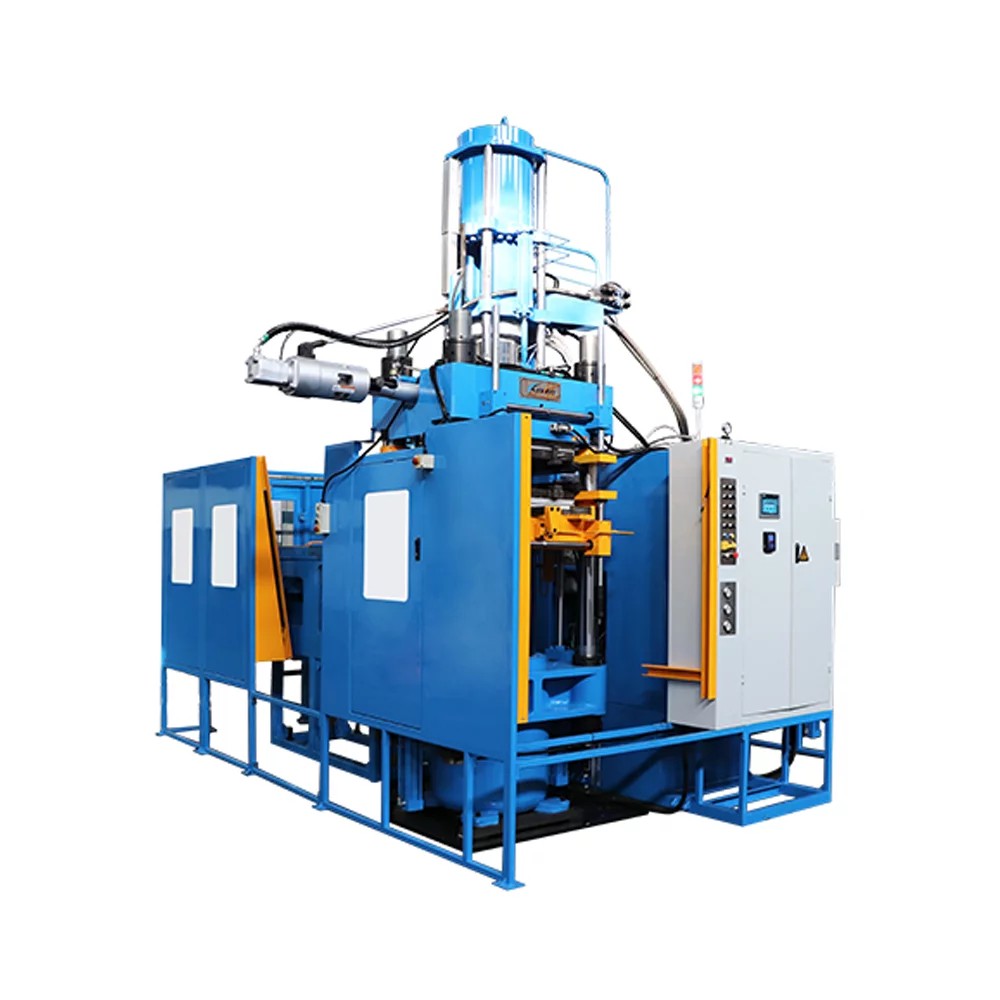
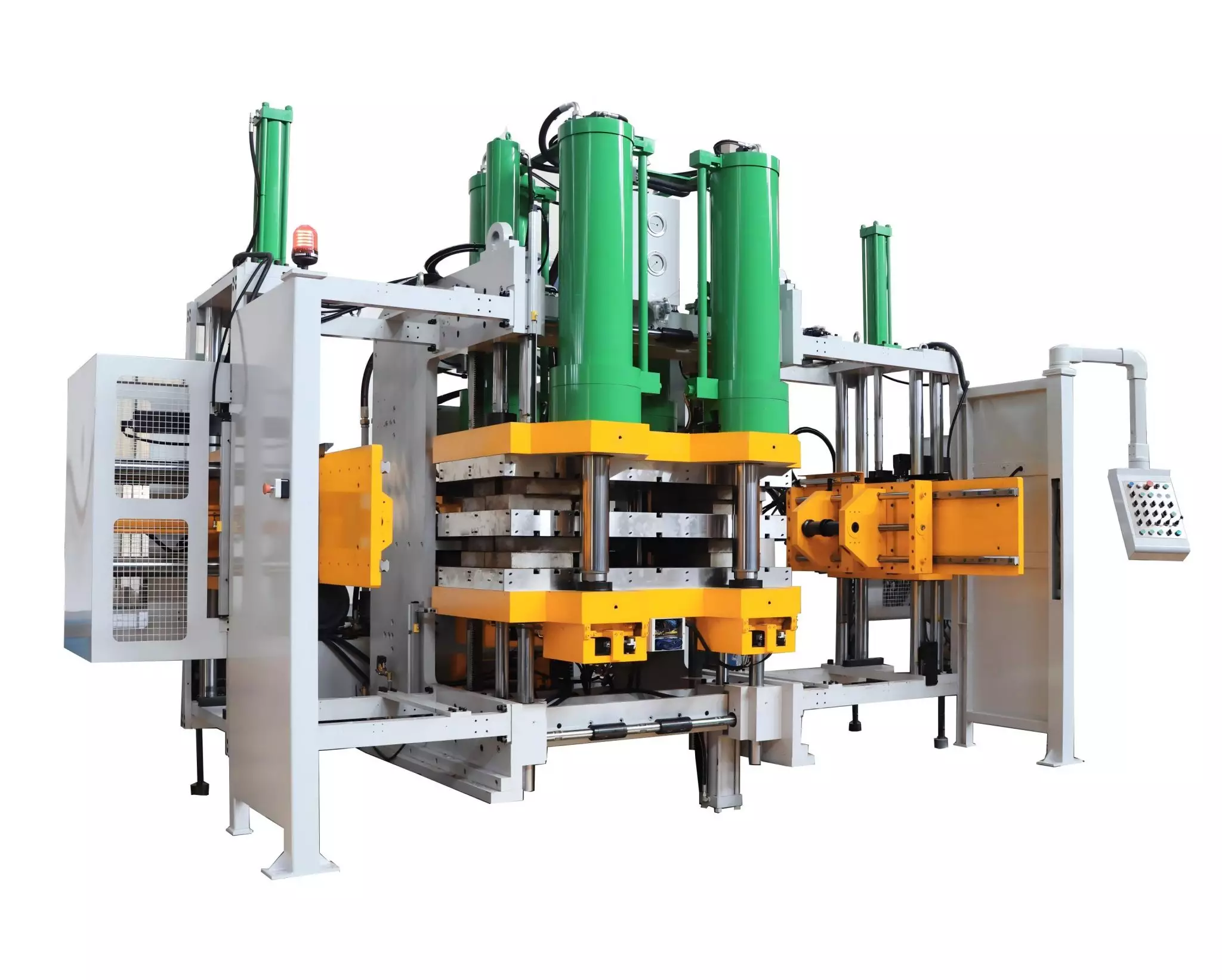
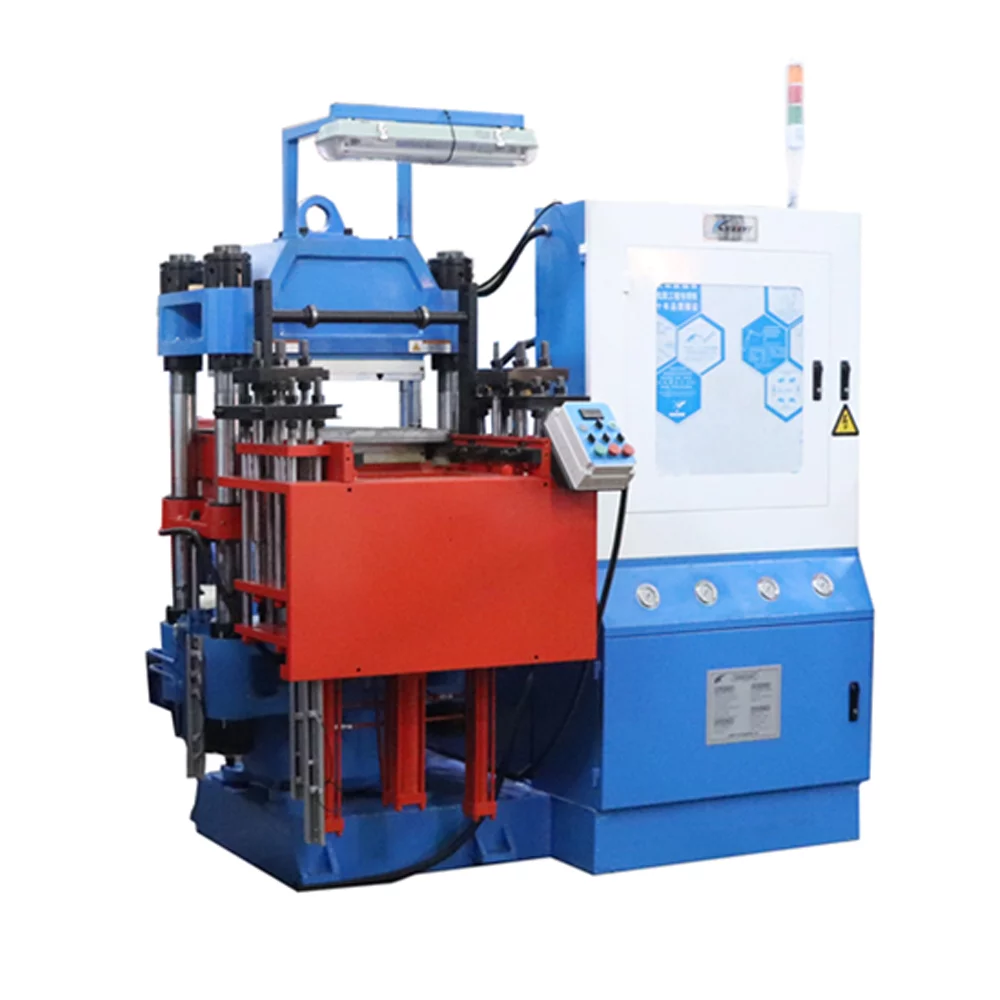
Safety is one of the most important considerations when operating a vertical rubber injection molding machine. These machines handle high temperatures, hydraulic pressure, and moving mechanical components, making effective safety systems essential for protecting operators and maintaining stable production. In modern vertical injection molding equipment, multiple layers of protection work together to reduce risks and support efficient manufacturing. At HWAYI, we focus on integrating practical safety features that help users achieve reliable and secure operation.
Safety Guards and Enclosed Working Areas
One of the primary safety features in a vertical molding machine is the use of physical guards and protective enclosures. These barriers prevent operators from coming into contact with moving platens, clamping units, and ejector mechanisms during machine operation.
Modern molding systems often include movable safety gates that restrict access to hazardous areas while the machine is running. The machine cannot begin a molding cycle until these protective gates are properly closed, reducing the possibility of accidental contact with moving components.
Interlock Protection Systems
Interlock systems are a critical part of machine safety. These systems continuously monitor the status of safety doors and protective covers. If a gate is opened during operation, the machine automatically stops or prevents further movement.
Electrical, hydraulic, and pneumatic interlocks are commonly used to ensure that the clamping unit cannot close when an operator has access to the mold area. This feature significantly reduces the risk of injury during loading, unloading, or maintenance procedures.
Emergency Stop Functions
Every professional vertical rubber injection molding machine should be equipped with strategically positioned emergency stop buttons. These buttons immediately halt machine movement when activated.
Emergency stop systems allow operators to respond quickly to unexpected situations, such as tooling issues, material blockages, or abnormal machine behavior. Easy access to these controls helps minimize potential damage and enhances workplace safety.
Low-Pressure Mold Protection
During mold closing, advanced machines utilize low-pressure mold protection technology. This function monitors resistance during the clamping process and automatically stops movement if an obstruction is detected.
According to the specifications of HWAYI vertical rubber injection machines, PLC-controlled low-pressure mold protection helps prevent damage to molds while also protecting operators from unsafe clamping conditions.
Intelligent Monitoring and Control Systems
Modern vertical injection molding equipment increasingly relies on PLC-based control systems to monitor machine status in real time. Parameters such as pressure, temperature, injection speed, and hydraulic performance can be continuously tracked.
These monitoring systems help identify abnormal conditions before they develop into safety hazards. Operators receive alerts when operating values exceed predefined limits, supporting preventive maintenance and stable production.
Conclusion
A modern vertical rubber injection molding machine incorporates multiple safety systems, including protective guards, interlocks, emergency stop functions, low-pressure mold protection, and intelligent monitoring technologies. Together, these features help create a safer production environment while supporting consistent manufacturing performance. At HWAYI, we design our vertical injection molding solutions with safety, reliability, and operational efficiency in mind, helping manufacturers maintain productive and secure molding operations.