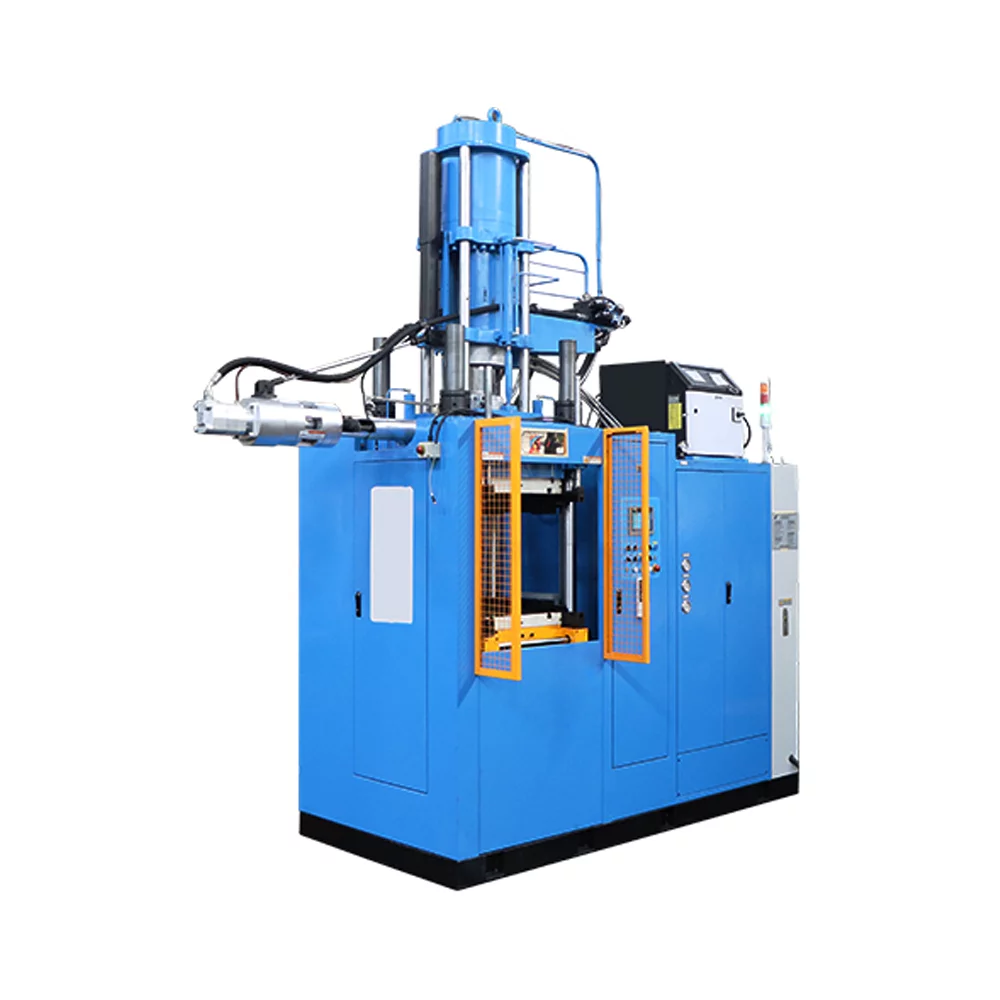
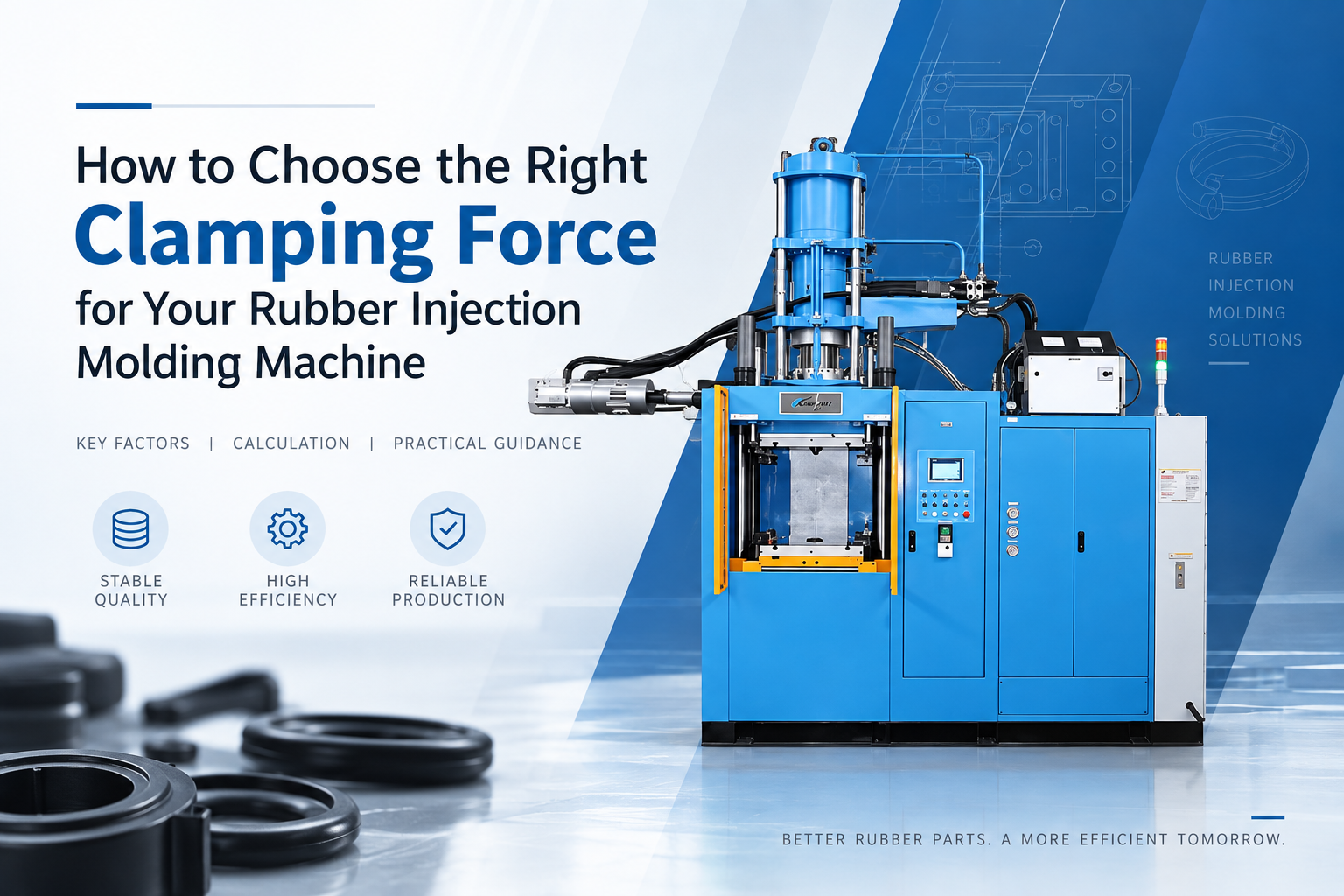
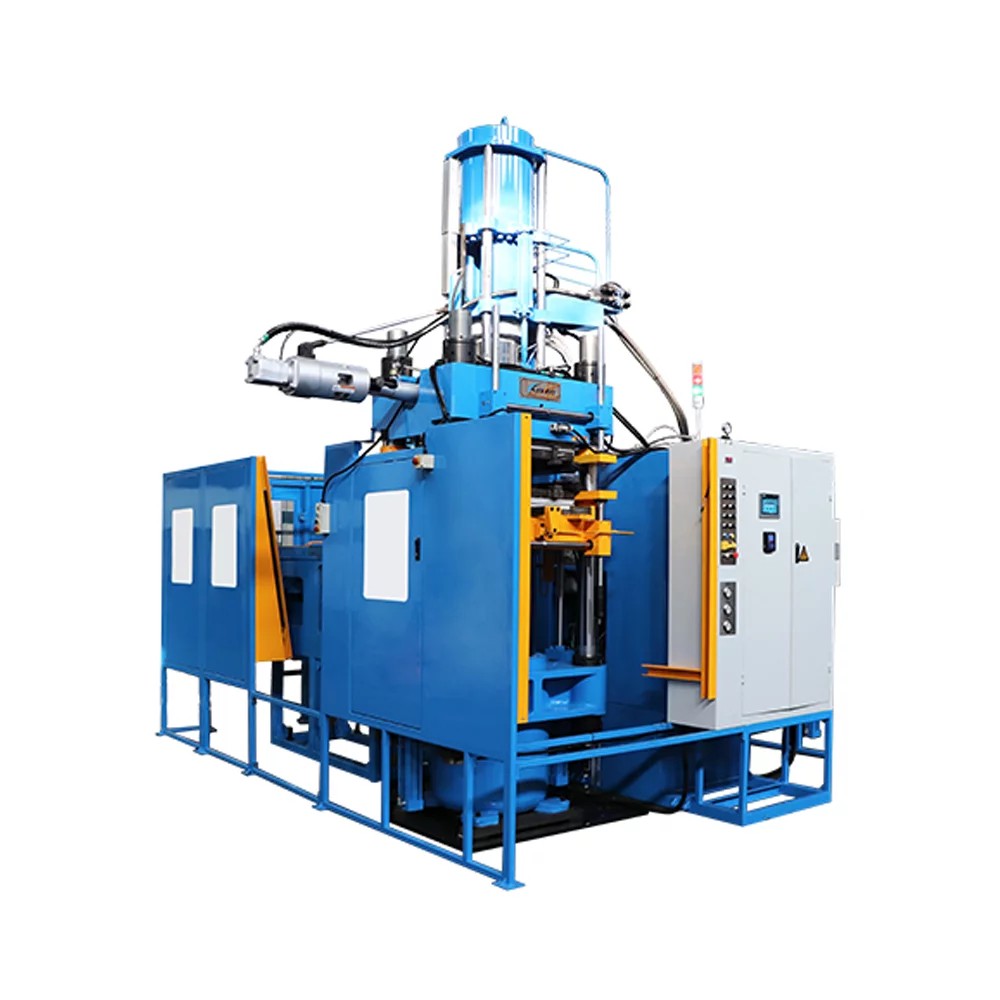
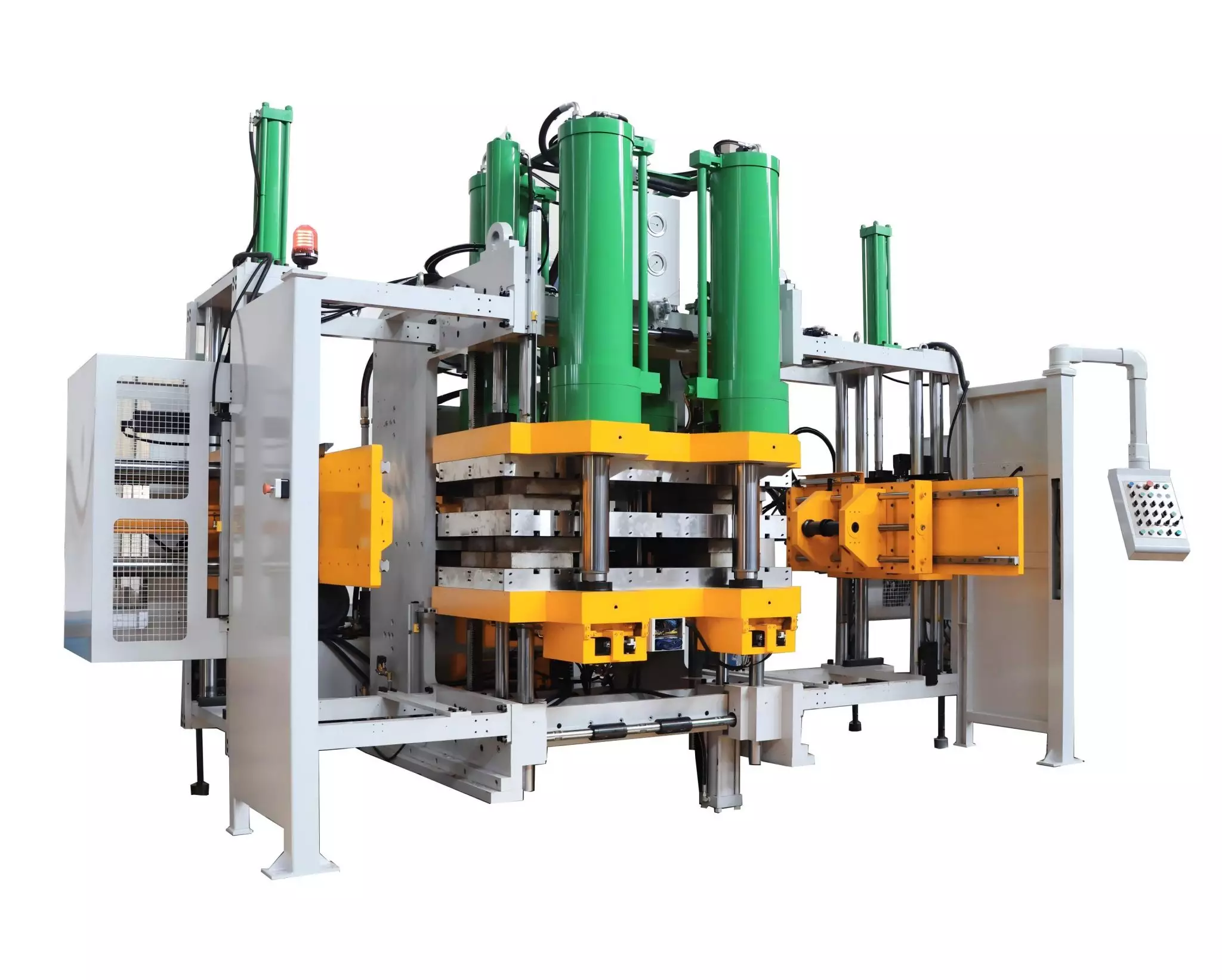
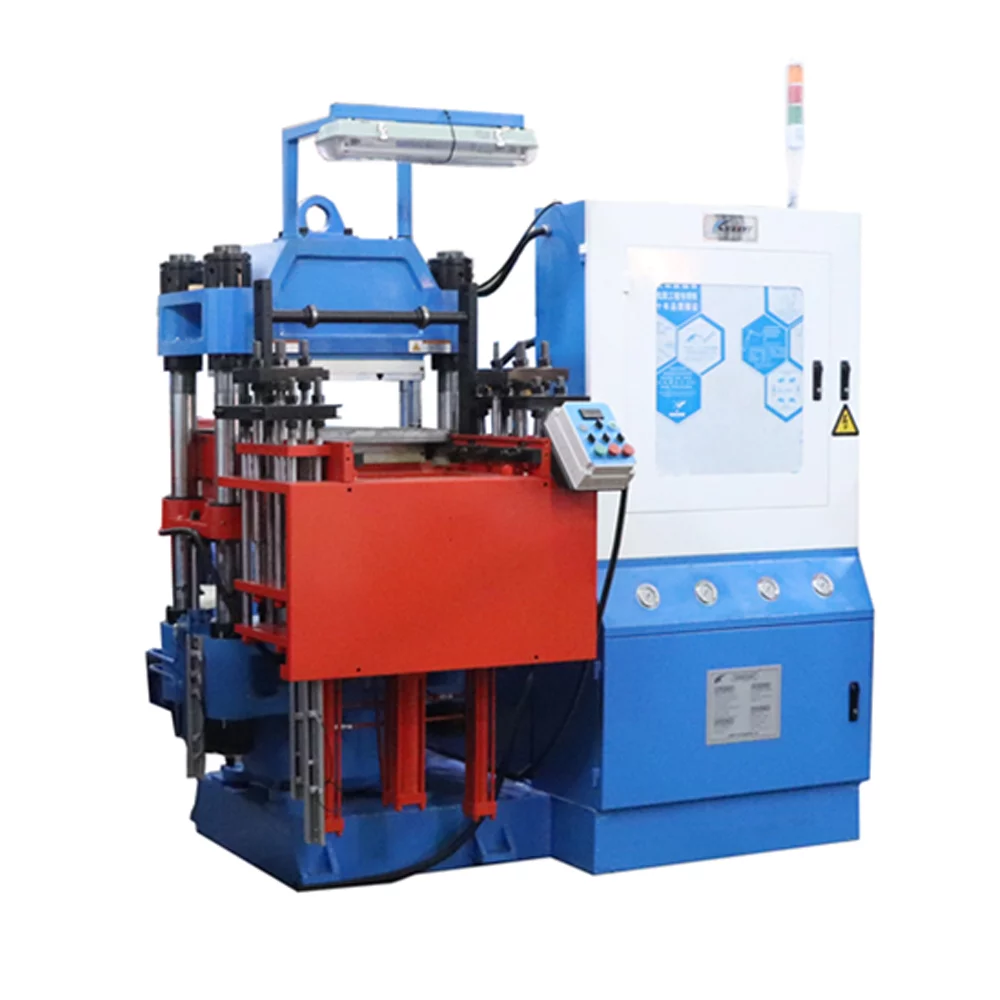
In a C-frame rubber injection molding machine, the mold locking system is a critical part of ensuring stable molding quality. At HWAYI, we design our systems with a focus on consistent clamping force and precise mold alignment to support stable production of rubber components under continuous operating pressure.
Understanding the C-Frame Structure and Its Clamping Need
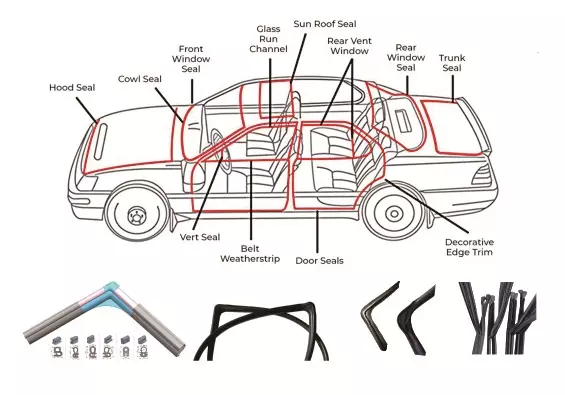
A C-frame structure is characterized by its open three-side access design, which improves ease of mold installation and part removal. This structure is commonly used for long or narrow rubber products such as sealing strips.
However, because the frame is open on three sides, it naturally has lower rigidity compared to closed-frame machines. This makes the mold locking system especially important, as it must compensate for potential frame deflection during injection and curing cycles.
Mold Locking System Used in C-Frame Injection Machines
In most C-frame rubber injection molding machines, including industrial designs like those from HWAYI, the mold locking system is typically based on a hydraulic clamping system combined with precision guiding mechanisms.
The core components include a hydraulic cylinder, a clamping platen, and rigid tie-guides or structural supports that ensure alignment. When the machine operates, hydraulic pressure is applied to generate strong and stable clamping force, keeping the mold tightly closed throughout the injection process.
This hydraulic locking method is widely used because it provides:
First, a stable and adjustable clamping force suitable for different mold sizes.
Second, smooth pressure control, which reduces shock impact on the mold structure.
Third, reliable sealing performance during rubber injection and vulcanization.
In addition, many modern systems integrate mechanical locking assistance such as toggle support or wedge-style locking elements to enhance rigidity during high-pressure phases. The combination of hydraulic force and mechanical reinforcement ensures that the mold remains fully closed even under fluctuating injection pressure.
Why Hydraulic Mold Locking Is Essential in Rubber Injection
Rubber injection molding requires stable pressure maintenance during curing. If the mold opens slightly, defects such as flash or dimensional inconsistency can occur.
The hydraulic locking system in a rubber injection molding machine C-frame type helps maintain uniform pressure across the mold cavity. This is particularly important for precision rubber parts such as seals, gaskets, and industrial profiles, where dimensional accuracy directly affects performance.
At HWAYI, we optimize the clamping system to ensure consistent force distribution, reducing stress concentration on the mold and extending tooling life.
Conclusion
The mold locking system used in C-frame injection machines is primarily a hydraulic clamping system supported by structural rigidity enhancements. This design ensures stable mold closure, accurate pressure control, and reliable production performance.
For manufacturers using C-frame rubber injection molding machines, understanding the locking mechanism is essential for optimizing product quality and machine efficiency. At HWAYI, we focus on delivering stable and durable clamping solutions that meet the demands of precision rubber molding applications.