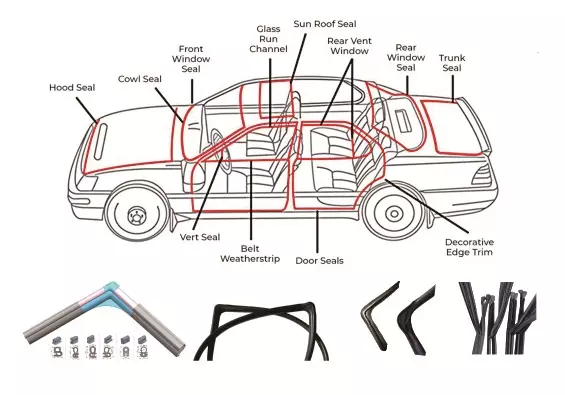
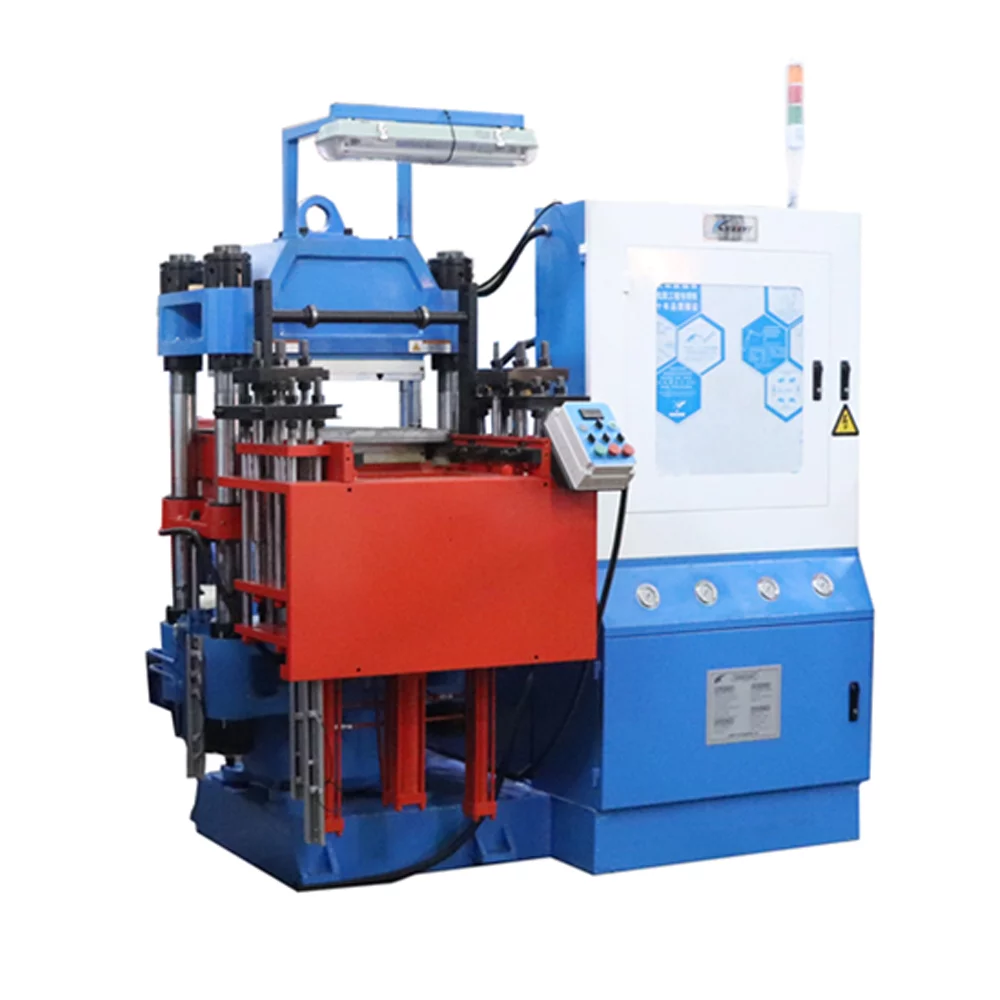
When we evaluate a supplier in custom molding process, the first factor we focus on is production stability under continuous operation. In industrial manufacturing, custom rubber molding is not only about producing qualified parts once, but about maintaining consistent output across long production cycles. At HWAYI, we approach this by controlling key process variables such as temperature uniformity, pressure balance, and curing cycle stability. In molding process, even small deviations in process conditions can affect dimensional accuracy and material performance, so we place strong emphasis on repeatability. For B2B applications like automotive sealing or electrical insulation components, custom rubber molding must maintain stable physical properties across every batch, which is why process control becomes a core evaluation factor.
Equipment System and Production Adaptability
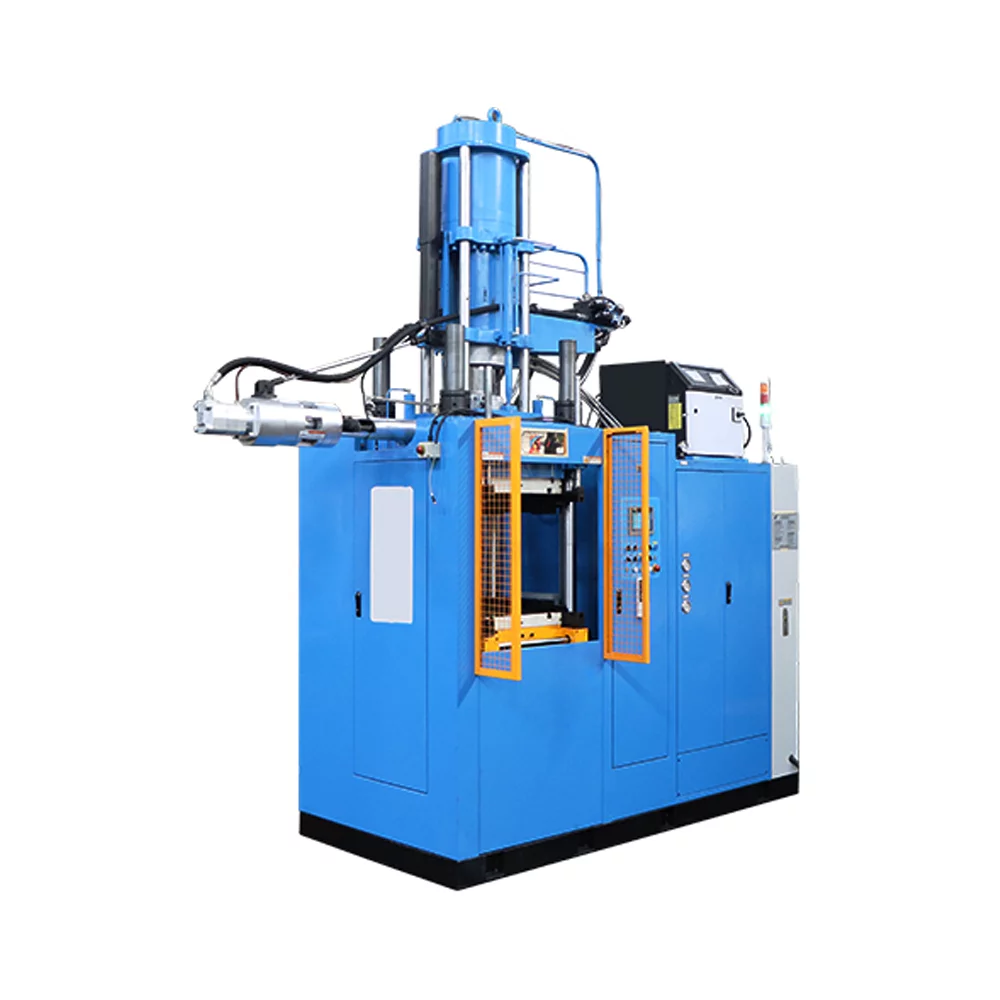
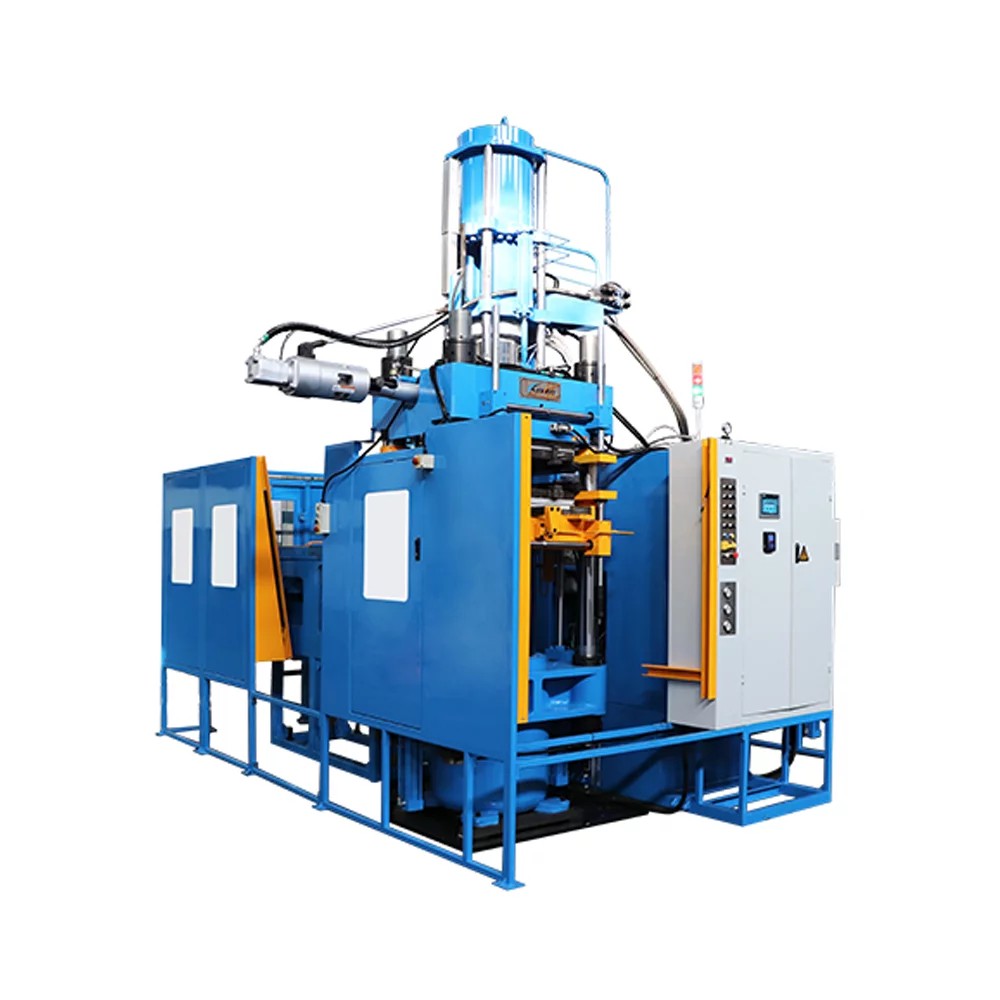
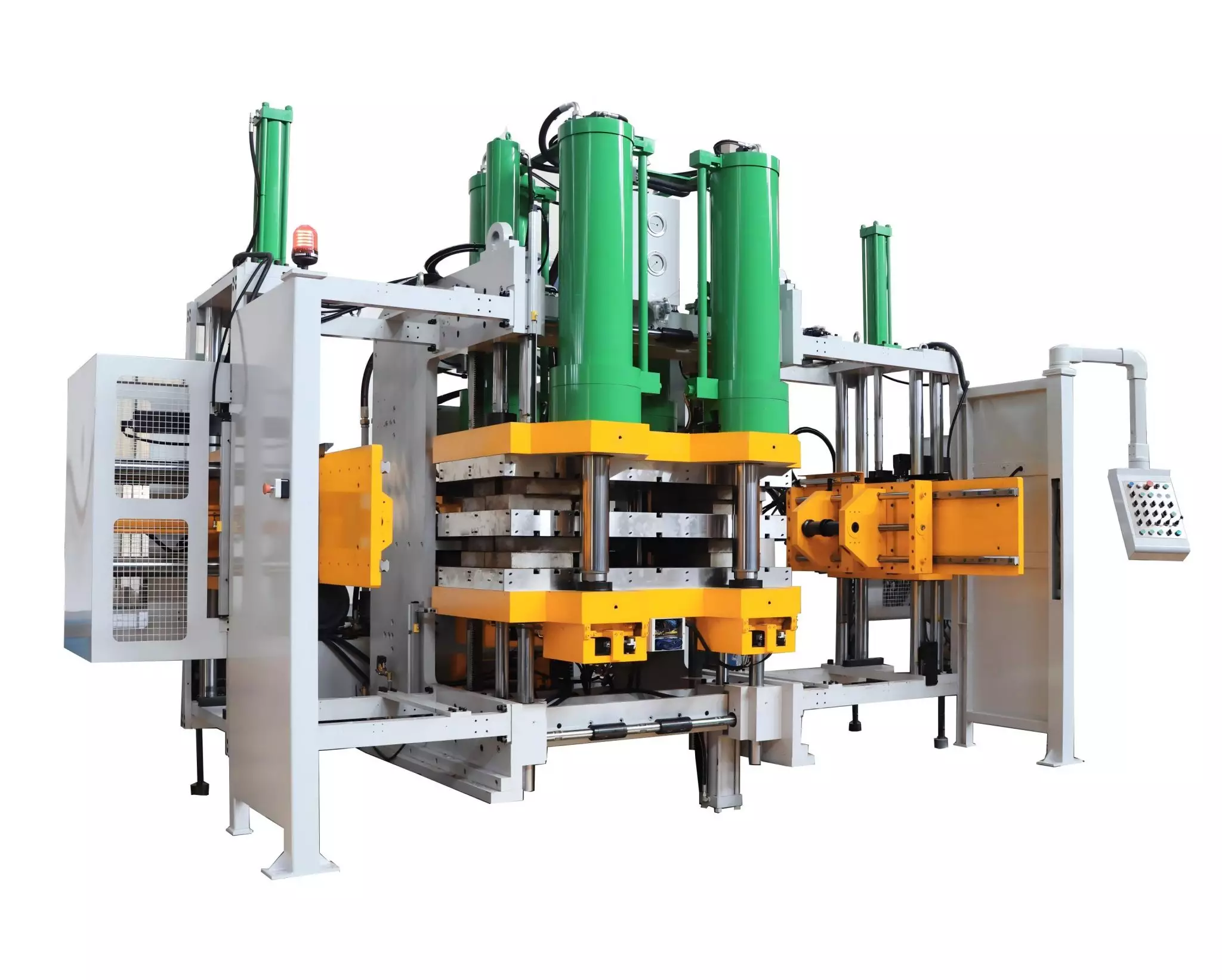
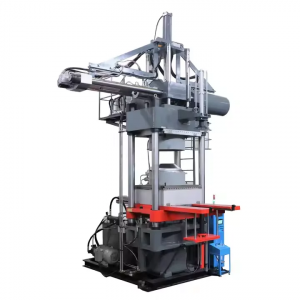
Another important aspect in evaluating custom rubber molding manufacturing capacity is the equipment system and its adaptability. Different industrial products require different molding structures, and the molding process must be able to support this variation without reducing efficiency. At HWAYI, our equipment configuration is designed for multi-application production scenarios, allowing flexible adjustment for mold dimensions, rubber compounds, and product complexity. In practical custom rubber molding projects, this flexibility helps reduce switching time between production tasks and improves overall workflow continuity. We also consider how equipment integration supports the full production line, because a well-coordinated system in the process can significantly improve operational stability in long-term manufacturing environments.
Engineering Support and Application Experience
Beyond machines, engineering capability is a critical part of custom rubber molding evaluation. We believe custom molding process requires not only mechanical execution but also deep process understanding. At HWAYI, our engineering team works directly with clients to adjust process parameters based on real production feedback, including material flow behavior, mold structure response, and curing performance. In custom rubber molding applications, different industries such as automotive sealing systems and electrical components often require different performance standards, so engineering adaptation becomes essential. Through this approach, custom rubber injection molding can be aligned with actual production conditions rather than theoretical settings, improving reliability in real industrial use.
Quality Consistency and Long-Term Production Capability
Another dimension we consider in custom rubber molding manufacturing capacity is quality consistency over long production periods. In custom molding process, maintaining uniform product performance is more important than short-term output efficiency. At HWAYI, we evaluate whether production systems can sustain stable quality under continuous operation. This includes monitoring material consistency, mold wear behavior, and process repeatability. For industrial customers, custom rubber molding is often part of a long-term supply chain, so the ability to maintain consistent standards over time is a key indicator of manufacturing capability.
Conclusion: Structured Evaluation of Manufacturing Capacity
In conclusion, evaluating custom rubber molding manufacturing capacity requires a structured understanding of production stability, equipment adaptability, engineering support, and long-term quality consistency. At HWAYI, we view custom molding process as an integrated system rather than a single process. By combining controlled production, flexible equipment configuration, and practical engineering support, custom rubber molding capability can be assessed more accurately for sustainable B2B cooperation.