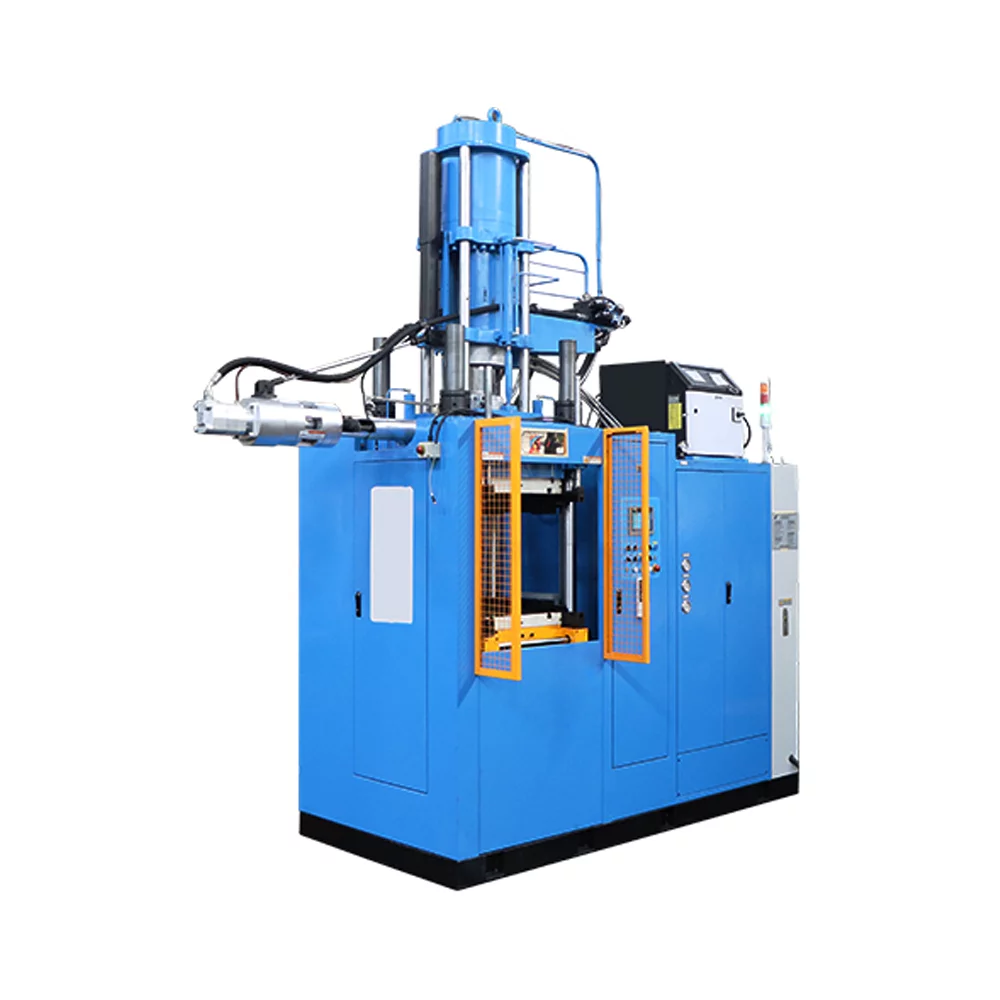
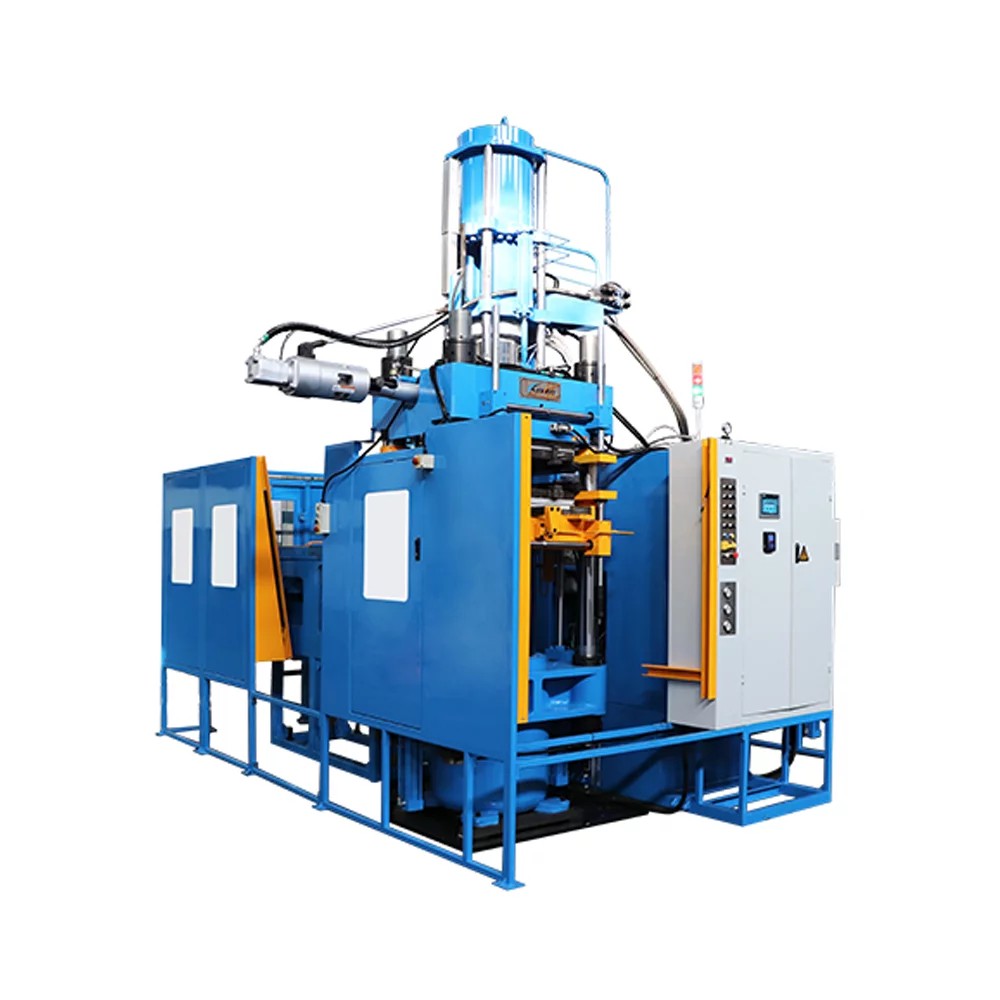
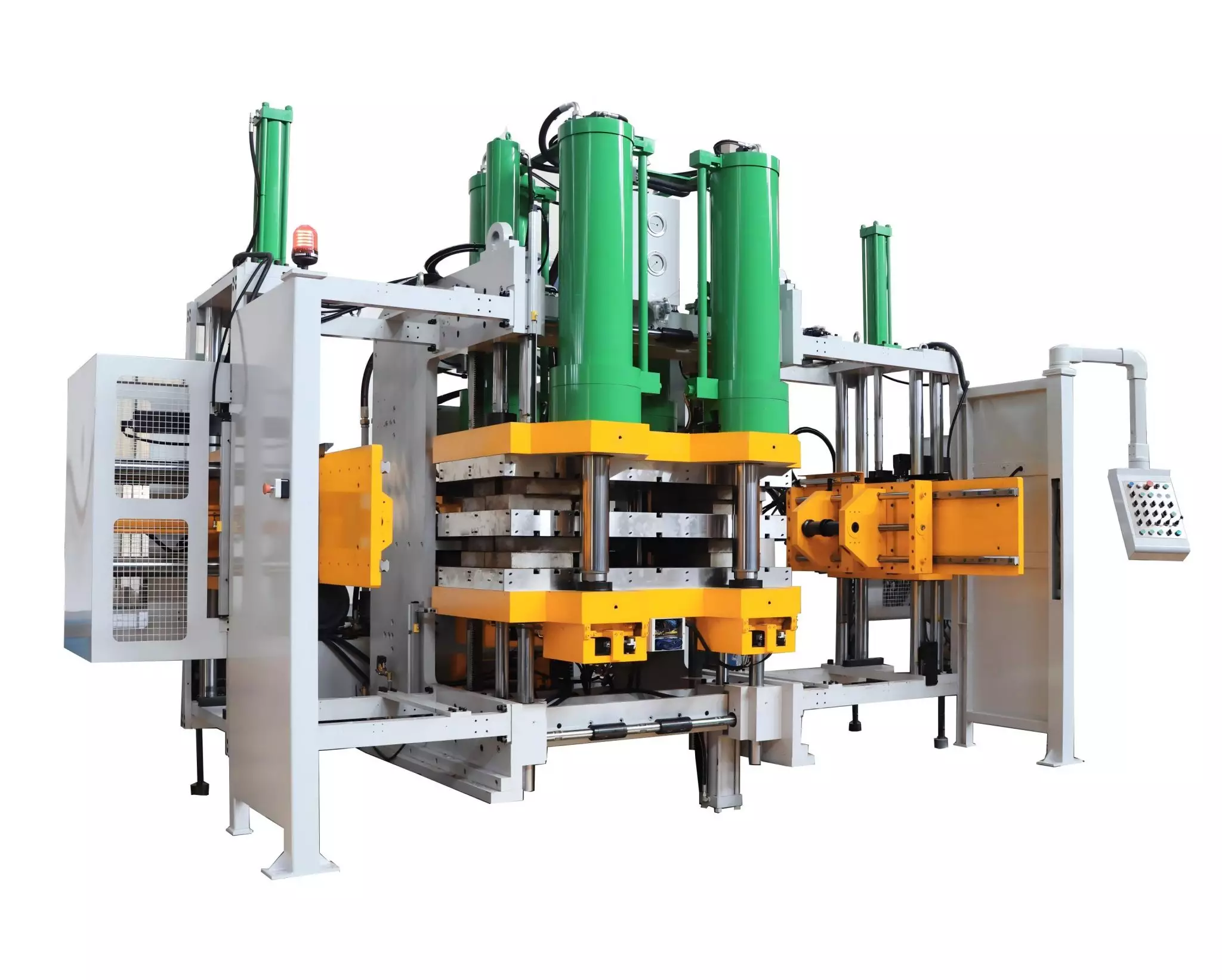
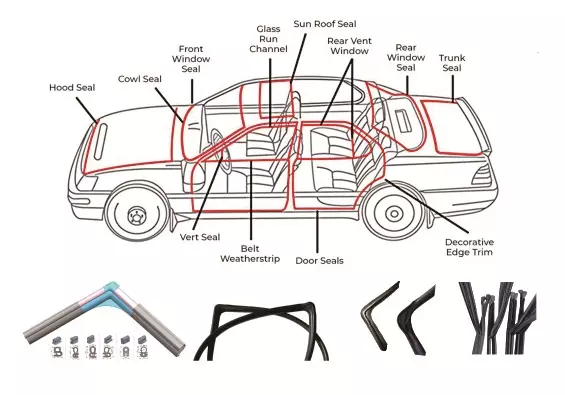
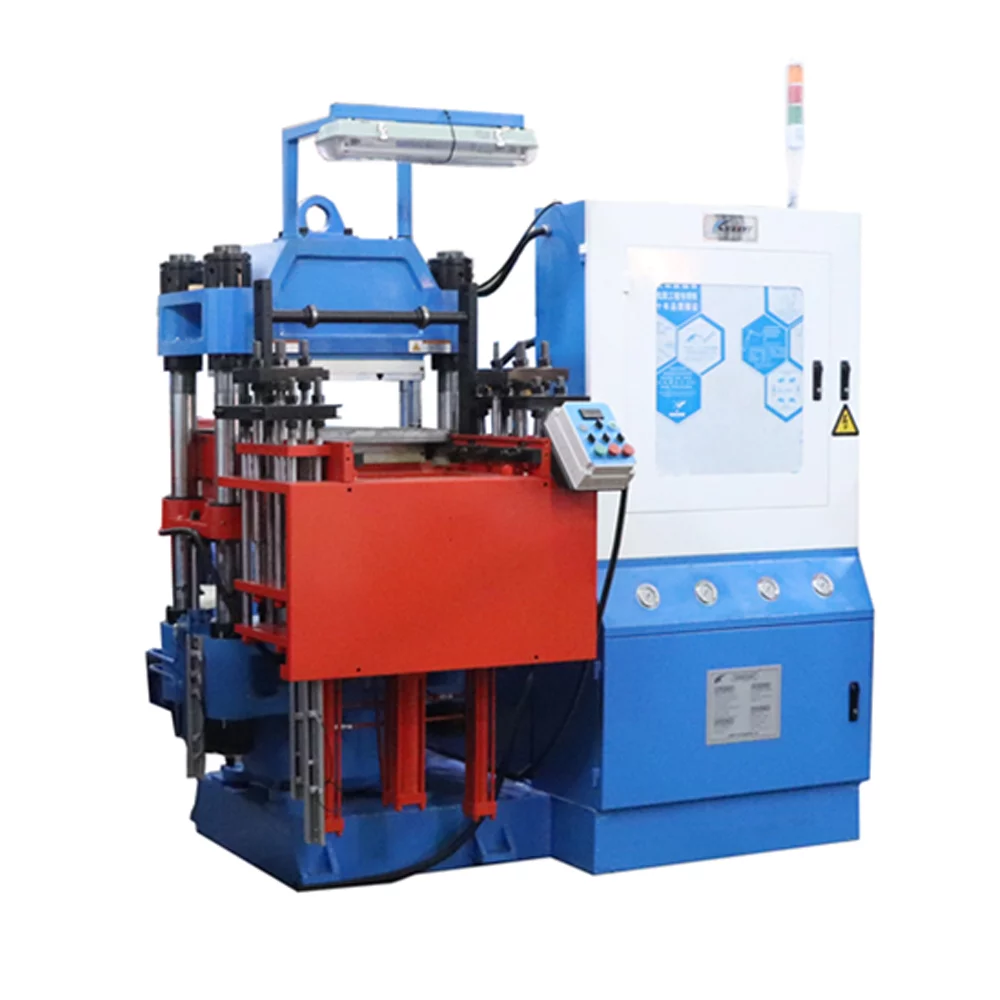
At HWAYI, we understand that cost control in rubber production is not achieved by a single adjustment but through a complete review of the molding workflow. Many rubber molding companies face challenges such as material waste, unstable cycle time, and inconsistent forming quality. By analyzing each stage of production, we help identify where improvements can be made without affecting output stability. In this context, custom rubber injection molding plays an important role because it allows production parameters to be adjusted based on real application needs rather than relying on fixed configurations. This approach helps reduce unnecessary material loss while keeping processes more predictable.
Equipment design and production integration
In industrial environments, equipment structure directly affects operational cost. HWAYI focuses on integrating automation and mechanical stability into our systems so that production lines can run with fewer interruptions. When custom rubber injection molding is applied, we can better align mold design, injection control, and curing conditions to reduce rework rates. For many rubber molding companies, this integration approach helps minimize downtime and improves overall equipment utilization. Our system design also considers energy usage and cycle optimization, which supports more stable long-term operation in different industrial scenarios. In addition, we continuously refine control precision and maintenance accessibility to ensure that daily production adjustments can be handled more efficiently without adding unnecessary operational complexity.
Material usage and production flexibility
Material efficiency is another key factor in cost optimization. We work with manufacturers to ensure that rubber compound usage matches actual product requirements instead of over-consumption. Through custom rubber injection molding, it becomes possible to fine-tune injection volume and pressure control, which helps reduce scrap rates during mass production. Many rubber molding companies in automotive and electrical component manufacturing benefit from this method because it supports consistent output quality while maintaining flexible production adjustment. Our equipment solutions are designed to support this balance between precision and adaptability.
Conclusion
From our experience at HWAYI, optimizing production cost is not about reducing investment in equipment but about improving how systems, materials, and processes work together. Through the application of custom rubber injection molding, manufacturers can better control consistency and efficiency across production cycles. At the same time, modern rubber molding companies increasingly focus on integrated production strategies rather than isolated improvements. By combining process analysis, equipment design, and material control, we help create a more stable and cost-conscious production environment for industrial rubber applications.