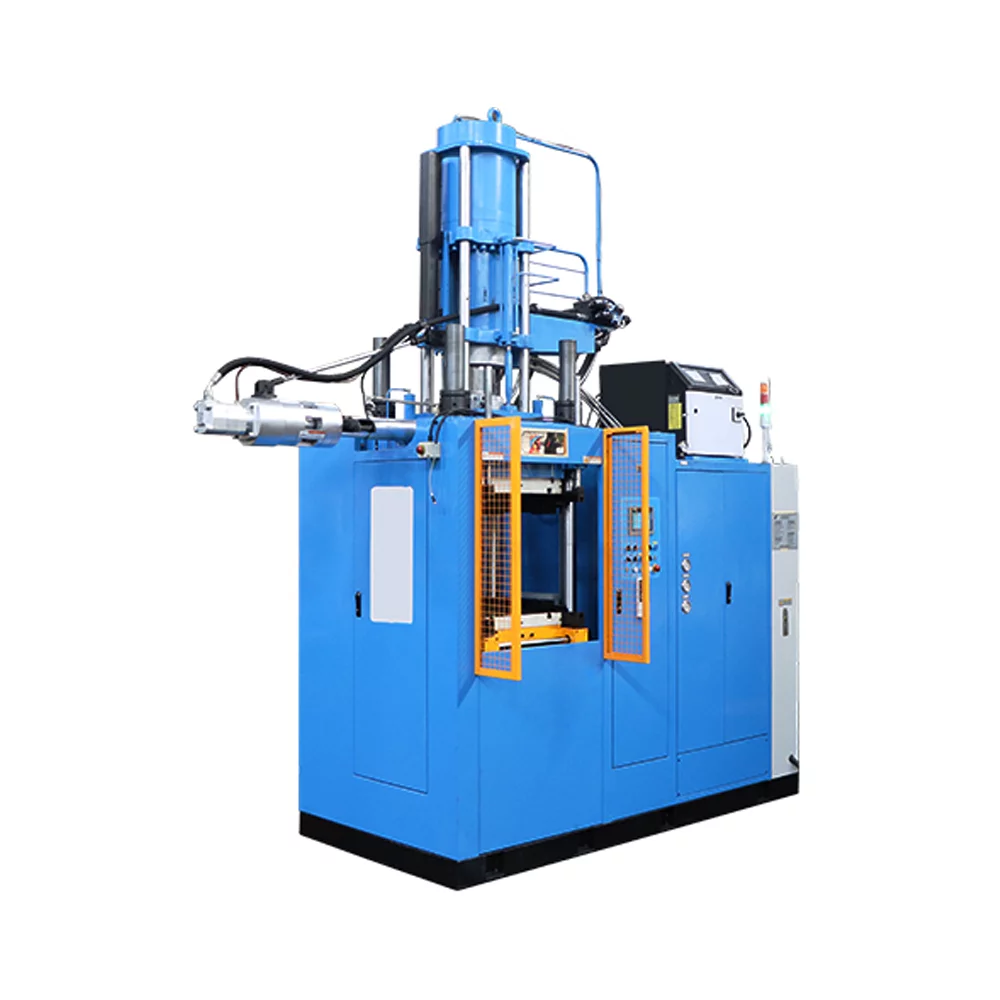
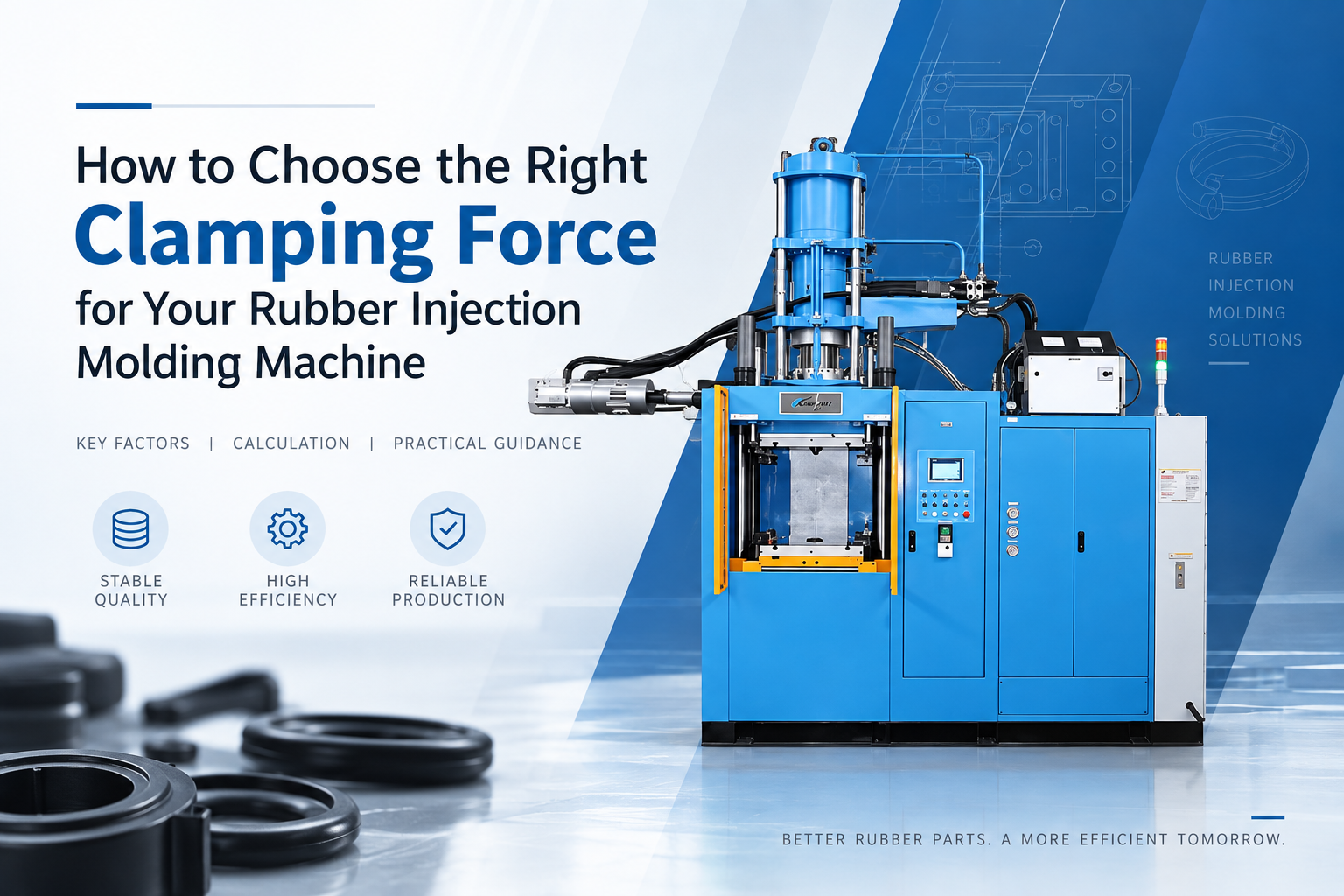
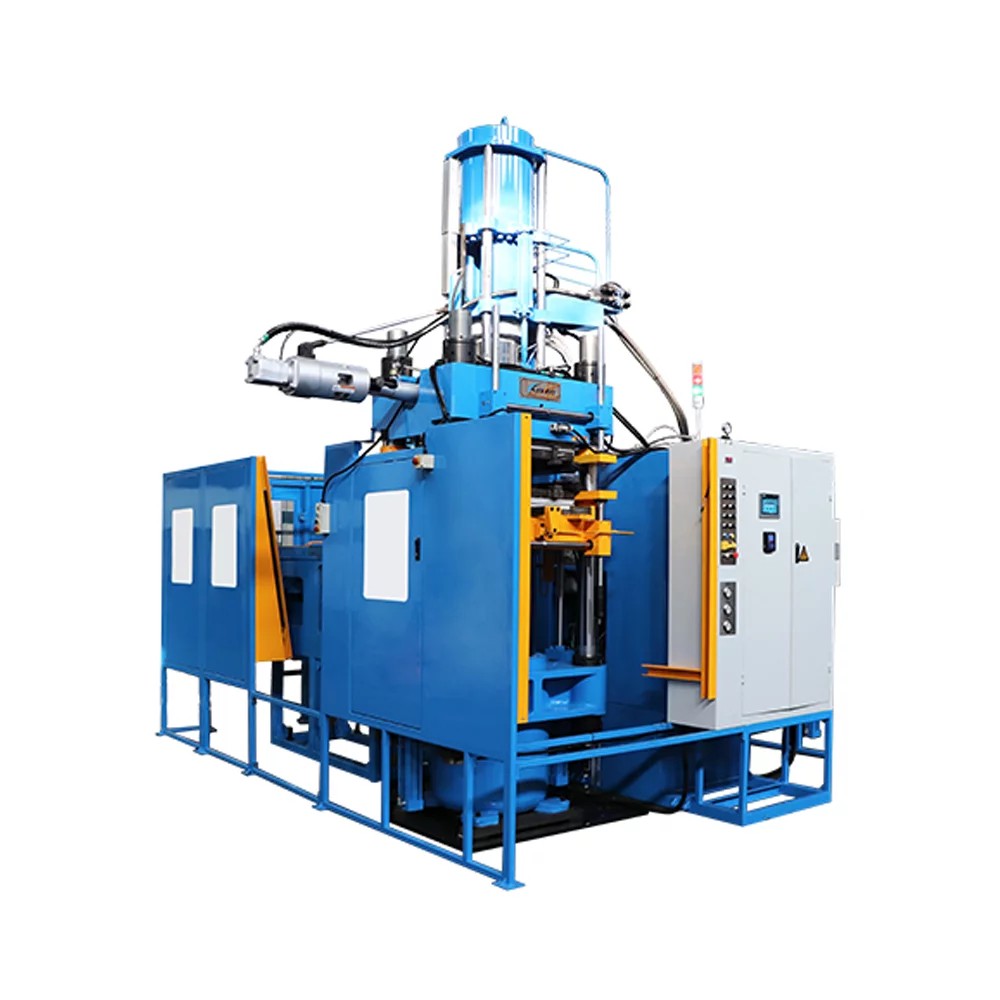
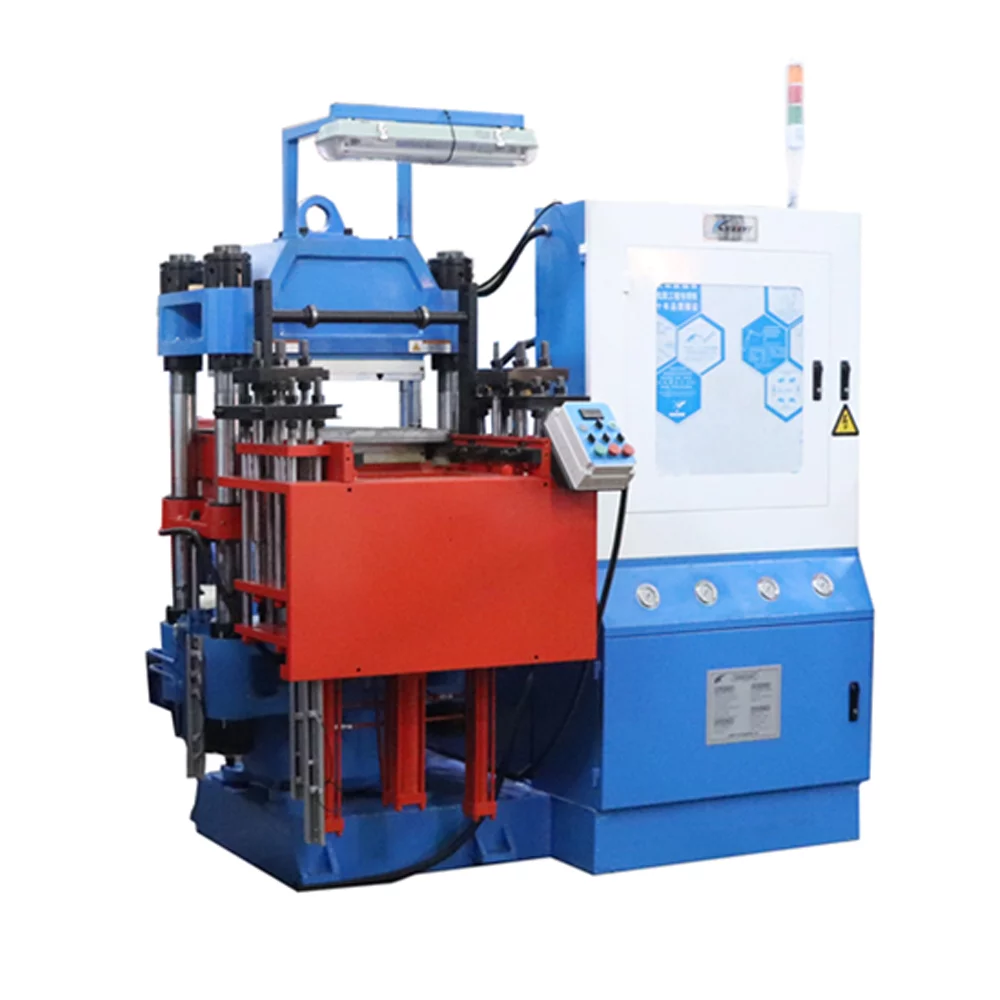
Maximizing throughput while maintaining strict component integrity is a primary focus for modern high-precision elastomeric manufacturing facilities. To achieve this balance, processing engineers must look closely at the mechanical and thermal dynamics of the rubber injection molding machine used on the factory floor.
Understanding these variables directly impacts operational costs and part quality. Every millisecond saved in the molding process translates to enhanced profitability and a more competitive edge in a demanding global marketplace.
Thermal Dynamics and Cavity Temperature Management
Achieving an optimal cure cycle relies heavily on how quickly elastomeric compounds reach their vulcanization temperature within the mold cavity. The heating architecture of the tooling platens must deliver uniform thermal distribution across all cavities to prevent inconsistent cross-linking.
If temperature fluctuations occur across the mold face, engineers are forced to extend the cure time to support the coldest zone achieving full vulcanization. This defensive processing strategy inadvertently extends the total cycle time and hurts overall plant efficiency.
Advanced heating control loops mitigate this issue by monitoring thermal zones in real-time. Our technical team integrates highly responsive heating systems into our equipment to guarantee stable, uniform energy transfer throughout high-volume production runs.
Viscosity Characteristics of Elastomeric Raw Materials
The rheological behavior of the raw compound dictates how efficiently material flows through the runner systems and fills the mold cavities. High-viscosity compounds require significantly greater mechanical effort to displace, which inherently extends the injection phase of the process.
Mooney viscosity variations between batches can create unpredictable filling speeds and erratic curing behaviors if not carefully monitored. To avoid this, engineers need to balance formulation chemistry with machine parameters, ensuring consistent and predictable shot-to-shot delivery.
When processing tough, high-viscosity materials like High-Temperature Vulcanizing (HTV) silicone rubber, machinery must possess specialized capabilities. Utilizing a heavy-duty rubber injection machine enables efficient processing of high-viscosity materials while reducing the risk of premature scorch.
Clamping Force Stability and Fast-Moving Systems
The physical mechanics of platen movement constitute a noticeable portion of the dry cycle time before vulcanization even begins. Rapid clamp closing and opening movements are vital for reducing the non-productive window where the machine is not actively curing material.
However, speed cannot come at the expense of clamping pressure stability or precision tool positioning. Inconsistent clamping forces lead to flash formation, which demands manual trimming operations and adds unnecessary cycle time during downstream processing steps.
We design our structural frameworks to utilize highly responsive hydraulic circuits that maximize mechanical movement velocity. This configuration ensures that mold positioning is achieved quickly, safely, and with sufficient clamping force for high-pressure injection cycles.
Injection Velocity and Multi-Stage Speed Control
Controlled, multi-stage injection profiling allows operators to maximize filling speeds while avoiding excessive material shear. Injecting material too slowly increases the risk of the compound scorching before the mold cavity is completely filled.
Conversely, excessive speed can induce severe frictional heating, potentially degrading sensitive polymers or causing air entrapment issues within the parts. Precision control over the injection velocity profile is therefore essential for achieving the shortest possible filling time safely.
To meet these exact requirements, our team implements sophisticated proportional control valves into the machinery architecture. This allows the system to transition smoothly between high-velocity filling and precise packing pressures without disrupting material flow characteristics.
Screw Design and Efficient Compound Plasticization
The geometry of the injection screw plays a decisive role in preparing the raw rubber compound for the subsequent injection phase. Efficient plasticization promotes a uniform temperature before it ever enters the nozzle area.
If a screw design fails to homogenize the compound properly, the material enters the mold with thermal gradients that delay the vulcanization process. Poor plasticization also forces operators to increase injection pressures, adding mechanical stress to the system components.
Optimized flight depths and specialized screw profiles are necessary to handle demanding industrial compounds without degrading the polymer chains. We develop custom-tailored screw geometries that maximize thermal homogeneity, significantly reducing the energy required for the final cure phase.
Automation and Mechanical Demolding Sequences
What happens after the vulcanization timer expires is just as critical to the total cycle time as the injection phase itself. Manual part extraction often introduces significant variability and extends the time the mold remains open and cooling down.
Integrating automated brush systems, ejector pins, or specialized handling robots transforms part extraction into a highly predictable, repeatable mechanical process. Reducing open-mold time also supports the retention of critical tool temperature, saving energy during the subsequent cycle.
Implementing these automated handling configurations drastically minimizes operator-driven variability on the manufacturing floor. Our specialized machinery designs incorporate integrated automation interfaces to streamline the demolding sequence, keeping mold-open times to an absolute minimum.
Specialization in High Voltage Insulator Production
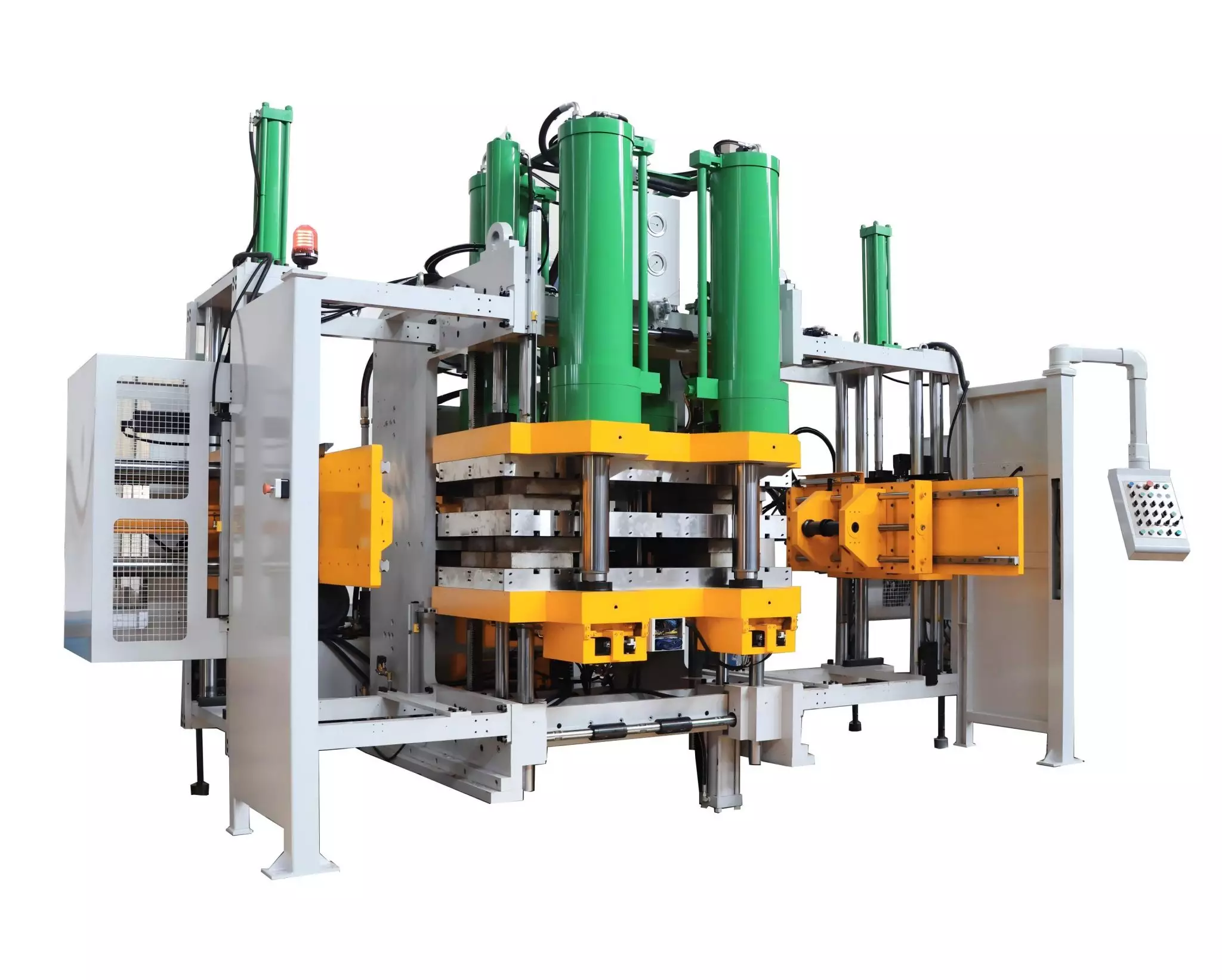
Manufacturing high-voltage electrical components introduces unique challenges due to the massive volume of material required for a single shot. Components like composite insulators, hollow core bushings, and surge arrestors demand specialized machinery architectures.
These large-volume applications require immense structural stability and continuous material feed capabilities to prevent defects like internal voiding. Standard machinery configurations often fall short when processing the dense solid silicone rubber blocks required for these parts.
To solve this, our Compact Rubber Insulators Injection Machine features a patented double-cylinder design tailored for HTV rubber material. This targeted HWAYI rubber machine configuration delivers the extreme pressure and continuous volume necessary to cycle these massive industrial components efficiently.
Conclusion
Optimizing cycle times requires a holistic evaluation of material science, thermal management, and robust mechanical engineering. By addressing platen temperature uniformity, injection velocity profiling, and automated demolding, production facilities can unlock substantial capacity gains. Partnering with a technical team that understands these intricate processing variables ensures that your machinery operates at peak economic performance.