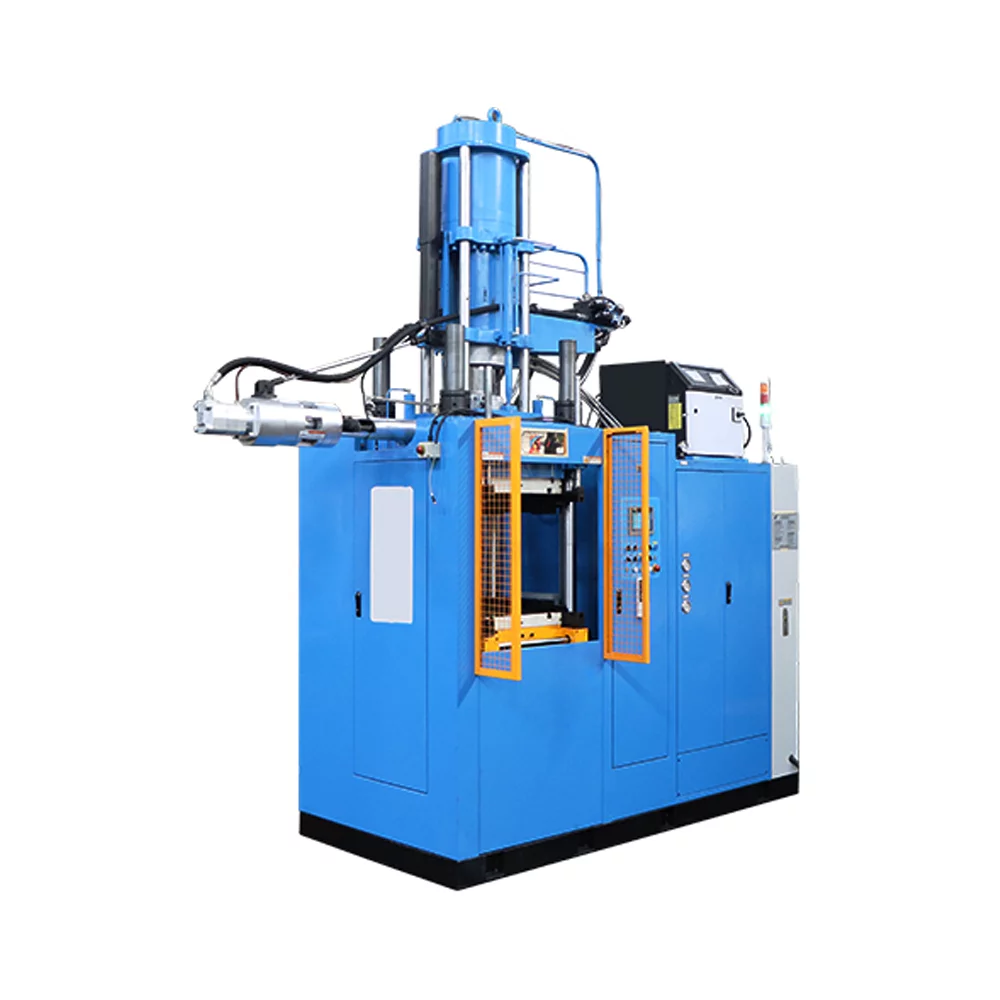
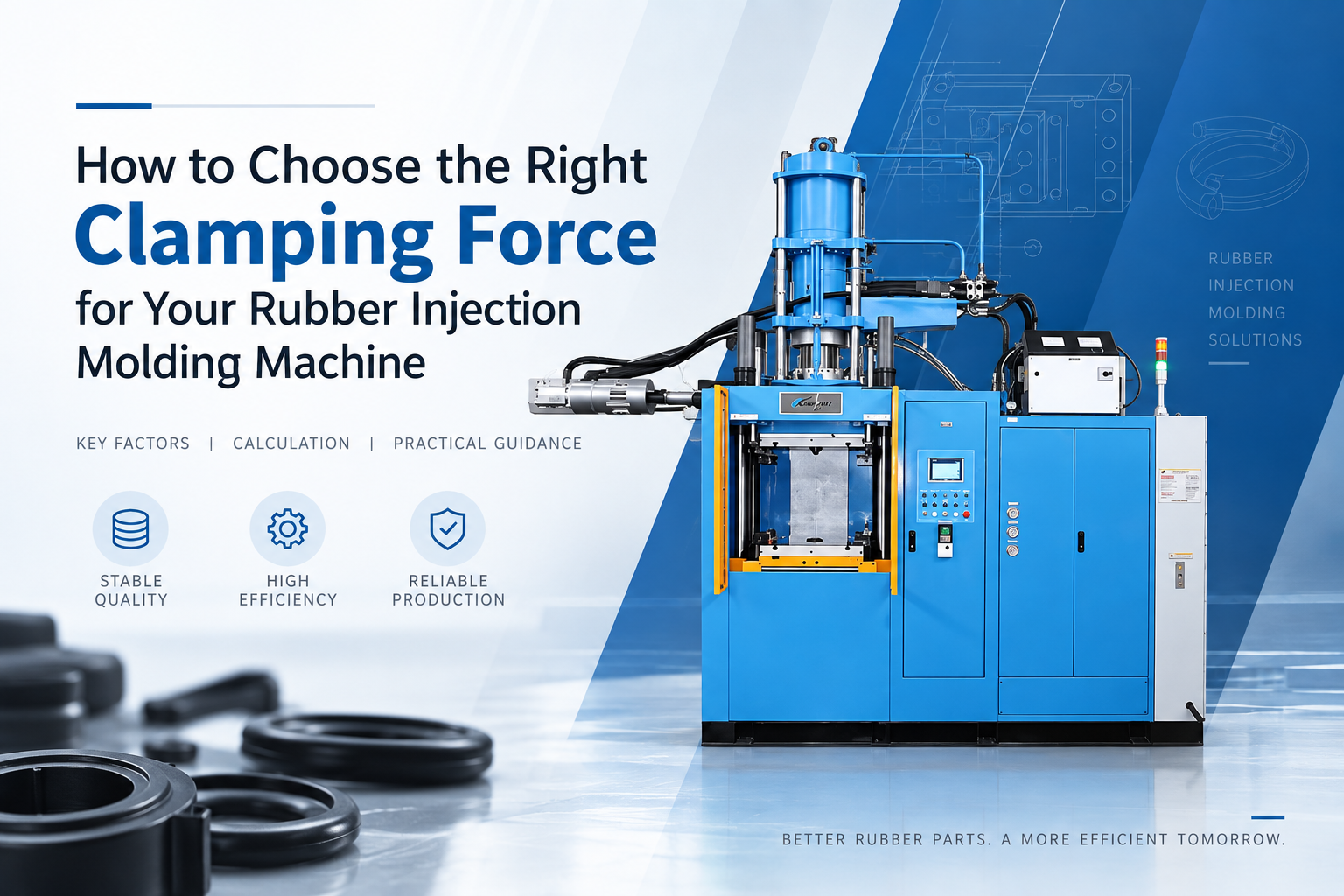
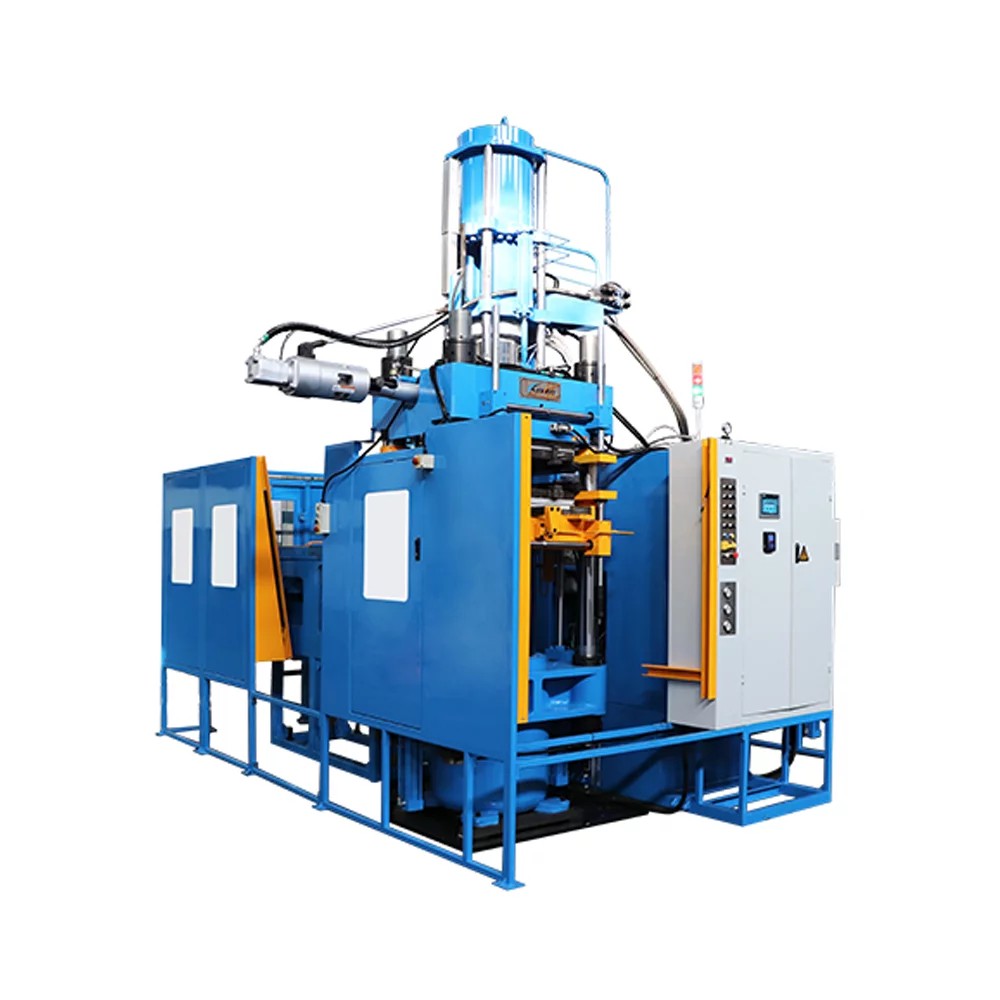
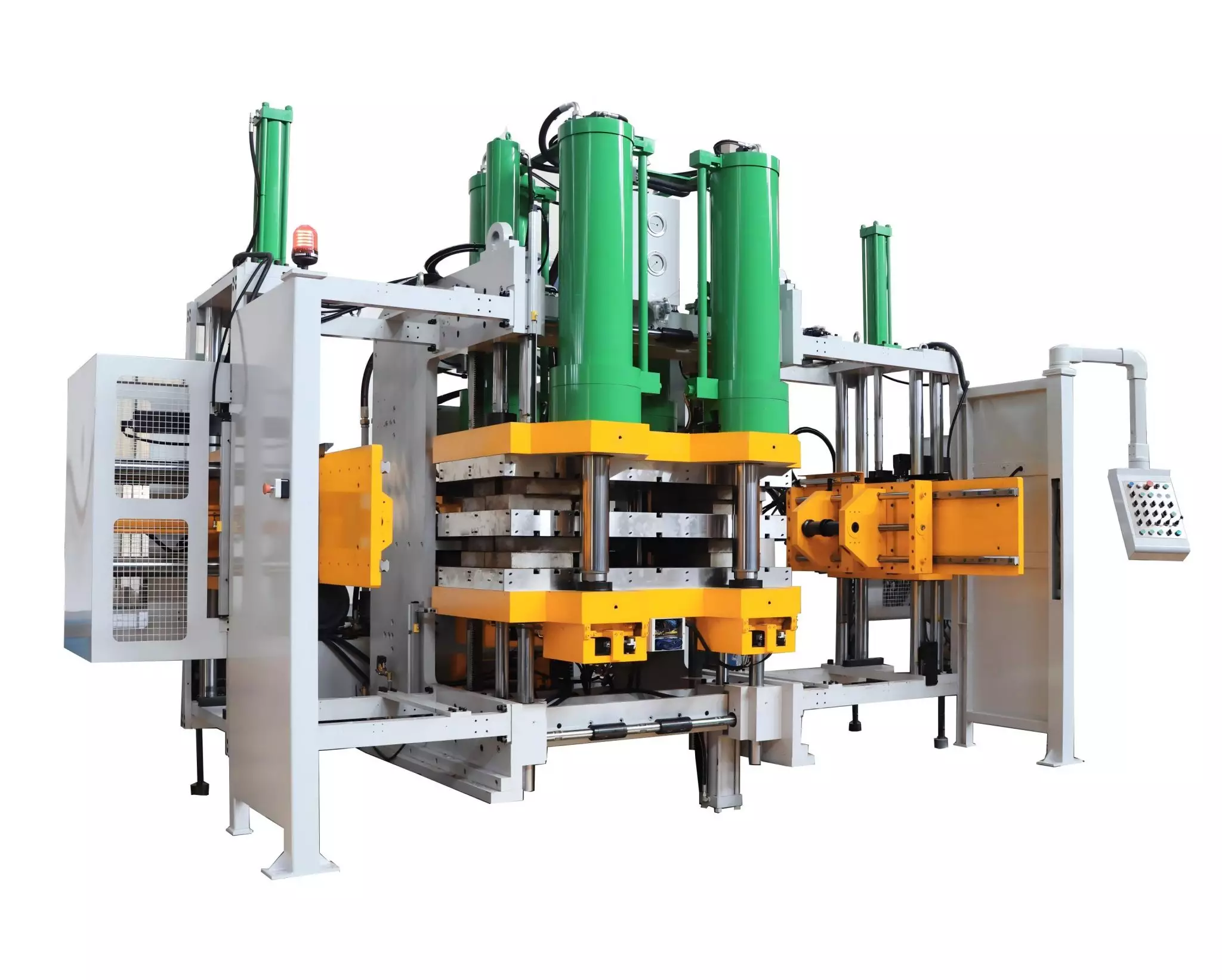
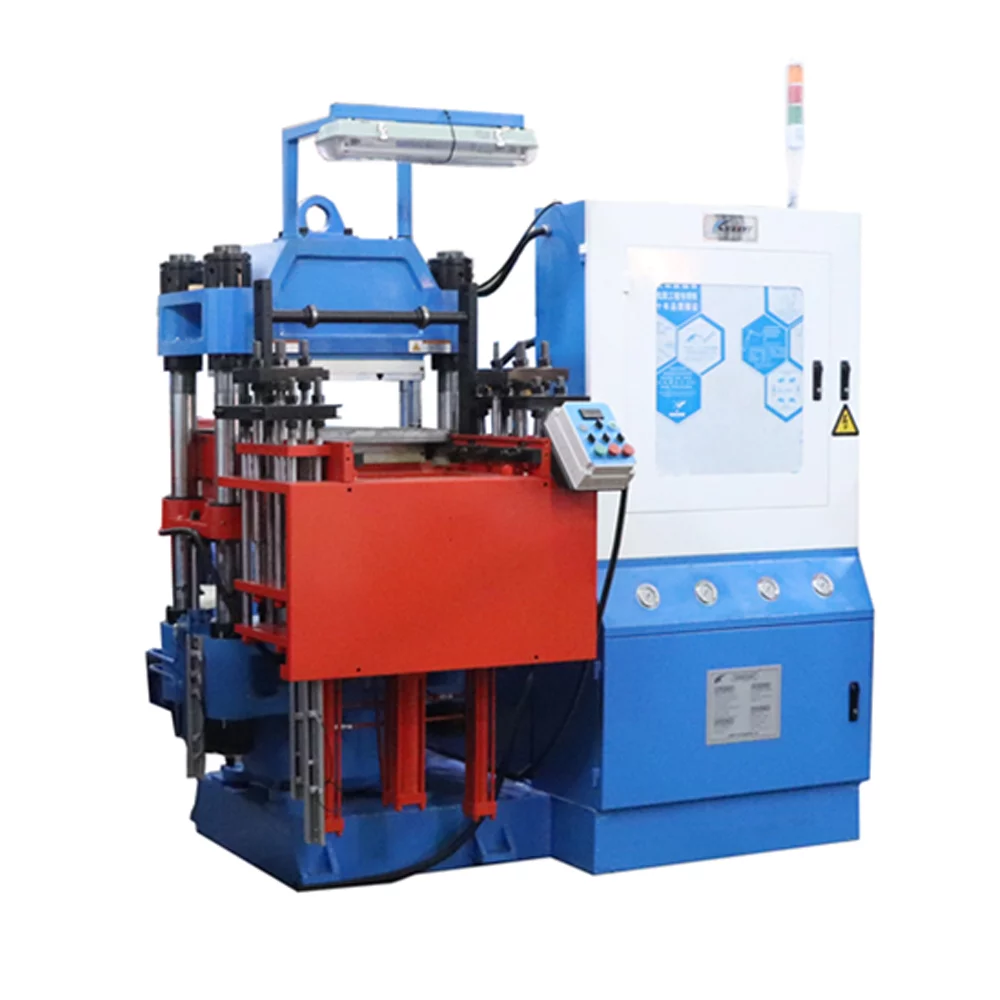
Long-term mechanical stability in high-volume rubber processing depends heavily on structured technical support, ongoing component monitoring, and responsive vendor assistance. Integrating a complex horizontal rubber injection molding machine into an automated plant floor requires robust technical support throughout installation, operational calibration, and routine component servicing. Our engineering group at HWAYI structures comprehensive service frameworks to assist industrial facilities in maintaining high equipment availability and operational stability.
Procuring industrial machinery establishes a multi-year technical relationship between equipment manufacturers and plant engineering teams. Operating a heavy-duty horizontal molding machine efficiently involves access to specialized technical documentation, remote diagnostic assistance, and rapid replacement parts logistics to mitigate unplanned downtime.
Structural Assembly and On-Site Equipment Commissioning Protocols
Establishing proper foundation alignment and structural leveling forms the initial stage of technical support during industrial machinery deployment. Field service engineers perform precision laser measurements to verify platen parallelism and tie-bar tension under full hydraulic load.
Proper mechanical setup prevents premature wear on hydraulic seals, injection units, and precision guidance systems. Systematic installation verification protocols allow production plants to achieve baseline operational parameters quickly while maintaining strict mechanical safety compliance.
Technical Training Programs for Operator and Maintenance Teams
Providing comprehensive technical instruction for plant technicians strengthens operational safety and improves daily equipment performance. Field training programs focus on hydraulic schematic interpretation, control interface navigation, and preventative maintenance schedules.
Skilled operators identify parameter deviations early, adjusting clamp pressure or barrel thermal profiles before defects occur. Thorough technical training reduces operator error, extending component service life and optimizing daily production output.
Predictive Diagnostic Monitoring and Remote Troubleshooting Capabilities
Modern control platforms integrate network connectivity to allow remote diagnostic evaluations of hydraulic pressures, motor loads, and thermal trends. Remote troubleshooting capabilities enable technical specialists to identify sensor anomalies and software errors without requiring immediate on-site visits.
Analyzing historical machine telemetry assists engineers in identifying subtle operational parameter drift before major system faults occur. Real-time diagnostic evaluation minimizes diagnostic delays, accelerating corrective actions and preserving production schedules.
Advanced Dosing Unit Servicing for High Voltage Insulator Production
Specialized liquid silicone manufacturing setups demand tailored maintenance protocols due to the unique viscosity and curing properties of Liquid Silicone Rubber (LSR materials. Equipment configured for power transmission components requires precise mechanical calibration of metering pumps, color dosing channels, and hydraulic mixing valves.
For specialized high-voltage application lines, our LSR Insulators Molding Machine incorporates an LSR clamping unit teamed with an LSR pump machine with dosing unit. This specialized hardware supports manufacturing requirements for up to 1000 kV high hollow core insulators, arrestors, high voltage cable joint bodies, stress cones, and cable terminals.
Hydraulic Calibration and Servo System Tune-Up Protocols
Hydraulic power units demand periodic fluid analysis and valve response calibration to preserve precise flow control during high-pressure cycles. Servicing variable-speed servo pumps involves checking fluid cleanliness levels, replacing high-pressure filters, and inspecting accumulator pre-charge levels.
Calibrating hydraulic proportional valves allows a high-capacity horizontal rubber injection molding machine maintains accurate injection profiles across varied material viscosities. Systematic hydraulic maintenance reduces pressure spikes, reducing structural fatigue across internal manifold blocks.
Spare Parts Management and Rapid Component Logistics Networks
Maintaining immediate access to critical spare parts remains essential for reducing operational disruptions during unexpected mechanical failures. Machine vendors maintain inventory networks stocked with replacement seals, heating cartridges, pressure transducers, and electronic modules.
Standardizing key mechanical components across processing lines simplifies inventory management for manufacturing plants. Technical service agreements streamline component dispatch, allowing maintenance teams to replace worn parts swiftly during scheduled service windows.
Control System Upgrades and Software Optimization Services
Evolving processing technologies allow plant engineers to upgrade software interfaces, control algorithms, and data logging modules on existing equipment. Upgrading control software enhances temperature regulation accuracy and optimizes energy consumption profiles during idle phases.
Operating a modern horizontal molding machine with updated control firmware enables seamless integration with factory MES networks and Industry 4.0 data platforms. Technical software support extends equipment functionality, keeping older machinery aligned with current production standards.
Preventative Maintenance Schedules and Performance Auditing
Structured preventative maintenance programs establish scheduled inspection intervals for mechanical, hydraulic, and electrical subsystems. Technical specialists perform thermal imaging scans across electrical cabinets, check tie-bar strain balances, and test emergency safety interlocks.
Comprehensive service reports document machine wear trends, identifying components that require replacement before failure occurs. Routine auditing stabilizes production quality, lowers total operational costs, and preserves long-term asset value. When audit data is trended over multiple service cycles, it becomes a predictive tool that enables maintenance planners to schedule interventions during planned shutdowns—transforming unexpected breakdowns into controlled, budgeted events that do not compromise production targets.
Conclusion
Evaluating post-sales support structures requires examining installation assistance, technical training, spare parts availability, and long-term diagnostic services. Through our commitment at HWAYI, we strive to deliver responsive technical partnerships and robust service frameworks that support industrial manufacturers sustain stable, high‑output production with minimal downtime.