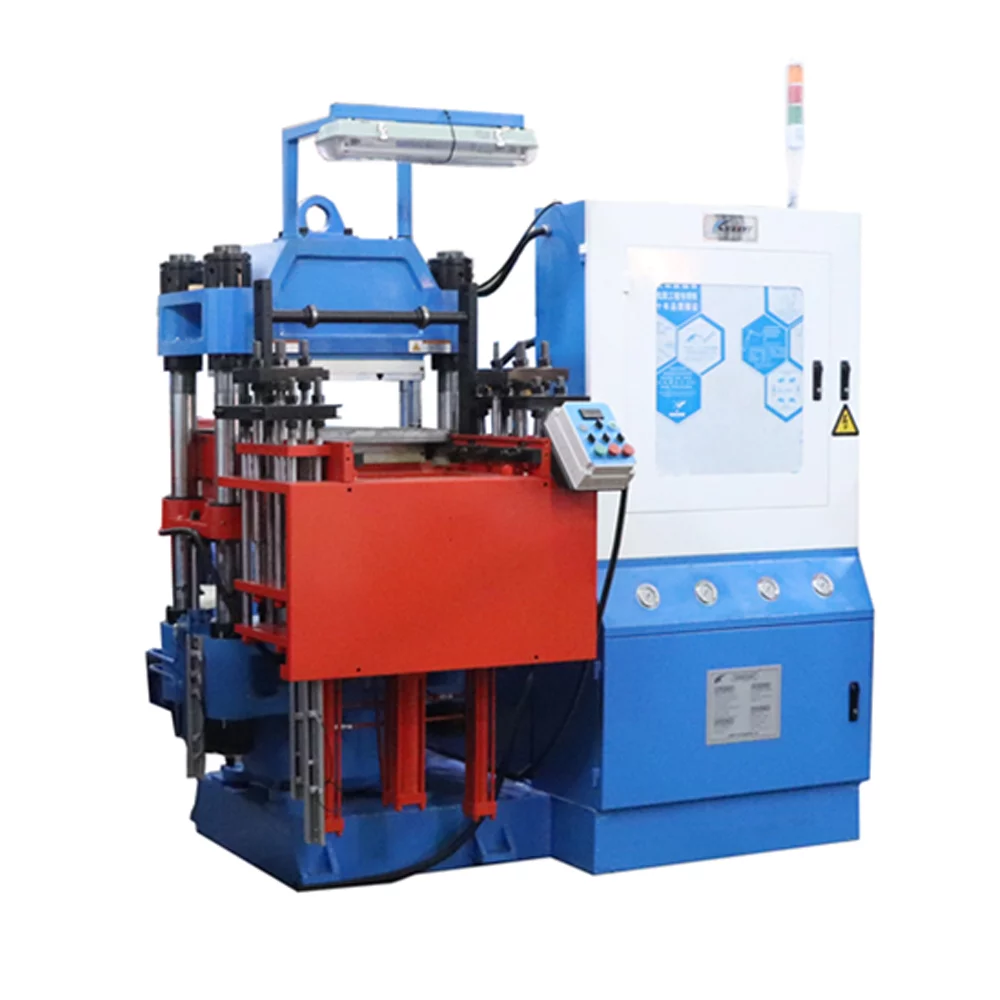
Achieving high dimensional accuracy in cured rubber components requires meticulous control over thermal dynamics, platen parallelism, and hydraulic force modulation. Operating a heavy-duty rubber vulcanizing machine involves managing complex polymer cross-linking reactions while preventing micro-defects caused by temperature fluctuations or compression variances.
Modern rubber processing equipment relies on integrated electronic monitoring, multi-zone heating, and precise pressure compensation to maintain product consistency across repetitive molding cycles. At HWAYI, we partner with industrial plants to implement calibrated processing methodologies that ensure continuous cross-linking accuracy, even when working with challenging rubber compounds.
Optimizing Platen Heating Uniformity Across Thermal Zones
Thermal distribution across platen surfaces directly impacts the cross-linking speed and overall mechanical properties of vulcanized rubber parts. Multi-zone electric or steam heating channels must maintain tight thermal tolerances to prevent localized under-curing or thermal degradation.
Uneven heat dissipation across large mold plates creates thermal gradients that yield inconsistent durometer hardness across finished parts. Engineers utilize multi-point thermocouple sensors to track temperature fields and make dynamic adjustments across individual heating zones.
Hydraulic Force Modulation and Parallelism Maintenance
Sustaining constant clamping force prevents parting-line flash and maintains precise wall thickness dimensions throughout the curing phase. Hydraulic systems must compensate for thermal expansion as hot mold plates interact with cold raw compound charges.
Heavy-duty structural frames and precision-guided tie-bars prevent platen tilting under peak compression tonnage. Maintaining structural parallelism under continuous load cycles safeguards delicate mold cavities against premature wear and dimensional distortion.
Advanced Vacuum Processing for Bubble Reduction
Trapped air and volatile gases create internal voids and surface blemishes that compromise the structural integrity of molded rubber components. Vacuum chambers enclose mold tooling during initial clamping steps to extract trapped air before cross-linking begins.
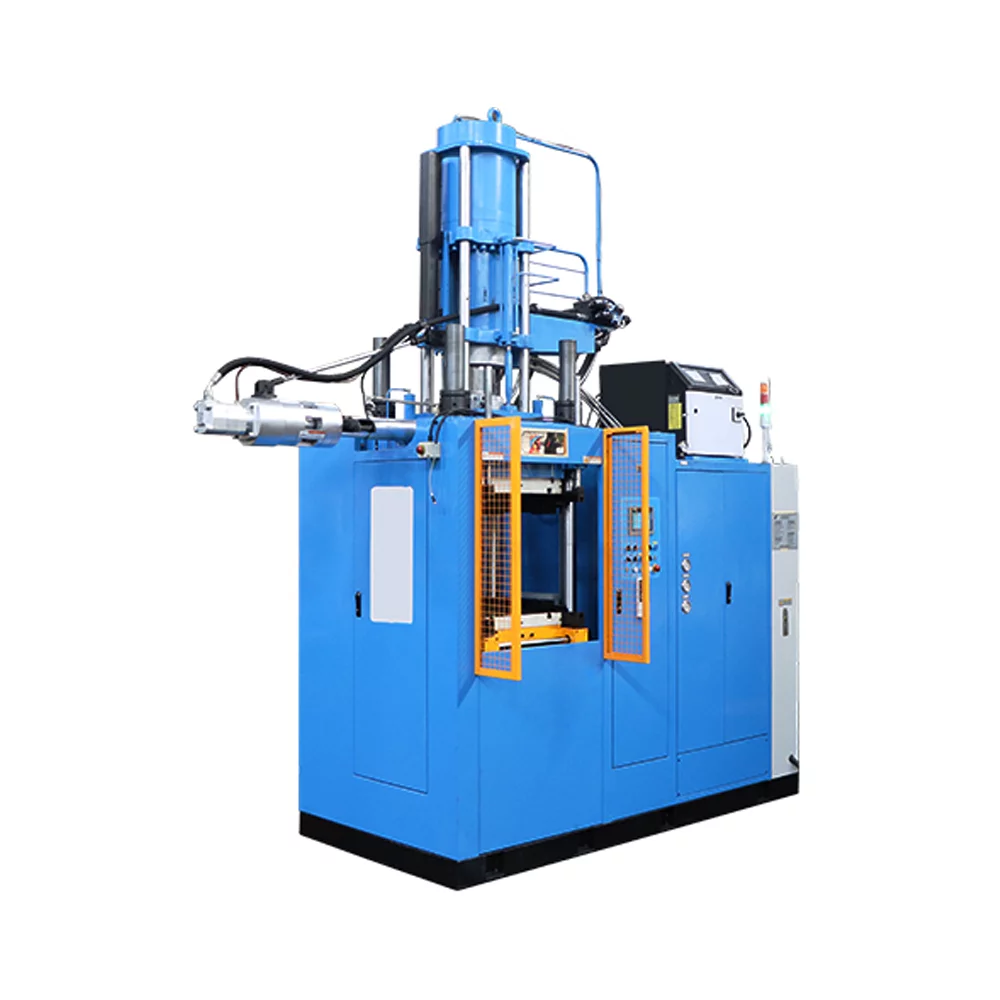
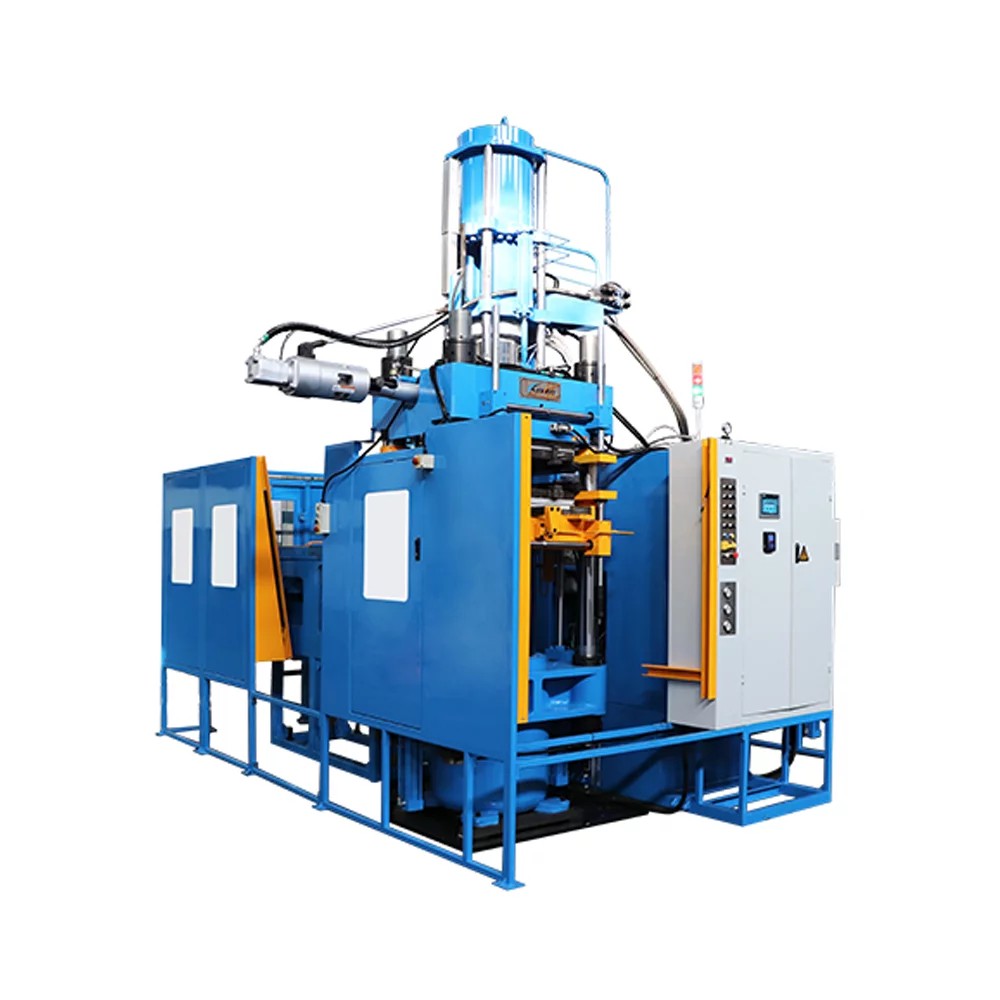
Deploying specialized hardware, such as our V Series Vacuum Vulcanizing Machine, creates a low-pressure environment that accelerates degassing without disrupting material placement. Vacuum assistance reduces scrap rates effectively during high-density component manufacturing.
Integrating Traditional Compression Machinery for Cost-Effective Output
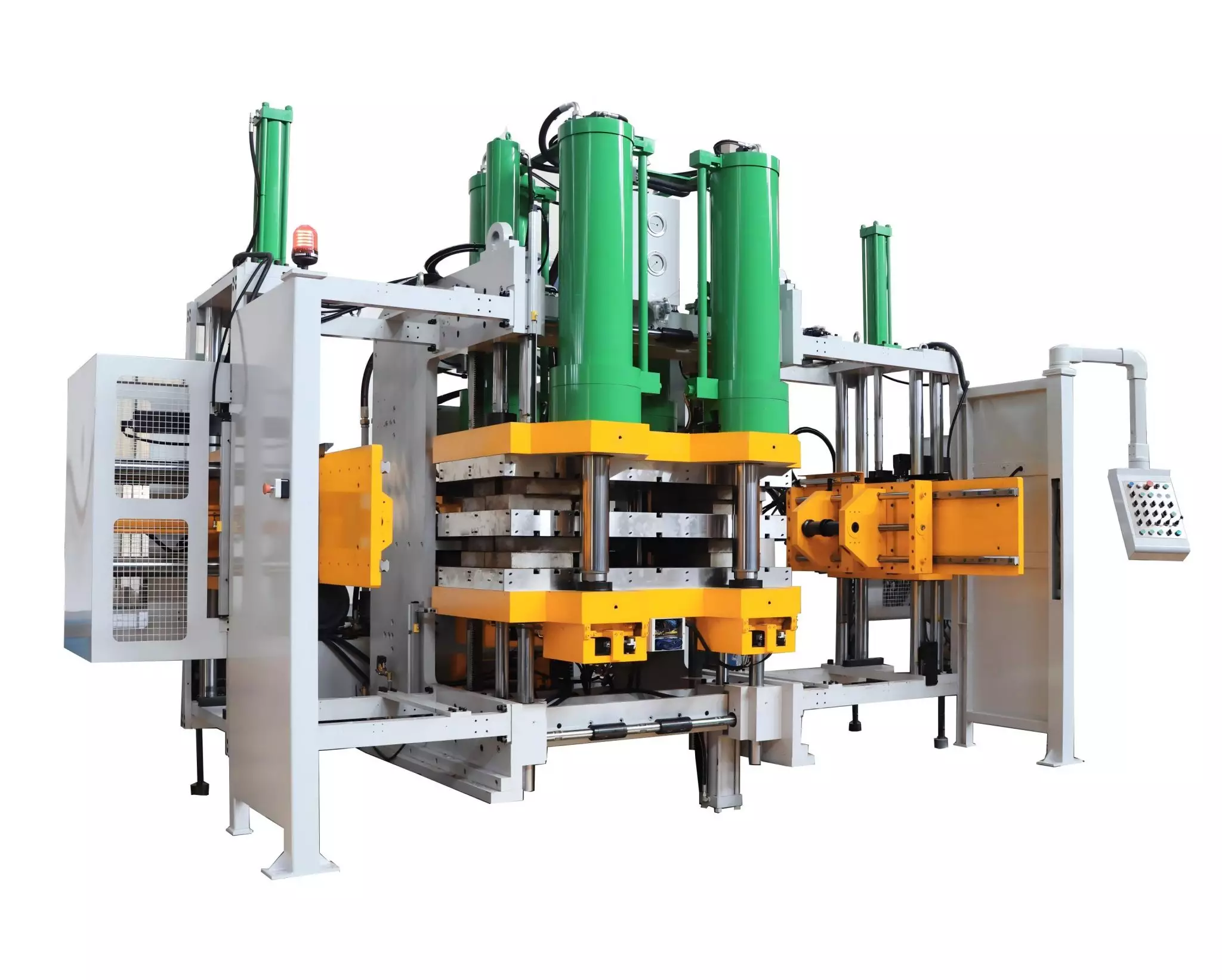
Standard compression molding methods remain highly effective for producing heavy industrial sheets, engine mounts, and solid sealing rings. Utilizing a traditional Rubber Compression Molding Machine offers an economic path for high-tonnage applications where simple cavity geometry matches manual or semi-automated loading methods.
At HWAYI, we analyze compound flow characteristics and mold geometries to optimize cycle timing for these classic press configurations. Balancing thermal pre-heating with proper clamping speeds keeps production costs manageable while maintaining core dimensional tolerances within specified limits.
Sensor Calibration and Closed-Loop Control Architecture
Accurate signal feedback from pressure transducers and linear position sensors enables modern machine controllers to execute multi-stage compression sequences. Closed-loop control systems adjust hydraulic pump output dynamically, matching required tonnage profiles throughout the curing cycle.
An experienced rubber vulcanizing press machine supplier integrates digital control units that continuously log operational parameters for quality verification. Automated calibration routines verify that sensor feedback remains accurate over thousands of continuous production hours.
Polymer Flow Behavior and Scorch Prevention Protocols
Raw elastomeric compounds undergo rapid viscosity changes upon contacting pre-heated mold surfaces before vulcanization initiates. Controlling initial closing speeds allows viscous compounds to fill intricate cavity details fully before scorch reactions occur.
If raw compound experiences excessive heat before filling the cavity completely, premature cross-linking prevents full material consolidation. Precise displacement control on a rubber vulcanizing machine regulates initial mold contact speed, maintaining smooth compound distribution.
By synchronizing platen closure rate with the compound’s specific scorch time, operators can optimize flow dynamics without accelerating cross-linking prematurely—a balance that becomes increasingly critical when processing high-viscosity or heat-sensitive formulations. This timing precision not only prevents internal voids and weak weld lines but also extends the usable working window of each batch, reducing material waste and improving overall process stability across production cycles.
Material Tensioning and Structural Insert Alignment
Manufacturing reinforced rubber components containing internal metal cores or fabric plies requires specialized positioning tools to prevent insert displacement. Mold fixtures must secure internal components firmly while rubber flows around structural inserts under high hydraulic pressure.
Displaced internal inserts compromise mechanical load distribution, causing early component fatigue during dynamic field operations. Working alongside an expert rubber vulcanizing press machine supplier assists manufacturing facilities in designing specialized clamping protocols for complex insert-molded assemblies.
Environmental Controls and Energy Conservation Dynamics
Modern industrial rubber processing facilities prioritize energy-efficient hydraulic drives and insulated platen assemblies to lower factory power consumption. Variable-frequency servo motors adjust pump speeds based on active curing phases, drawing power primarily during movement or pressure building steps.
At HWAYI, we design modular thermal insulation layers around platen borders to reduce radiated heat loss into working environments. Minimizing thermal dissipation lowers ambient cooling loads, establishing a cleaner and more cost-effective manufacturing facility.
Conclusion
Sustaining high curing precision across industrial rubber production requires holistic control over thermal management, hydraulic stability, and structural design. Our team at HWAYI provides engineered processing solutions and ongoing technical guidance, empowering global manufacturers to achieve consistent material quality and operational reliability across demanding applications.