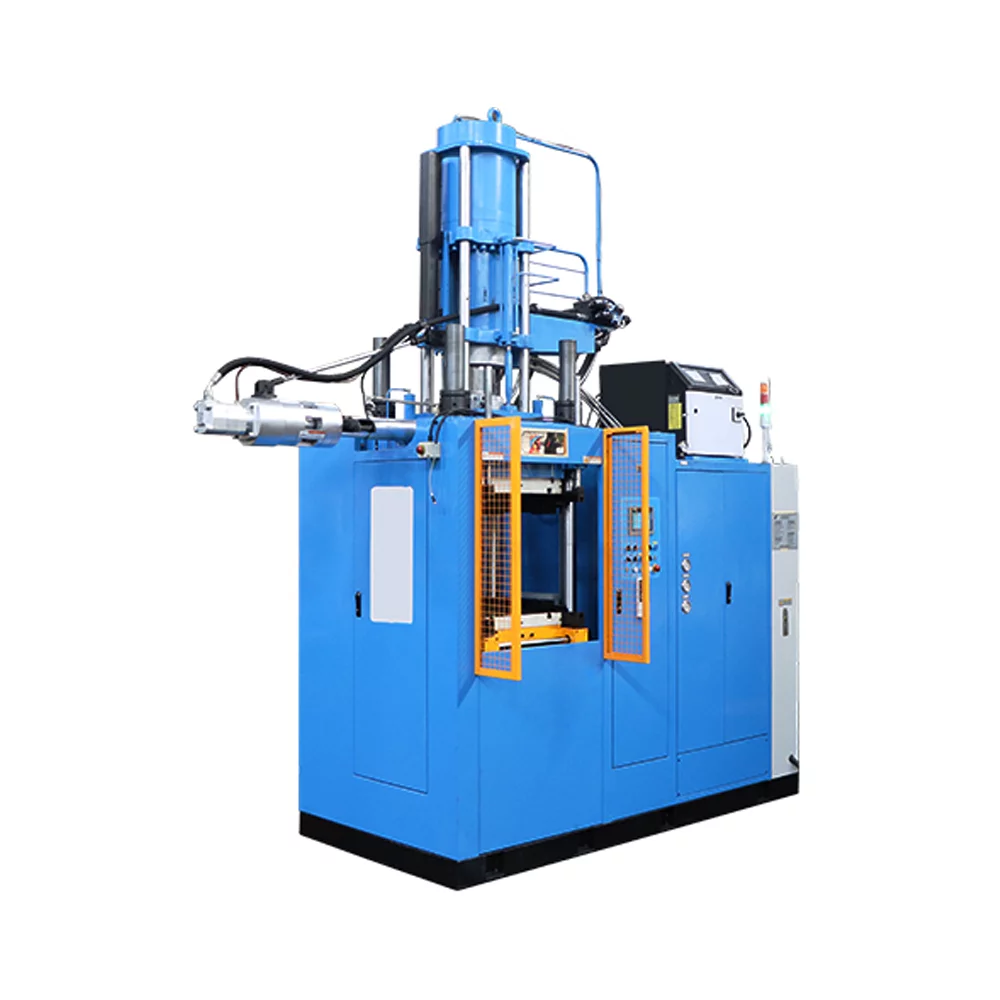
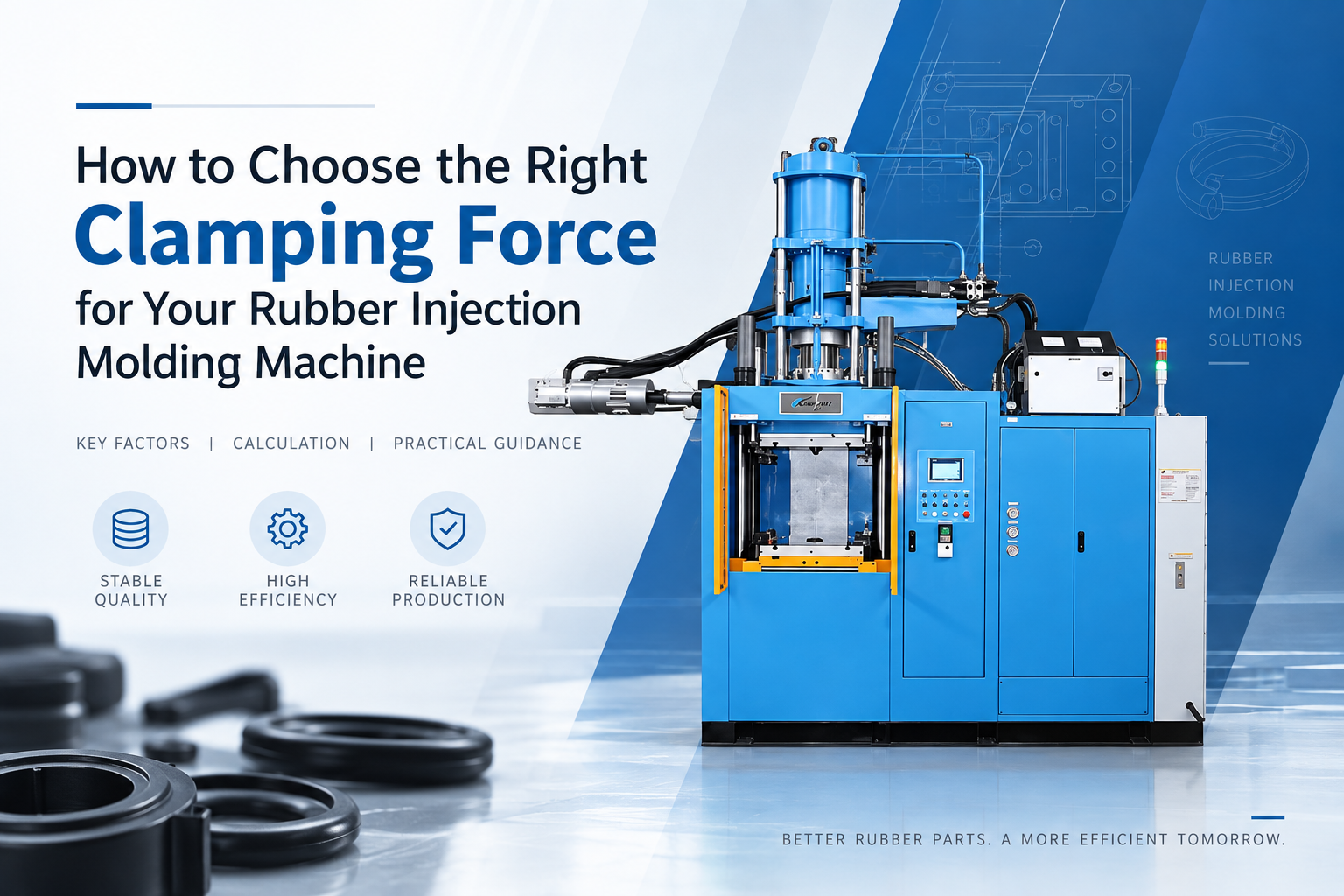
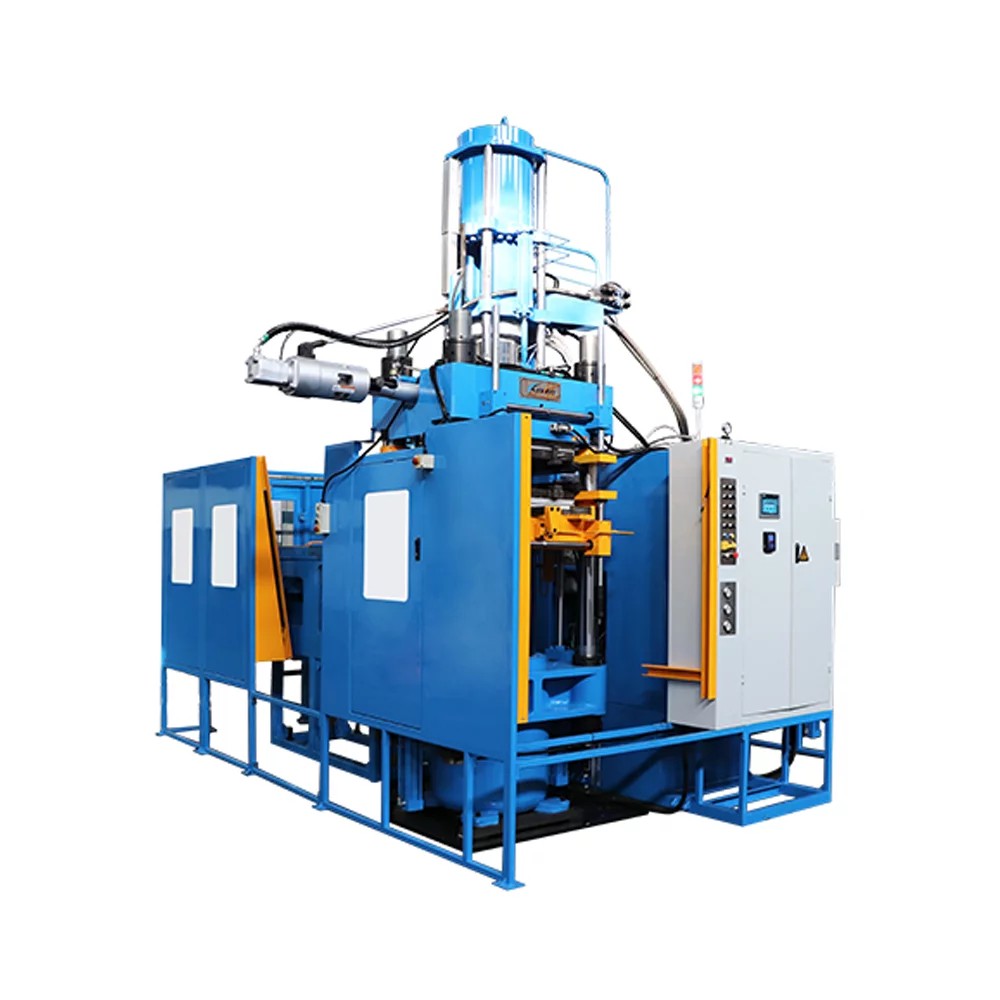
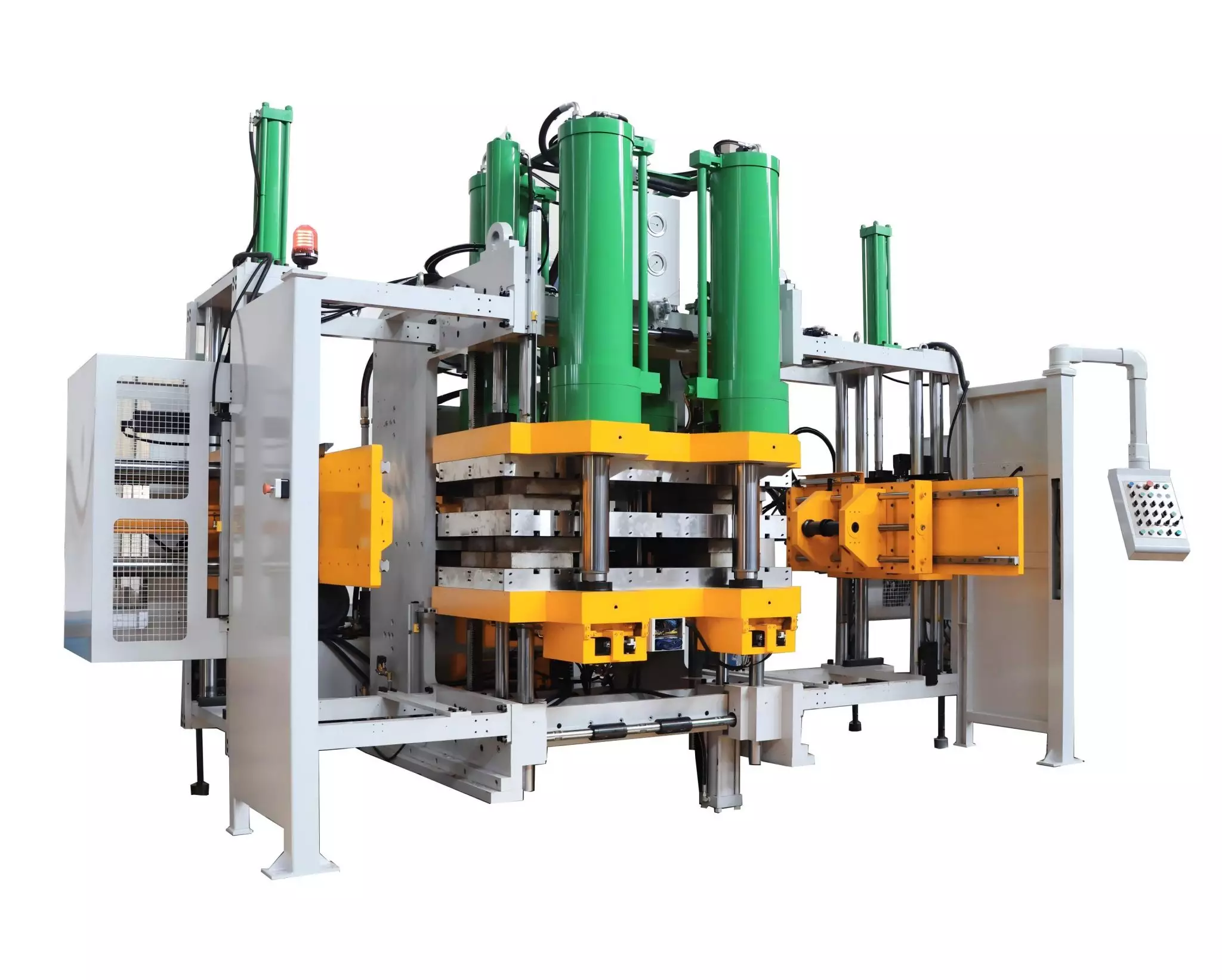
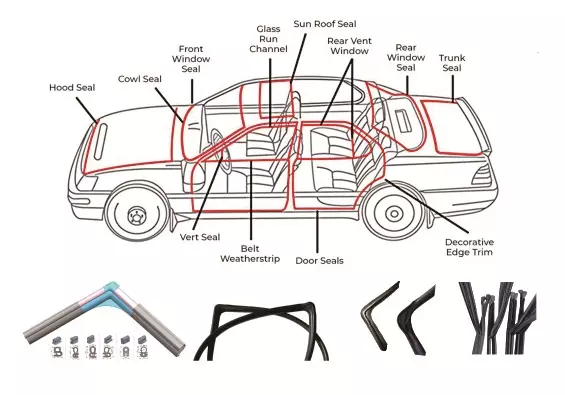
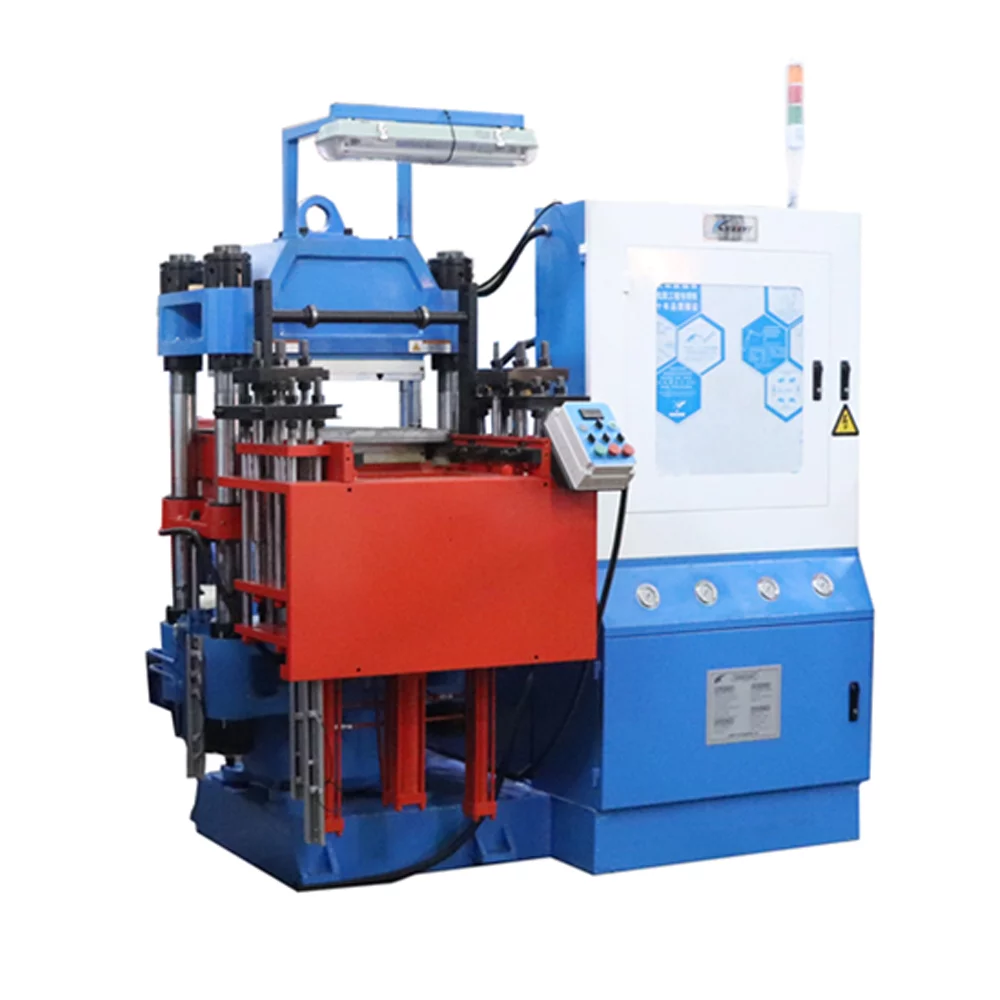
In modern industrial manufacturing, many companies evaluate how to optimize production resources while maintaining stable output. As HWAYI, we have observed that outsourcing to a rubber injection molding machine manufacturer can help businesses reduce internal equipment pressure while focusing more on product design and market development. By working with rubber injection molding companies, manufacturers avoid heavy initial investment in machinery and can better allocate manpower and capital to core operations. This approach is often adopted by automotive and electrical component producers who need flexibility in production planning without sacrificing consistency in molded parts.
Access to Specialized Technical Capabilities
Outsourcing also allows companies to benefit from specialized molding expertise that may not exist in-house. As HWAYI, we work closely with clients who rely on advanced process knowledge to achieve stable rubber forming results. A professional manufacturer typically provides equipment and process support that improves molding precision and repeatability. Many rubber injection molding companies also integrate application experience from multiple industries, helping clients handle complex rubber components such as seals, insulators, and protective parts used in demanding environments.
Flexibility in Production Scale and Cost Control
Another important benefit is the ability to adjust production volume based on demand. In our experience as HWAYI, outsourcing allows companies to scale production up or down without the burden of maintaining unused equipment. Working with a service provider gives businesses access to advanced machinery without capital-heavy purchases. At the same time, cooperation with rubber injection molding companies helps control operational costs while maintaining stable supply chains, especially for industries with fluctuating order volumes.
Improved Focus on Core Business Development
By outsourcing molding processes, companies can redirect internal focus toward product innovation, marketing, and customer service. As HWAYI, we often support clients who prefer to concentrate on system design or assembly rather than equipment operation. A reliable OEM provider ensures stable production output, while rubber injection molding companies handle the technical side of forming processes. This separation of responsibilities helps businesses streamline workflows and improve overall operational efficiency.
Conclusion
Outsourcing rubber molding is not only a cost consideration but also a strategic production decision. As HWAYI, we see that collaboration with professional service providers helps businesses achieve more flexible production planning, access technical expertise, and maintain better resource control. This model is widely applied across automotive, electrical, and industrial rubber component sectors. Ultimately, outsourcing allows companies to strengthen their focus on core development while maintaining reliable manufacturing support through specialized partners like HWAYI.