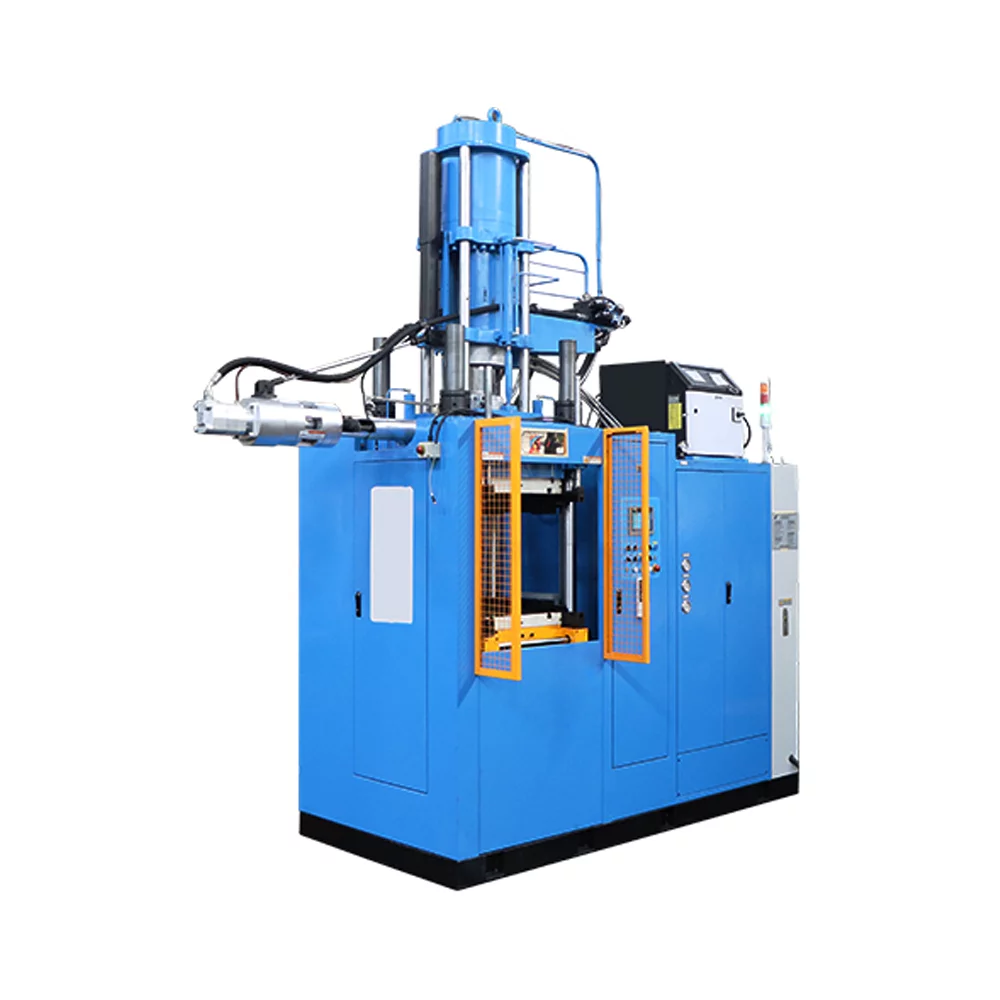
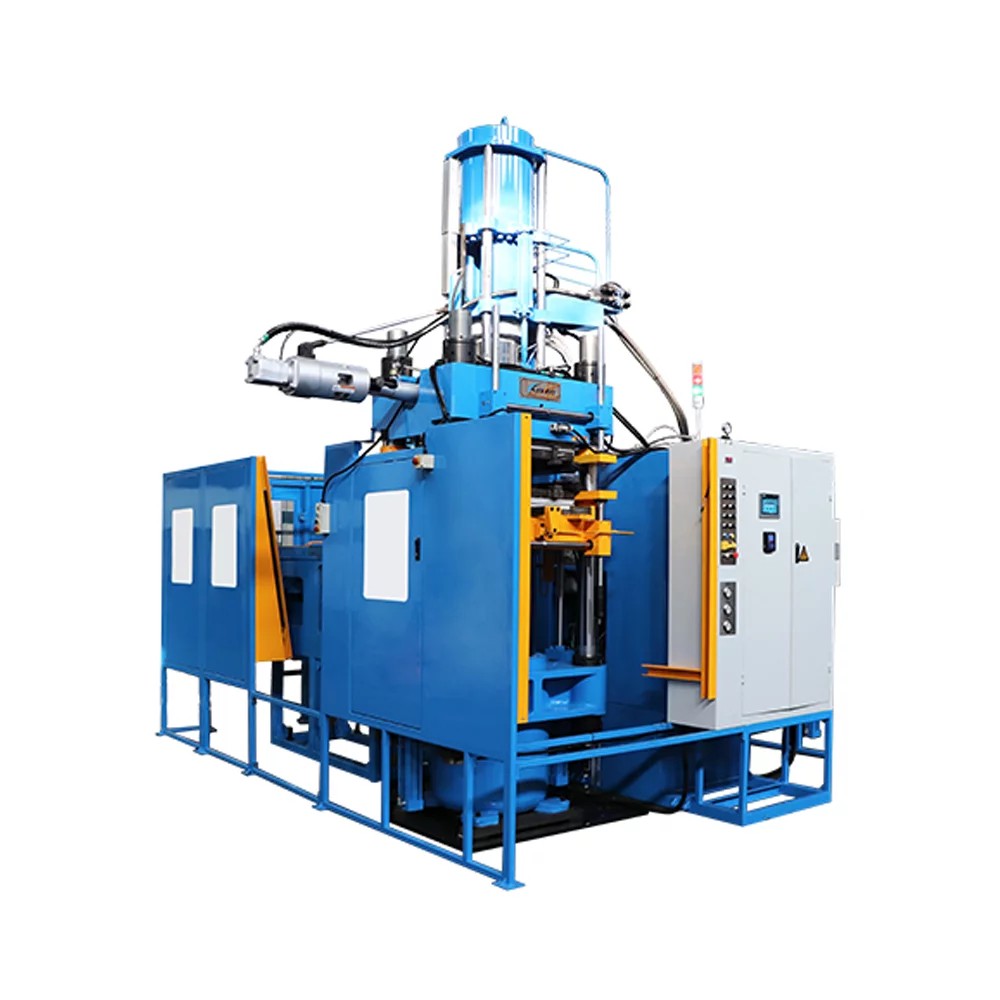
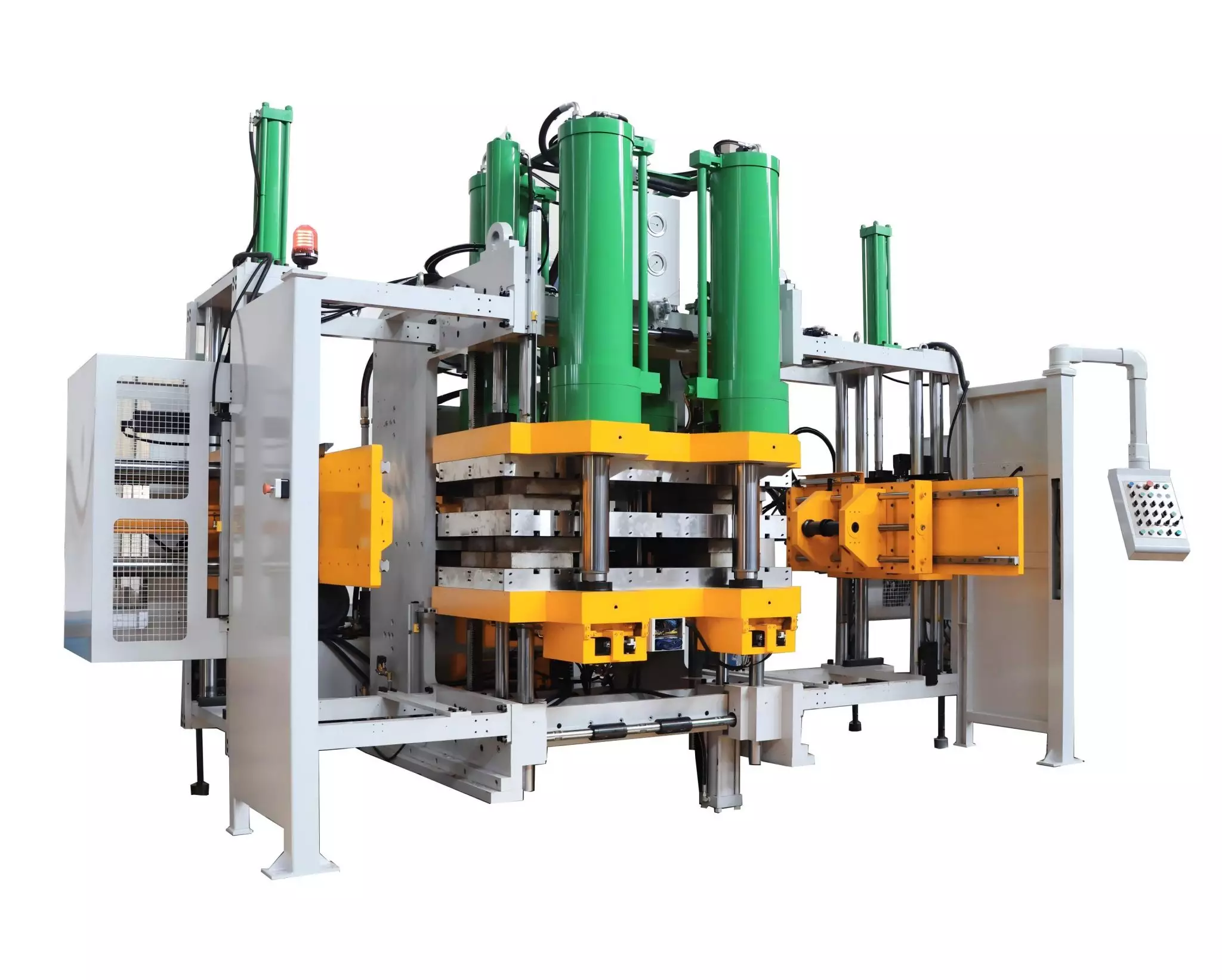
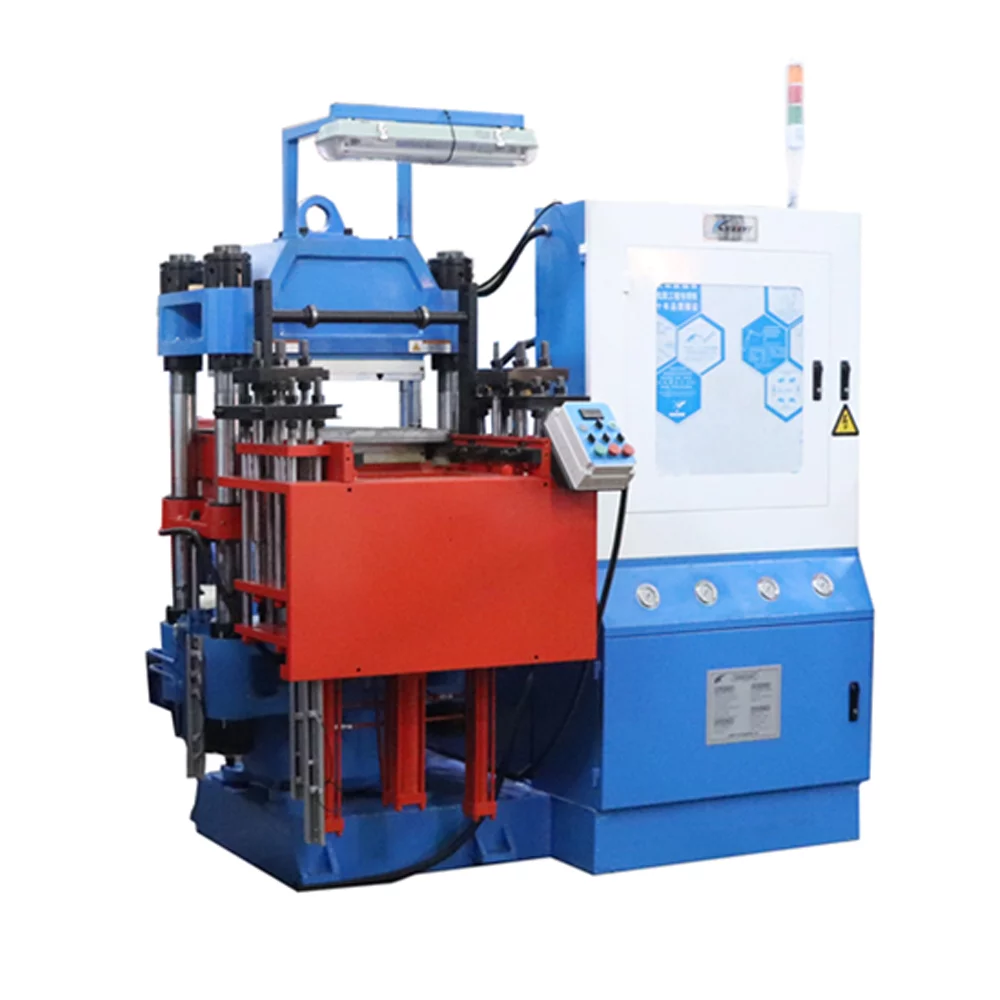
In our daily engineering work at HWAYI, we often evaluate how stable operation affects industrial rubber production systems. As a rubber injection molding machine manufacturer, we focus on how process fluctuations such as pressure instability and temperature variation may gradually influence product consistency. As a rubber machine manufacturer, we also observe that many issues do not appear suddenly but develop through long-term mechanical stress and insufficient maintenance planning. Understanding these early signs helps industrial users maintain stable production output.
Common Mechanical and System Failures
In industrial applications, we frequently analyze the root causes of performance instability in rubber processing equipment. From our experience as a rubber machine manufacturer, hydraulic pressure imbalance is one of the most common issues affecting molding accuracy. Wear in sealing systems and mold misalignment can also lead to uneven product formation. As a manufacturer, we see that these failures are often linked to extended operation cycles and inconsistent maintenance routines. Over time, these factors may reduce overall system efficiency and increase the likelihood of production interruptions. In our engineering practice at HWAYI, we emphasize the importance of monitoring system parameters to identify potential risks before they escalate into serious failures. Regular data monitoring and preventive checks also help reduce unplanned downtime in continuous production environments. This practice is especially relevant in high-demand manufacturing lines where small deviations may accumulate into larger operational inefficiencies.
Prevention Strategies in Industrial Maintenance
To improve long-term operational reliability, we usually recommend structured maintenance strategies combined with proper operator training. As a rubber machine manufacturer, we find that regular inspection of hydraulic systems, temperature controls, and mold positioning significantly reduces unexpected breakdowns. In addition, as an established manufacturer, we emphasize the importance of stable raw material preparation and consistent process parameters, which help minimize unnecessary mechanical stress. At HWAYI, our engineering support approach focuses on integrating preventive maintenance into daily production routines rather than treating it as a separate task. This approach allows users to maintain equipment stability and reduce long-term operational risks across different production environments. Real-time condition monitoring and scheduled maintenance planning can further enhance equipment stability in long production cycles. Such preventive approaches are widely used in industrial environments to maintain consistent output quality and reduce mechanical wear across key components.
Conclusion
In conclusion, understanding common failure patterns and applying preventive maintenance practices can significantly support stable production in industrial rubber processing. As a rubber machine manufacturer, we continue to focus on improving system reliability through practical engineering experience and application-oriented design. Meanwhile, as a service provider, we aim to help users reduce operational risks by optimizing equipment structure and supporting consistent production conditions. These approaches ensure that industrial users can maintain efficient workflows and extend equipment service life without unnecessary interruptions. With consistent application of these methods, industrial operators can better balance productivity demands with equipment longevity in real-world manufacturing conditions. This helps ensure smoother workflow integration across different production stages without unnecessary operational disruptions and supports long-term operational efficiency.