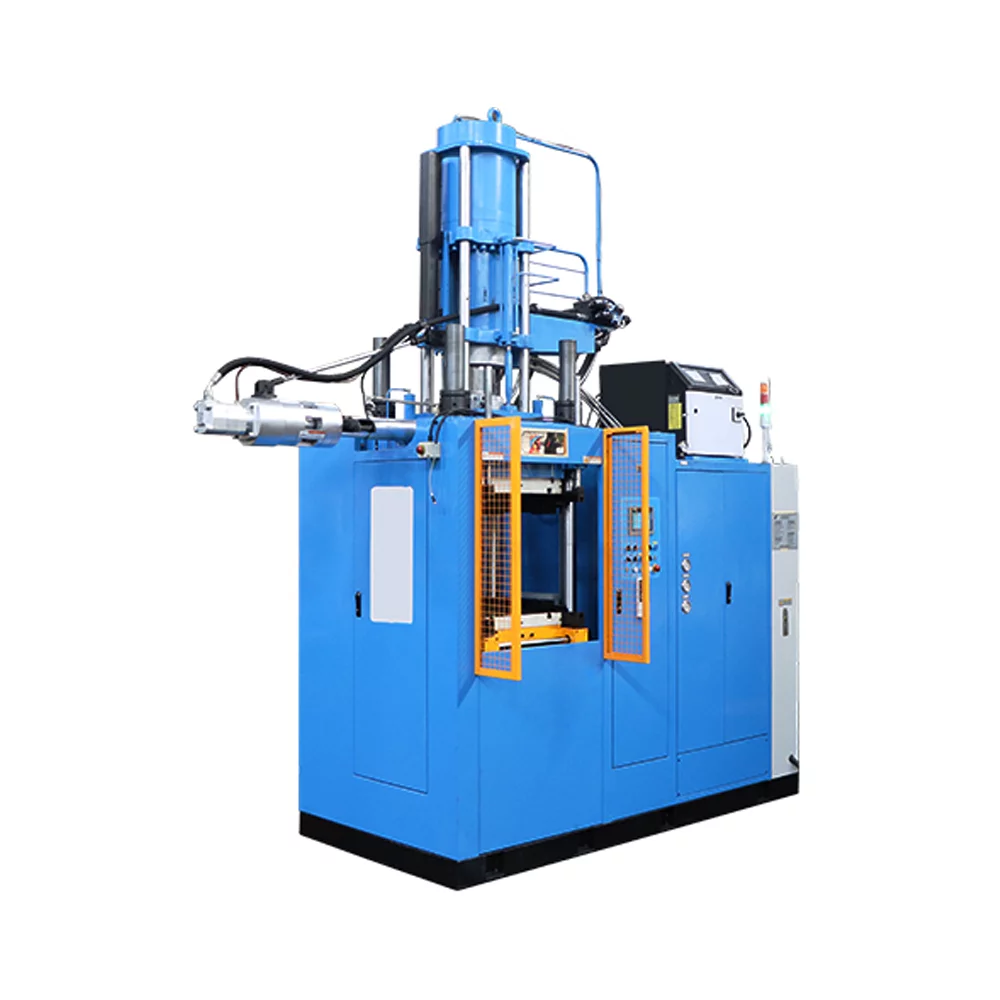
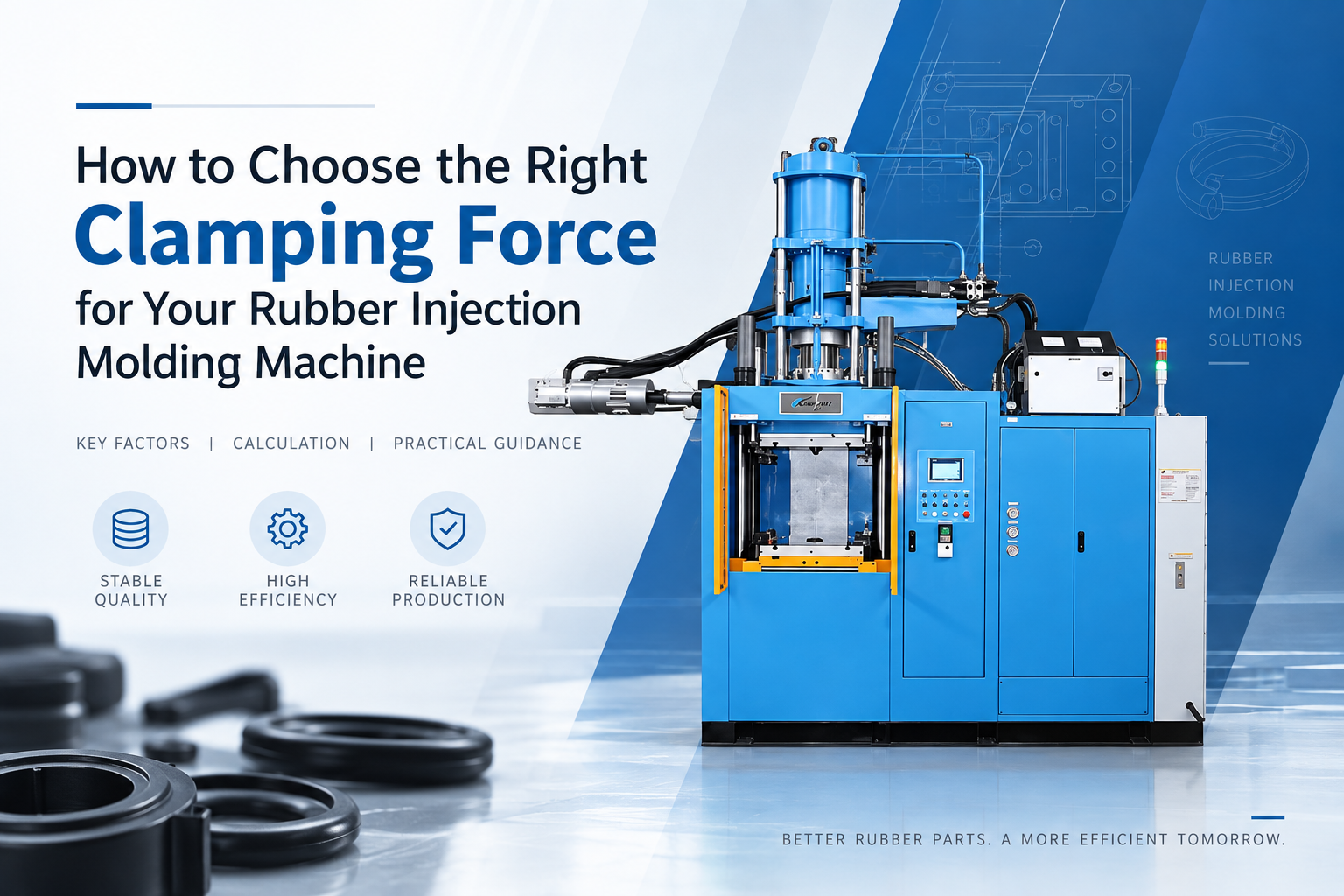
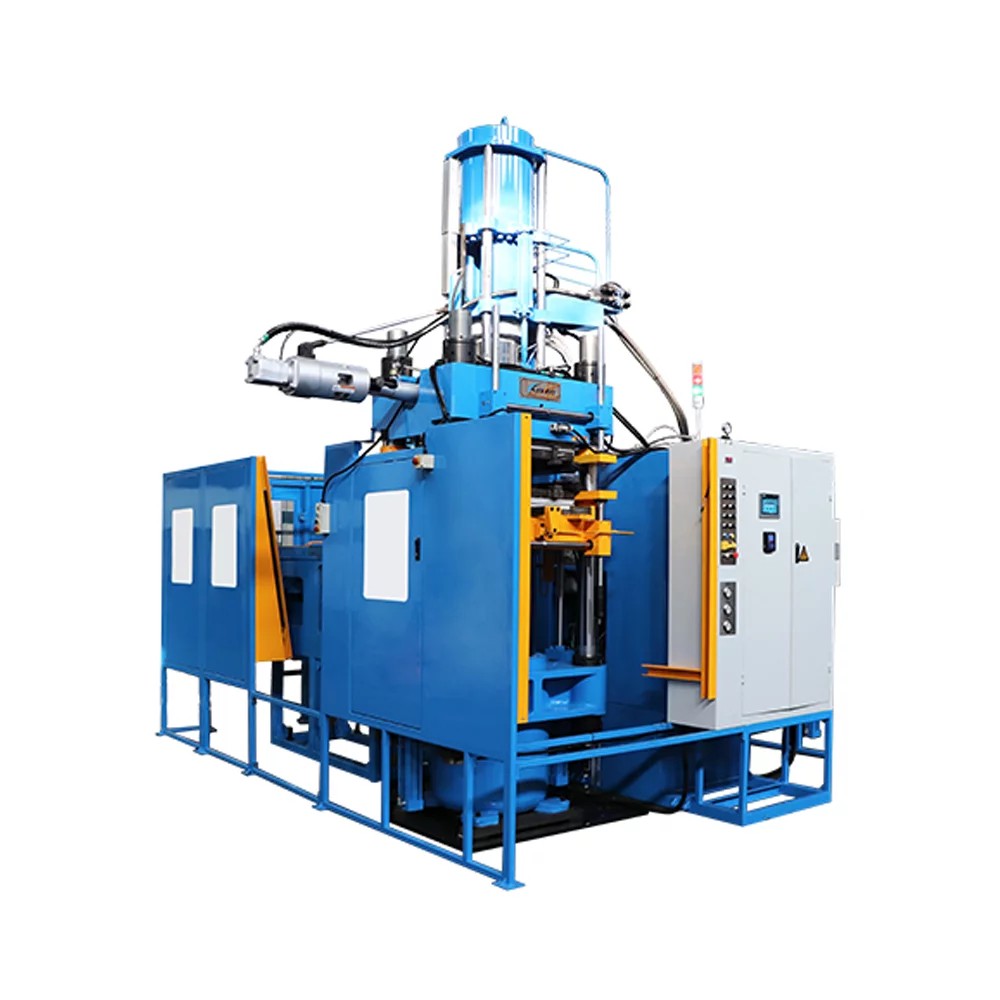
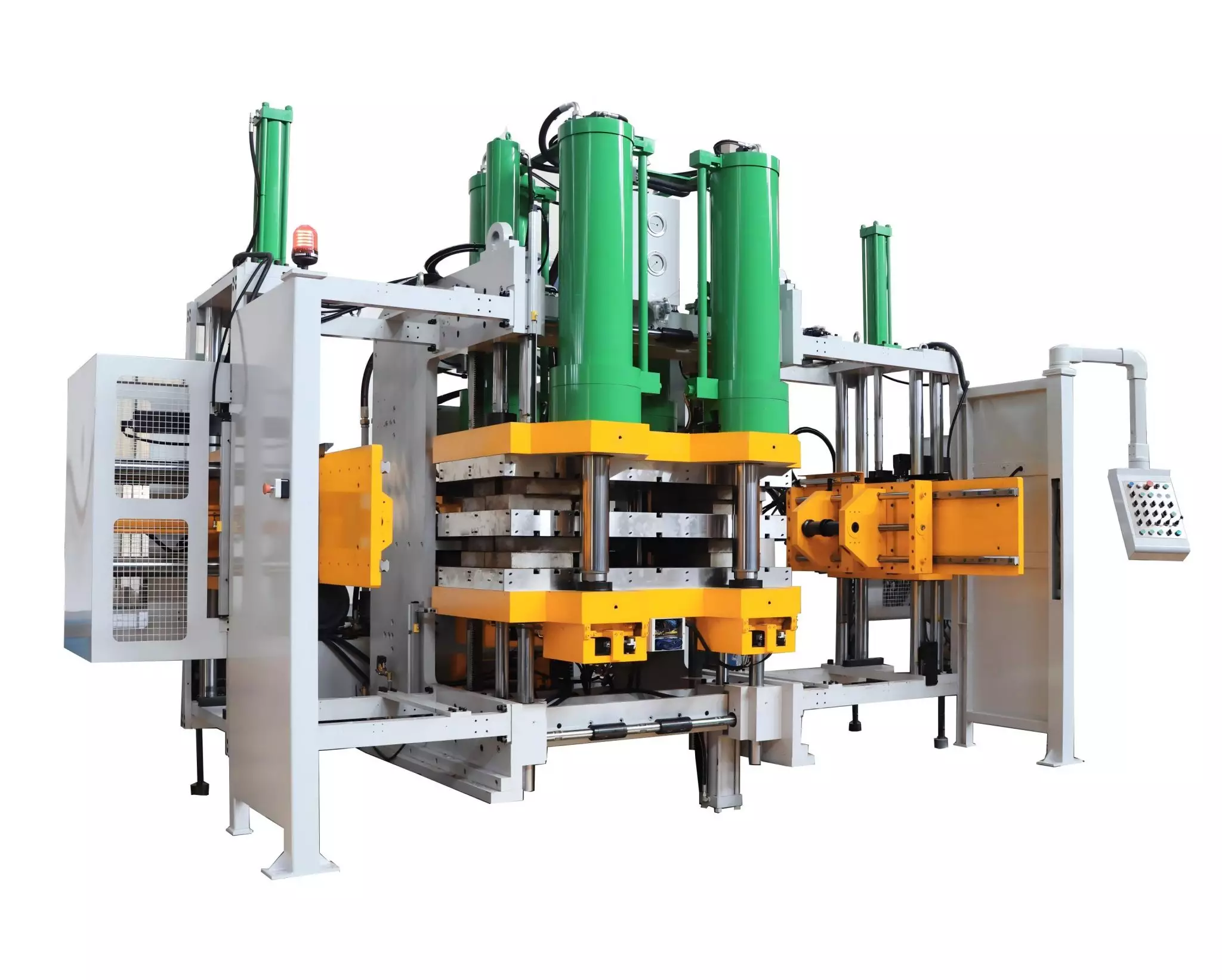
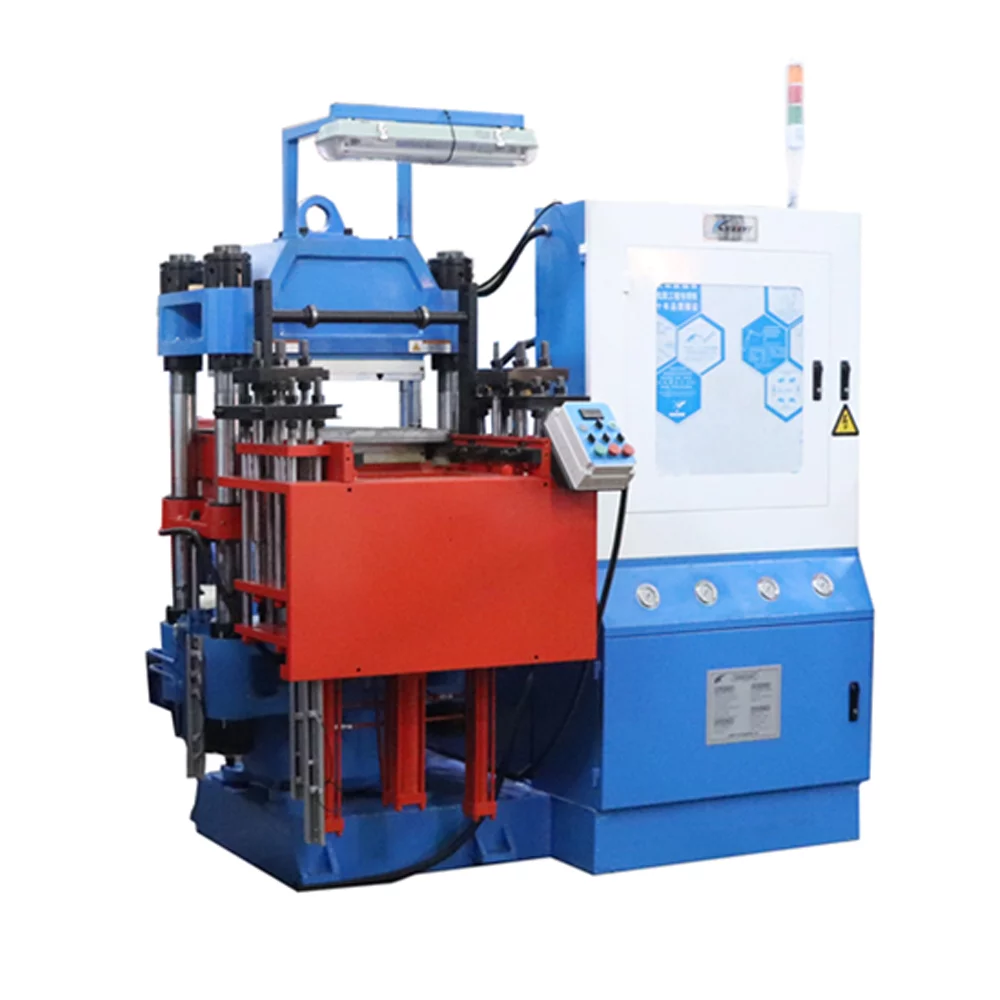
When we work with rubber molding projects, we usually begin by evaluating how much forming force is actually required in the process. The tonnage of a press is closely related to product size, material hardness, and mold structure. In our experience, a HWAYI c frame rubber injection molding machine is often selected when the application requires a compact structure combined with stable forming pressure. We focus on ensuring that the machine tonnage aligns with real production needs rather than selecting higher force without clear process justification.
Matching tonnage with production structure
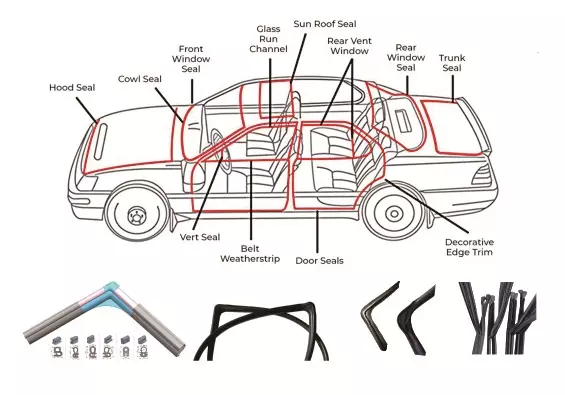
In practical applications, different rubber products require different force levels to ensure proper molding quality. The press machine is generally used in projects where medium tonnage is sufficient for sealing parts, insulation components, or small-to-medium industrial rubber products. We usually evaluate mold cavity distribution and material flow before confirming the tonnage range. In some cases, a balanced medium tonnage setup is more suitable because it supports stable operation while avoiding unnecessary energy consumption during continuous production cycles.
Process stability and machine configuration
From a production perspective, tonnage is not only about force but also about how evenly pressure is distributed during operation. The HWAYI c frame rubber injection molding machine is designed to maintain consistent pressure behavior across different molding cycles, which helps reduce variation in finished products. At the same time, the HWAYI c frame press is applied in workflows where flexible operation and stable clamping force are required. We often adjust configuration details based on product complexity rather than relying on a fixed tonnage assumption.
Application experience in real projects
In our project experience, selecting the right tonnage range depends heavily on the type of rubber component being produced. For example, small precision parts may require lower tonnage, while larger sealing structures may need moderate force levels. The HWAYI c frame rubber injection molding machine is used in these scenarios where process control is important, while the press machine is often integrated into production lines that require repeatable forming conditions. We always evaluate tonnage together with mold design and production rhythm to ensure practical compatibility.
Conclusion
Choosing the correct tonnage range for C frame applications is a process-based decision rather than a fixed value selection. The HWAYI c frame rubber injection molding machine and the press machine are applied in different industrial contexts depending on material behavior and product structure. In our approach, we focus on aligning tonnage with real manufacturing conditions so that the system operates in a stable and practical way within B2B production environments.