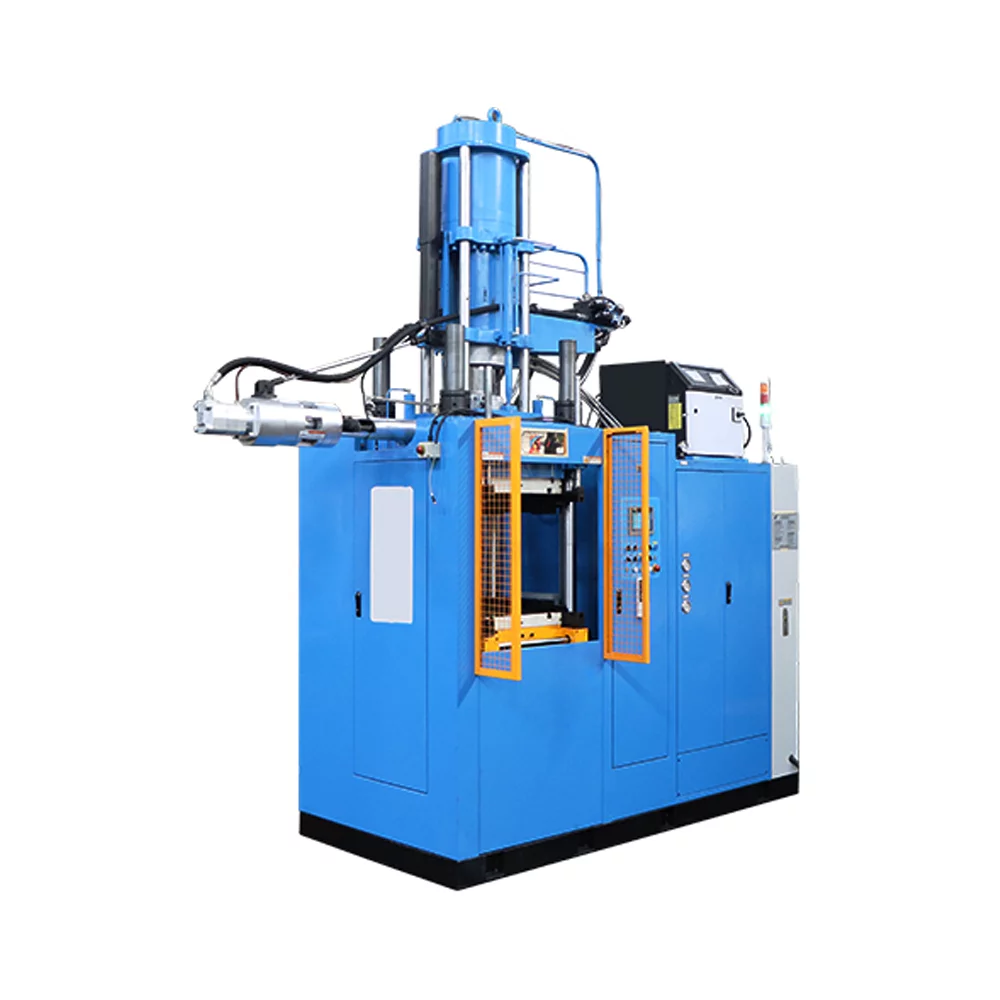
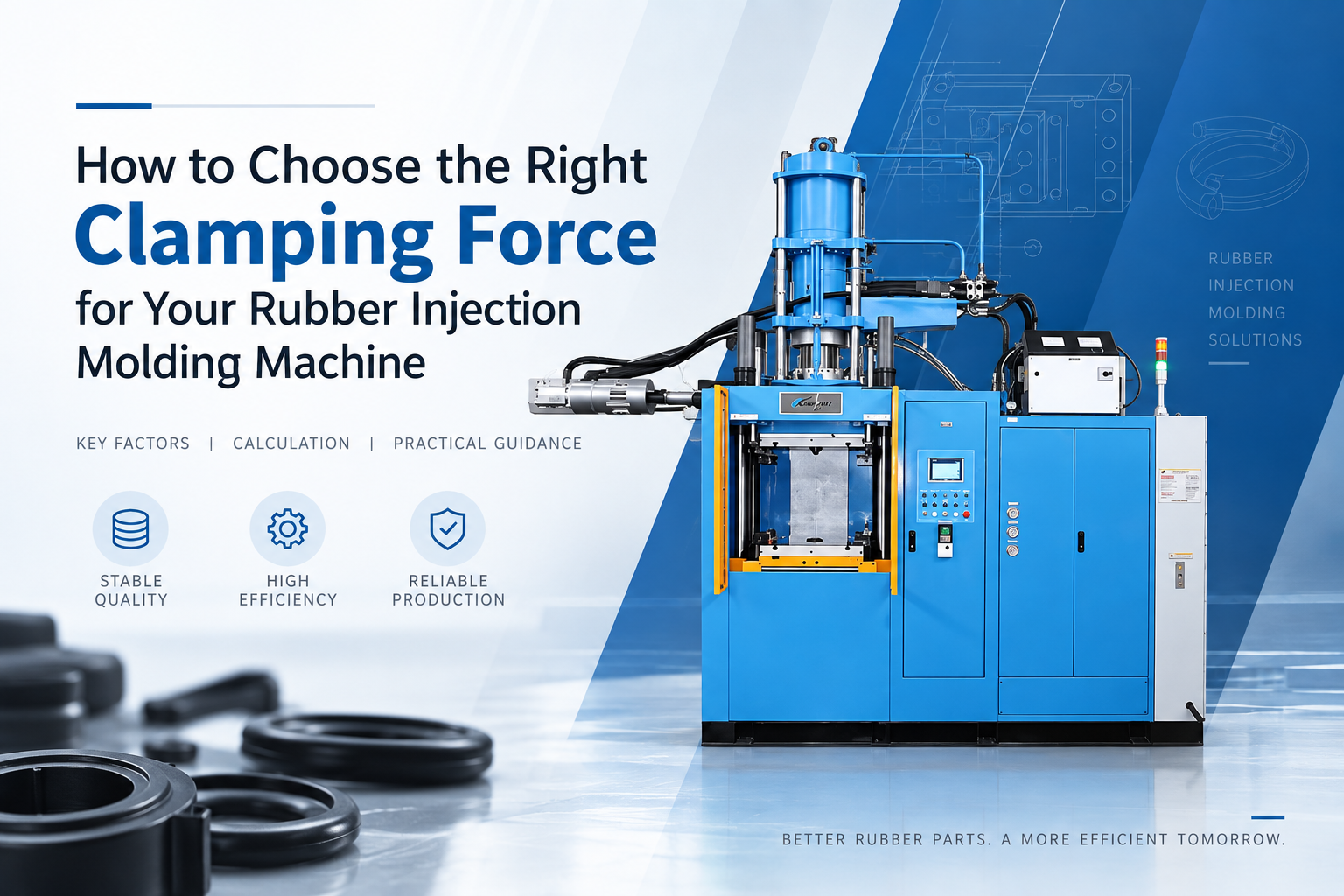
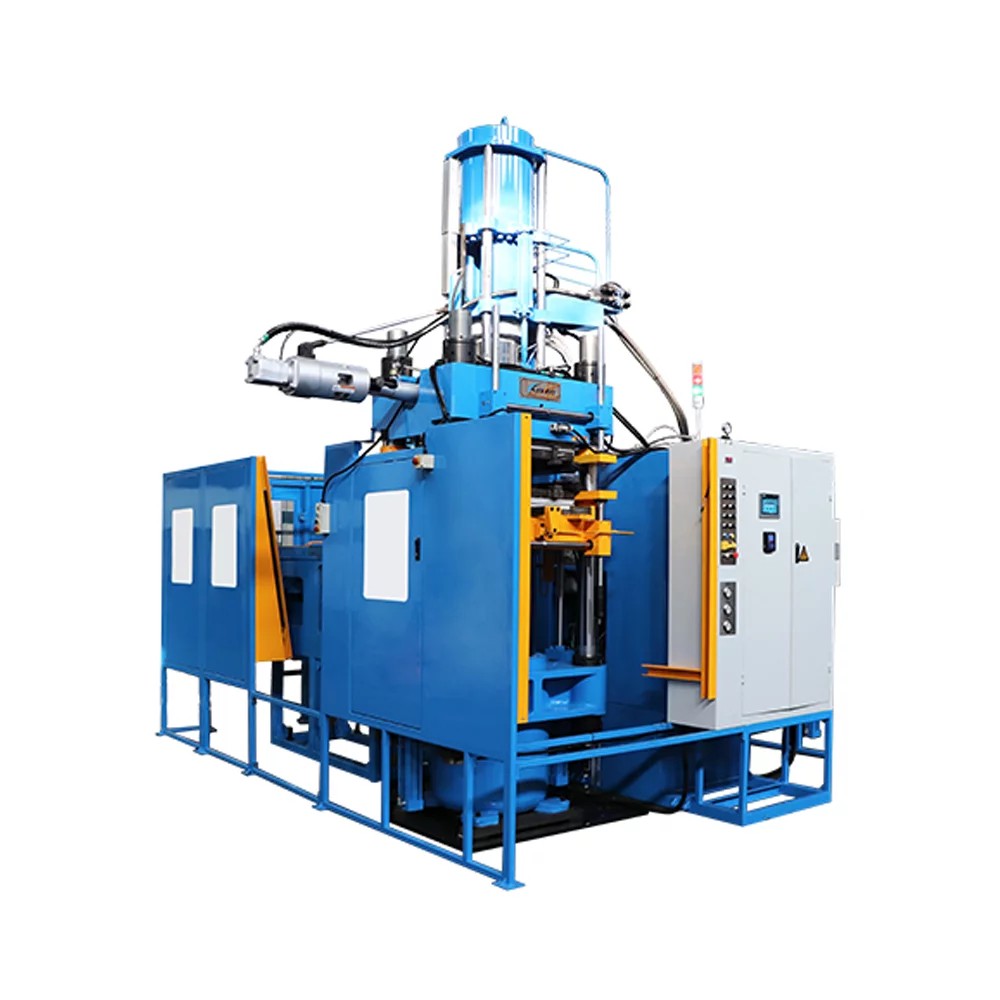
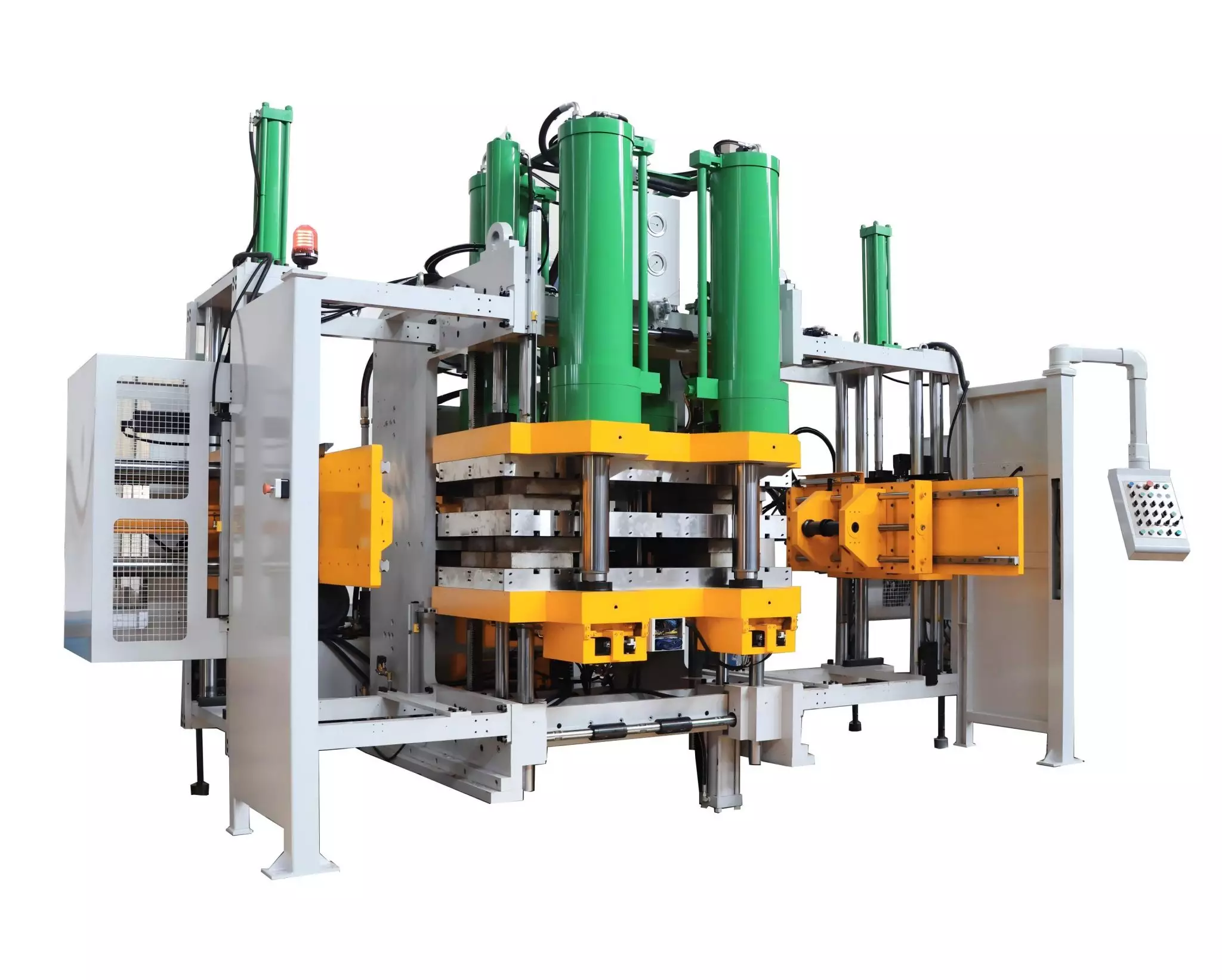
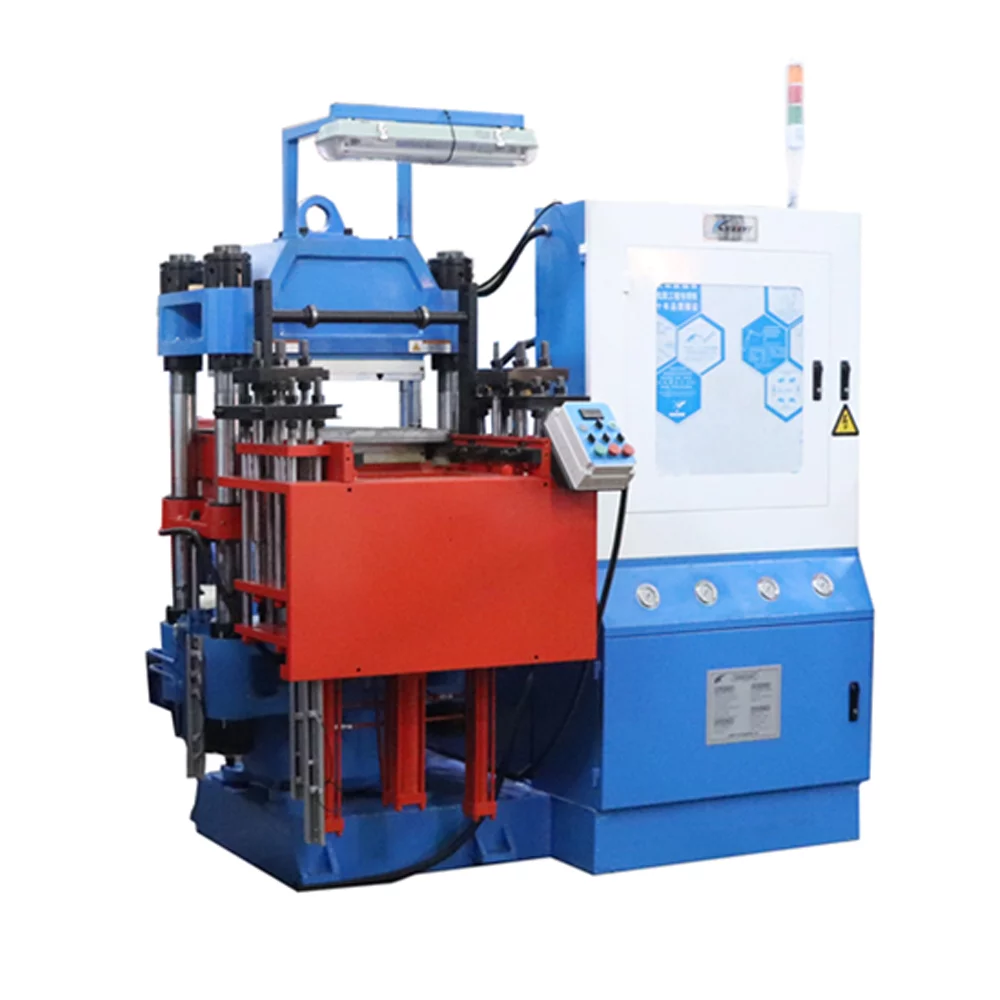
In our daily engineering discussions, we often evaluate how structural rigidity influences molding results in rubber processing equipment. When working with a HWAYI c frame rubber injection molding machine, we pay close attention to how the frame responds under continuous pressure. If rigidity is insufficient, small deformations may affect alignment during injection and curing. This is especially important in B2B manufacturing environments where consistency matters more than isolated performance. The same principle applies when selecting a HWAYI c frame press, because structural stability directly influences how the machine behaves under load and over long production cycles.
Frame design and its influence on precision control
From an engineering point of view, a C-frame structure is designed to balance accessibility and mechanical stability. However, compared with fully closed structures, it naturally has different stress distribution characteristics. In our experience, the HWAYI c frame press requires careful consideration of frame thickness, reinforcement design, and load path optimization to maintain stable operation during repeated cycles. Meanwhile, the HWAYI c frame rubber injection molding machine is often evaluated based on how the frame handles injection force without causing misalignment in the mold area. These factors collectively influence dimensional accuracy and repeatability in production.
Practical application and operational consistency
In real production environments, we observe that frame rigidity is closely linked to long-term operational consistency. When a system lacks sufficient stiffness, even small deflections can gradually affect product tolerance over time. That is why, in projects involving the HWAYI c frame press, we consider not only the initial forming result but also how the equipment behaves after continuous operation. Similarly, the HWAYI c frame rubber injection molding machine is assessed for its ability to maintain stable pressure distribution across different production conditions, which helps reduce variation between batches in industrial use.
Maintenance considerations and structural behavior
Beyond initial design, maintenance and long-term usage also influence how frame rigidity performs in practice. Over time, mechanical stress, temperature changes, and workload cycles can affect structural behavior. In our technical reviews, we evaluate how the HWAYI c frame rubber injection molding machine maintains alignment stability after extended operation. The HWAYI c frame press is also considered in terms of how easily its structure can be inspected and maintained without compromising its mechanical integrity. These aspects are important for B2B users who prioritize stable long-term production rather than short-term performance results.
Conclusion
Frame rigidity plays a direct role in determining the accuracy and stability of rubber molding equipment. Both the HWAYI c frame rubber injection molding machine and the HWAYI c frame press rely on structural strength to maintain consistent forming performance under working conditions. From our experience, understanding rigidity helps operators make more informed decisions when selecting equipment for industrial production environments.