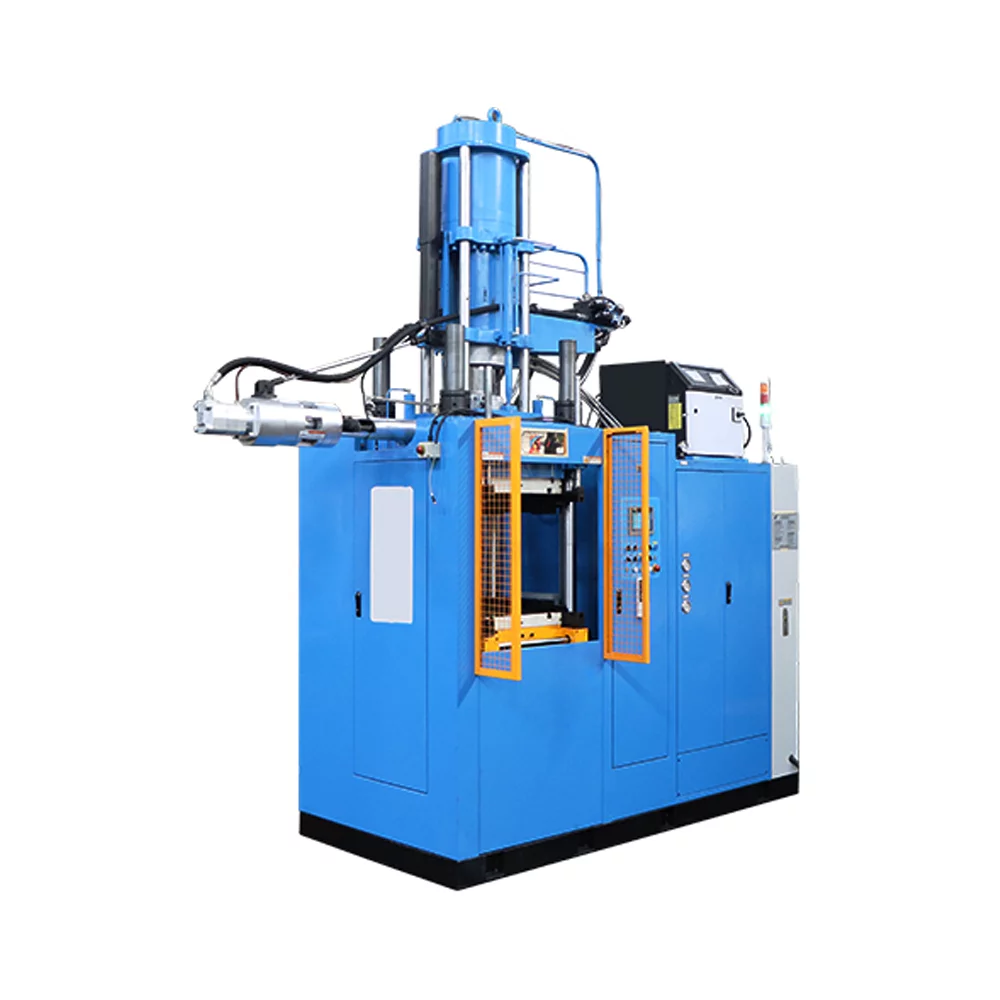
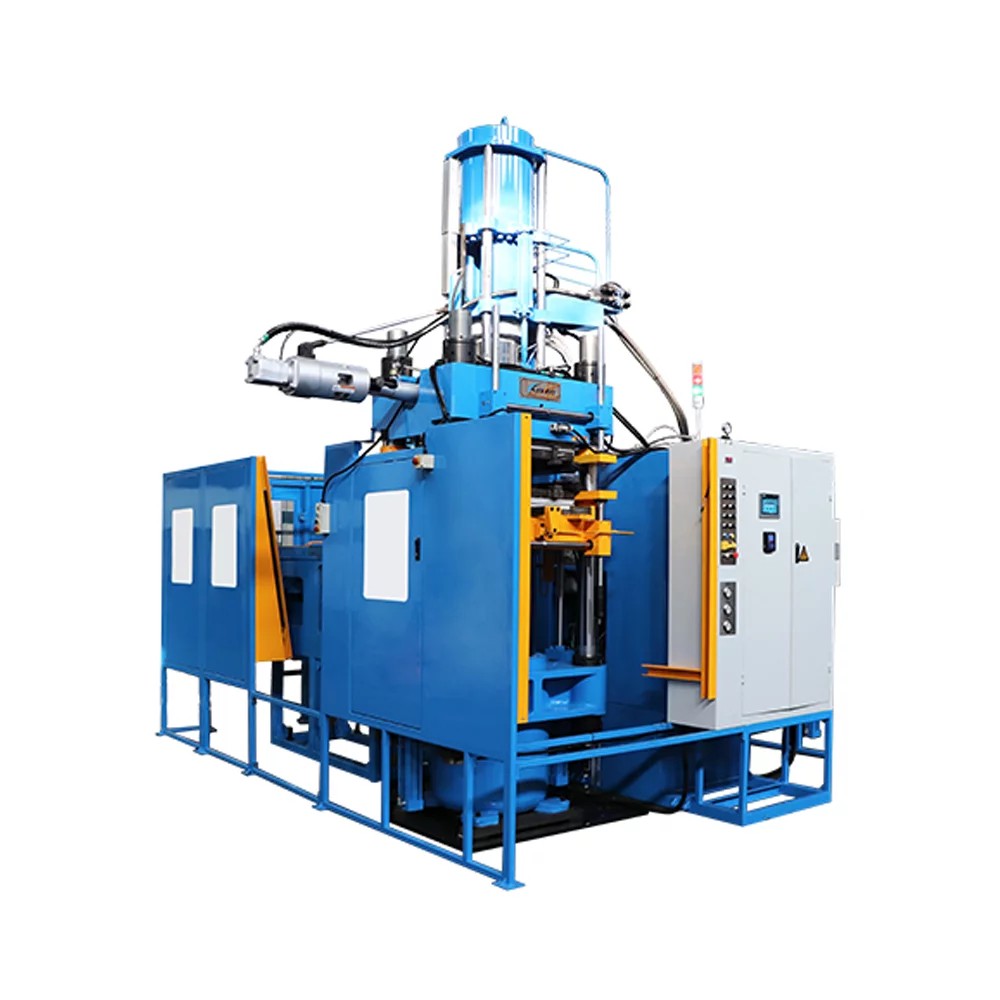
At HWAYI, we are a trusted manufacturer specializing in advanced rubber injection molding equipment and integrated production solutions. In modern elastomer processing, cycle time has become one of the most critical performance indicators for efficiency, cost control, and product consistency. For users of a horizontal rubber injection molding machine, understanding what affects production speed is essential for optimizing output without compromising quality.
As experienced equipment designers, we continuously refine the structure and control systems of the horizontal molding machine to help customers achieve stable, repeatable, and efficient production cycles across demanding applications such as liquid silicone rubber (LSR) insulation components.
Injection System Precision and Control Strategy
One of the most important factors affecting cycle time in a horizontal rubber injection molding machine is the precision of the injection system. The responsiveness of dosing, injection speed control, and material stability all directly influence curing and filling efficiency.
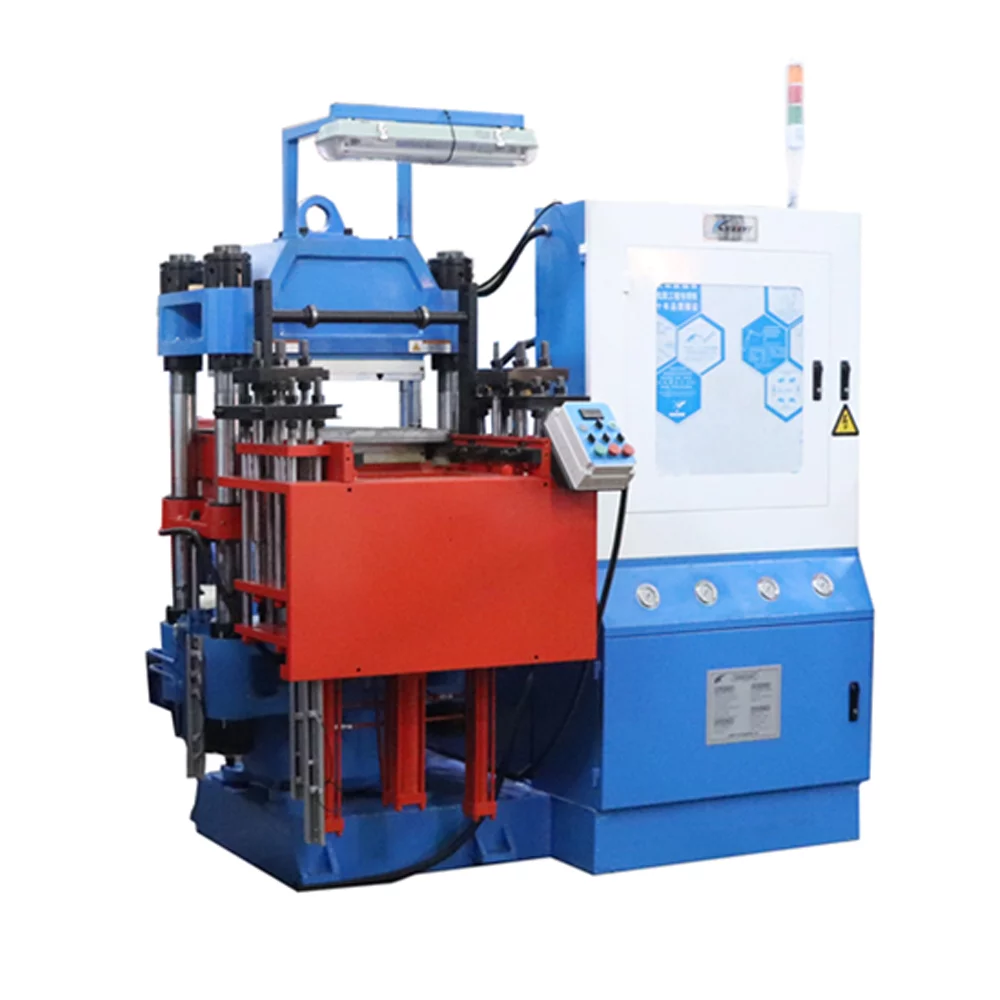
At HWAYI, our LSR Insulators Molding Machine integrates a closed-loop injection control system that allows accurate regulation of pressure and speed. This ensures that the horizontal molding machine can adapt to multiple molds with different phase requirements. By optimizing injection accuracy, cycle inconsistencies are reduced, allowing faster yet more stable production cycles.
Clamping Unit Stability and Thermal Efficiency
The clamping system plays a crucial role in determining how quickly a horizontal rubber injection molding machine can complete each cycle. High stability and precise parallelism reduce vibration and ensure consistent mold alignment, which directly shortens curing delays and improves repeatability.
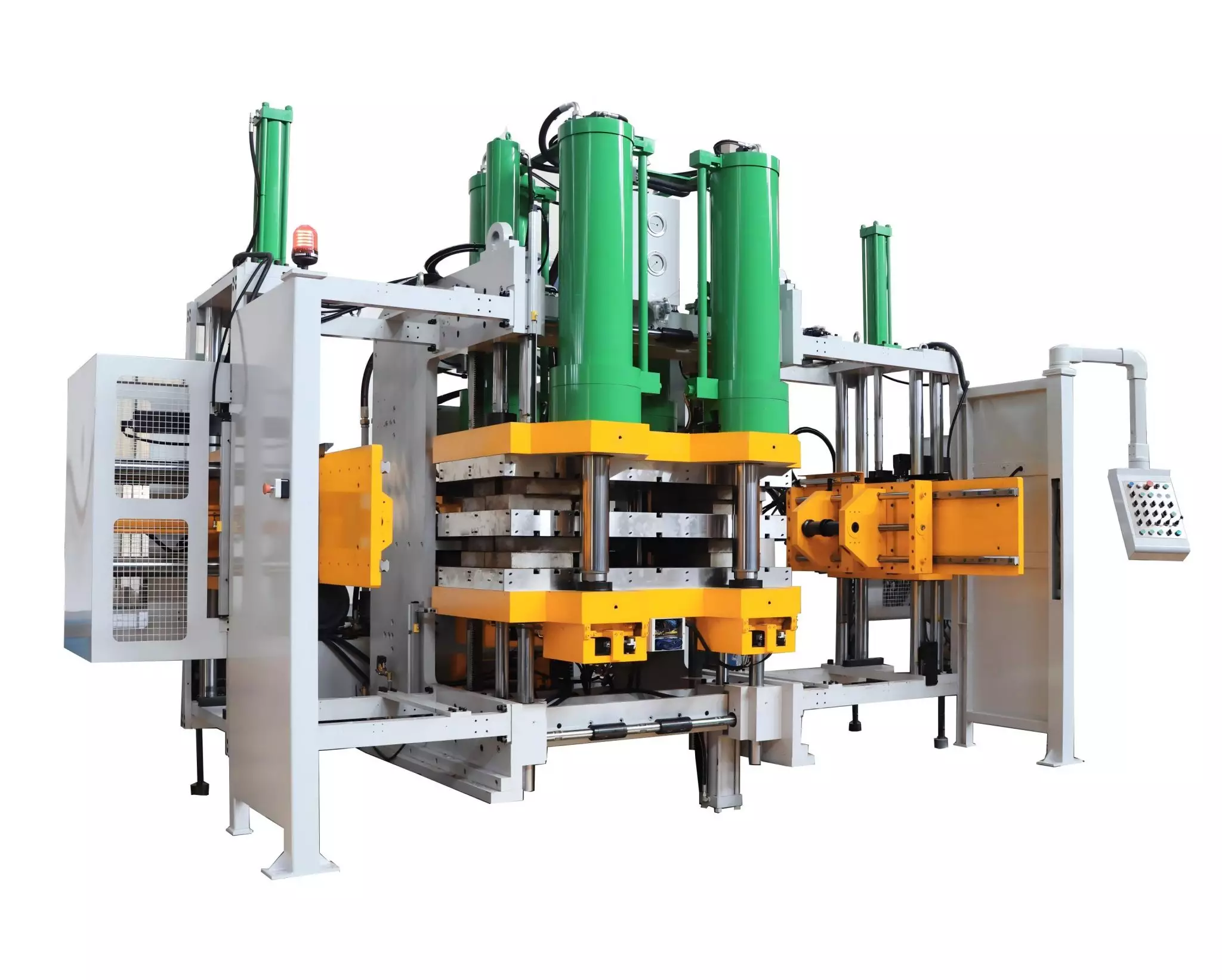
Our LSR clamping machine design features a robust machine base that enhances structural rigidity. In a horizontal molding machine, this stability allows higher injection pressure without deformation, resulting in improved curing efficiency. Additionally, optimized thermal distribution within the mold reduces unnecessary waiting time during the vulcanization phase.
Mold Configuration and Process Integration
Cycle time is also influenced by mold complexity and process integration within the horizontal rubber injection molding machine system. Multi-cavity molds or products requiring different pressure and speed phases can significantly affect total production time.
HWAYI provides turnkey solutions that combine clamping machines, pump systems, and metering units to ensure seamless coordination. In a fully integrated horizontal molding machine setup, synchronized control between dosing and molding reduces idle time between cycles. This is especially important in the production of high-voltage components such as insulators, arrestors, and cable accessories.
Improving Efficiency Through Engineering Optimization
Reducing cycle time in a horizontal rubber injection molding machine requires a balance between mechanical precision, process control, and system integration. At HWAYI, we design complete LSR molding solutions that optimize every stage—from injection to curing and demolding.
By enhancing structural stability, improving closed-loop control accuracy, and integrating turnkey production systems, our horizontal molding machine solutions help manufacturers achieve higher throughput and more consistent product quality. Through continuous innovation, we support customers in reducing cycle time while maintaining the strict performance standards required in modern rubber and silicone manufacturing.