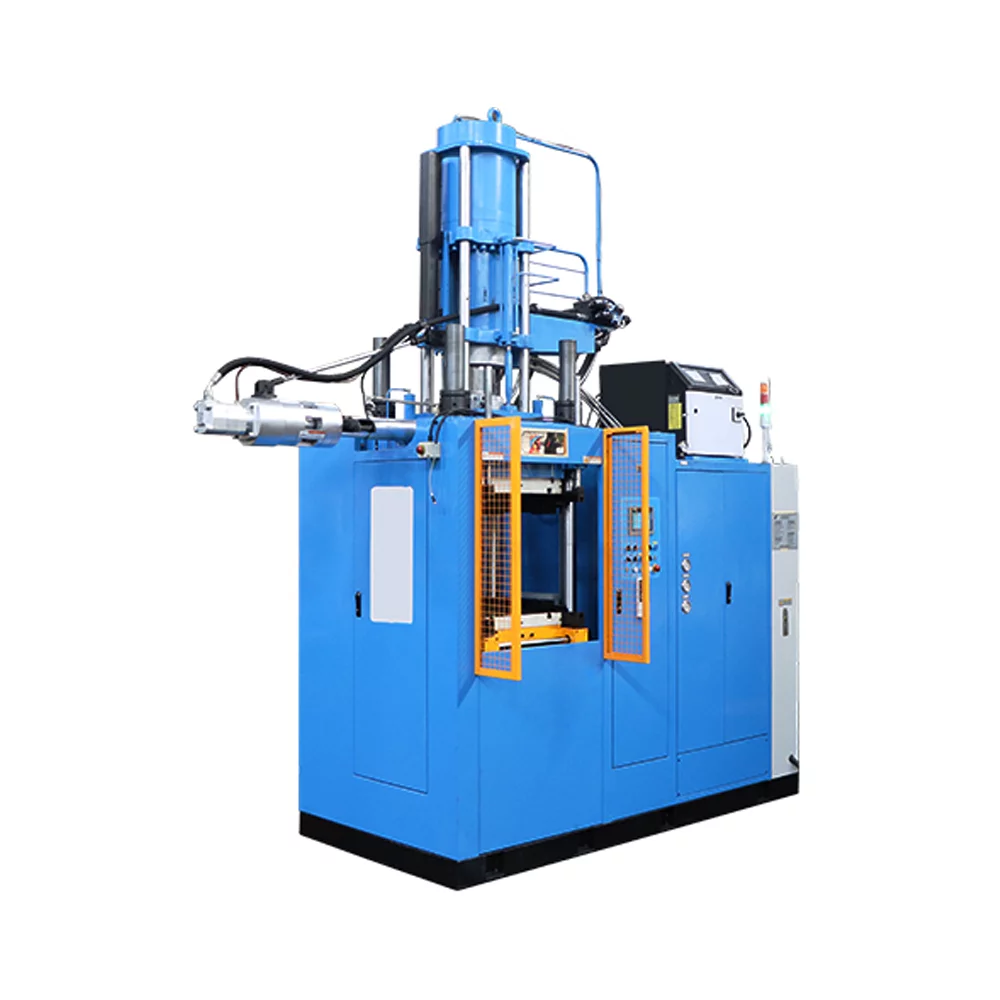
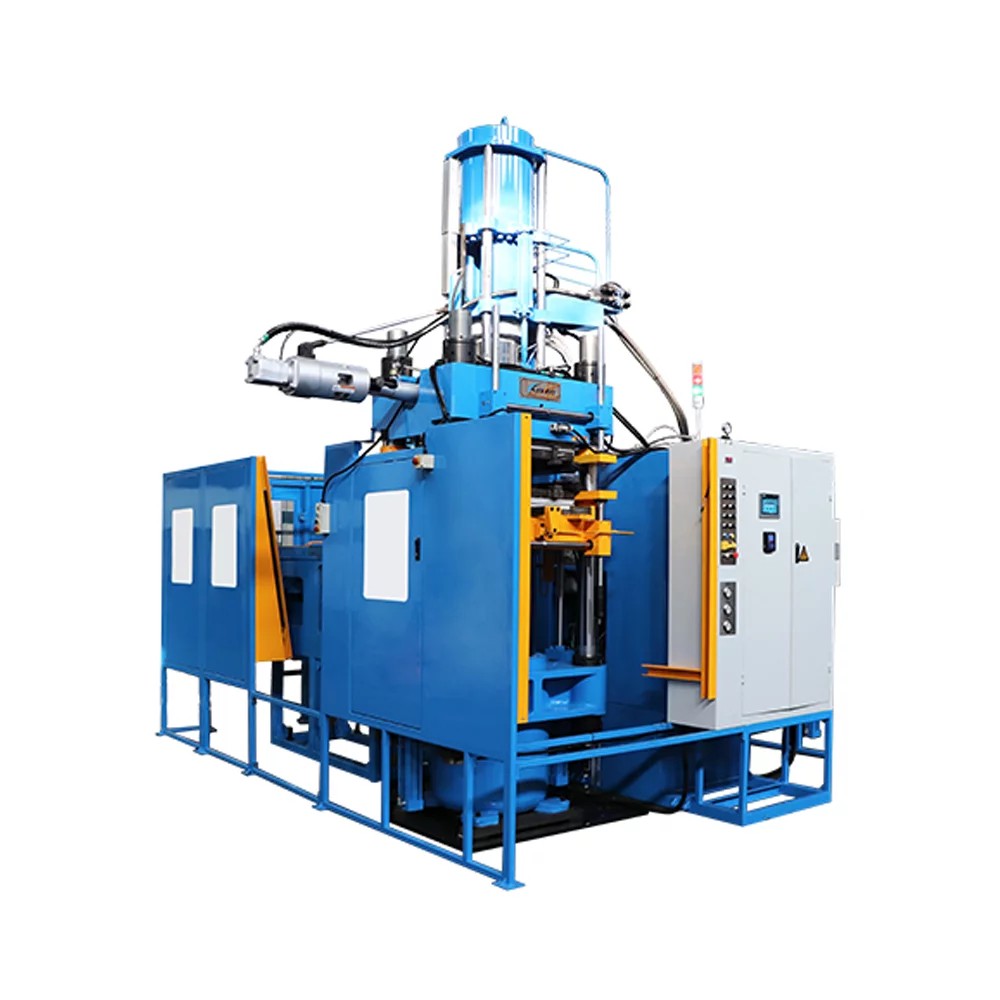
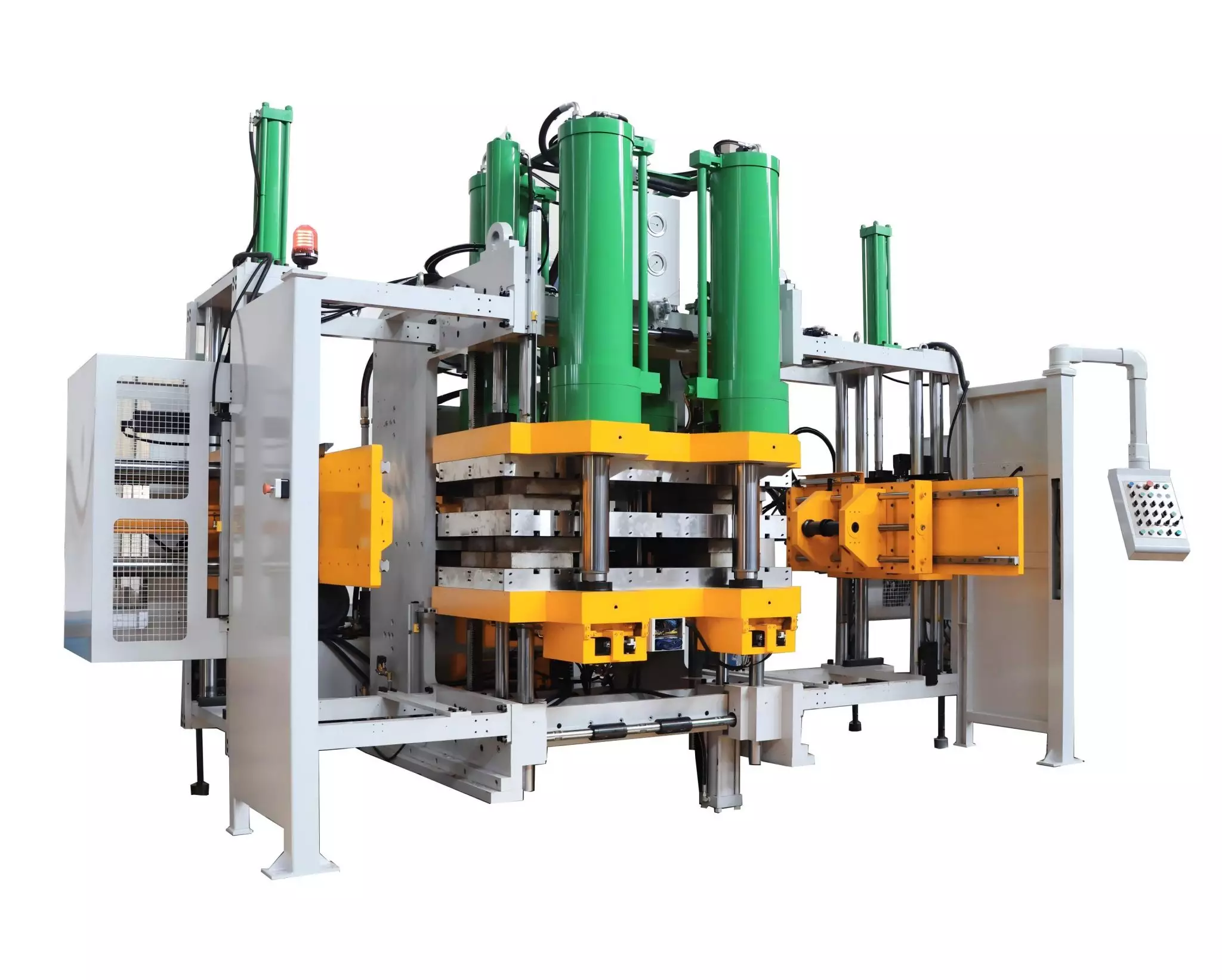
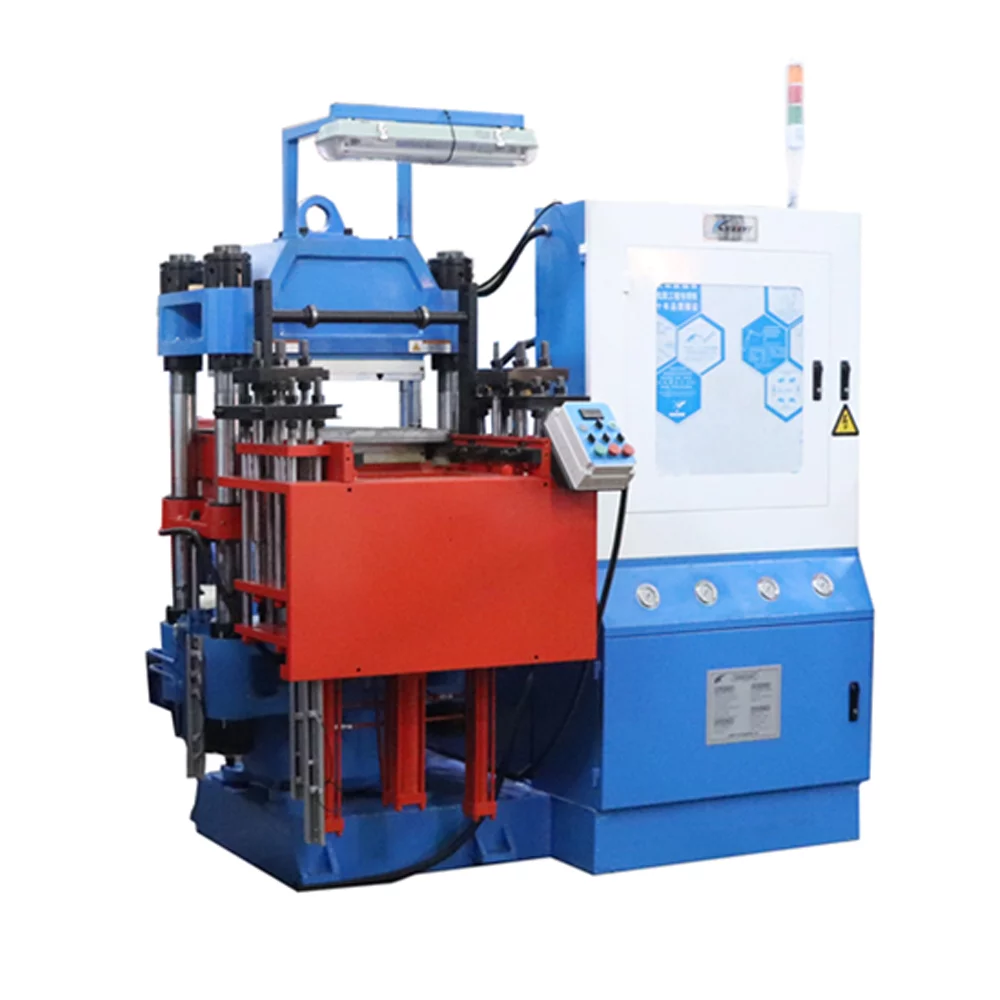
Evaluating manufacturing capabilities during machinery procurement requires an in-depth review of structural design methods, hydraulic integration, and thermal management systems. Operating an industrial rubber vulcanizing machine demands strict mechanical tolerances to prevent frame deflection during high-pressure cycles. Our team at HWAYI emphasizes evaluating structural stress distribution and hydraulic circuit design to assist plant managers in identifying dependable manufacturing partners.
Distinguishing proficient equipment builders involves analyzing their custom engineering expertise, quality verification protocols, and component integration standards. A knowledgeable rubber vulcanizing machine supplier provides extensive technical data, finite element analyses, and custom manifold designs tailored to specific elastomeric processing demands.
Finite Element Analysis and Structural Rigidity Standards
Heavy-duty hydraulic presses must withstand intense clamping forces without suffering frame warping or tie-bar deformation over extended production lifetimes. Machinery engineers utilize finite element analysis to identify localized stress concentrations before physical fabrication begins.
Proper structural ribbing and platen thickness prevent mechanical deflection during peak compression phases. Verifying frame stiffness help ensure that mold cavities maintain parallel alignment, preventing excessive flash and uneven wall thicknesses across cured parts.
Hydraulic Circuit Design and Proportional Valve Modulation
Precision control over hydraulic fluid velocity and pressure profiles directly dictates how smoothly raw elastomeric compounds fill complex mold cavities. Modern power units utilize proportional directional valves and variable-displacement pumps to regulate fluid delivery dynamically.
Smooth hydraulic transitions reduce pressure spikes that degrade system seals and hydraulic manifolds over time. Partnering with a skilled rubber vulcanizing machine supplier allows plants to deploy hydraulic architectures tuned for rapid closing and gradual pressure buildup.
Thermal Uniformity and Platen Heating Channel Layouts
Consistent thermal distribution across platen surfaces remains essential for achieving uniform cross-linking densities in thick elastomeric components. Engineering teams design multi-zone heating channels, using electric elements or oil circulating loops, to minimize thermal gradients.
Uneven temperatures across mold plates cause varied cure times within a single cavity, yielding mechanical weakness in finished components. Advanced thermal mapping validates that heating zones deliver consistent thermal energy during continuous manufacturing runs.
Intermediate Transfer Molding Architecture and Economic Feasibility
Navigating the spectrum between basic compression systems and complex injection units leads many facilities to evaluate hybrid processing methods. A traditional Rubber Transfer Molding Machine functions as an effective middle ground, serving as an economical way to make rubber products through transfer injection.
At HWAYI, we analyze compound flow mechanics to optimize transfer pot dimensions and sprue configurations for these hybrid systems. Combining transfer pots with high-tonnage clamping units allows molders to achieve high part accuracy without investing in fully automated injection units.
Advanced Control Platforms and Data Analytics Integration
Modern industrial machinery relies on programmable logic controllers to synchronize multi-stage clamping, heating, and degas sequences. Intelligent control software monitors sensor feedback continuously, making micro-adjustments to hydraulic flow and thermal outputs.
Real-time parameter logging provides complete batch traceability, aiding quality assurance teams during process audits. Integrating open communications protocols enables seamless connection with plant-wide execution systems for automated operational tracking.
Custom Tooling Compatibility and Hydraulic Auxiliary Options
Integrating core pullers, hydraulic ejectors, and sliding platen mechanisms expands the operational flexibility of a modern rubber vulcanizing machine. Machinery designers must calculate auxiliary hydraulic flow requirements to prevent system pressure drops during multi-axis operations.
Modular manifold blocks allow manufacturers to retrofit additional mechanical features as production needs evolve. Comprehensive engineering documentation specifies auxiliary hydraulic limits, enabling safe integration of complex mold designs.
When auxiliary functions are properly sized and synchronized with the main press cycle, they eliminate the need for secondary processing stations—allowing operations such as core extraction, part ejection, or insert loading to occur within the same press cycle without compromising cure time or part quality. This integrated approach reduces floor space requirements, minimizes part handling, and shortens overall cycle times, making the vulcanizing press a more versatile and productive asset for high-mix production environments.
Quality Verification Systems and Structural Testing Protocols
Rigorous factory acceptance testing verifies that hydraulic systems, heating circuits, and structural components perform reliably under full operational loads. Pressure holding tests confirm that hydraulic valves maintain clamping forces over prolonged cure cycles without fluid leakage.
Collaborating with an experienced rubber vulcanizing machine supplier ensures that every machine undergoes comprehensive vibration analysis and thermal imaging prior to site delivery. Systematic testing protocols reduce commissioning delays, minimizing disruption to ongoing production schedules.
Maintenance Ergonomic Design and System Accessibility
Positioning hydraulic manifolds, electrical cabinets, and lubrication points in accessible locations simplifies routine maintenance routines. Plant engineers favor modular component layouts that allow swift seal replacements and filter changes during scheduled downtime windows.
Clear component labeling and intuitive diagnostic interfaces streamline troubleshooting when operational deviations arise. At HWAYI, we focus on accessible equipment design, helping maintenance personnel perform preventative tasks quickly and safely.
Conclusion
Assessing heavy machinery manufacturing capability requires a detailed review of structural engineering, hydraulic sophistication, thermal control, and system accessibility. Through our technical initiatives at HWAYI, we strive to offer robust engineering insights and durable processing solutions that support global manufacturers in maintaining continuous, precise elastomeric production.