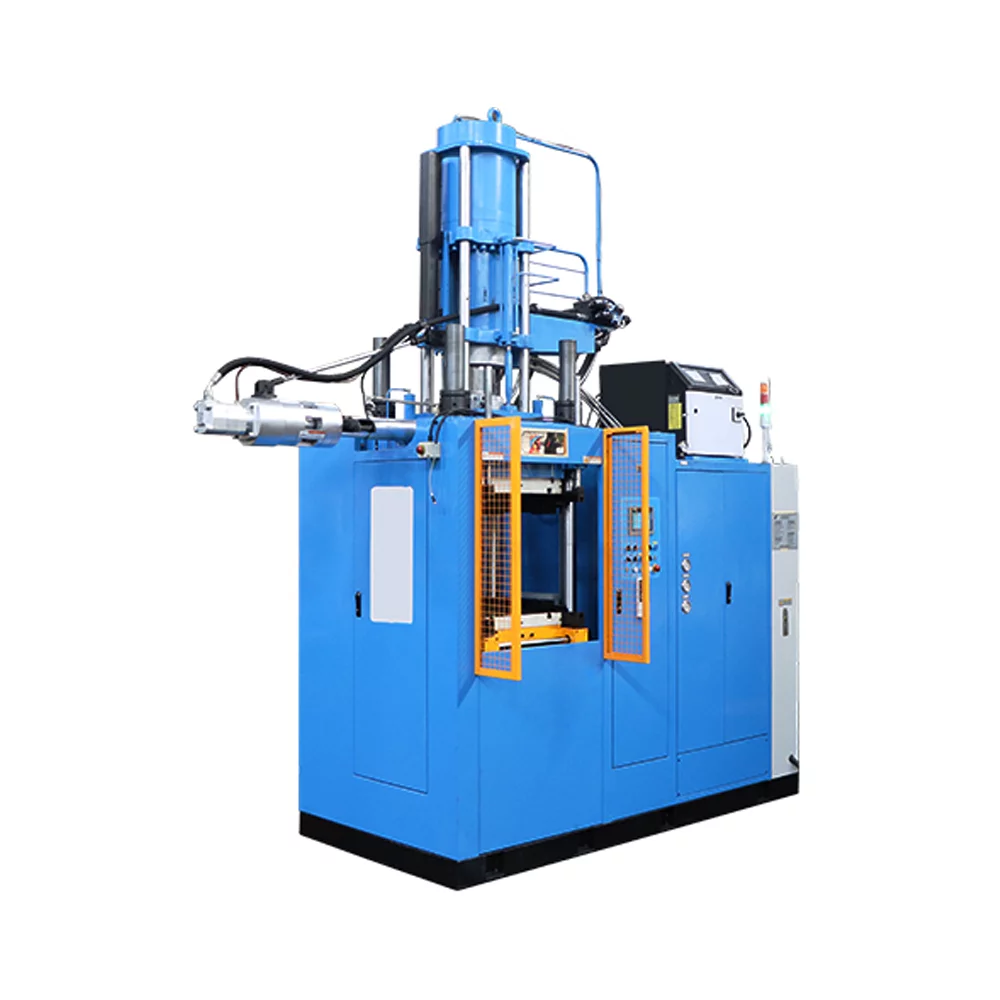
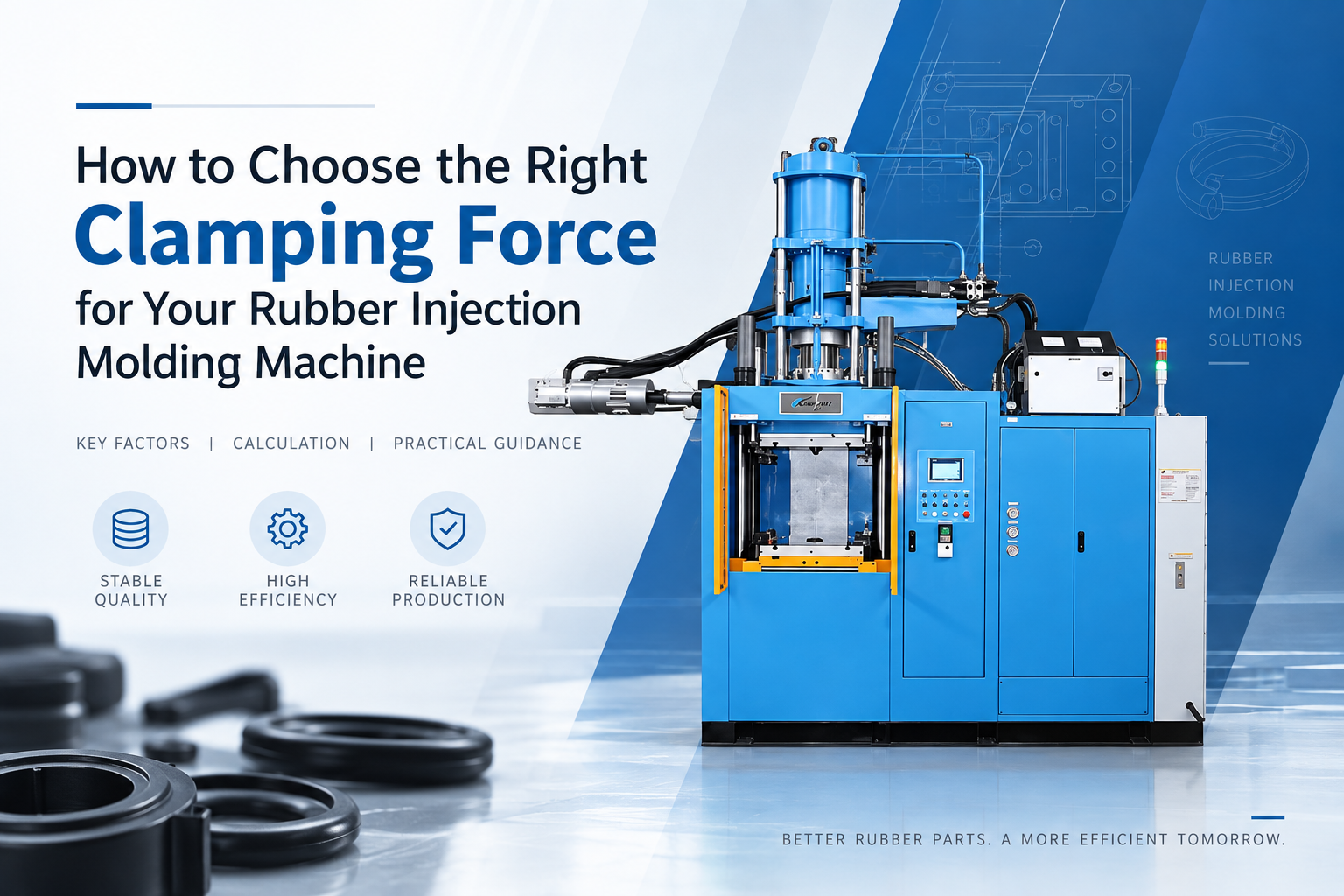
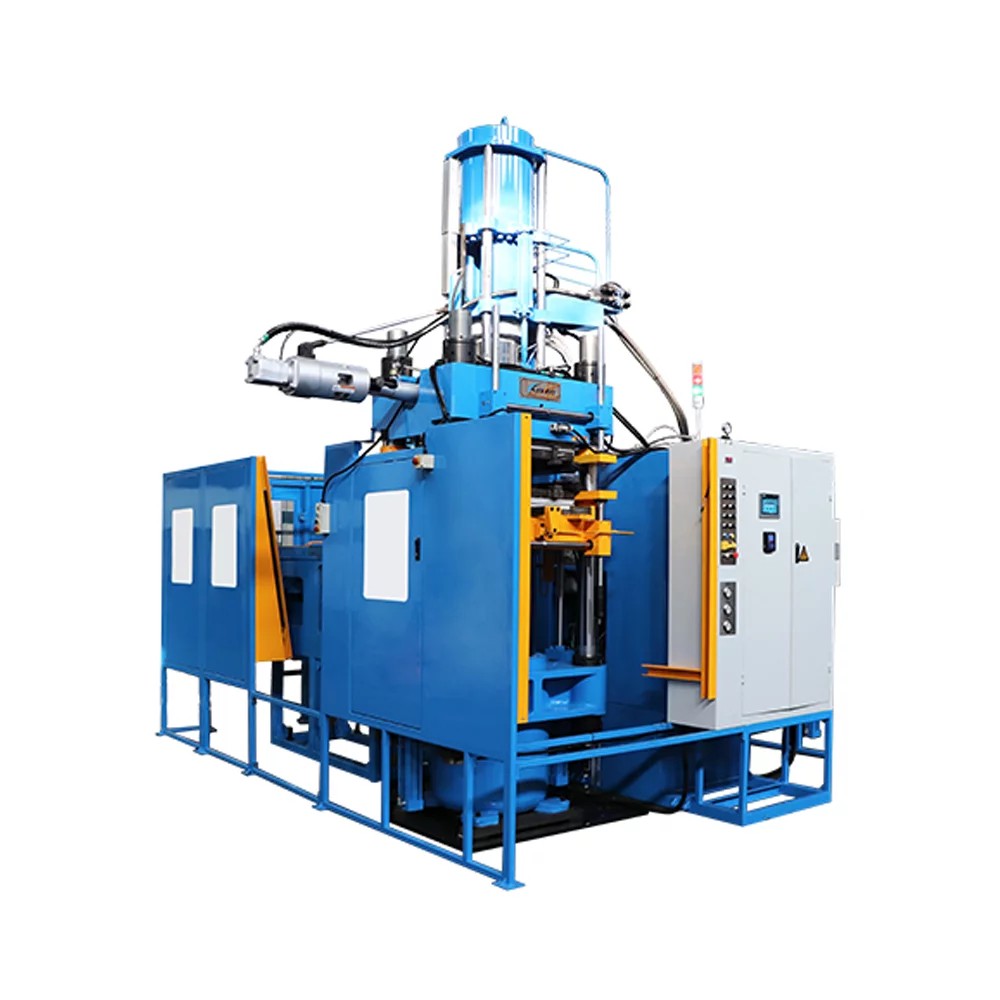
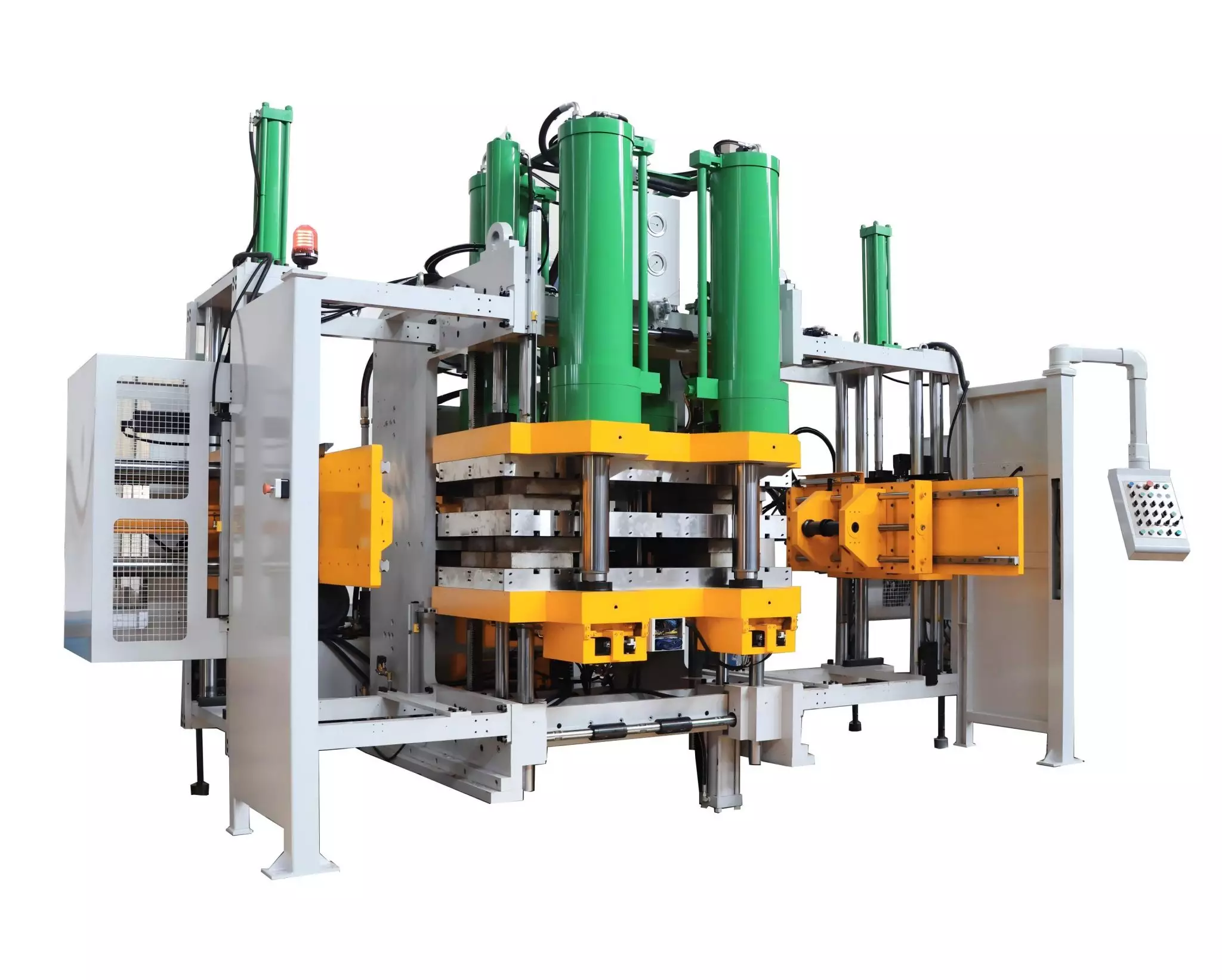
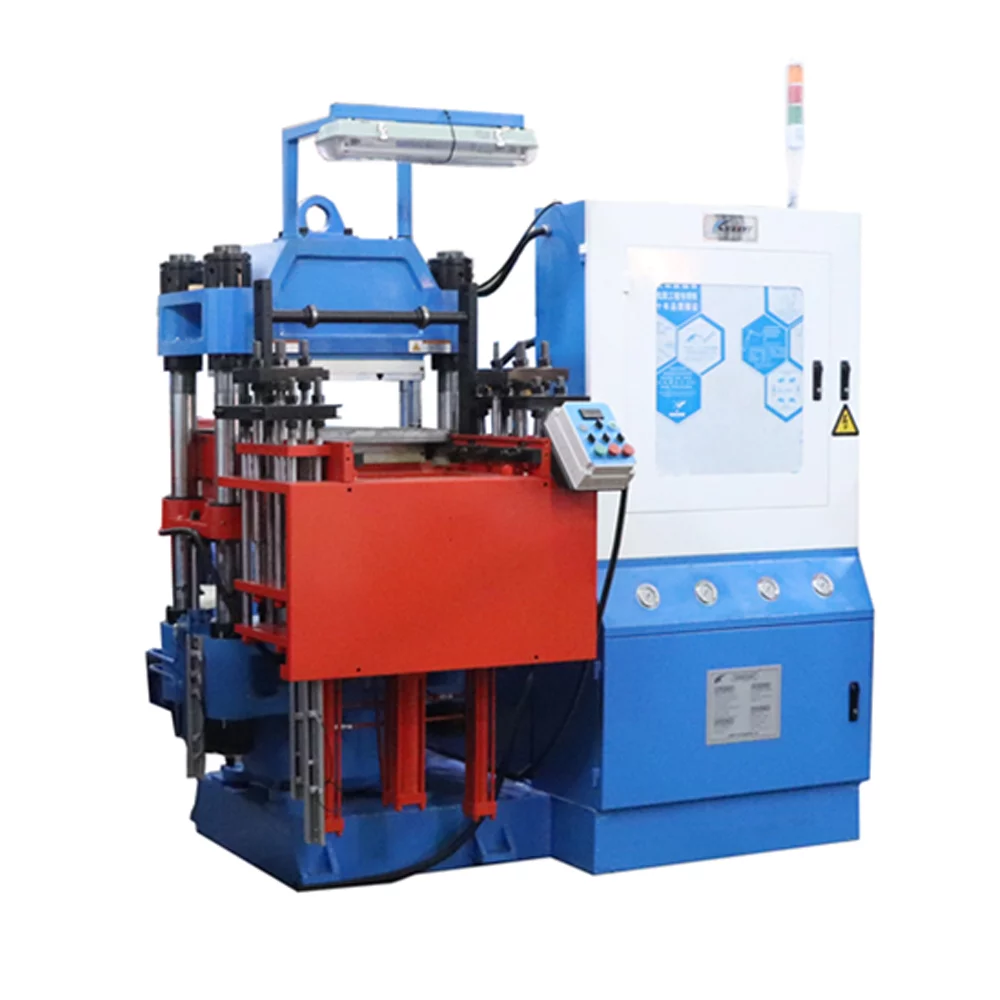
Achieving target physical properties in synthetic and natural rubber compounds requires precise thermal management throughout every phase of the heating cycle. Utilizing an advanced rubber vulcanizing machine enables process engineers to regulate energy input accurately, stabilizing polymer cross-linking reactions and avoiding localized material degradation. Our engineering group at HWAYI studies these closed-loop temperature-control processes to refine molding procedures and enhance structural consistency across complex elastomeric parts.
Managing thermal variations within heavy mold plates directly influences cure rate, volumetric shrinkage, and durometer hardness uniformity. Operating a heavy-duty rubber vulcanizing press machine with responsive heating circuitry minimizes core-to-surface temperature gradients, preventing micro-defects in demanding industrial components.
Fundamentals of Closed-Loop PID Temperature Control Circuits
Proportional-Integral-Derivative controllers form the baseline architecture for precision thermal regulation within industrial vulcanization platforms. Proportional control adjusts heating output relative to current temperature errors, while integral action eliminates steady-state offset, and derivative control counteracts rapid thermal changes.
Combining these three mathematical parameters reduces temperature overshoot when cold rubber charges enter pre-heated mold cavities. Fast controller loop response speeds stabilize temperature profiles quickly, establishing consistent cure conditions across sequential production cycles.
Multi-Zone Platen Heating and Thermal Field Uniformity
Large platens require independent heating zones to compensate for thermal dissipation along outer platen borders and mounting structures. Dividing large heating surfaces into individually monitored heating channels prevents cold spots near corner cavities and edges.
Thermocouple arrays embedded across each heating zone transmit real-time thermal data back to central control systems. Maintaining narrow temperature tolerances across the entire platen area prevents regional under-curing and yields uniform mechanical strength across multi-cavity tooling layouts.
Hydraulic Integration and Multi-Stage Pressure Stabilization
Maintaining accurate pressure profiles alongside thermal management protects cross-linking integrity during the material flow phase. Fluid power networks must adjust volume delivery dynamically as elastomeric compounds soften, flow into detail cavities, and begin expansion under heat.
In our transfer molding units, an open oil circuit simplifies maintenance procedures while an oil manifold provides clean fluid distribution and gathering across operational valves. Precision hydraulic pumps adjust fluid delivery continuously, preserving required clamping tonnage during critical thermal transitions.
Reclamping Dynamics and Energy Preservation During Curing Phases
Initial thermal expansion of rubber charges during heating can displace platen positions, requiring dynamic pressure compensation to maintain cavity closure. Implementing automated reclamping functions during vulcanization maintains continuous contact force as compound viscosity changes and internal cavity pressure evolves.
To optimize power consumption during extended holding cycles, the main pump motor stops during curing or dwell phases without losing system holding pressure. At HWAYI, we integrate these automated energy-saving controls to lower electrical utility demands while maintaining strict mechanical clamping accuracy.
Hardware Architectural Standards for Transfer Molding Systems
Intermediate injection press systems require robust control architectures and reliable fluid power components to handle diverse rubber formulations. Systems designed for natural rubber, NBR (nitrile butadiene rubber), EPDM (ethylene propylene diene monomer), CR (chloroprene rubber), and solid silicone utilize integrated injection units without plasticizing modules to deliver economical transfer processing.
Modern transfer press configurations incorporate Siemens PLC and HMI control interfaces, together with advanced hydraulic systems and directional valves. Operating a dedicated rubber vulcanizing machine equipped with these standardized hardware components allows responsive valve switching and reliable parameter regulation throughout demanding continuous shifts.
Preventing Scorch in Thermally Sensitive Rubber Compounds
Premature vulcanization, or scorch, occurs when raw elastomeric compounds absorb excess thermal energy before completely filling mold cavity channels. Scorch restricts compound flow, generating incomplete fill defects, weak boundary lines, and excessive internal scrap rates.
Fine-tuning PID temperature offsets allows operators to maintain optimal mold cavity temperatures while preventing premature cross-linking inside transfer pots. Regulated heat transfer rates enable viscous elastomers to fill complex cavity features before cross-linking reactions accelerate.
Real-Time Thermal Logging and Digital Quality Assurance
Industrial quality frameworks require digital verification of thermal parameters for every production batch to meet customer quality audits. Centralized control interfaces record platen temperatures, injection times, hydraulic pressure curves, and total cure durations in real time.
Storing comprehensive thermal profiles simplifies root-cause analysis when dimensional or durometer hardness variations occur in finished parts. Traceable temperature records provide concrete verification that each cured component underwent compliant thermal processing.
Post-Curing Cooling Control and Stress Reduction Metrics
Uncontrolled thermal reduction following mold opening introduces severe internal mechanical stress and dimensional warping across heavy molded parts. Gradual cooling protocols allow polymer chains to stabilize as material transitions from high processing temperatures back to ambient states.
Controlling post-molding thermal drop preserves tight dimensional tolerances and prevents surface micro-cracking in thick rubber geometries. Process engineering teams specify controlled cooling schedules to safeguard structural integrity across heavy-duty rubber components.
Conclusion
Sustaining high vulcanization consistency across industrial rubber manufacturing requires integrated control over PID thermal calibration, multi-zone heating, and responsive hydraulic pressure regulation. Through our technical developments at HWAYI, we focus on engineering high-precision processing equipment that delivers consistent cross-link density across production batches and minimizes unscheduled downtime through robust hydraulic and thermal system design.