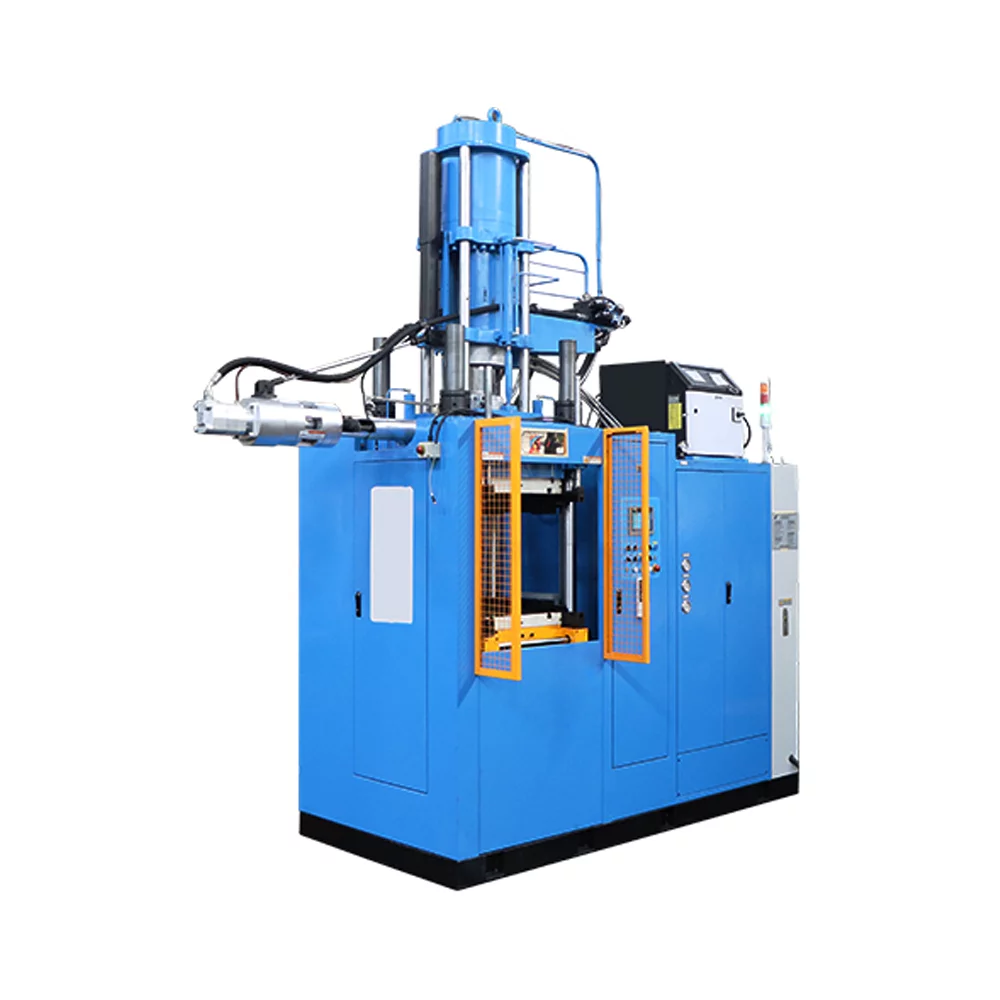
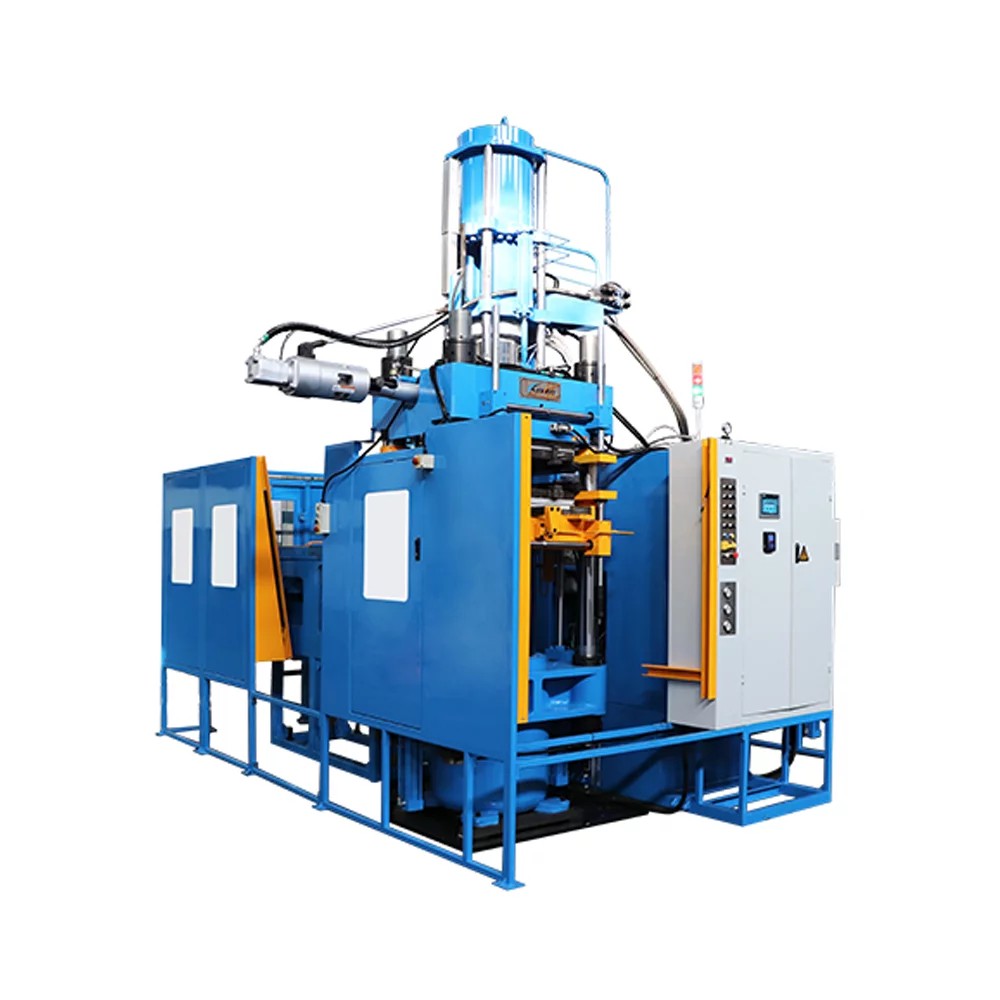
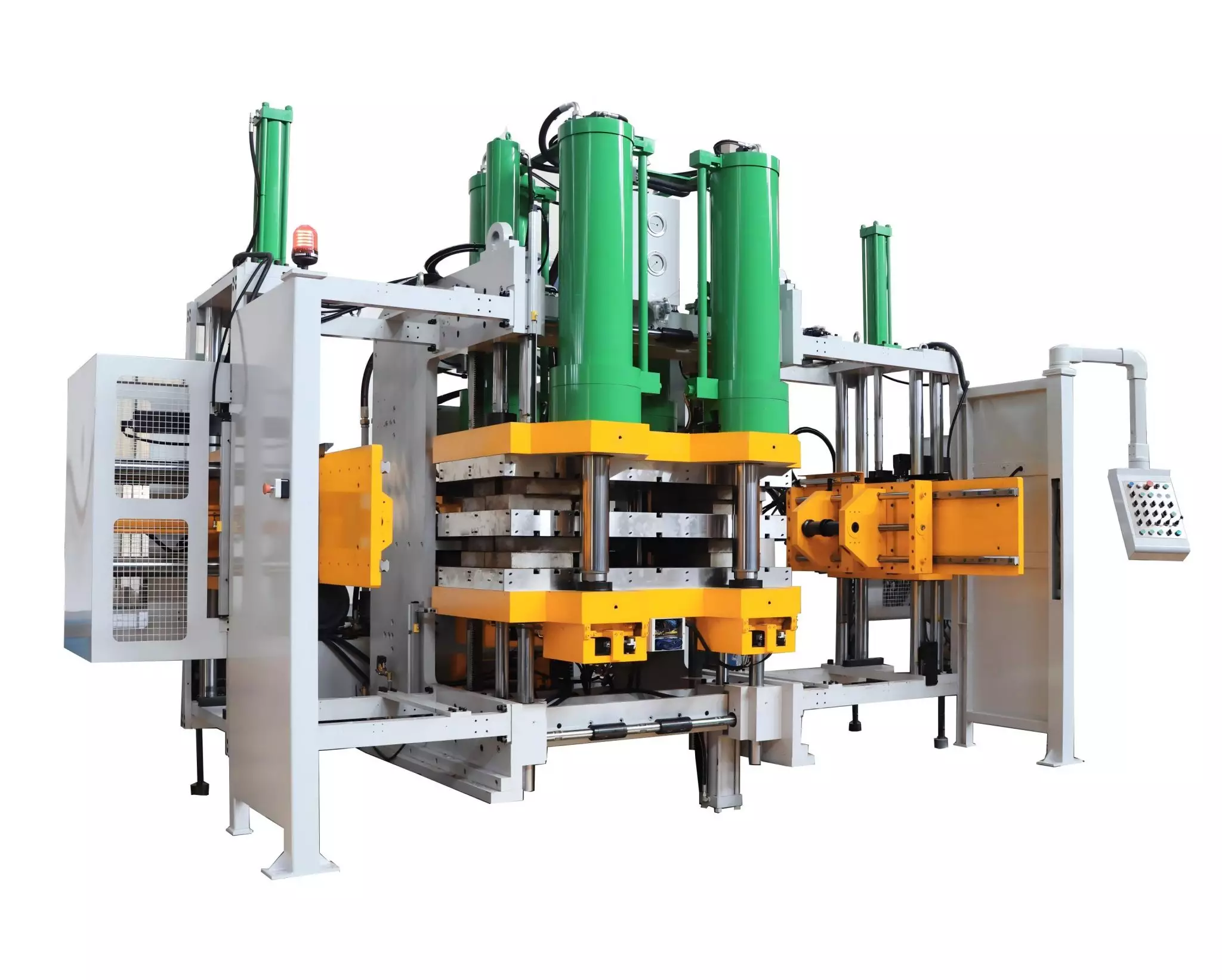
Evaluating global machinery options for expanding rubber processing facilities requires balancing capital expenditures against long-term operational efficiency. The choice between a specialized rubber injection molding machine manufacturer in Asia and an established European supplier affects total cost of ownership, installation budgets, and ongoing operational overhead. At HWAYI, we assist global processing facilities in evaluating these financial frameworks to optimize their equipment investments.
CapEx requirements, shipping logistics, and replacement part pricing vary significantly between global machinery builders. Choosing a reliable rubber machine manufacturer involves assessing not only the initial purchase price, but also operational energy demands, component standardization, and long-term maintenance costs over the equipment lifecycle .
.
Capital Expenditure Comparisons and Upfront Purchasing Power
Initial purchase prices for European processing equipment often carry substantial brand premiums and higher regional manufacturing overhead. Higher initial capital requirements can extend investment recovery timelines and restrict funds available for plant automation or auxiliary tooling.
Asian manufacturing platforms offer favorable cost structures while maintaining high engineering standards and robust component quality. Lower initial machinery costs allow processing facilities to deploy additional production lines or upgrade material handling capabilities within existing capital budgets.
Component Standardization and Procurement Economics
European equipment builders often design their machines with proprietary internal components, such as custom hydraulic manifolds and specialized electronic modules. Consequently, replacement parts must typically be sourced directly from the original manufacturer, which may affect both maintenance costs and lead times.
Modern Asian machinery incorporates globally recognized standardized components, such as Siemens control interfaces and Rexroth or Yuken hydraulic pumps. Utilizing widely available commercial components simplifies spare parts sourcing, lowers repair expenses, and minimizes maintenance downtime for plant operators.
Structural Design Integrity and High-Voltage Application Capabilities
Heavy-duty processing demands high structural stability and rigid clamping frameworks to prevent parting-line flash during high-pressure injection cycles. Equipment designed for high-voltage power transmission applications requires large-volume shot capacities and uniform thermal management to ensure consistent curing across thick elastomeric profiles.
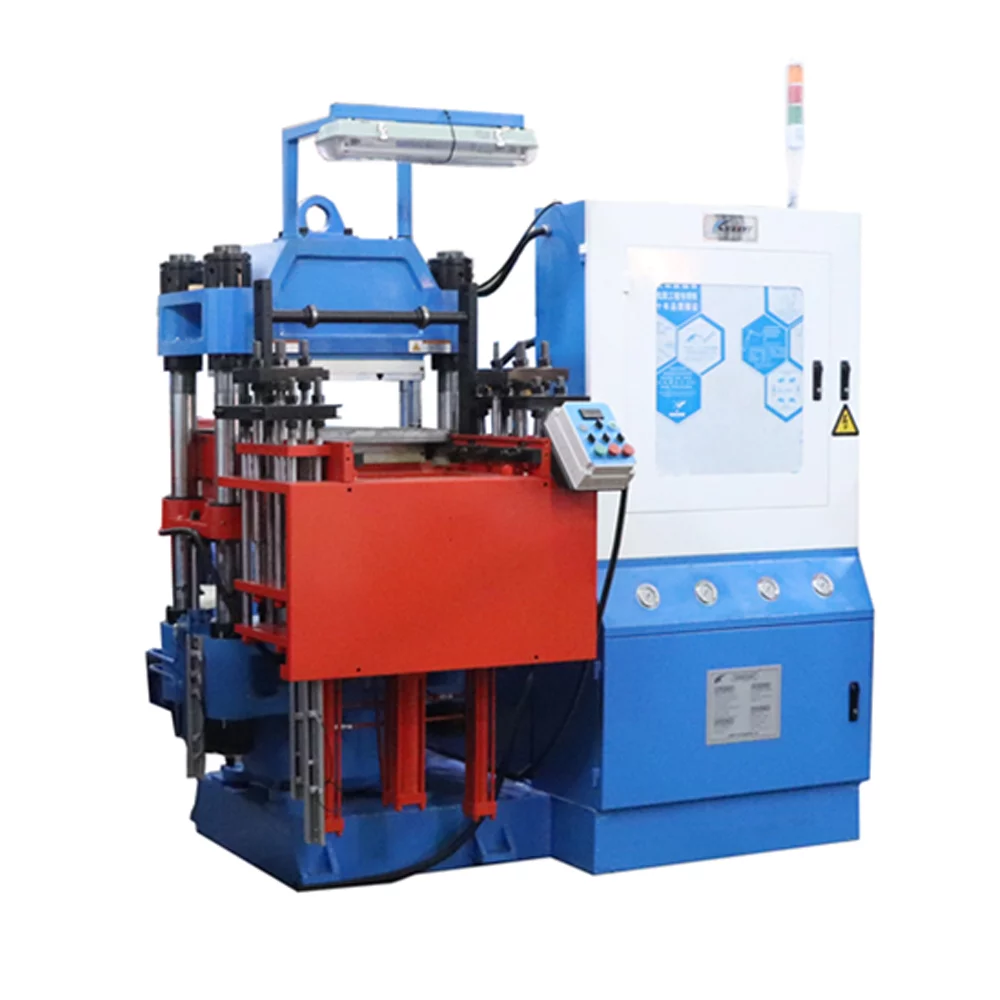
For specialized utility applications, such as our HYZ-2400B Rubber Injection Machine, large-volume injection capabilities support the production of high-voltage insulators, composite bushings, and critical power transmission components. Robust mechanical frameworks deliver consistent clamping performance without requiring the higher capital investment often associated with European machinery.
Freight Logistics, Installation, and On-Site Commissioning Expenses
For a rubber machine manufacturer, international shipping costs and port logistics contribute significantly to the total delivered cost of heavy industrial machinery. Heavy equipment footprints require specialized open-top containers and heavy lifting transport arrangements during intercontinental transit—factors that directly influence pricing competitiveness and delivery lead times for global customers. This is why many Asian manufacturers prioritize compact, space-efficient designs that not only reduce freight expenses but also simplify customs handling and on-site unloading, providing a tangible logistics advantage over bulkier alternatives.
Asian machinery builders often feature compact machine footprints that optimize container space and simplify factory floor layout integration. Streamlined physical layouts lower total freight rates, simplify on-site rigging, and accelerate installation timelines. When combined with modular shipping designs that allow partial disassembly for transit, these compact footprints also reduce the risk of transit-related damage—lowering insurance claims and avoiding the costly delays associated with replacement part shipments during commissioning.
Operational Energy Efficiency and Hydraulic Servo System Integration
Electrical power consumption represents a major continuous operating expense across multi-shift rubber molding operations. Traditional fixed-displacement hydraulic pumps draw constant electrical power, generating excess heat that increases plant cooling loads.
Integrating variable-speed servo-hydraulic drive systems allows modern machinery to adjust motor output dynamically based on active cycle requirements. Servo-driven power units dramatically reduce energy consumption during curing and idling phases, narrowing the operational efficiency gap between Asian and European machinery.
Technical Support Frameworks and Remote Diagnostic Capabilities
Operating advanced machinery effectively requires responsive after-sales service and rapid technical assistance during unexpected operational disruptions. Remote technical support capabilities enable engineering teams to assess control software, examine sensor outputs, and analyze system alarms online.
Digital diagnostic modules allow technical support teams to analyze PLC software and hydraulic parameters directly across international networks. Efficient remote troubleshooting reduces travel delays, resolving technical issues quickly and maintaining continuous factory output.
Material Compatibility and Compound Processing Versatility
Processing diverse elastomeric formulations—such as EPDM, NBR, fluoroelastomers, and liquid silicone—demands adaptable injection pressure controls and flexible barrel heating profiles. Precise temperature control prevents premature vulcanization inside the barrel while ensuring complete mold filling.
Modern machinery platforms feature multi-stage injection velocity programming and closed-loop temperature calibration to handle delicate compounds. Versatile processing parameters enable molding facilities to switch between automotive, industrial, and power sector applications seamlessly.
Total Cost of Ownership and Long-Term Value Retention
Evaluating total cost of ownership involves combining initial capital investment, energy consumption rates, maintenance expenses, and expected operational lifespan. Higher upfront costs do not always translate to proportional gains in part quality or production output.
As a cost‑effective rubber injection molding machine manufacturer, we provide industrial facilities with high‑performance machinery at manageable capital expenditure levels. Strategic equipment selection delivers shorter payback periods, allowing companies to reallocate capital toward strategic expansion initiatives.
Conclusion
Sourcing rubber processing machinery requires evaluating initial purchasing costs against long-term operational performance, energy efficiency, and component accessibility. At HWAYI, we engineer processing solutions that help manufacturers maintain consistent production uptime, reduce per-part costs over the equipment lifecycle, and adapt to demanding application requirements without frequent retrofits.