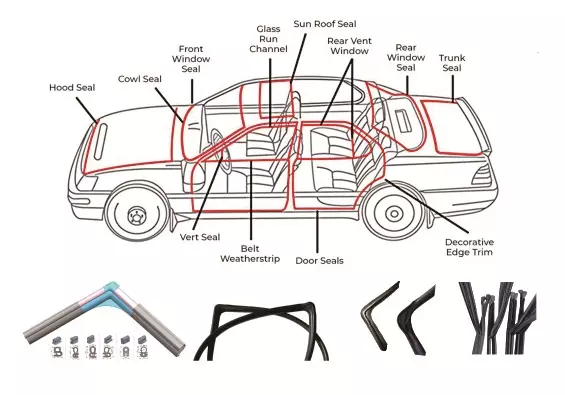
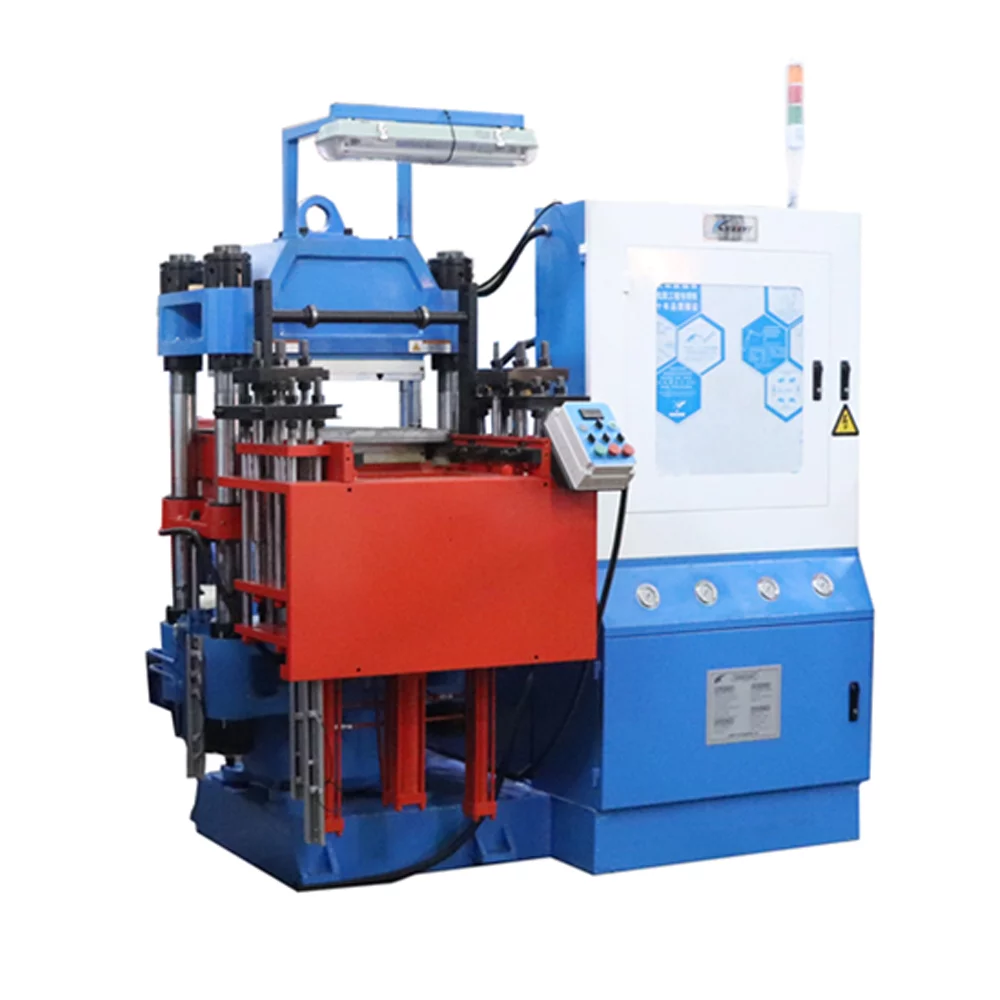
Procuring specialized industrial components demands evaluating supplier quality management frameworks, international safety standards, and material compliance protocols. High-performance elastomeric processing depends on verifiable manufacturing metrics, controlled vulcanization parameters, and systematic batch testing to maintain product durability across harsh operating environments. Adopting custom rubber injection molding technologies allows manufacturing plants to fulfill rigorous B2B requirements while upholding strict dimensional tolerances. Our engineering team at HWAYI closely monitors international quality standards to support global manufacturing facilities in meeting complex supply chain criteria.
Validating vendor credentials involves reviewing ISO frameworks, environmental management protocols, and industry-specific certifications. Engaging a qualified partner capable of executing custom rubber molding projects provides industrial clients with full component traceability, consistent physical properties, and reduced operational risk during high-volume production runs.
Core ISO 9001 Standards and Quality Management Consistency
Establishing an ISO 9001 certified operational framework provides the structural foundation for consistent component fabrication. Standardized operating procedures guide every manufacturing step, from raw polymer reception and compounding to final dimensional auditing.
Documented quality protocols reduce batch-to-batch material variations across complex elastomeric components. Adhering to certified quality management systems helps processing facilities maintain steady production outcomes while meeting client engineering specifications.
Automotive Quality Frameworks and IATF 16949 Standards
Tier-1 automotive component manufacturing requires adherence to IATF 16949 quality standards to mitigate field failure risks. Compliance mandates implementing Advanced Product Quality Planning and Failure Mode and Effects Analysis during tool development.
Automotive compliance demands total material traceability for raw elastomeric compounds and embedded metal reinforcements. Meeting these rigorous automotive metrics enables suppliers to deliver high-precision sealing profiles and engine mounts consistently.
Advanced Systems for Tyre Bladder Manufacturing Applications
Manufacturing thick-walled inflatable components requires precise volumetric metering, uniform thermal energy distribution, and stable hydraulic clamping forces. Curing bladders used in tire production must endure continuous high-temperature pressure cycles without developing structural fatigue or wall thickness variances.
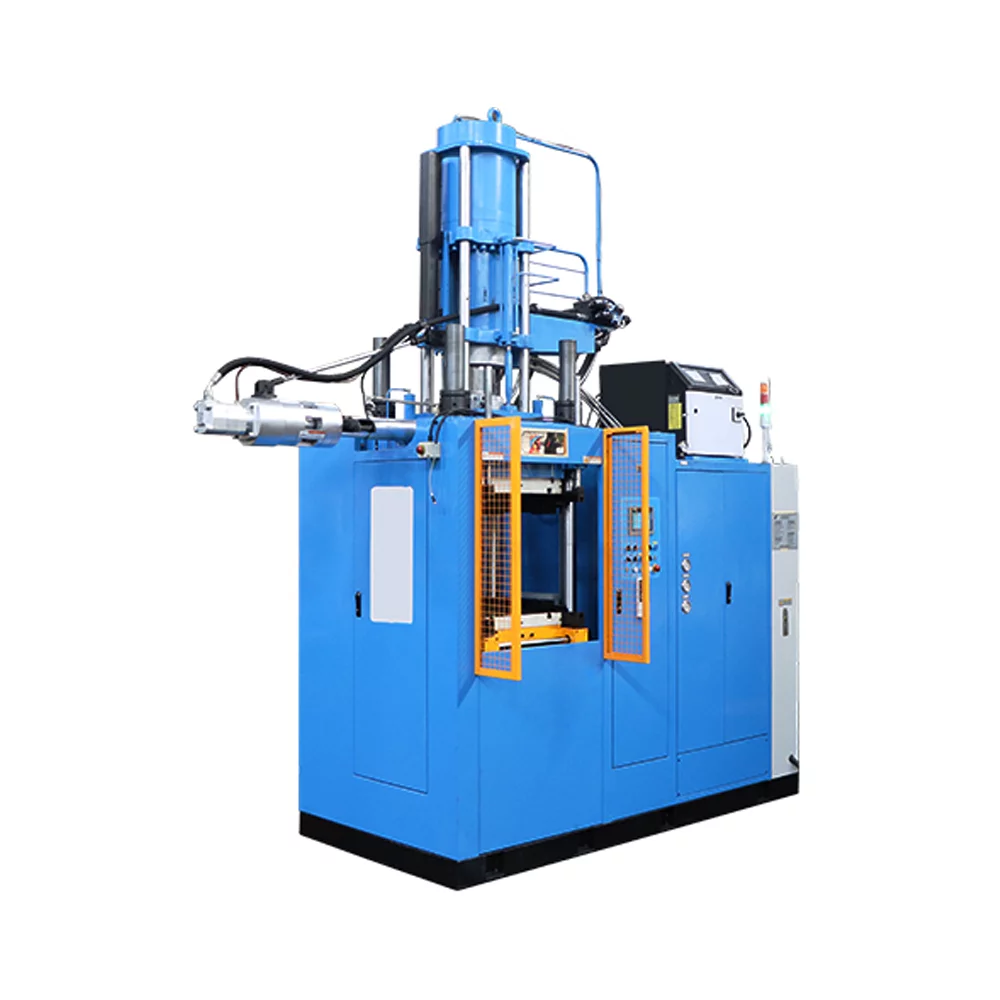
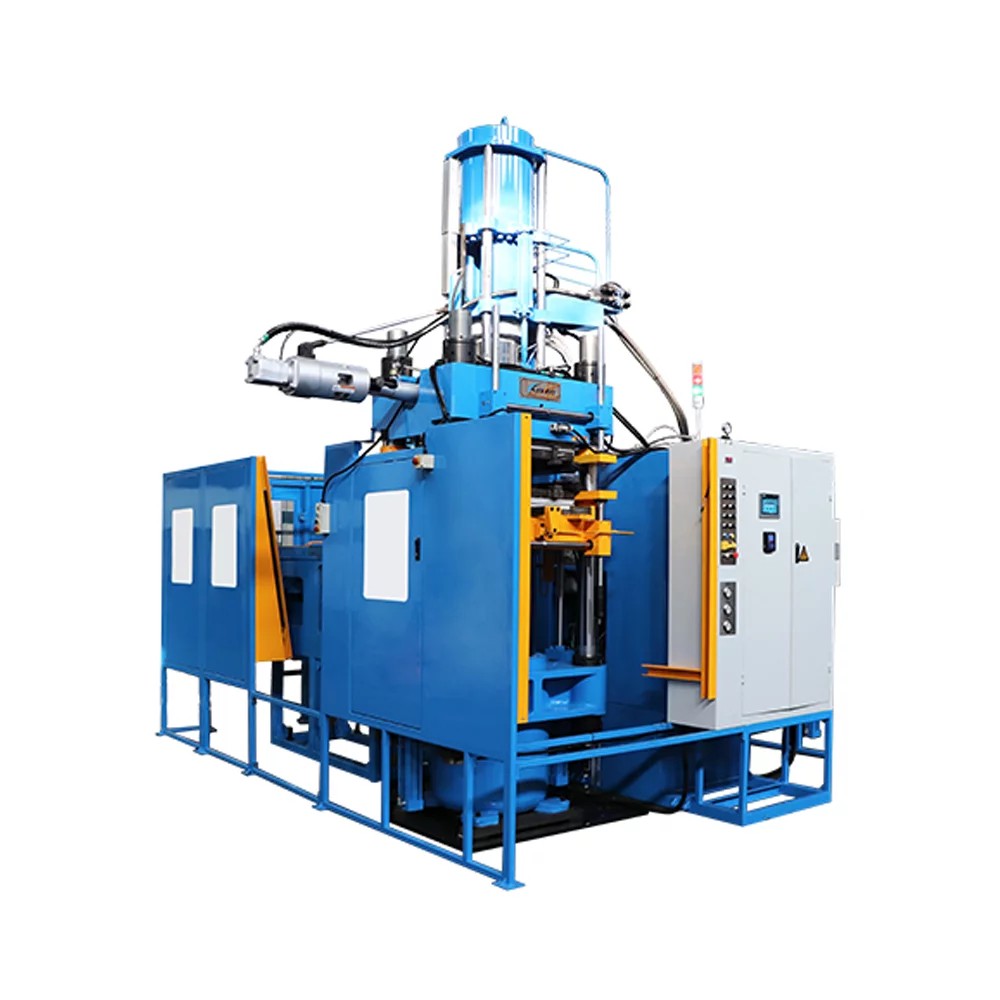
To support demanding tire curing operations, our HWAYI tyre bladder injection machine delivers stable injection control, precise mold clamping, and reliable rubber molding performance for passenger car, truck, and bus tire bladder production. The Rubber Tyre Bladder Injection Machine provides practical equipment solutions that support long-term operation, high production efficiency, and consistent bladder quality.
Environmental Compliance and ISO 14001 Guidelines
Integrating ISO 14001 environmental management protocols assists manufacturing plants in monitoring energy usage, material scrap generation, and chemical disposal. Industrial facilities adopt closed-loop cooling systems and energy-efficient hydraulic drives to lower environmental impacts.
Documented waste management protocols ensure compliant disposal of uncured polymer scrap and spent hydraulic oil. Following recognized environmental management standards aligns industrial processing operations with global corporate sustainability goals.
High-Voltage Insulator and Power Transmission Component Standards
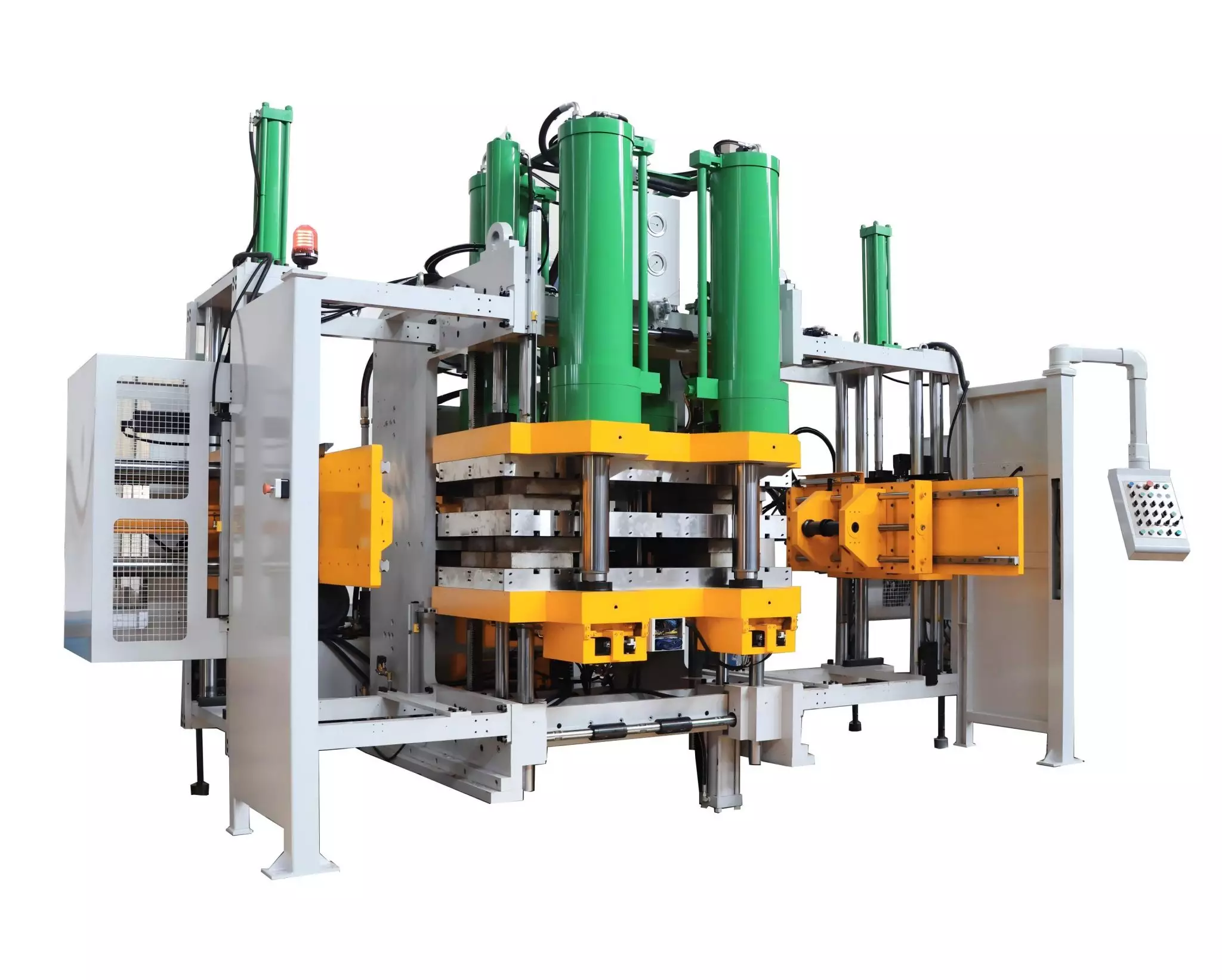
Manufacturing high-voltage power transmission components—such as hollow core insulators, arrestors, and cable joints—demands strict adherence to electrical safety and insulation performance standards. These components must withstand extreme electrical stresses, environmental exposure, and mechanical loads over decades of service.
Production of such components requires precise control over material dielectric strength, tracking resistance, and thermal stability. Testing protocols typically include partial discharge measurement, power frequency withstand voltage tests, and lightning impulse tests to verify that each component meets the required insulation class. For applications up to 1000 kV, material selection and process validation become particularly critical.
Precision Control in Custom Rubber Injection Molding
Achieving high dimensional accuracy across complex component geometries requires computerized regulation of injection pressure profiles and barrel thermal zones. Utilizing modern custom rubber injection molding machinery allows technicians to minimize internal voids and surface flaws in dense elastomeric parts.
Closed-loop feedback control systems adjust hydraulic output dynamically, compensating for subtle variations in raw compound viscosity. Precise injection control protects component structural integrity across continuous, multi-cavity production cycles.
Equipment Safety Directives and CE Marking Standards
Processing machinery operating within global manufacturing facilities must display CE markings and comply with international safety directives. Electrical cabinets, hydraulic power units, and mechanical interlocks undergo comprehensive testing to protect operating personnel.
Certified light curtains, dual-check interlocks, and pressure relief valves prevent accidental machine movements during mold setups or maintenance routines. Fulfilling machinery safety standards reduces workplace hazards while supporting steady factory output.
Evaluating Technical Capabilities for Custom Rubber Molding
Selecting reliable manufacturing partners for custom rubber molding programs requires evaluating active certification portfolios, engineering capabilities, and material testing facilities. Industrial buyers analyze audit reports, process capability indices, and laboratory capabilities prior to awarding supply contracts.
Collaborating with experienced engineering teams enables industrial clients to develop tailored elastomeric formulations designed for extreme temperature or chemical exposures. Verified quality credentials provide evidence that suppliers can sustain large-scale production needs.
Process Stability and Production Efficiency Optimization
Maintaining consistent production output requires stable process parameters across extended manufacturing runs. Factors such as hydraulic oil temperature fluctuations, variations in ambient conditions, and cumulative wear on mechanical components can all affect cycle-to-cycle consistency.
Modern rubber injection molding systems incorporate features such as proportional hydraulic valves, closed-loop temperature control, and real-time process monitoring to maintain stability. These capabilities help reduce scrap rates, minimize unscheduled downtime, and ensure that each production batch meets the same dimensional and physical specifications.
Conclusion
Navigating competitive B2B industrial markets requires full alignment with ISO, IATF, environmental, and machinery safety standards to maintain product precision and operational reliability. Through our engineering initiatives at HWAYI, we remain dedicated to delivering high-performance machinery platforms and practical equipment solutions that empower global manufacturers to maintain certified, high-precision elastomeric component production.