Navigating global regulatory landscapes requires industrial rubber processors to adhere to rigorous quality management systems and international manufacturing certifications. Industrial buyers seeking specialized components depend on certified facilities to maintain strict material traceability, dimensional repeatability, and environmental compliance. Our engineering team at HWAYI closely monitors these compliance frameworks to support processing plants in fulfilling complex global supply chain requirements.
Quality audits evaluate every stage of production, from raw compound testing to final part inspection. Contracting with qualified rubber molding companies gives global B2B clients confidence that technical specifications, environmental controls, and safety standards are maintained consistently across continuous manufacturing runs.
Quality Management Benchmarks via ISO 9001 Standards
Establishing an ISO 9001 certified environment provides the foundational framework for repeatable quality control across industrial production lines. Documented standard operating procedures govern material handling, machine calibration, and final part verification to prevent batch-to-batch variations.
Auditing internal workflows routinely ensures that equipment performance remains aligned with specified engineering tolerances. Continuous monitoring under ISO guidelines lowers defect rates, strengthening overall customer satisfaction and supply chain stability.
Automotive Sector Rigor Through IATF 16949 Compliance
Automotive supply chains mandate IATF 16949 certification to mitigate operational risk and guarantee component reliability under severe operating conditions. Certified plants implement Failure Mode and Effects Analysis along with Advanced Product Quality Planning protocols.
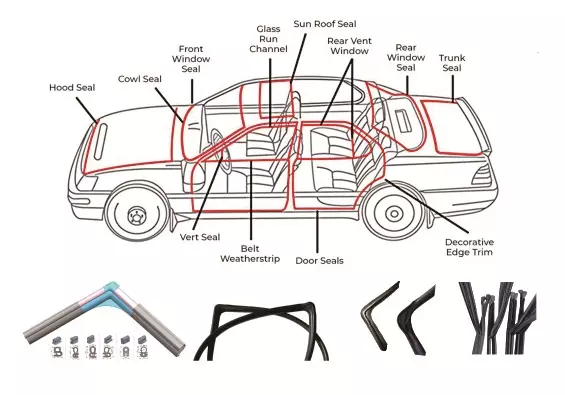
Rigorous automotive audits demand absolute material traceability for raw elastomeric compounds and embedded metal inserts. Fulfilling these stringent standards allows manufacturers to supply Tier-1 automotive partners with high-precision sealing profiles and structural bushings.
High-Precision Systems for Tyre Bladder Manufacturing
Specialized pneumatic components, such as curing bladders, require ultra-precise volumetric metering and robust clamping forces to endure repeated high-temperature vulcanization cycles. Maintaining uniform wall thickness across thick elastomeric bodies prevents premature bladder wear during high-pressure tyre curing.
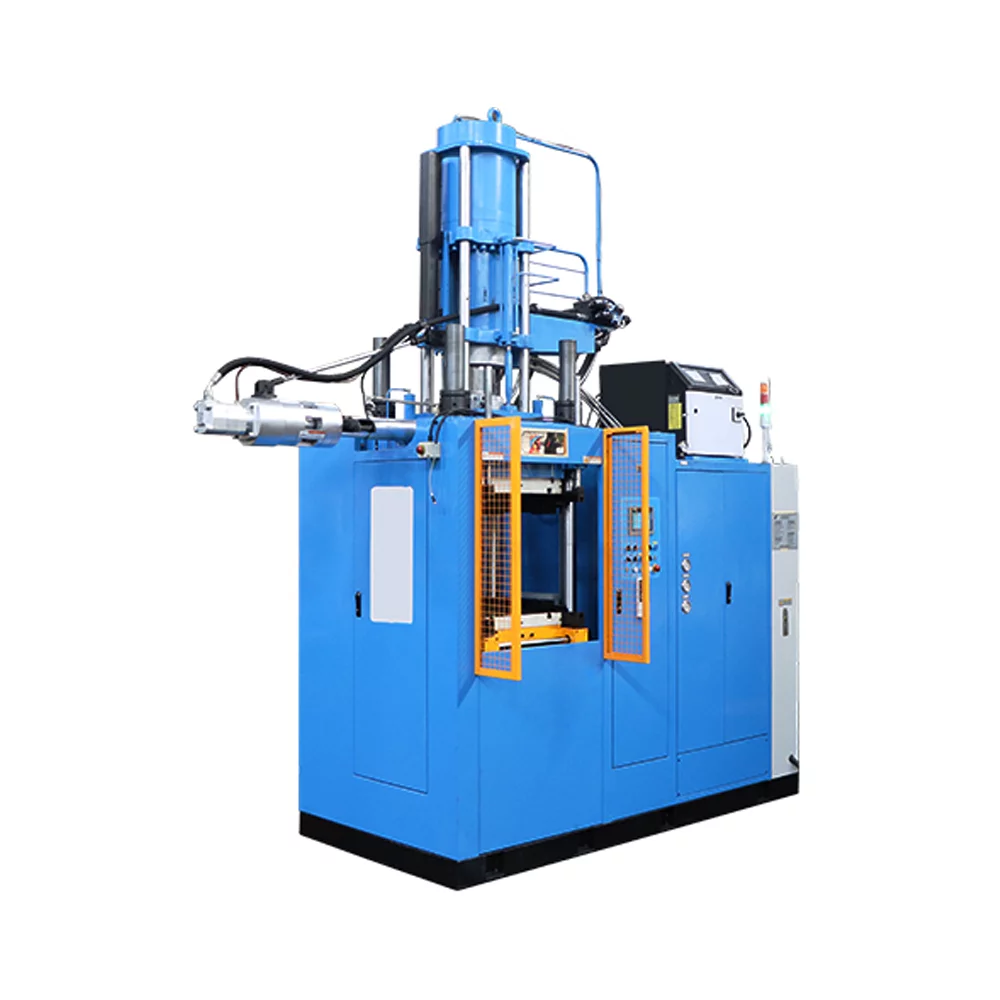
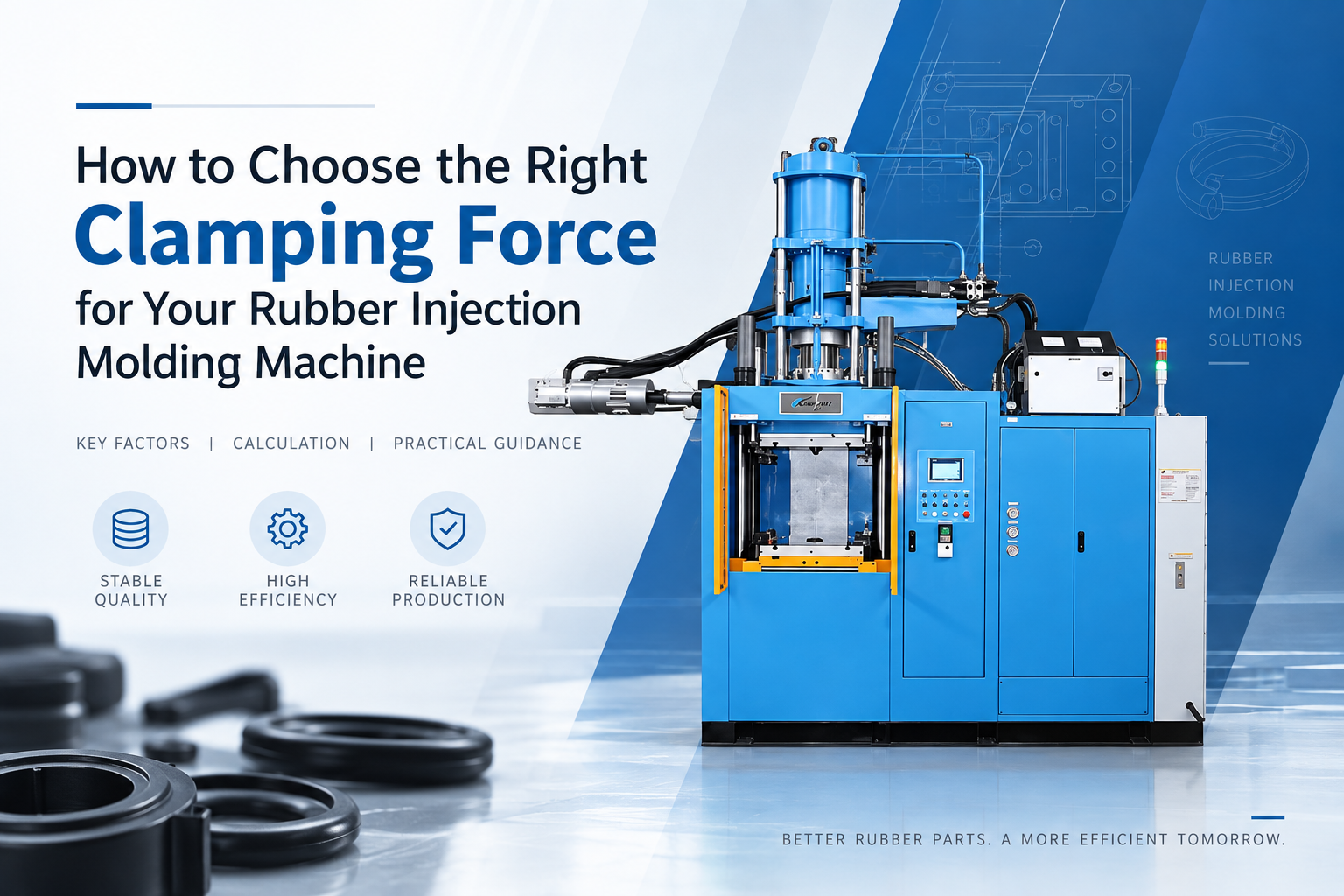
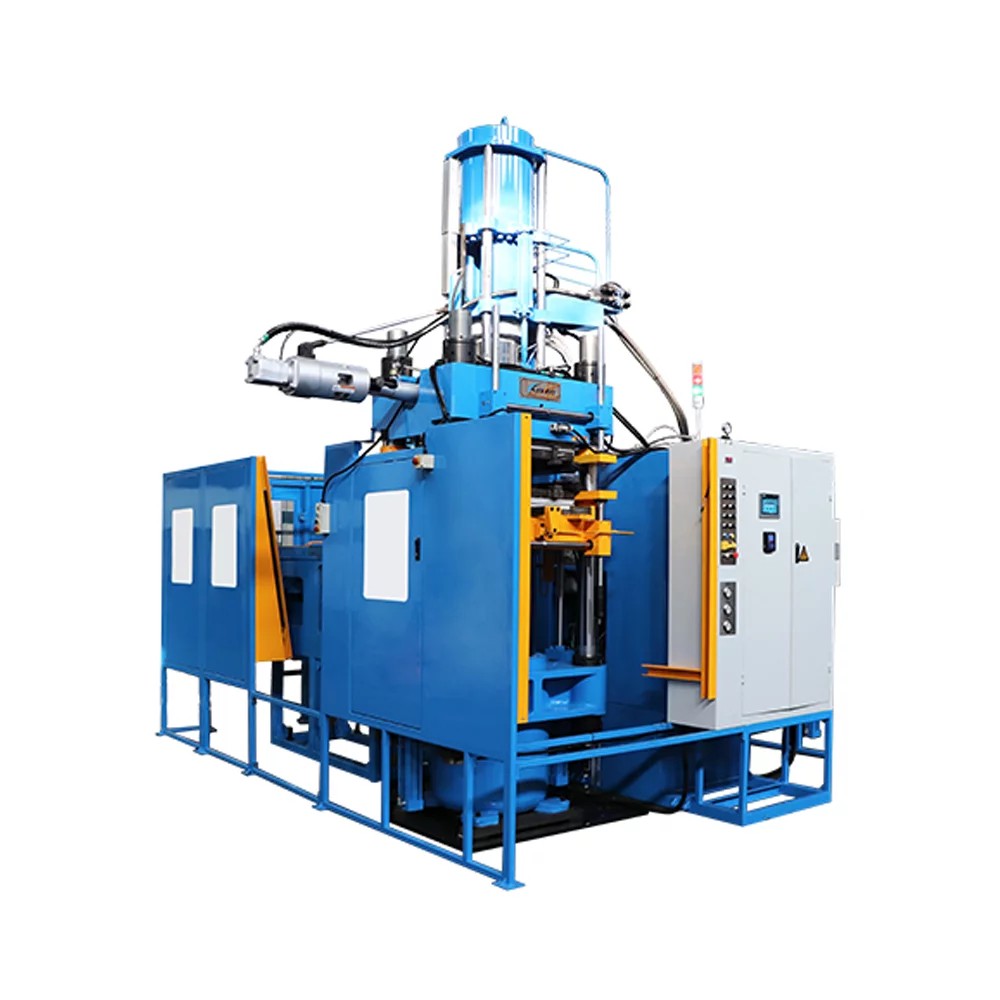
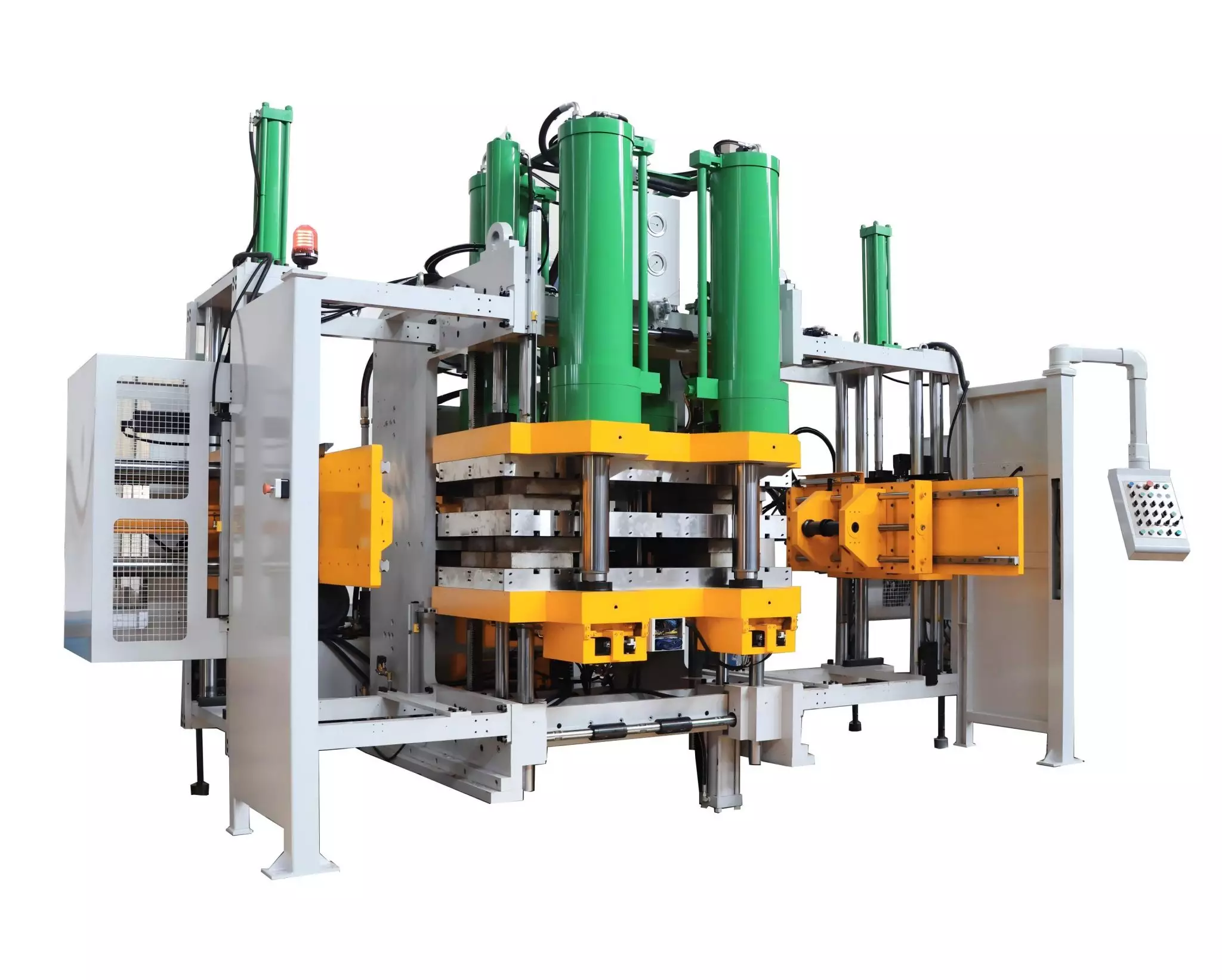
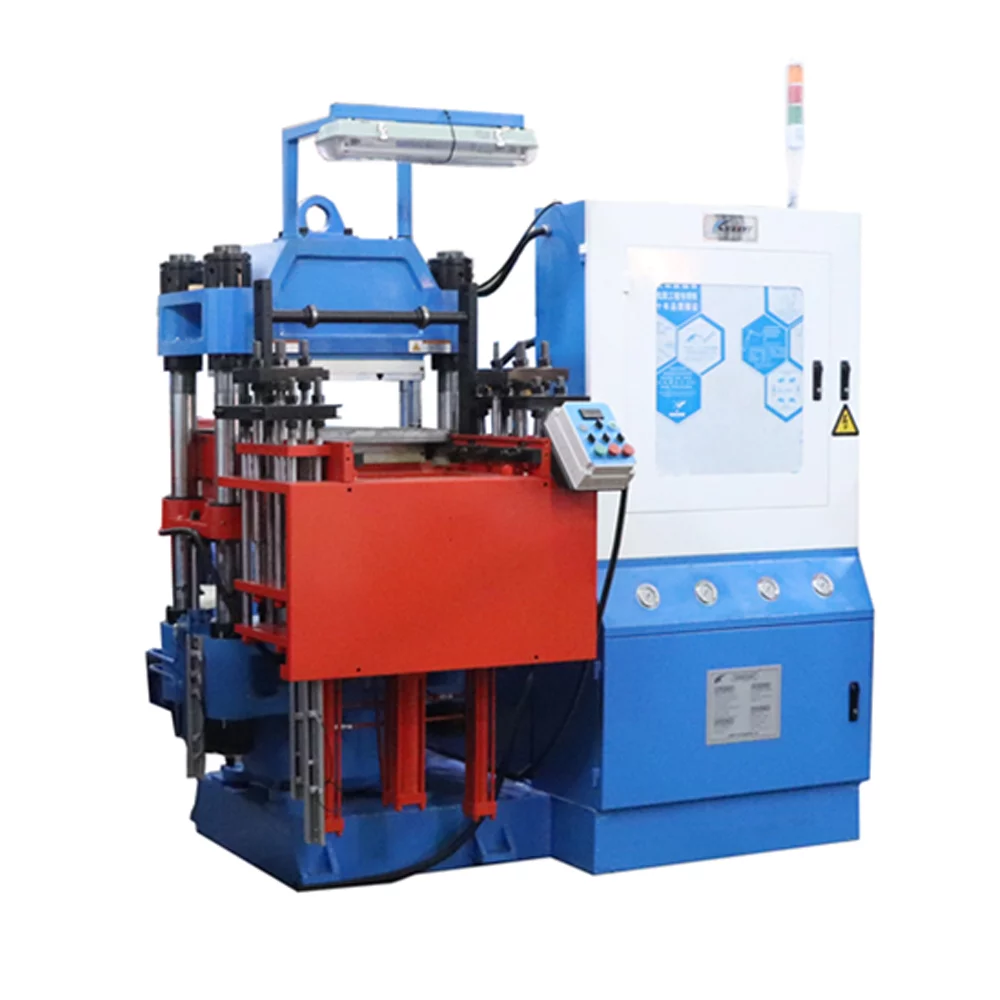
To support heavy-duty tire manufacturing, our Rubber Tyre Bladder Injection Machine features a precision injection system that maintains consistent material delivery for custom rubber injection molding processes. High production efficiency, stable clamping performance, and an energy-efficient design combine to increase output while managing operational power consumption.
Environmental Responsibility and ISO 14001 Guidelines
Integrating ISO 14001 environmental management frameworks helps manufacturing facilities monitor resource consumption, waste generation, and chemical handling. Processing facilities adopt closed-loop water cooling circuits and energy-efficient servo drives to minimize environmental impacts.
Documenting waste management procedures guarantees compliant disposal of uncured compound scraps and hazardous hydraulic fluids. Adhering to recognized environmental standards aligns manufacturing operations with global corporate sustainability goals.
Specialized Medical and Food-Grade Certifications
Manufacturing elastomeric parts for medical devices or food handling equipment demands strict adherence to FDA and USP Class VI regulations. Cleanroom processing environments prevent particulate contamination during compound feeding, injection, and packaging stages.
Biocompatibility testing verifies that cured elastomeric parts contain zero extractable toxins or volatile residues. Certified facilities maintain specialized cleanrooms to meet regulatory guidelines for sensitive B2B applications.
Precision Control in Custom Rubber Injection Molding
Achieving high dimensional accuracy across complex custom component geometries requires sophisticated control over injection pressure profiles and barrel heating zones. Utilizing an advanced custom rubber injection molding platform allows technicians to eliminate internal voids and surface blemishes in dense parts.
Closed-loop feedback systems adjust hydraulic output continuously to compensate for raw compound viscosity shifts. Maintaining strict injection control protects structural part integrity across continuous, multi-cavity production runs.
Equipment Standards and Operational Safety Certifications
Manufacturing machinery deployed across industrial facilities must carry CE markings and fulfill international machinery safety directives. Electrical cabinets, hydraulic power units, and mechanical interlocks undergo comprehensive safety testing to protect operating personnel.
Certified safety curtains, dual-check interlock switches, and pressure relief valves prevent accidental machine movements during mold setup. Complying with machinery safety standards lowers workplace liability while maintaining steady operational output.
Evaluating Partner Capabilities Among Rubber Molding Companies
Selecting qualified partners among global rubber molding companies requires reviewing their active certification portfolios, engineering capabilities, and testing facilities. B2B purchasers evaluate factory audit reports, Cpk capability indices, and material testing laboratories before placing critical orders.
Establishing strong technical partnerships enables industrial clients to co-develop custom elastomer solutions tailored for extreme operating environments. Verified quality credentials provide complete assurance that suppliers can sustain large-scale production requirements.
Sustainable Practices and Energy Management Standards
Implementing ISO 5001 energy management frameworks assists processing facilities in optimizing power usage across heavy hydraulic machinery. Variable-frequency motor drives and insulated platen assemblies lower overall electrical demand during extended curing phases.
Lowering utility consumption reduces operational overhead while lowering the factory’s overall carbon footprint. Adopting energy-conscious processing techniques supports long-term profitability while contributing to sustainable manufacturing initiatives.
Conclusion
Navigating complex industrial markets requires full alignment with ISO, IATF, and environmental compliance frameworks to guarantee part precision and operational safety. Through our dedicated engineering initiatives at HWAYI, we remain committed to offering high-performance machinery platforms and technical expertise, empowering global manufacturers to maintain certified, high-precision elastomeric production.