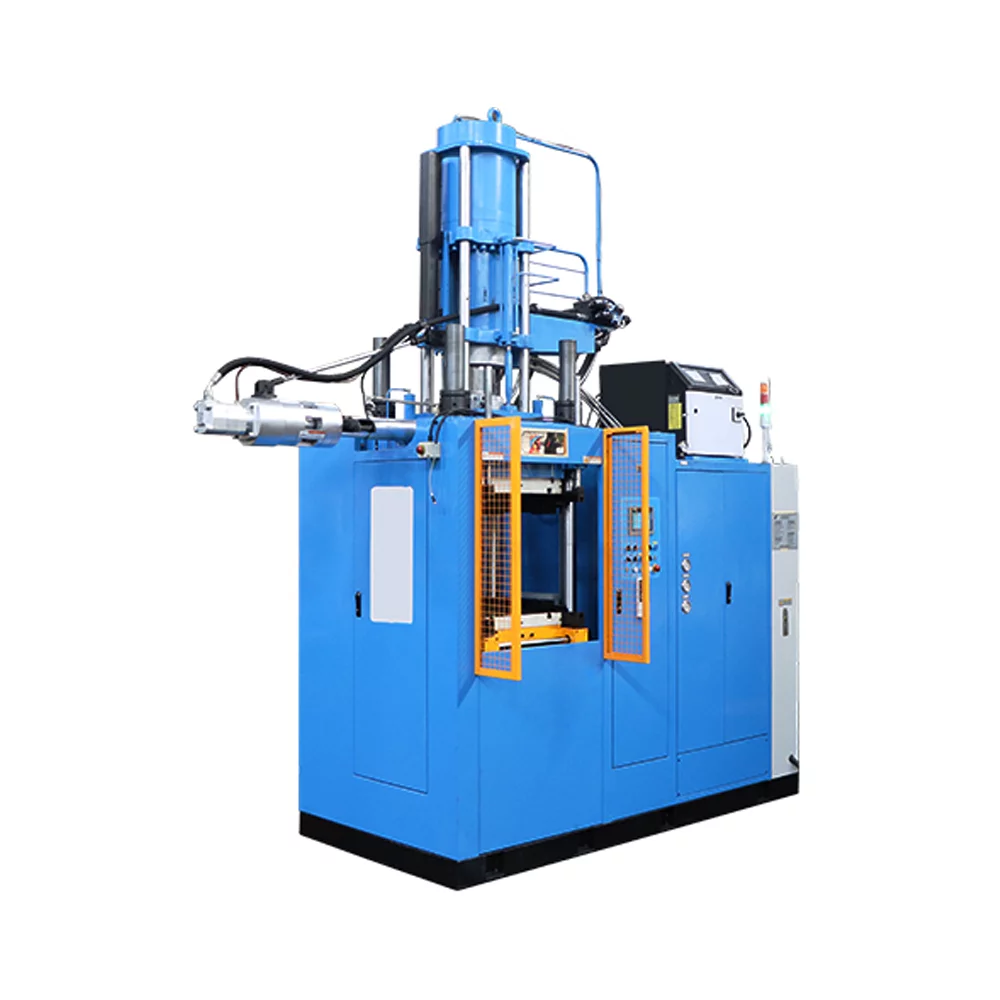
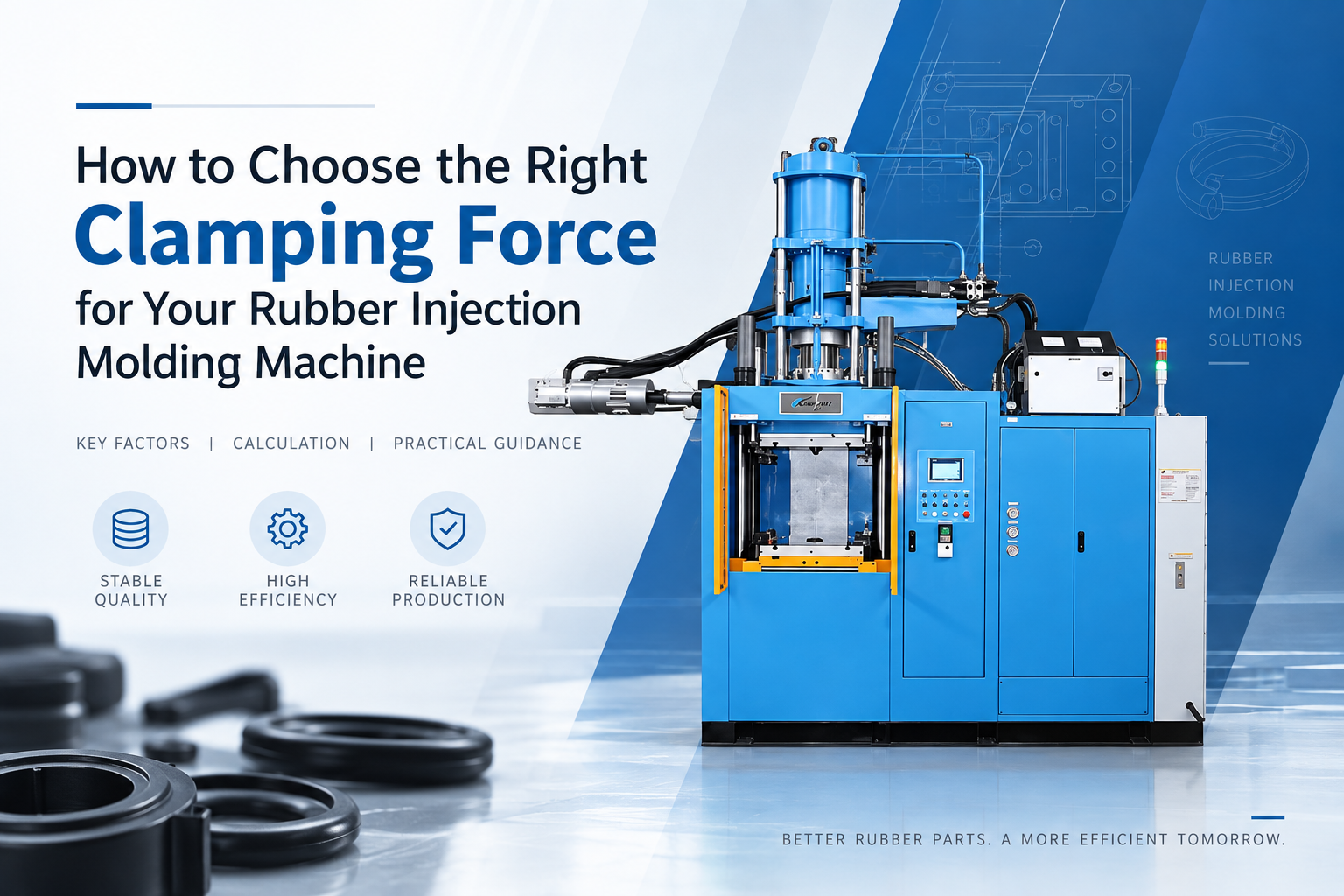
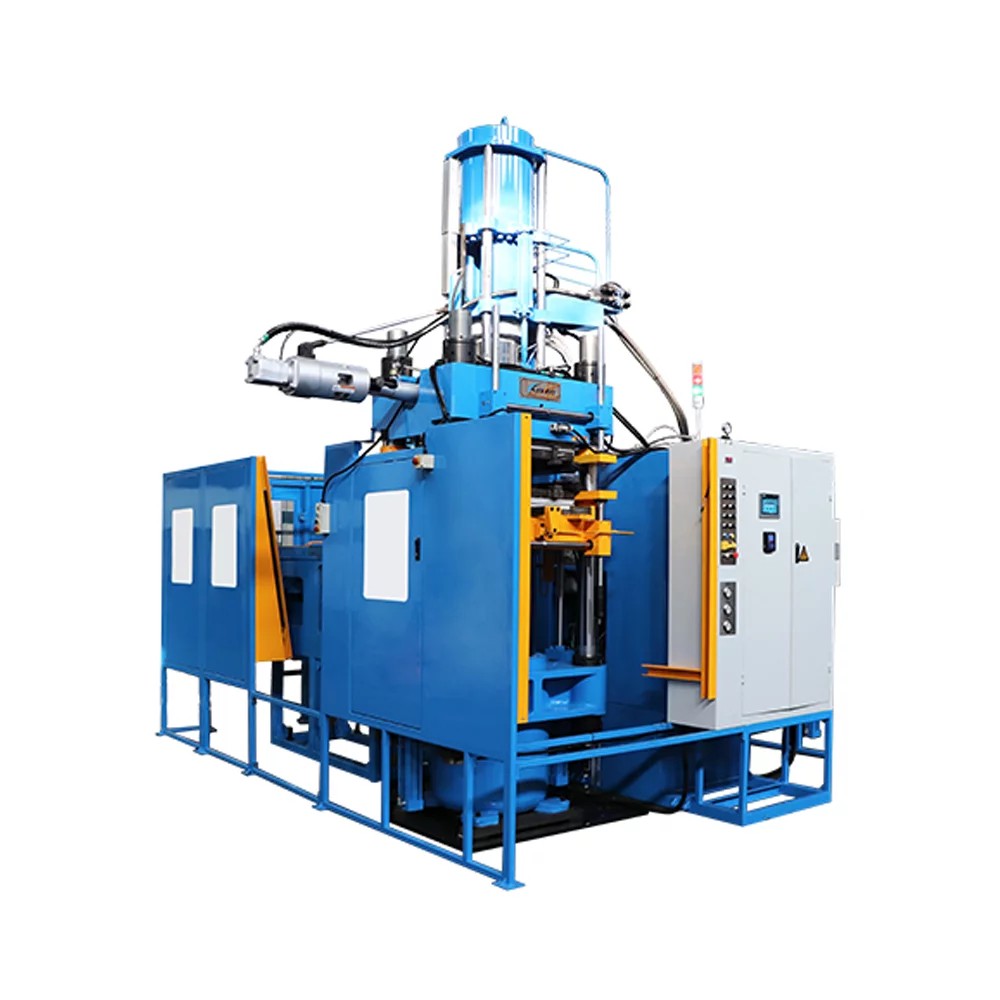
High-voltage power distribution systems require composite insulation components capable of withstanding severe dielectric stress and extreme environmental weathering. Operating a high-performance rubber injection molding machine mandates strict alignment with international quality frameworks, mechanical safety codes, and thermal stability guidelines. Our engineering group at HWAYI studies these regulatory parameters to provide plant engineers with actionable insights into machinery assessment and quality control protocols.
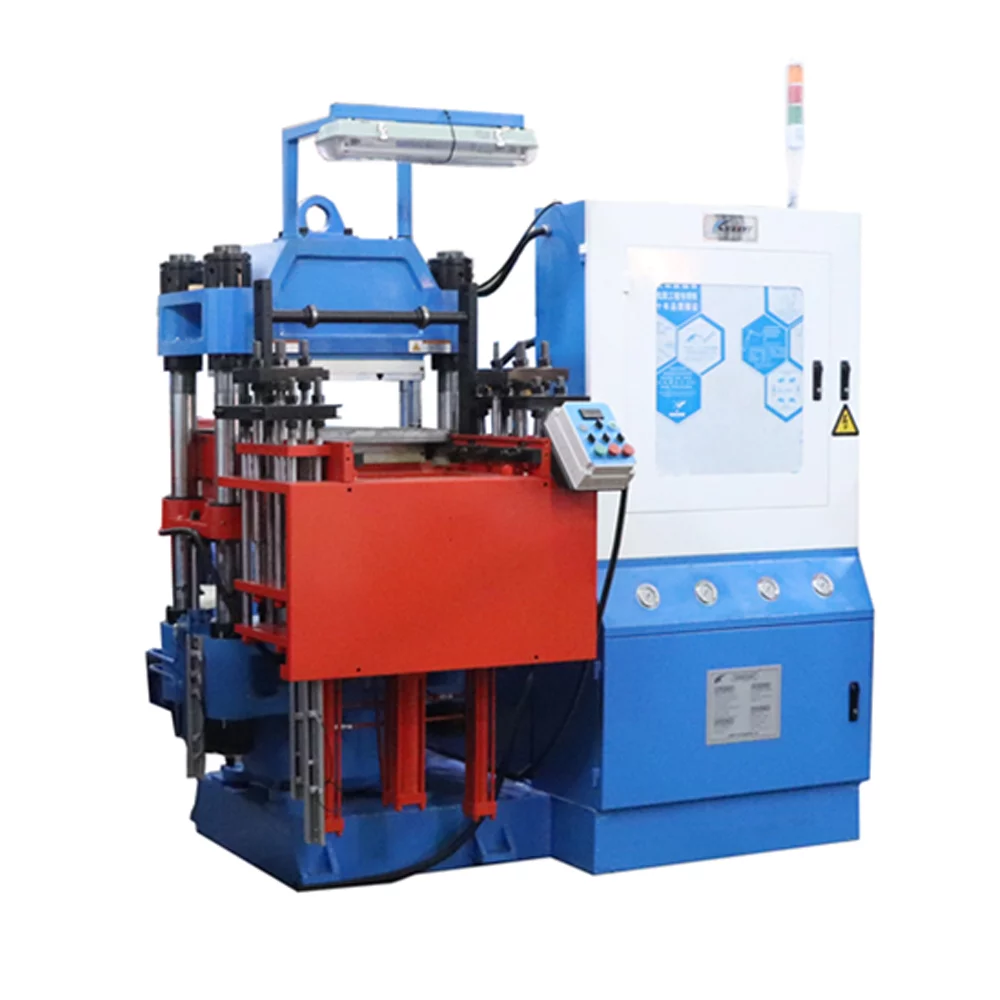
Maintaining tight dimensional tolerances during high-volume production depends on manufacturing consistency and rigorous testing standards. Procuring an industrial rubber injection moulding machine requires verifying that structural assemblies, hydraulic manifolds, and temperature controllers comply with ISO (International Organization for Standardization) and CE (Conformité Européenne) standards before facility installation.
Essential ISO Certifications for Industrial Manufacturing Facilities
Quality management systems built around ISO 9001 standards form the structural backbone of industrial equipment manufacturing. Compliance dictates that raw materials, machining tolerances, and assembly workflows undergo documented quality audits at every stage of production.
Verifying ISO compliance gives procurement managers confidence in component traceability and manufacturing repeatability. Standardized assembly protocols prevent unexpected variations in mechanical alignment, preserving structural integrity across demanding operational shifts.
European CE Marking Directives and Electrical Safety Codes
Equipment exported for global deployment must satisfy strict CE directives regarding machinery safety and electromagnetic compatibility. Electrical control panels require low-voltage circuit isolation, dedicated grounding, and protective enclosures to shield sensitive microprocessors from interference.
Compliance with EN standards shields plant personnel from hazardous electrical discharges and mechanical pinch points. Integrating certified safety interlocks and emergency shut-off mechanisms maintains safe working conditions across automated molding floors.
Pressure Equipment Directives Governing Hydraulic Subsystems
High-tonnage hydraulic clamping units operate under immense internal fluid pressure, necessitating strict pressure vessel compliance. Pressure relief valves, certified manifolds, and seamless steel tubing must endure continuous pressure cycles without suffering fatigue fractures.
Regular non-destructive testing of hydraulic cylinders verifies structural soundness under peak operational loads. Adhering to pressure equipment directives prevents catastrophic fluid leaks and maintains stable clamping force throughout long curing cycles.
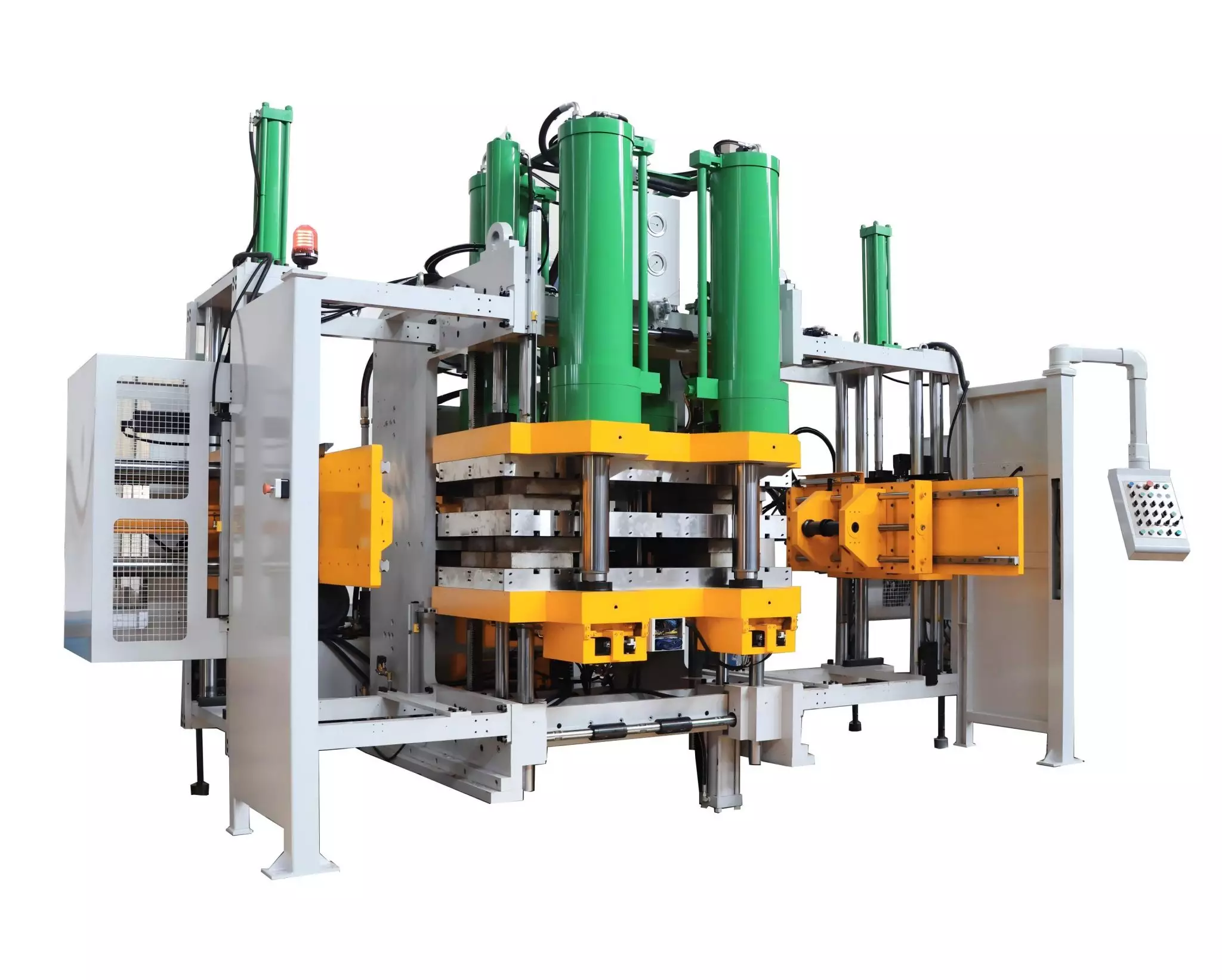
Double-Cylinder Architecture in Insulator Molding Units
Manufacturing specialized power transmission components requires precise material distribution and consistent clamping force across long core lengths. Utilizing double-cylinder clamping mechanisms balances mechanical stress evenly across platen structures, preventing mold deflection during high-pressure injection phases.
For high-voltage application requirements, our Compact Rubber Insulators Injection Machine incorporates a double-cylinder patent design tailored for HTV rubber material and solid silicone rubber processing. This specialized setup supports efficient production of composite insulators, arrestors, and hollow core bushings used in power grid infrastructure.
Precision Injection Volume Verification and Metering Standards
Accurate metering controls prevent volumetric variations that cause internal voids, sink marks, or parting-line flash. Closed-loop sensor feedback monitors plunger displacement in real time, adjusting injection speeds to match cavity filling dynamics.
Deploying a precise rubber injection molding machine reduces material wastage while maintaining uniform part density across multi-cavity tooling layouts. Precise shot repeatability safeguards electrical insulation properties by preventing micro-porosity within cured elastomeric bodies.
Dynamic Thermal Uniformity and Closed-Loop Calibration
Maintaining narrow thermal tolerances across large platen surfaces remains vital for achieving uniform cross-linking density. Multi-zone electric heating elements paired with PID controllers adjust energy output based on localized thermal absorption.
Operating a calibrated rubber injection moulding machine reduces localized thermal degradation or under-cured core sections in thick-walled silicone components. Systematic thermal mapping verifies that temperature variations remain within strict tolerances across the entire mold cavity area.
Operational Safety Protocols and Interlock Integration
Modern industrial safety codes mandate multi-layered physical and electronic barriers to protect machine operators during manual interventions. Light curtains, sliding safety doors, and dual-check interlock switches halt mechanical movements immediately if safety perimeters are breached.
Integrating redundant safety relays prevents accidental clamping cycles while operators perform mold cleaning or insert placement. Prioritizing operator safety lowers factory liability and complies with stringent international occupational safety regulations.
Environmental Management and Energy Consumption Standards
Industrial processing plants face increasing pressure to align operations with ISO 14001 environmental management frameworks. Energy-efficient servo-hydraulic pump drives reduce electrical utility demands by adjusting motor speeds based on active processing phases.
Configuring an advanced rubber injection molding machine with variable-speed drives minimizes excess heat generation in hydraulic fluid, reducing secondary cooling power requirements. Lower energy consumption helps manufacturing facilities achieve corporate sustainability targets while maintaining high productivity.
Quality Audit Traceability and Digital Data Logging
Modern industrial compliance frameworks require full digital record-keeping for every production batch. Computerized control units capture injection pressure curves, cure times, platen temperatures, and cycle durations in centralized databases.
Operating a digital rubber injection moulding machine allows quality managers to export traceable production logs for client verification. Digital data retention simplifies root-cause analysis during quality audits, supporting continuous process refinement and parameter optimization.
Conclusion
Evaluating precision molding equipment requires a holistic review of ISO quality frameworks, CE safety compliance, structural stability, and digital traceability. At HWAYI, we remain dedicated to engineering high-precision processing machinery and robust technical frameworks that support global manufacturers in achieving compliant, efficient, and reliable elastomeric component production.