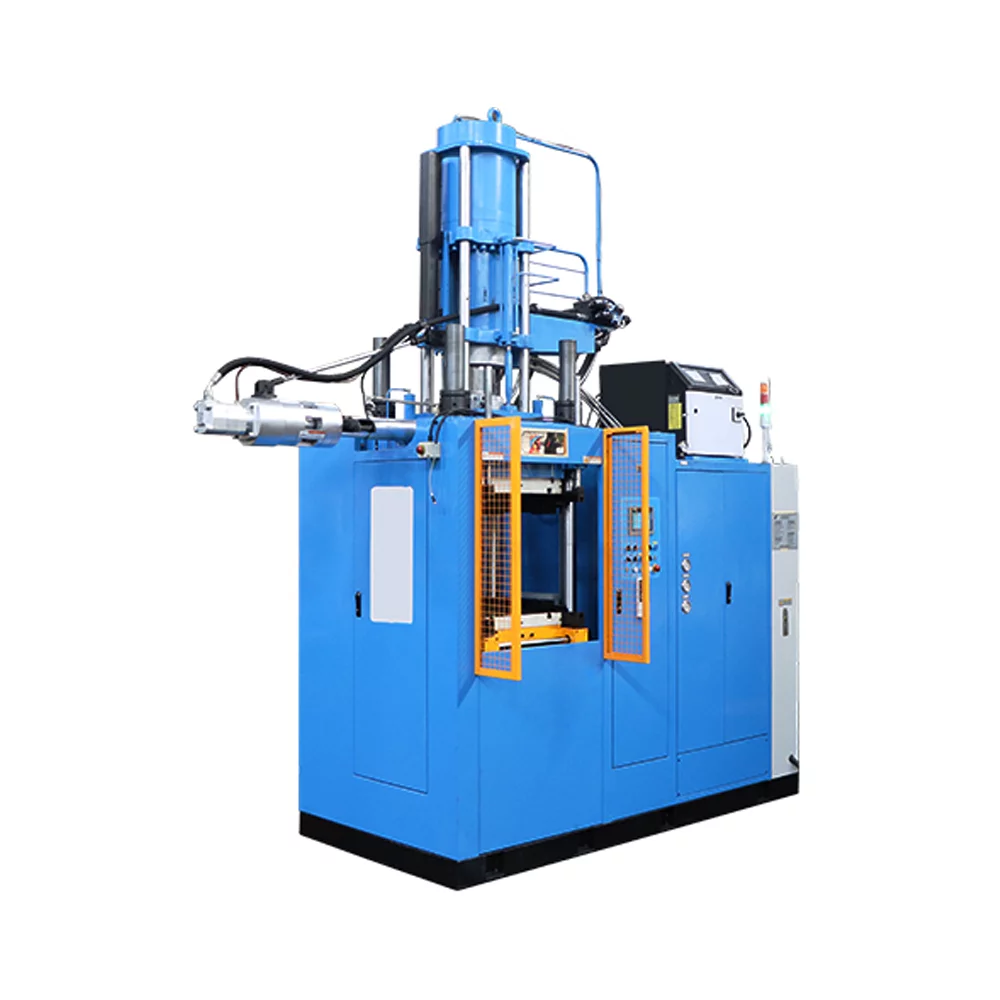
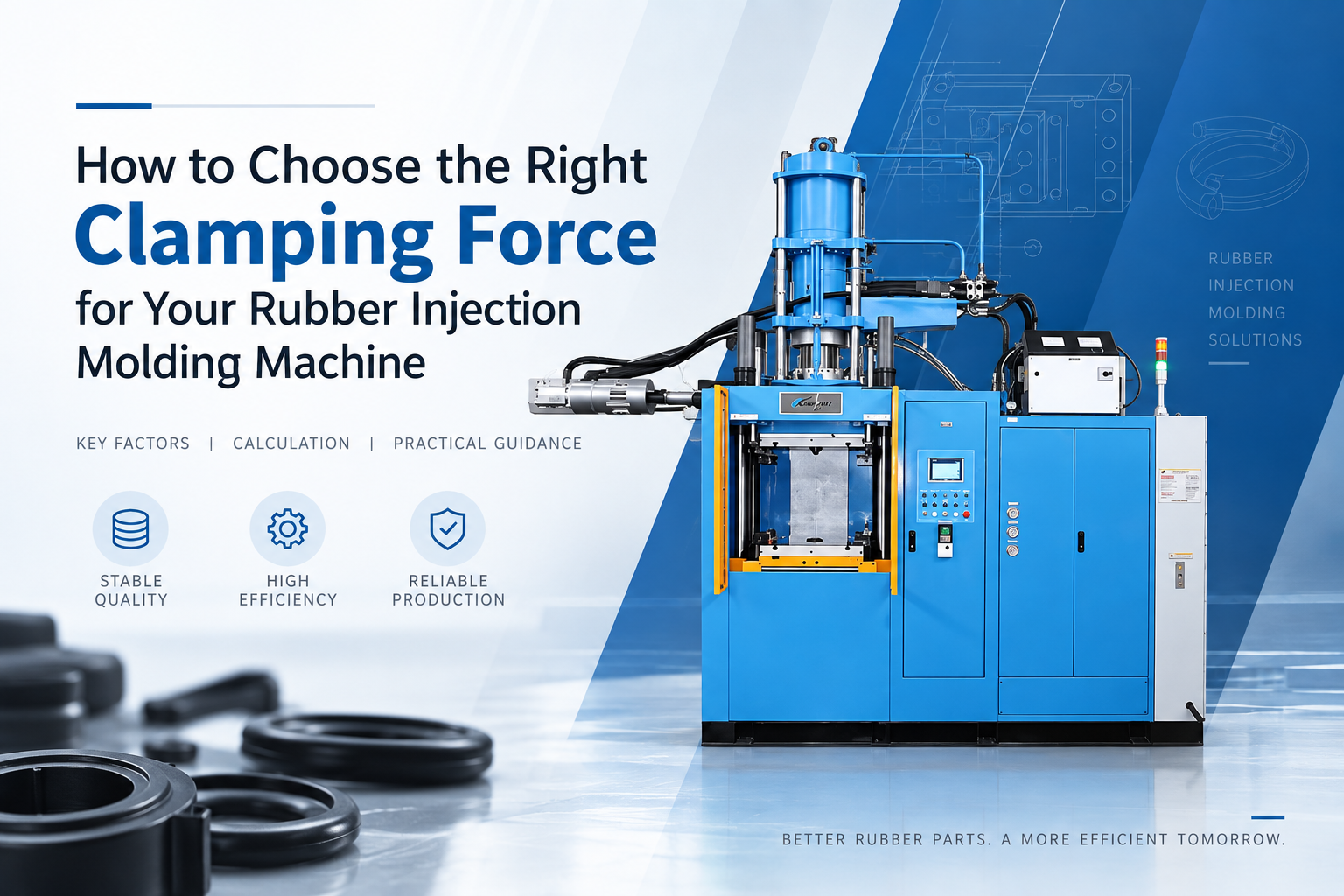
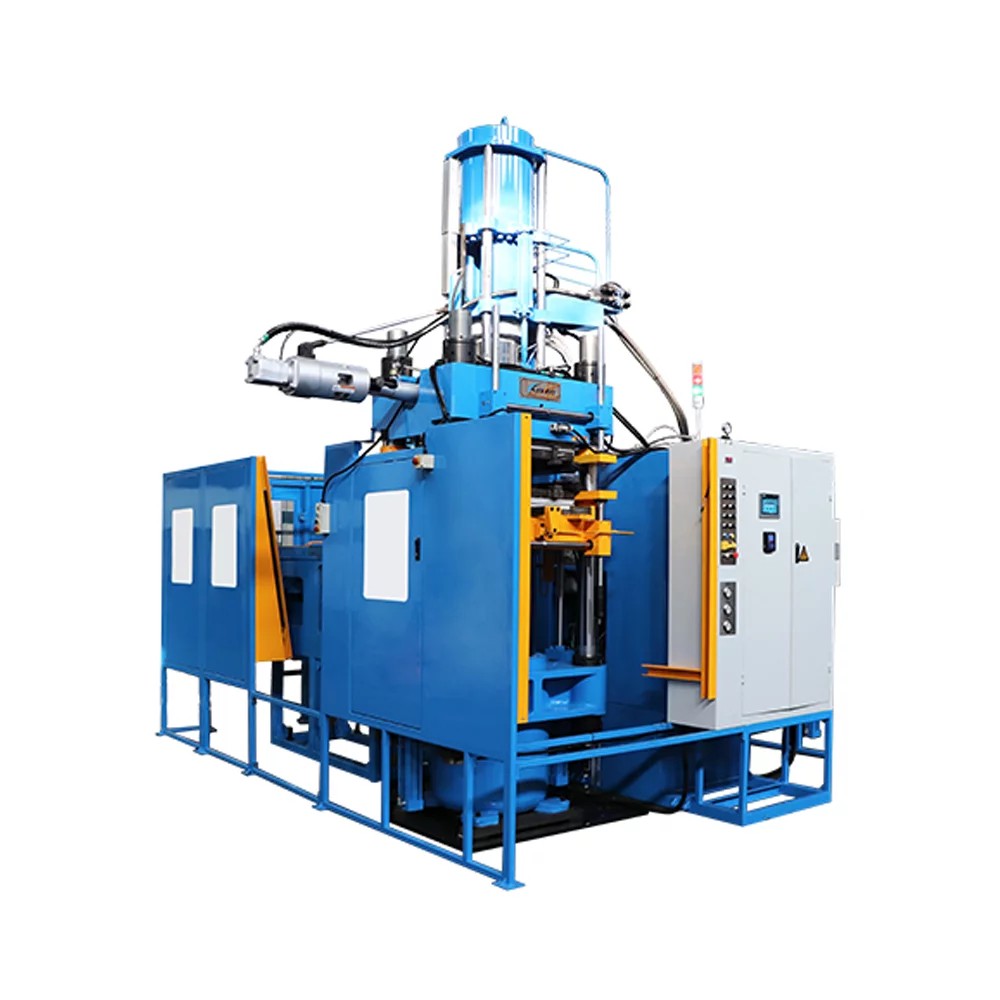
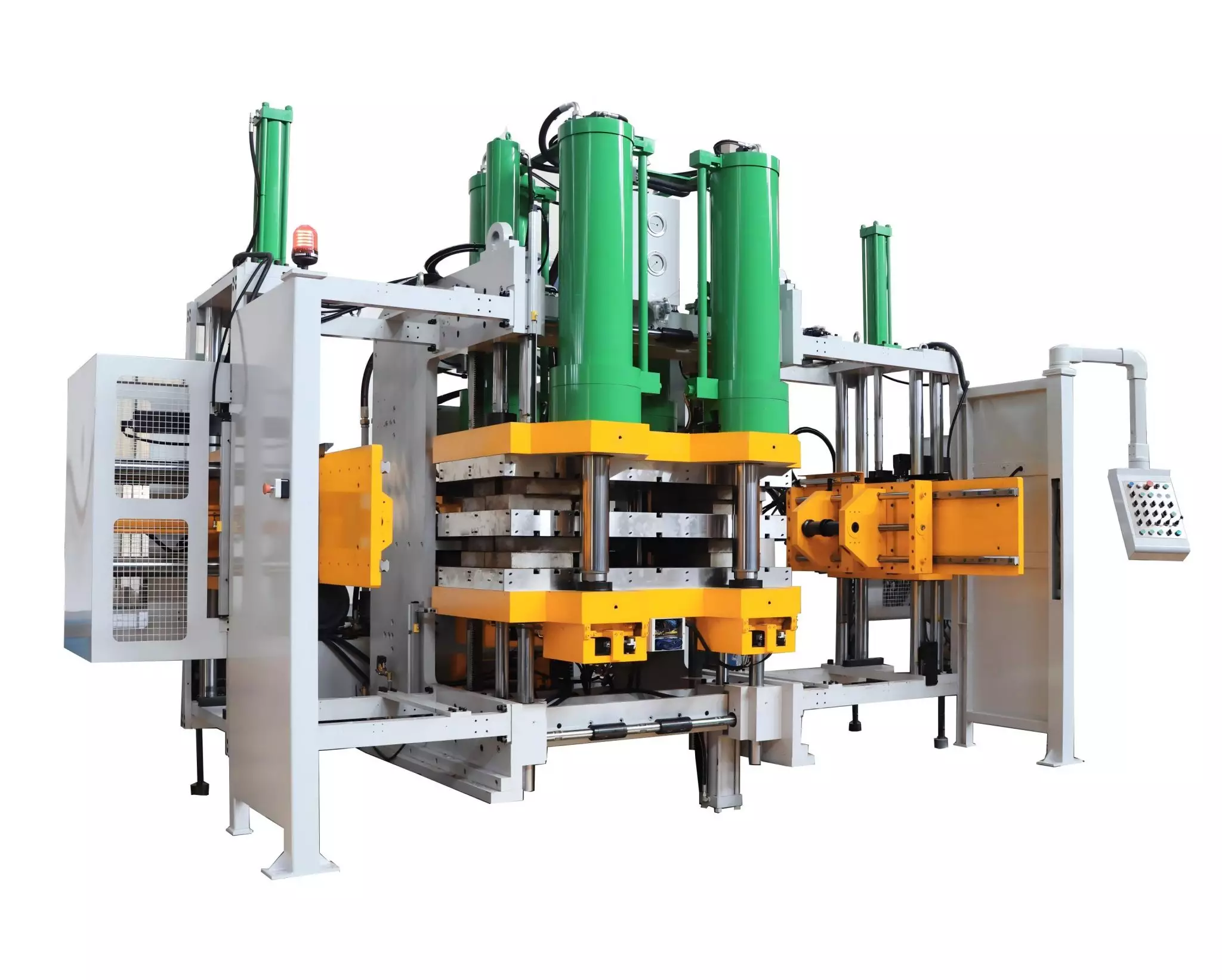
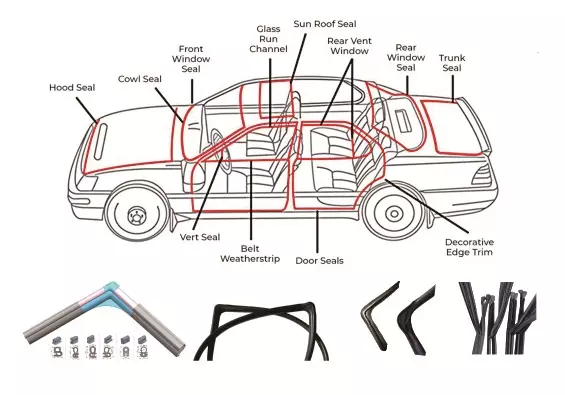
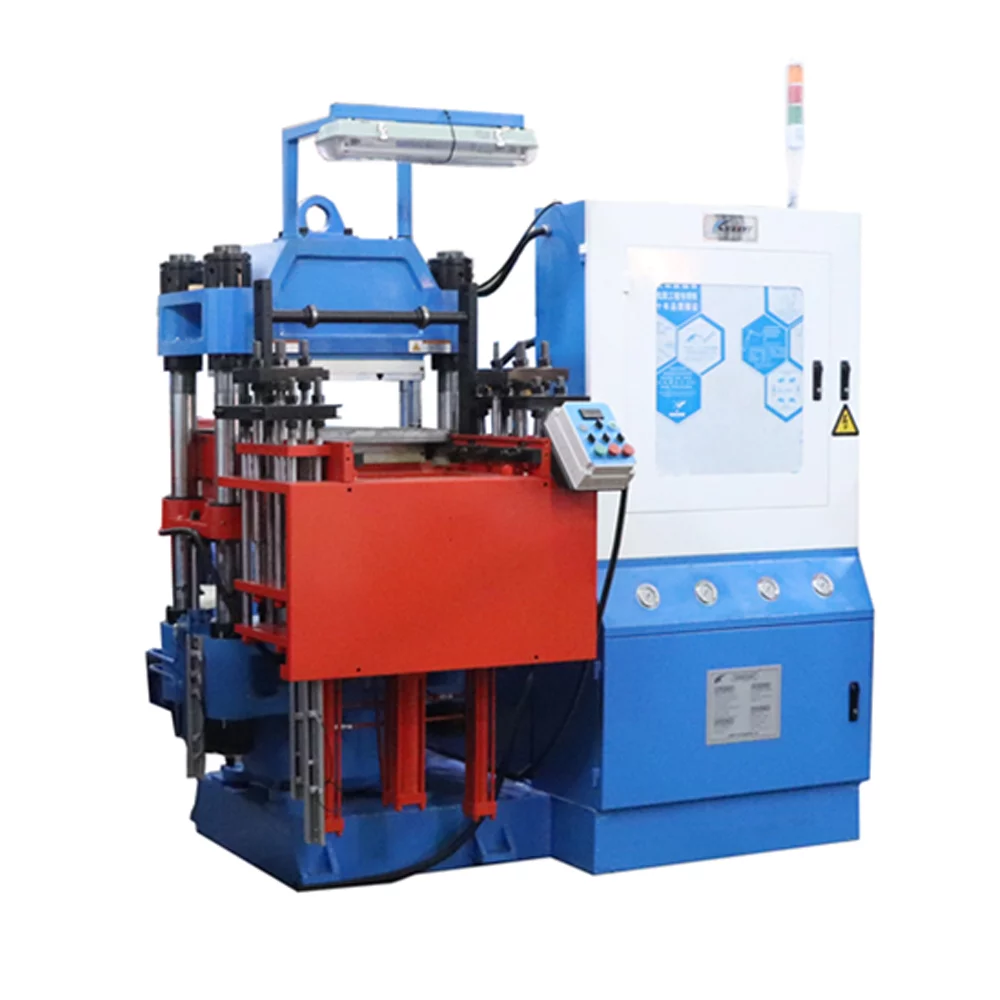
Enhancing corner splicing precision and dimensional consistency across elastomeric profile manufacturing relies heavily on dynamic closed-loop hydraulic management. Operating a heavy-duty C frame rubber injection molding machine requires balancing rapid motion control with strict thermal regulation to create robust profile junctions without material degradation. Our technical team at HWAYI studies these servo-hydraulic interactions to assist plant engineers in refining corner molding workflows and lowering total energy demand.
Managing hydraulic pressure transitions during fast closing and clamping phases directly influences tooling wear and parting-line flash generation. Deploying an advanced C frame press powered by servo-driven hydraulic architecture allows operators to regulate fluid delivery dynamically, maintaining smooth mechanical movements and precise holding pressure across variable vulcanization cycles.
Closed-Loop Servo Dynamics and Hydraulic Energy Conservation
Integrating servo motor technology with variable-displacement hydraulic pumps enables processing platforms to regulate motor speeds based on active cycle requirements. During holding and curing phases, servo drives reduce rotation speeds drastically, drawing minimal power while sustaining maximum holding tonnage.
Lowering hydraulic pump output during dwell periods reduces fluid shear friction and fluid heating within hydraulic reservoirs. Decreased thermal load on hydraulic oil extends seal longevity and lowers secondary water cooling demands across continuous operating shifts.
Open C-Frame Structural Architecture and Ergonomic Handling
Open three-sided accessibility provides machine operators with unhindered entry to active mold cavities during manual insert placement. Corner splicing for automotive door seals and window profiles requires rapid positioning of pre-extruded strip ends prior to mold closure.
Specially engineered for EPDM sealing strips junctions molding press applications, our C frame structure features a complete open structure available with top injection or bottom injection configurations. This unobstructed geometry streamlines manual insert alignment, reducing mold-open dwell times and preserving platen surface temperatures.
High-Precision Injection Systems Without Check Valves
Eliminating traditional check valves and plasticizing runners reduces material residence time and prevents compound stagnation inside the heating cylinder. An all-in-all-out injection mechanism forces raw rubber directly into cavity channels without leaving uncured material remnants.
This runnerless approach achieves an injection accuracy of ±5% with a CPK ≥1.67 without requiring check valves or metering units. Removing feed area rubber breakage prevents compound waste while maintaining repeatable volumetric shot delivery across sequential molding cycles.
Thermal Field Uniformity and Advanced Insulation Dynamics
Precise thermal energy distribution across platen surfaces remains essential for achieving predictable polymer cross-linking in corner junctions. Closed-loop PID temperature controllers adjust electric heating elements dynamically to counteract localized heat loss along platen perimeters.
Maintaining a platen temperature tolerance within ±2°C through PID calibration and Germany-imported insulation plates provides exceptional stability for C frame press operations. Superior thermal containment shields internal hydraulic components from heat radiation while preserving uniform durometer hardness across cured joints.
Servo-Driven Pressure Modulation and Flash Reduction
Continuous feedback from electronic pressure transducers enables servo controllers to make micro-adjustments to hydraulic fluid volume during injection. Regulating cavity pressure dynamically prevents over-pressurization, which causes material seepage along parting lines.
Proportional pressure modulation allows viscous compounds to fill thin cavity sections completely before vulcanization initiates. Eliminating clamping force fluctuations protects delicate aluminum or steel tooling against premature edge wear and mechanical deformation.
Multi-Station Configurations and Ergonomic Workflow Optimization
Utilizing multi-station configurations allows operators to load sealing profiles on one station while active vulcanization occurs on an adjacent station. Parallel processing maximizes machine utilization, increasing throughput potential without requiring additional floor space.
Deploying a double working station setup optimizes labor efficiency and keeps hydraulic power units operating at peak performance. Seamless workstation transitions reduce non-productive waiting times during high-volume automotive component manufacturing runs.
Auxiliary Hydraulic Valve Integration and Tooling Versatility
Complex corner tooling often requires sliding cores, upper lifters, and mechanical ejectors to release intricate rubber profiles without damage. Auxiliary hydraulic control valves coordinate multi-axis mechanical movements seamlessly within the primary processing sequence.
Incorporating upper lifter, sliding, ejector, and core-pulling valves enables a C frame rubber injection molding machine to handle diverse mold configurations effectively. Versatile hydraulic controls support custom tooling designs without requiring external hydraulic power packs.
Global Compliance Standards and International Safety Directives
Deploying industrial machinery into global manufacturing environments necessitates compliance with international safety and electrical directives. Enclosed electrical cabinets, dual-check interlocks, and emergency pressure relief systems protect operators during routine tool changeovers.
Procuring equipment with CE certification options helps compliance with global market standards from a professional China supplier. Standardized safety architecture lowers workplace risk and simplifies integration into international manufacturing facilities.
Precision Control Metrics in Open-Frame Machinery
Maintaining structural rigidity under continuous hydraulic loading prevents platen tilting and uneven force distribution. Operating a robust C frame rubber injection molding machine preserves parallel alignment, protecting mold parting lines during high-tonnage clamping phases.
Advanced digital control interfaces allow operators to store precise multi-stage pressure and velocity recipes for different elastomeric formulations. Closed-loop feedback mechanisms adjust machine output continuously, keeping processing parameters strictly within target engineering tolerances.
Strategic Sourcing from Specialized Equipment Suppliers
Partnering with an experienced C frame press builder provides processing plants with tailored hydraulic configurations, custom platen dimensions, and specialized automation interfaces. Technical collaboration ensures that equipment capabilities match specific profile joining requirements.
Comprehensive engineering support simplifies machinery installation, operator training, and preventative maintenance planning. Working alongside specialized equipment builders accelerates site commissioning, enabling facilities to reach target output targets swiftly.
Conclusion
Upgrading corner profile joining operations through servo-controlled hydraulic systems, runnerless injection technology, and multi-zone thermal management elevates part consistency while lowering operational energy consumption. Through our technical initiatives at HWAYI, we remain dedicated to engineering high-precision processing machinery and versatile equipment solutions that empower global manufacturers to achieve reliable, cost-effective, and continuous elastomeric component production.