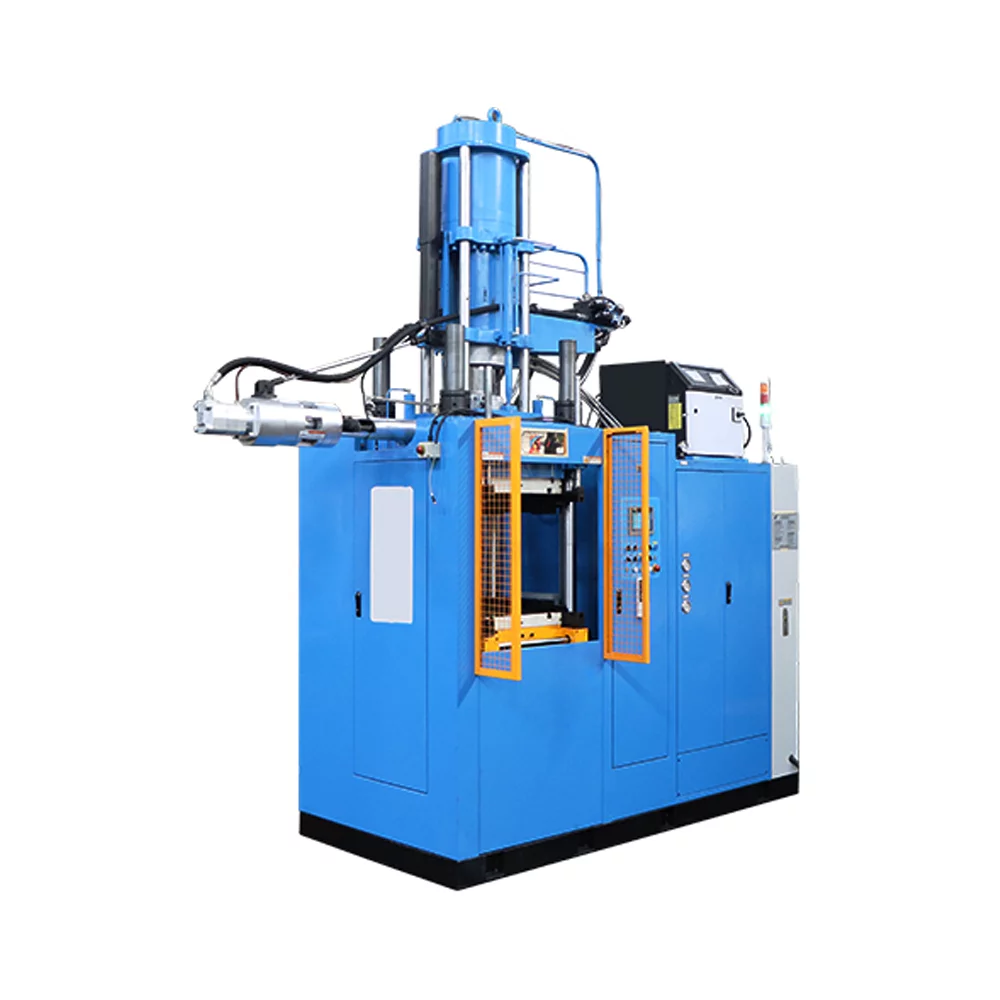
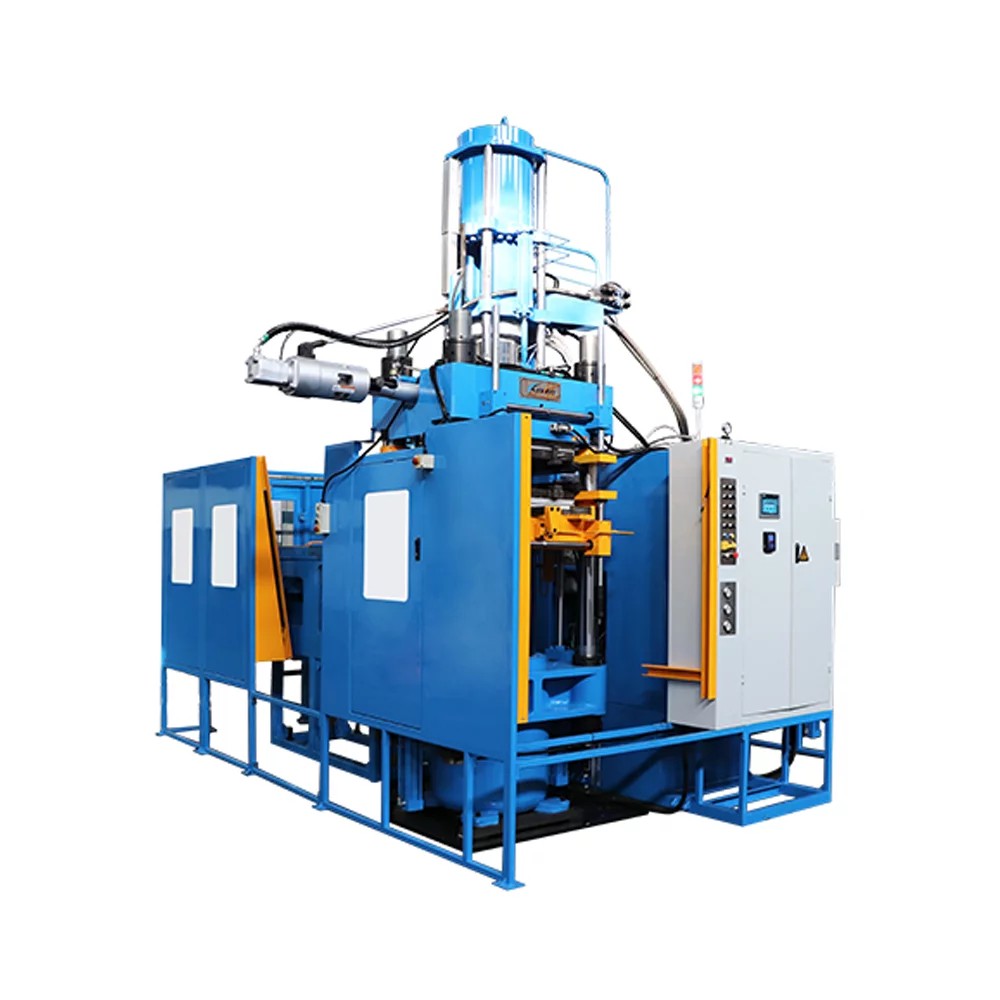
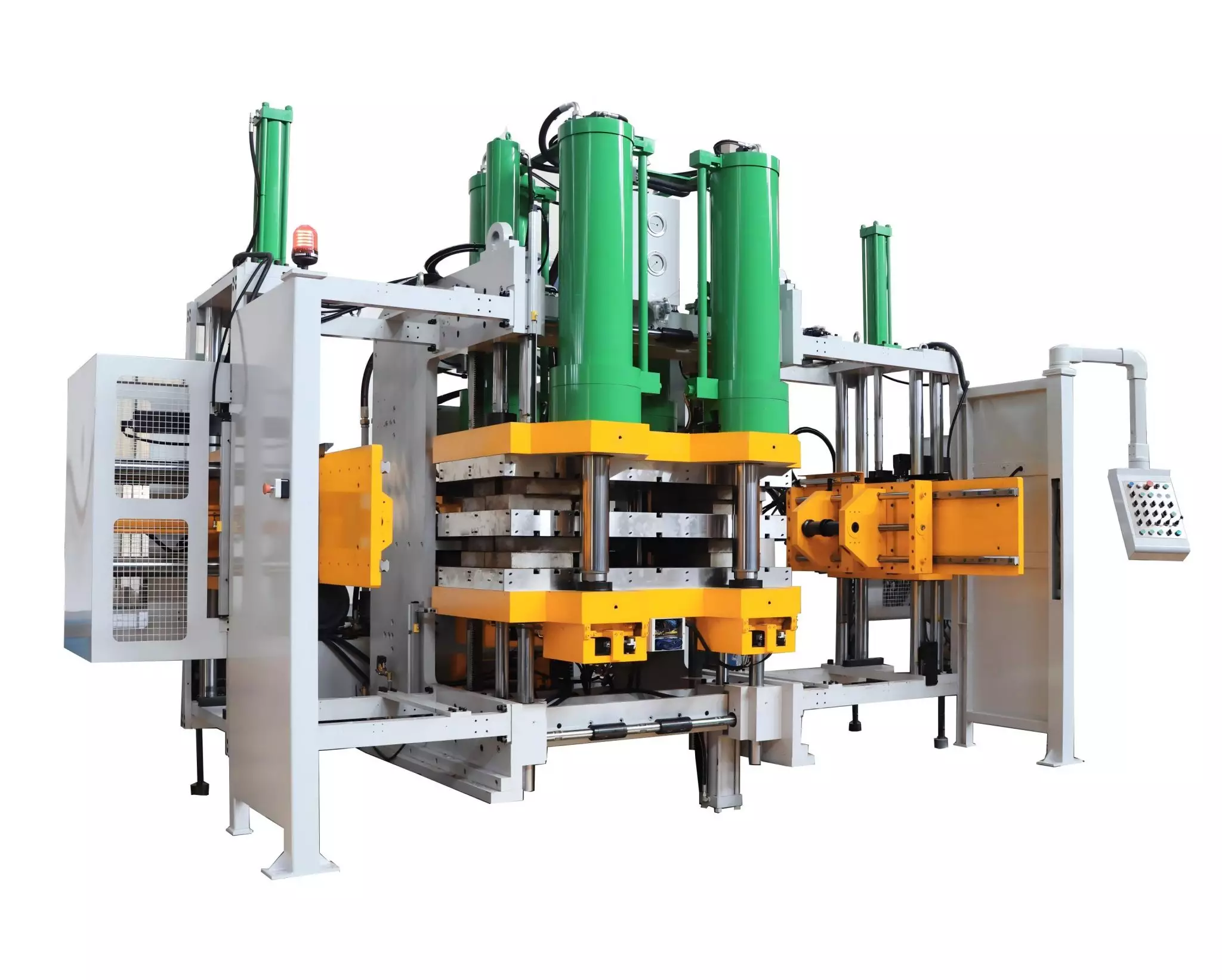
High-voltage power transmission components require precise cross-linking profiles and rapid material distribution to sustain high-volume production output. Operating an automated liquid silicone injection molding machine efficiently involves managing raw material viscosity, thermal energy transfer, and mechanical clamping movements. Our engineering group at HWAYI studies these process variables to assist industrial facilities in reducing cycle durations without compromising structural or electrical performance.
Cycle efficiency depends on the interaction between metering accuracy, platen heat distribution, and mold loading ergonomics. Configuring an advanced LSR molding machine with closed-loop pressure feedback and optimized thermal zones minimizes idle holding times between consecutive production phases.
Component Viscosity and Metering Pump Precision
Liquid silicone rubber compounds exhibit non-Newtonian, shear-thinning fluid characteristics that respond dynamically to injection velocity and temperature. Maintaining precise A/B component mixing ratios prevents vulcanization delays during rapid cavity filling stages.
Deploying a calibrated liquid silicone injection molding machine stabilizes material delivery pressure, eliminating flow hesitation inside complex tooling channels. Dynamic metering precision can help shorten total injection time and reduce the risk of thermal scorch or air entrapment.
Multi-Zone Thermal Management and Heat Transfer Kinetics
Platinum-catalyzed cross-linking accelerates rapidly once liquid silicone reaches its activation threshold within pre-heated mold cavities. Platen temperature drops caused by cold material insertion must recover quickly to maintain predictable cure rates across all cavities.
Equipping a modern LSR molding machine with closed-loop PID temperature controllers prevents cold spots along platen borders. Uniform thermal energy distribution allows operators to specify reduced holding periods, accelerating overall part output.
Unobstructed Tiebar-Less Architecture and Mechanical Accessibility
Manual or automated insert positioning directly impacts non-curing idle time during cycle resets. Heavy structural inserts, such as FRP core tubes for electrical bushings, require open crane or forklift access to prevent mechanical alignment errors during loading.
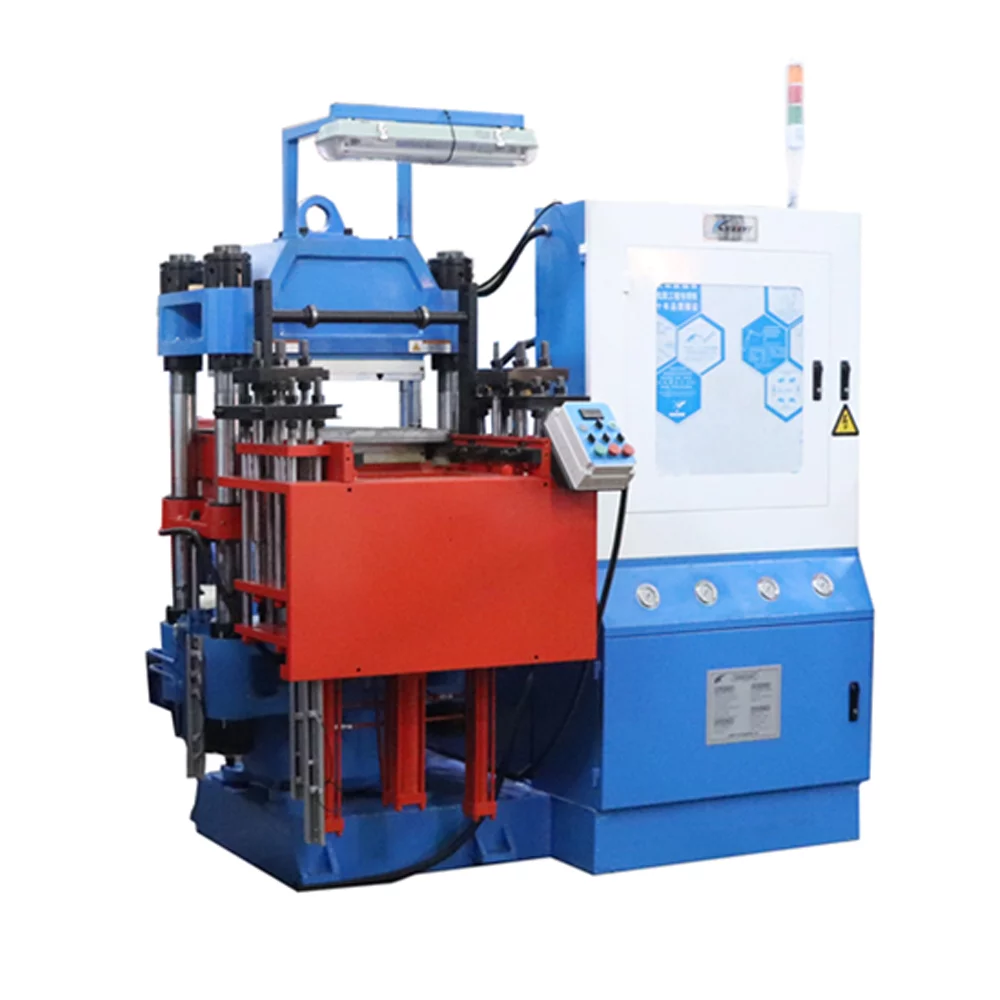
Featuring a tiebar-less structure with upper space, our LSR Insulators Molding Machine simplifies mold loading and installation by crane or forklift. This open layout makes it flexible to load the FRP Tube inside the mold using cranes and lifters, trimming non-productive handling intervals.
Closed-Loop Injection Controls and Dynamic Phase Programming
Complex insulator geometries featuring variable wall thicknesses demand multi-stage injection profiles to fill intricate shed profiles completely. Precise velocity and pressure switching across filling phases prevents flash formation while protecting delicate tooling features.
Adopting close-loop injection control in a liquid silicone injection molding machine enables smooth cooperation with multi sets of molds using different phase pressure and speed settings. Regulating fill speeds across distinct phases optimizes cavity pressure, keeping total injection duration brief.
Turnkey Equipment Synchronization and System Integration
Integrating peripheral metering units, dosing pumps, and clamping systems into a unified control network eliminates communication lags between operational sub-systems. Synchronized dosing prevents material feed delays during high-speed processing cycles.
Configuring a turnkey project that combines an LSR clamping machine, pump machine, and metering machine streamlines material movement across processing stages. Unified automation management prevents unnecessary machine pauses, sustaining fast production rhythms.
Clamping Stability and Base Alignment Mechanics
Maintaining precise parallelism across platen surfaces under high clamping tonnage prevents parting-line flash and internal material shifting. Structural frame deflection forces operators to lower injection speeds, extending total cycle durations needlessly.
The guide rails along the machine base allow the clamping platens to slide smoothly, helping maintain alignment even under high tonnage. Robust design of the clamping unit and machine base delivers high stability and parallelism, keeping mold cavities aligned across continuous manufacturing shifts.
When base alignment is maintained within tight tolerances, mold wear becomes more uniform across cavity surfaces, reducing the need for frequent mold reconditioning and prolonging tool life in high-cavity-count applications. This geometric stability also enables faster injection velocities without risking flash or core shift, directly translating into shorter cycle times and higher output over the course of each production run.
Degassing Dynamics and Vacuum Extraction Velocity
Trapped ambient air must be evacuated rapidly before material cross-linking initiates within closed cavities. High-capacity vacuum systems pull volatile gases from mold channels in minimal time, reducing voids or surface pitting.
Synchronizing vacuum valve timing with initial clamping sequences eliminates idle delays prior to material injection. Efficient atmospheric evacuation preserves part density while maintaining rapid operational rhythms on an LSR molding machine.
Preventative Servicing and Machinery Uptime Optimization
System reliability directly impacts average cycle performance across multi-shift liquid silicone processing operations. Straightforward access to hydraulic manifolds, pump units, and metering seals reduces scheduled downtime during routine inspections.
Our specialized LSR clamping design simplifies maintenance procedures and component replacement. Minimizing maintenance downtime keeps processing lines operating consistently, maximizing productive molding hours each day.
Conclusion
Optimizing cycle efficiency in liquid silicone rubber manufacturing requires balancing material rheology, thermal delivery rates, closed-loop injection controls, and ergonomic machine layout. Through our engineering initiatives at HWAYI, we remain dedicated to developing high-precision processing equipment and technical solutions that empower industrial manufacturers to maintain continuous, high-speed production while adhering to strict quality standards.