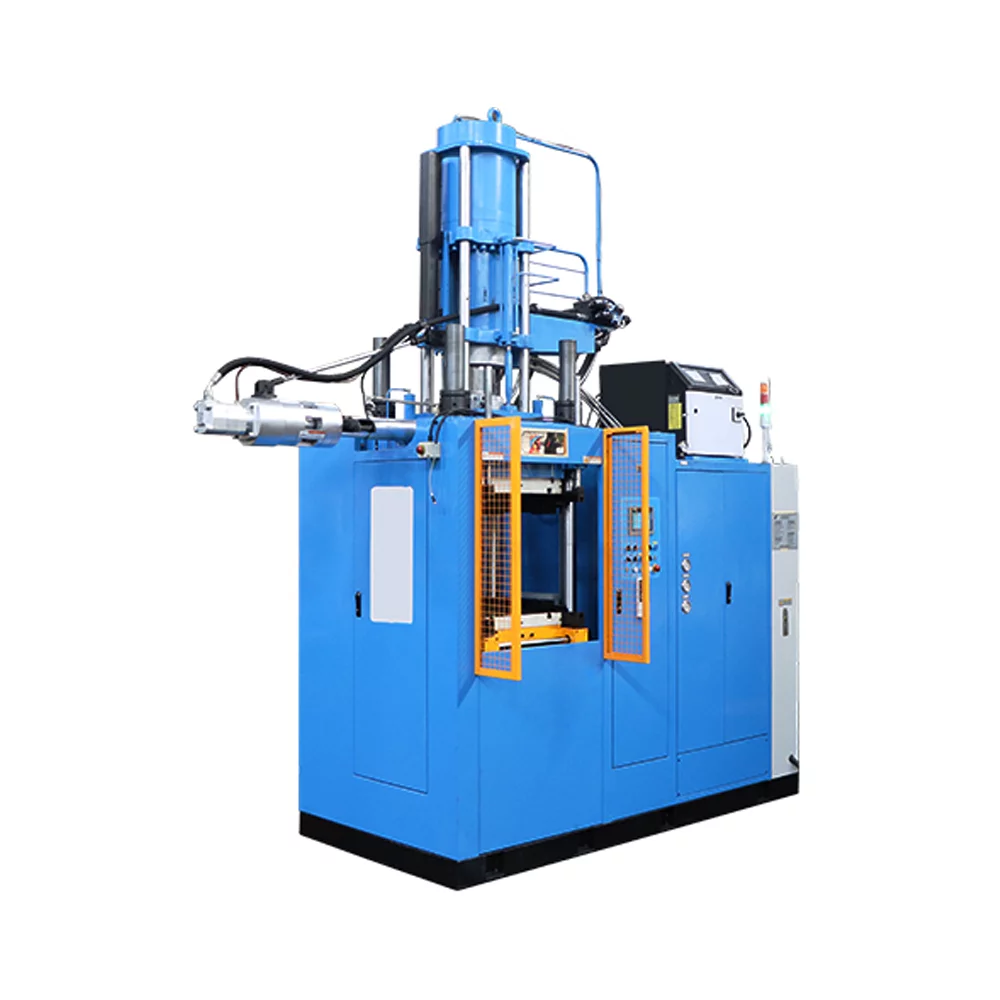
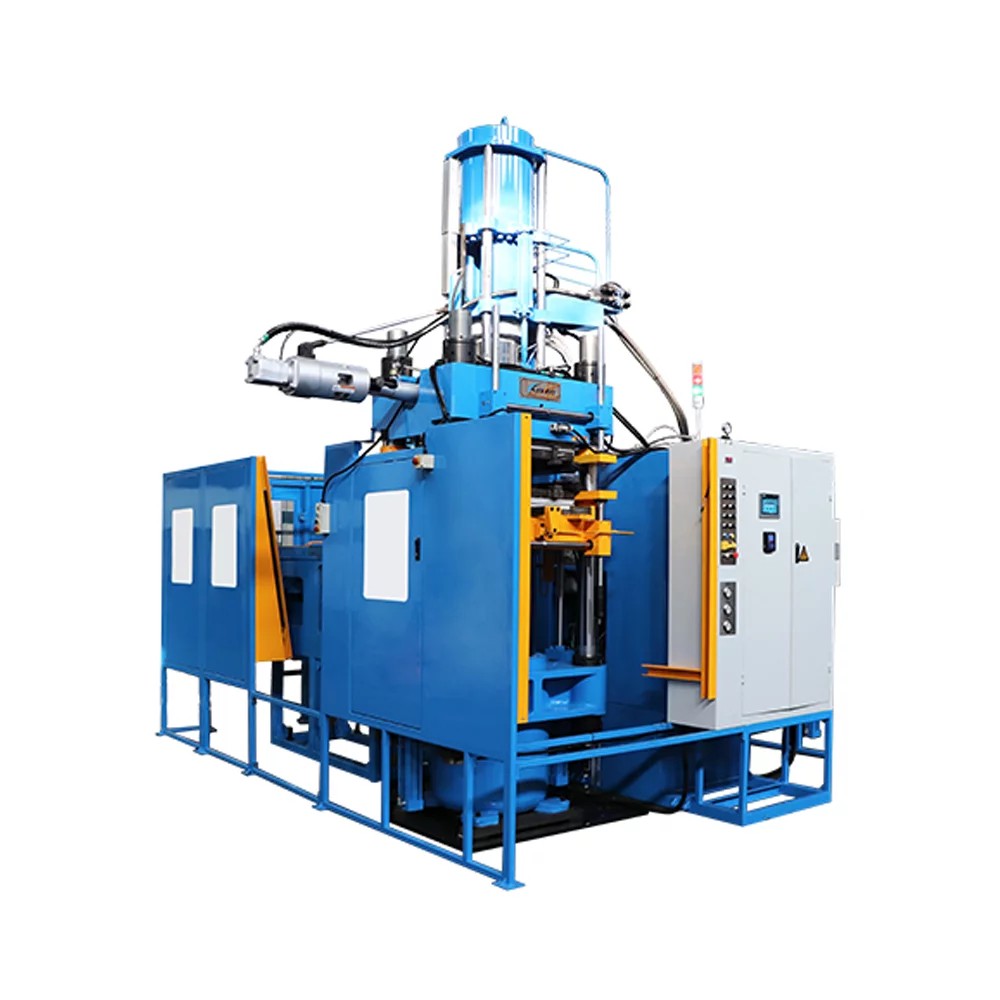
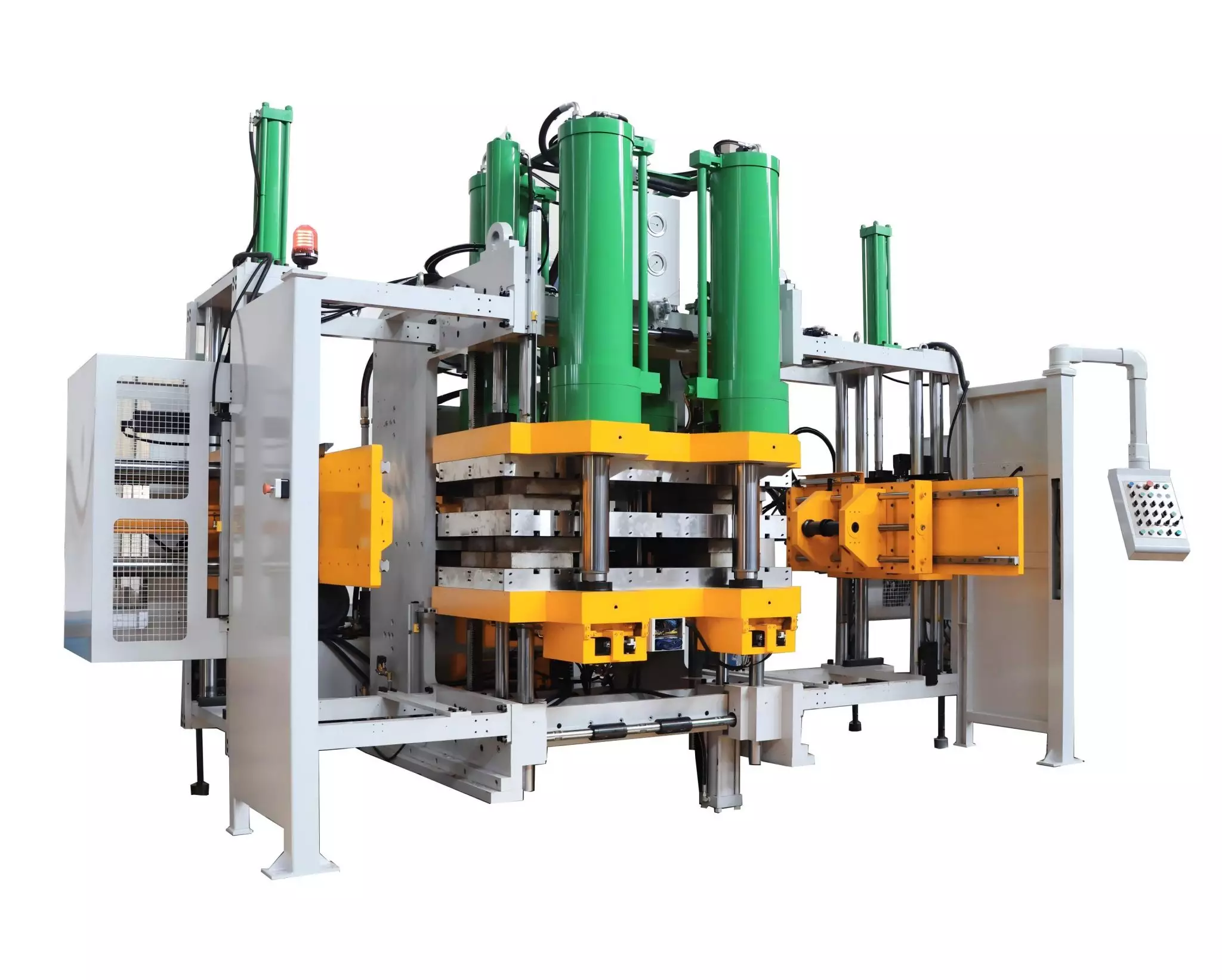
Evaluating whether to establish internal manufacturing capabilities or rely on third-party suppliers represents a pivotal strategic decision for industrial enterprises. Choosing between investing in advanced machinery or contracting out production hinges on total volume requirements, component complexity, and long-term capital allocation plans. Partnering with an experienced rubber injection molding machine manufacturer helps plant managers evaluate equipment depreciation, unit manufacturing costs, and operational flexibility when structuring their production strategy. At HWAYI, we assist industrial teams in evaluating these economic parameters to determine the most cost-effective path for their manufacturing goals.
Subcontracting offers short-term flexibility without major upfront expenditures, yet high unit margins and vendor dependency can erode profitability as volumes scale. Conversely, when we work with a specialized rubber injection molding manufacturer to establish internal infrastructure, we gain direct oversight over quality standards, cycle efficiency, and proprietary mold designs. 
Initial Capital Investment and Machinery Amortization Profiles
Direct equipment procurement demands substantial upfront capital for primary injection machinery, auxiliary temperature control units, and factory floor integration. Depreciation schedules spread these capital costs over operational lifetimes, reducing per-unit overhead as cumulative production output rises.
Outsourcing avoids immediate machinery acquisition costs, replacing them with recurring variable costs embedded within supplier part prices. High-volume manufacturing scenarios typically justify direct equipment acquisition once cumulative piece-rate savings surpass the original machinery amortization curve.
Unit Production Costs and Material Procurement Synergies
In-house processing allows manufacturers to purchase raw elastomeric compounds directly from chemical suppliers at bulk commercial rates. Eliminating third-party profit margins on raw materials directly lowers the overall bill of materials for finished parts.
Subcontractors incorporate administrative overhead, facility operating costs, and profit margins into their per-part quotations. Consequently, internal processing yields significant cost savings per unit during long, continuous manufacturing runs.
Quality Oversight and Defect Remediation Efficiency
Managing internal molding lines grants plant engineers immediate control over processing parameters, clamping pressure dynamics, and cure time settings. Rapid identification of dimensional variances allows technical teams to adjust parameters instantly, minimizing scrap generation.
External manufacturing introduces communication delays when quality defects occur, often resulting in entire non-compliant shipments. Resolving quality disputes with external vendors risks interrupting production schedules and incurring unexpected logistics expenses.
Supply Chain Control and Lead Time Management
Direct operational control over molding equipment allows plant managers to adjust shift schedules and tooling changes based on fluctuating market demand. In-house production protects facilities against external supplier delays, shipping bottlenecks, and vendor prioritizing conflicts—an advantage that becomes especially valuable when working with a rubber injection molding manufacturer whose responsiveness directly impacts your ability to meet just-in-time delivery commitments. By maintaining internal flexibility, production teams can respond immediately to urgent orders or design revisions without waiting for external capacity to become available.
Third-party processing exposes companies to external production backlogs and potential supply chain disruptions. Dependent manufacturing schedules can compromise fulfillment timelines for critical downstream industrial clients.
Intellectual Property Protection and Tooling Ownership
Custom component development frequently involves proprietary rubber formulations and specialized cavity tooling designs. Maintaining internal manufacturing operations keeps sensitive processing knowledge within the organization, safeguarding trade secrets from competitive exposure.
Outsourcing component production requires sharing detailed CAD models, material specifications, and tooling designs with external vendors. Protecting proprietary technical assets requires comprehensive legal agreements, which may still carry residual operational risks.
Long‑Term Equipment Reliability and Technology Lifecycle
Internal processing capacity is only as sustainable as the equipment that supports it. Machinery built with durable hydraulic systems, thermal-stable platens, and modular control architectures typically remains productive for 15 to 20 years under continuous operation—significantly longer than general-purpose alternatives. This extended service life directly reduces the frequency of capital replacement cycles and lowers the total cost of ownership per molded part.
Beyond initial durability, equipment upgradability influences long‑term viability. Systems designed with open communication protocols and scalable automation interfaces allow facilities to incorporate newer sensors, software updates, or auxiliary components without replacing the entire press. Production lines therefore remain competitive as process requirements evolve, without the disruption of repeated full‑scale equipment overhauls.
For manufacturers committed to internal production, selecting machinery from a supplier with a proven track record of long‑term support adds another layer of security. Access to original spare parts, documentation, and technical assistance over decades ensures that maintenance remains practical and cost‑effective well beyond the initial warranty period. The equipment itself becomes a stable platform for continuous improvement, rather than a source of recurring obsolescence concerns. This long‑term view transforms capital investment into a durable foundation for operational stability, rather than a short‑term capacity fix.
Operational Flexibility and Production Line Scalability
Owning processing machinery empowers engineering teams to experiment with novel elastomeric compounds and optimize tooling layouts without incurring vendor change-order fees. Facilities can easily scale output by adding secondary automation or adjusting shift patterns.
Subcontracted manufacturing offers rapid initial setup for low-volume prototypes, but scaling up often requires renegotiating commercial terms. Custom design modifications can trigger costly tooling retrofits and extended contract negotiations.
Labor Expertise and Maintenance Resource Allocation
Operating internal machinery requires employing skilled technicians to perform routine hydraulic servicing, thermal calibration, and mold maintenance. Labor costs and ongoing technical training represent continuous operational expenses that must be factored into unit cost calculations.
Subcontracting transfers daily maintenance responsibilities and labor overhead to the third-party processing partner. However, internal technical expertise remains a valuable corporate asset that enhances long-term engineering capabilities. A well-trained in-house team not only reduces reliance on external service providers for routine repairs but also builds institutional knowledge that accelerates troubleshooting and process optimization—turning maintenance staff into strategic contributors who actively improve productivity rather than merely reacting to breakdowns.
Conclusion
Deciding between internal production and subcontracted processing relies on balancing capital availability, annual production volume, and intellectual property priorities. Through our engineering initiatives at HWAYI, we remain dedicated to providing high-performance equipment solutions and technical insights, enabling global manufacturers to build efficient, scalable, and cost-effective internal processing operations.