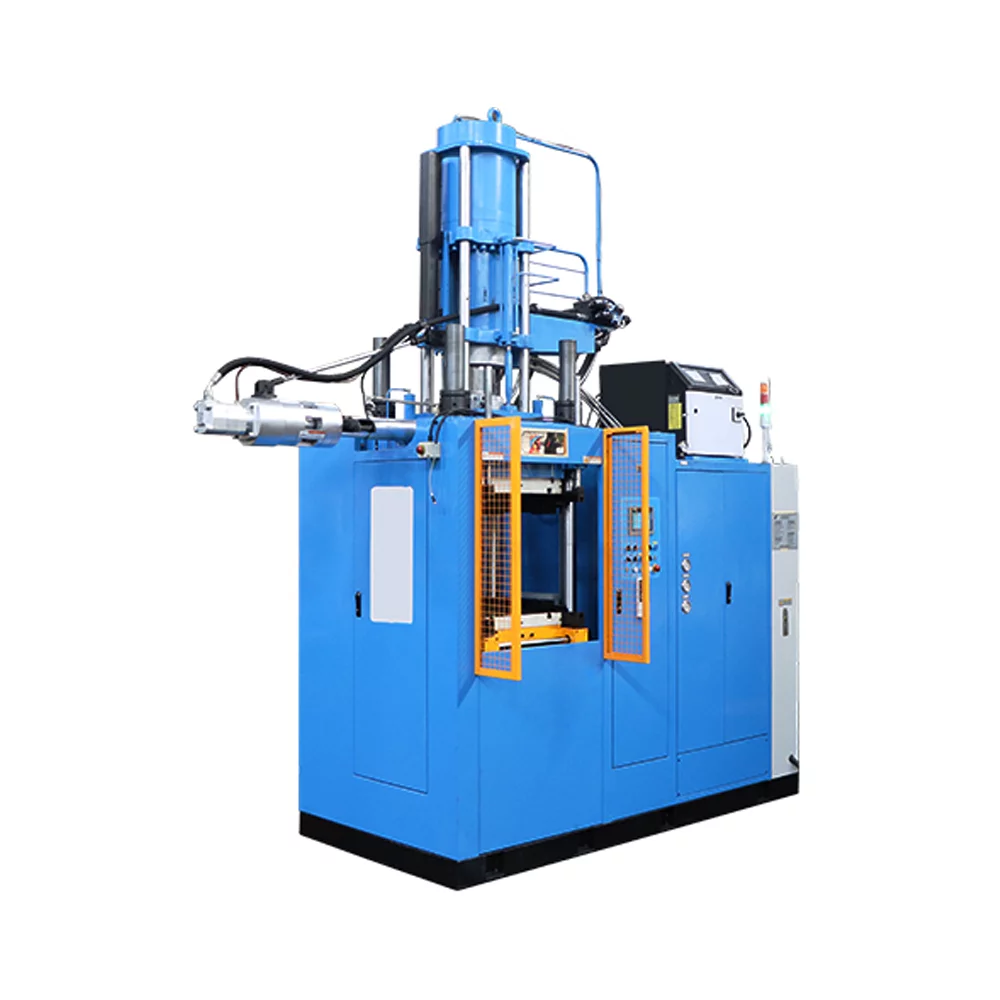
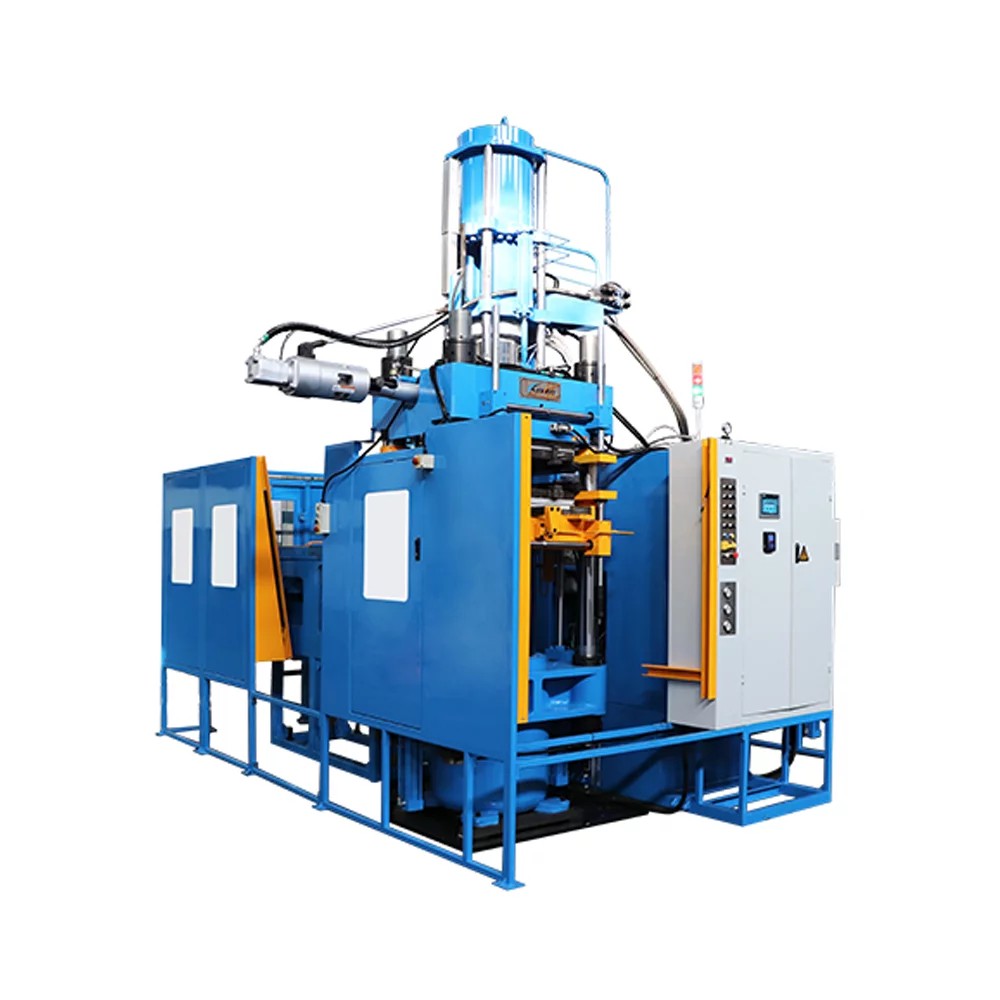
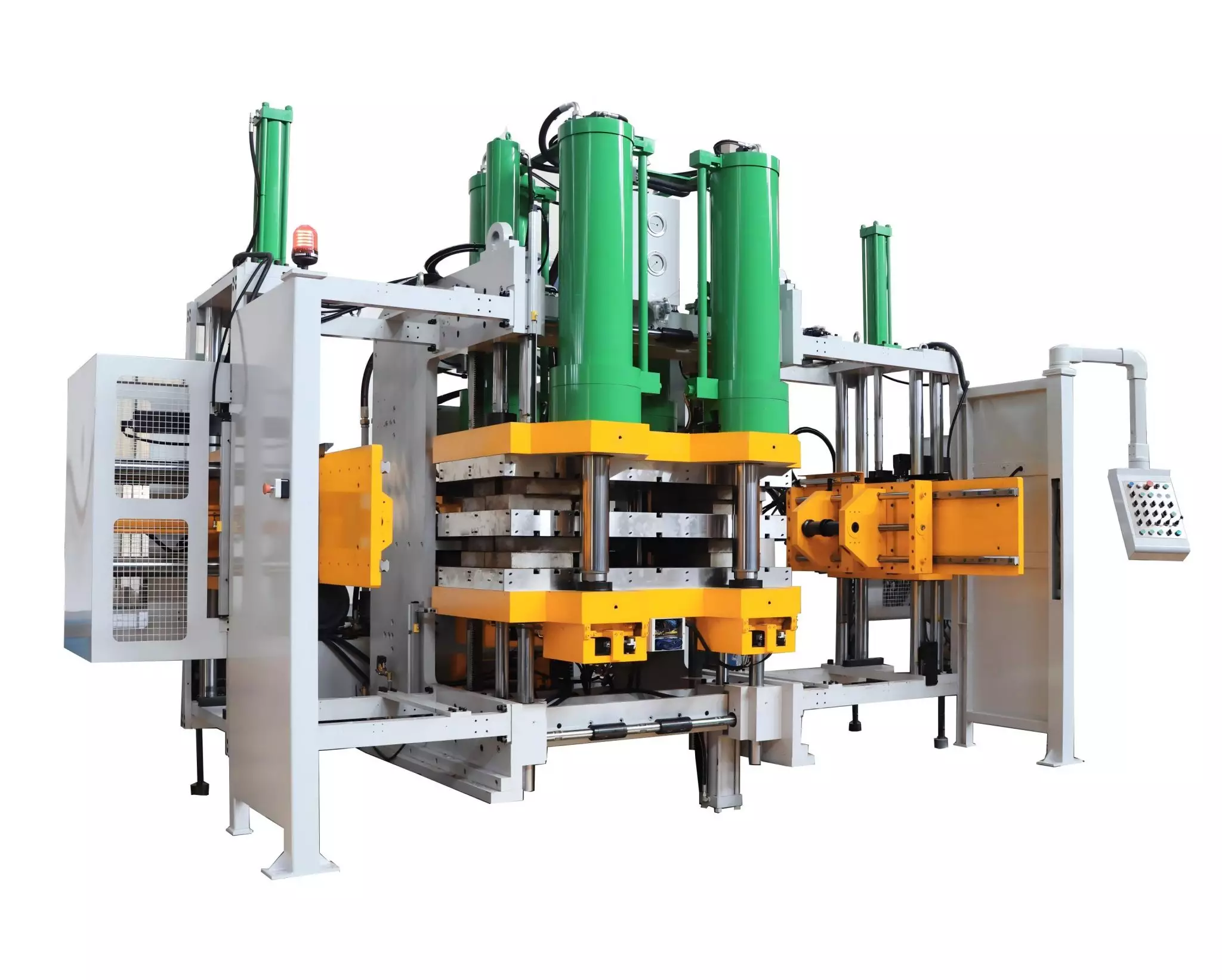
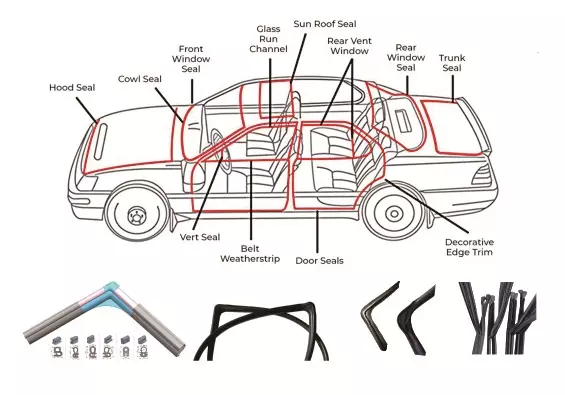
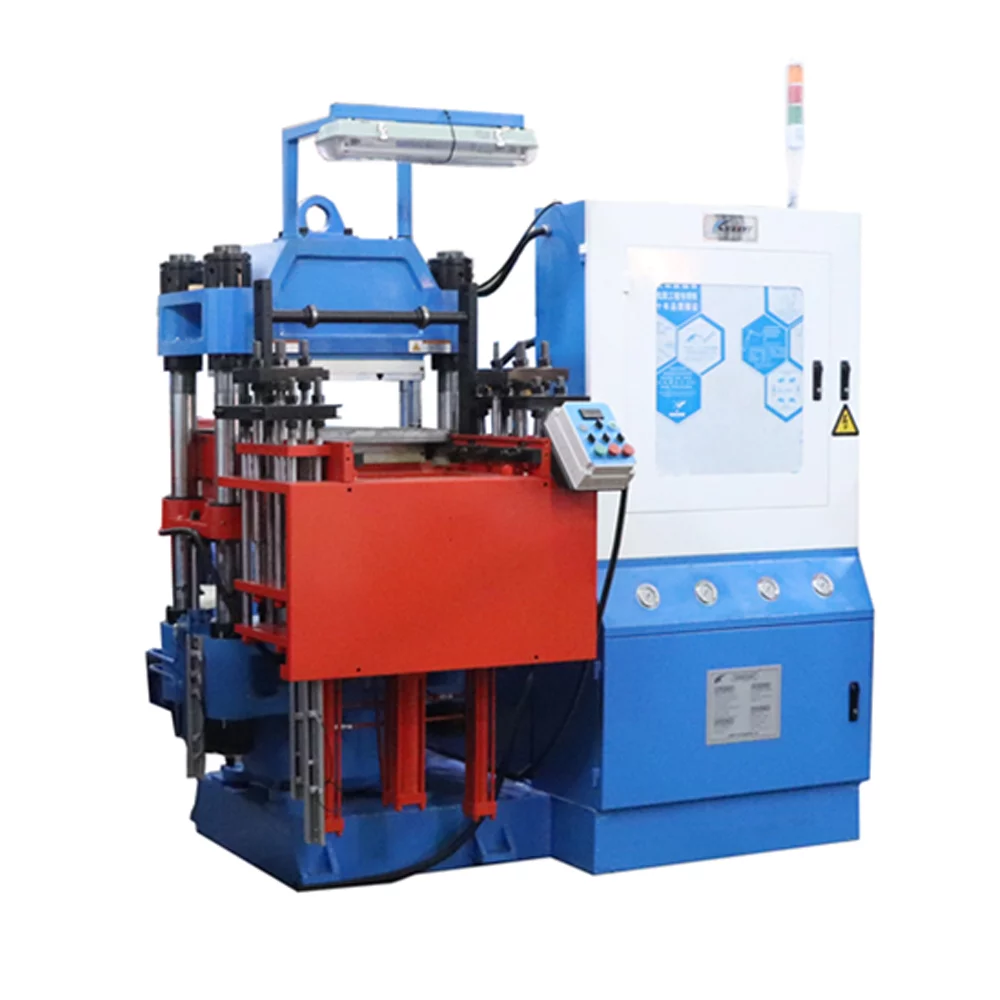
Industrial rubber manufacturing demands rigorous control over material behavior, thermal dynamics, and mechanical force. Selecting a horizontal rubber injection molding machine requires a clear understanding of core technical specifications that dictate production efficiency and component quality. At HWAYI, we analyze these engineering metrics to help processing facilities optimize their technical workflows and equipment selection.
Horizontal architectures present distinct operational advantages for continuous rubber molding, particularly regarding automated part falling and cycle consistency. Evaluating clamping stability, injection volume precision, and thermal distribution provides plant engineers with the metrics needed to assess system compatibility for specific elastomeric formulations.
Understanding Clamping Force Dynamics in Automated Processing
Clamping force represents the primary mechanical safeguard against parting-line flash during high-pressure elastomer injection. Molders must match hydraulic tonnage to the projected surface area of the cavity layout and the peak internal pressure generated during the curing phase.
Excessive clamping force can deform delicate mold inserts, while insufficient tonnage yields dimensional variances across finished parts. Calculating the required clamping margin involves analyzing compound viscosity variations, mold rigidity, and temperature-induced expansion during prolonged production runs.
Evaluating Injection Unit Capacity and Precision Controls
Injection volume specifications determine both shot weight repeatability and residence time within the heating barrel. Metering precision relies on specialized screw designs or FIFO plunger arrangements that minimize compound shear stress while maintaining uniform temperature distribution across the charge.
Opting for a horizontal rubber injection machine allows operators to maintain steady shot sizing across continuous production cycles. Shot-to-shot consistency deduces density variations and volumetric shrinkage defects in high-grade rubber parts.
Analyzing Heating Platen Thermal Uniformity Across Molding Chambers
Thermal distribution across heating platens directly influences vulcanization speed and cross-linking density throughout the cured part. Multi-zone electric or oil heating channels must maintain narrow temperature tolerances across the entire surface area of the platen.
Uneven heat dissipation creates thermal gradients, resulting in localized under-curing or thermal degradation of sensitive elastomeric compounds. Advanced thermal mapping assists engineers in identifying potential cool spots before starting high-volume production.
Integrating Advanced Dosing Systems for High Voltage Components
Specialized manufacturing setups demand precise mixing ratios when handling liquid silicone rubber compounds. Equipment designed for high-voltage insulation relies on integrated dosing units coupled directly to clamping structures to maintain material purity and chemical ratio accuracy.
For electrical power transmission components, our specialized Liquid Silicone Rubber (LSR) Insulators Molding Machine incorporates an LSR clamping unit alongside a precise LSR pump machine with dosing unit. This specialized hardware supports manufacturing requirements for up to 1000 kV high hollow core insulators, arrestors, high voltage cable joint bodies, stress cones, and cable terminals.
Optimizing Injection Pressure and Material Plasticizing Efficiency in a Horizontal Rubber Injection Molding Machine
Injection pressure capabilities dictate how effectively viscous elastomers fill complex mold cavities before scorch occurs. High-pressure capability allows processing engineers to use narrower runner channels, which reduces raw material waste and speeds up cycle times.
Operating a high-performance horizontal rubber injection molding machine requires balancing high-speed filling profiles with carefully controlled plasticizing rates. Proper screw geometry prevents premature vulcanization inside the barrel during plasticization.
Assessing Automation Compatibility and Part Ejection Mechanisms
Horizontal configurations can facilitate gravity-assisted part drop, making them highly suitable for fully automated manufacturing lines. Hydraulic ejector pins, brush systems, and robotic pickup arms integrate seamlessly into horizontal frame layouts. This inherent compatibility with automated downstream equipment reduces the need for complex part-transfer mechanisms that often become failure points in vertical or angled press configurations.
Automated part removal reduces manual intervention, protecting delicate sealing surfaces from damage during stripping. Fast cycle reset times significantly boost overall equipment effectiveness in high-volume rubber component production. By minimizing operator handling and standardizing ejection sequences, automation also ensures consistent part quality across shifts—reducing the variability that manual removal methods can introduce to high-tolerance components.
Energy Efficiency Metrics in Hydraulic and Servo Driven Systems
Modern rubber processing equipment relies heavily on variable-speed servo-hydraulic pumps to reduce power consumption during idle and curing phases. Traditional fixed-displacement pumps continuously consume energy, generating excess hydraulic heat that requires additional cooling infrastructure.
Servo-driven hydraulic architectures deliver fluid power strictly on demand, reducing thermal stress on hydraulic fluid and lowering utility costs. Analyzing energy consumption per kilogram of processed compound gives engineering teams clear financial metrics for system selection.
Maintenance Accessibility and Structural Rigidness in Industrial Equipment
Heavy-duty structural frames prevent platens from tilting under extreme clamping loads, protecting expensive tooling from uneven wear. Robust tie-bar designs and guided platen supports preserve alignment precision over millions of operational cycles.
Accessibility to hydraulic manifolds, heating elements, and dosing ports simplifies routine maintenance routines. Facilities using an advanced LSR Insulators Molding Machine benefit from modular layout designs that streamline preventative maintenance procedures and minimize unplanned downtime.
Conclusion
Selecting rubber processing machinery requires careful evaluation of clamping tonnage, thermal management, injection accuracy, and structural rigidity. At HWAYI, we focus on technical accuracy and robust mechanical design to help rubber manufacturers meet rigorous industrial specifications across demanding applications.