Maintaining high dimensional stability and part density across heavy elastomer manufacturing requires rigorous control over mechanical tolerances, vacuum dynamics, and hydraulic output. Operating an industrial rubber vulcanizing machine involves balancing complex thermal and fluid interactions to prevent micro-defects or flash along cavity parting lines. Our technical specialists at HWAYI prioritize precise factory testing and digital diagnostics to support processing facilities in maintaining consistent production quality.
Achieving minimal scrap rates requires close coordination between machine builders and plant maintenance units. Partnering with a dedicated rubber vulcanizing machine supplier enables molder teams to verify that hydraulic manifolds, heating platens, and automated control frameworks operate within strict engineering tolerances prior to continuous factory deployment.
Structural Rigidity and Mechanical Alignment Benchmarks
Precision molding begins with heavy-duty structural frames capable of enduring continuous tonnage without frame deflection. Misalignment between upper and lower platens causes uneven clamping force across mold cavities, resulting in localized flash and dimensional variance.
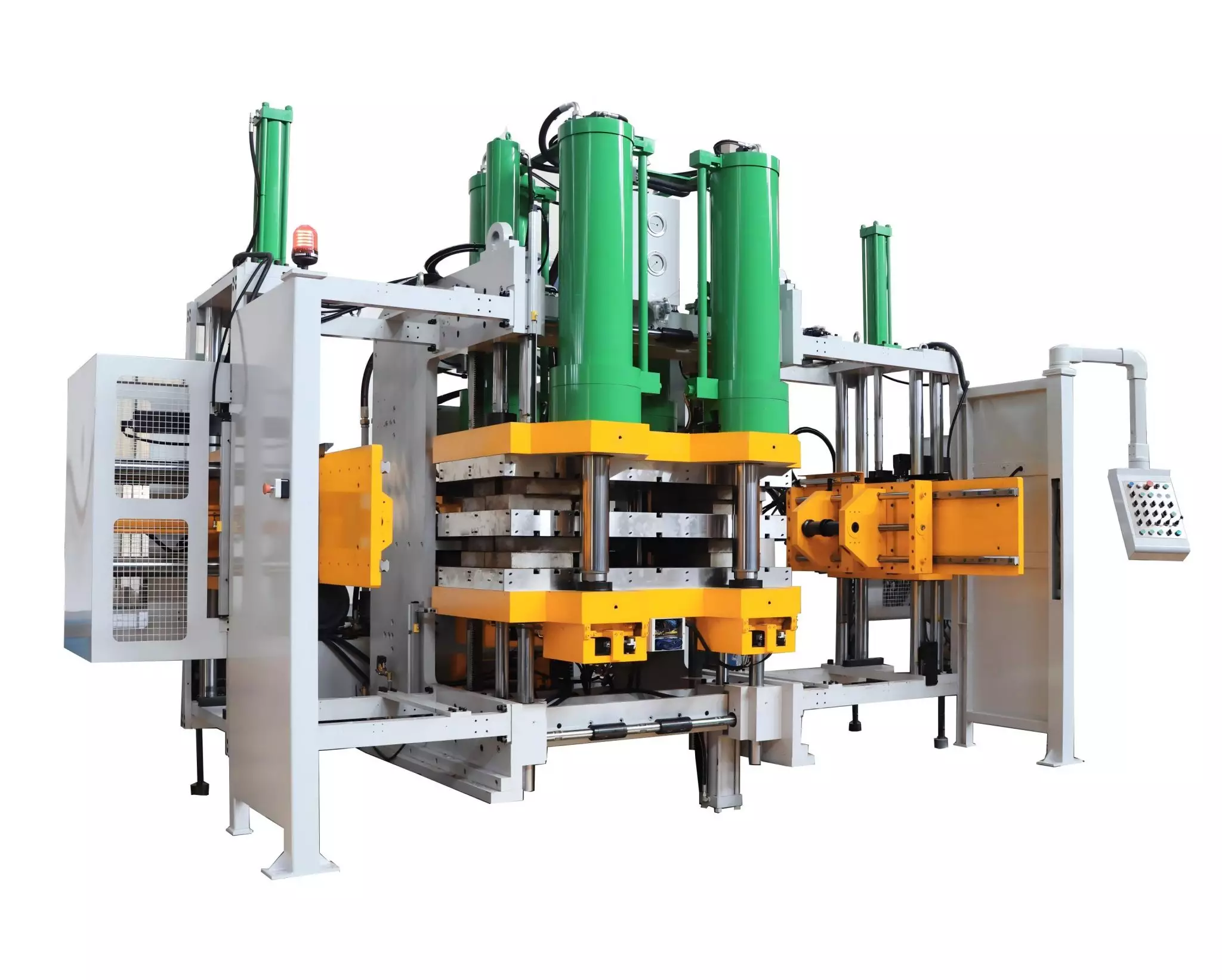
Guided tie-bars and reinforced platen structures maintain parallel alignment throughout high-pressure cycles. Verifying mechanical rigidity during initial equipment design protects expensive tooling and sustains strict dimensional tolerances across long manufacturing runs.
Dynamic Hydraulic Force Modulation and Valve Responsiveness
Sustaining steady clamping pressure during active vulcanization prevents material shifting as elastomer viscosity decreases under heat. Variable-displacement pumps and proportional hydraulic valves adjust fluid flow dynamically to match required holding forces.
Smooth hydraulic transitions eliminate pressure spikes that could degrade manifold seals or cause unexpected platen movement. Precision hydraulic modulation supports uniform compound density across multi-cavity layouts.
Atmospheric Evacuation and Vacuum Chamber Dynamics
Trapped ambient air and volatile gases generate internal voids, surface blisters, and incomplete fill defects within thick elastomeric components. Enclosing mold cavities in a sealed vacuum chamber prior to full compression allows rapid air evacuation from complex cavity geometries.
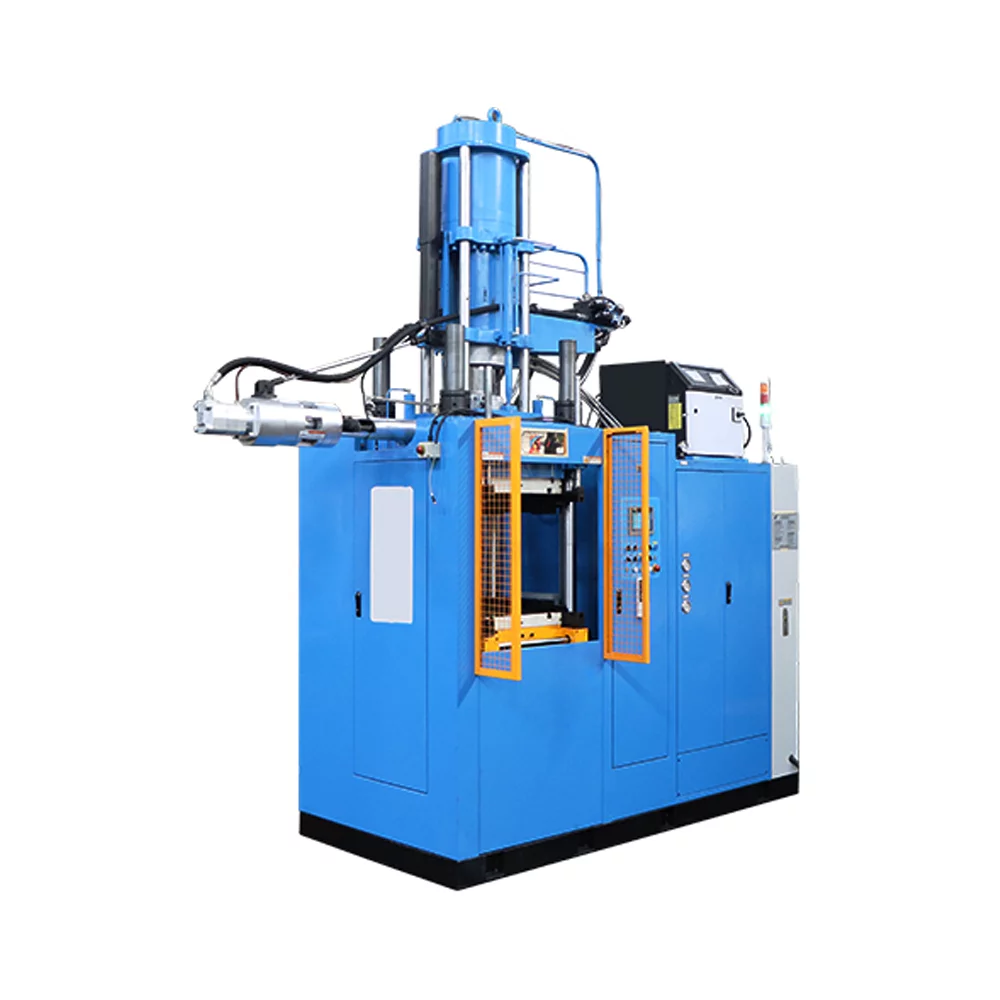
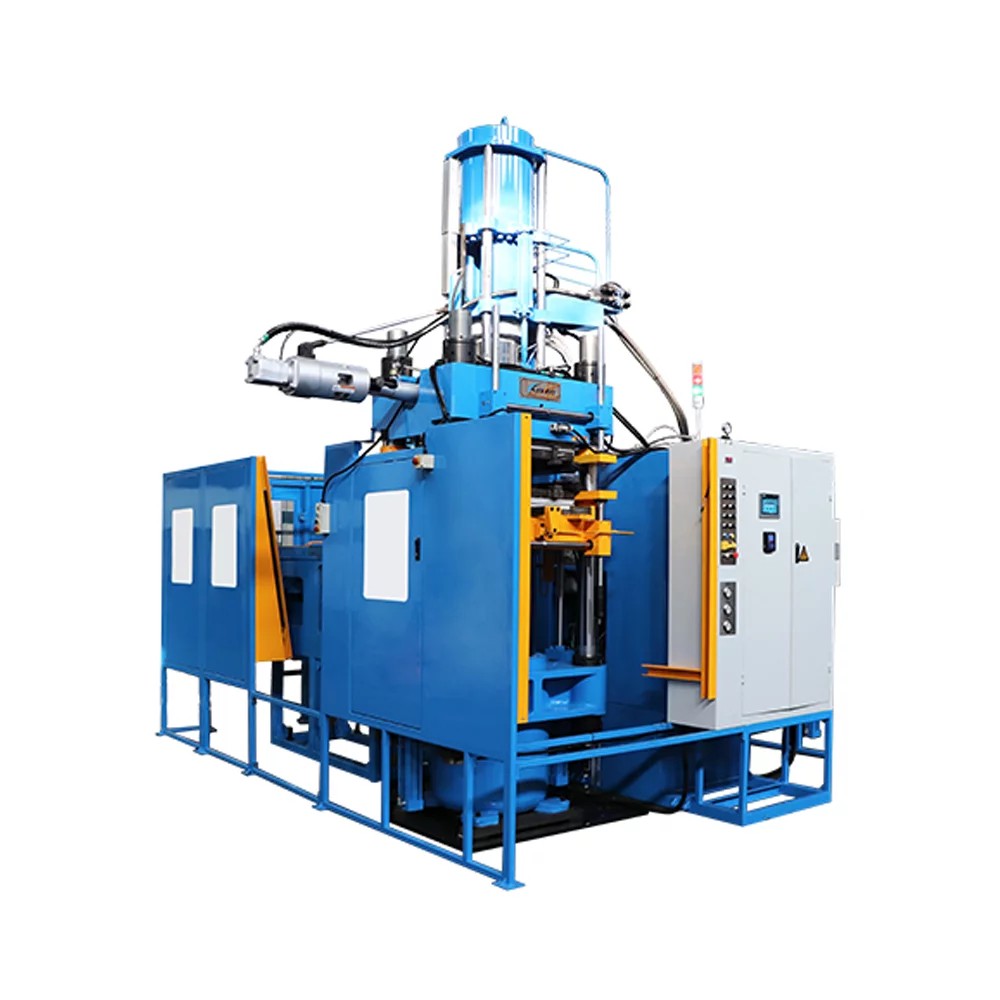
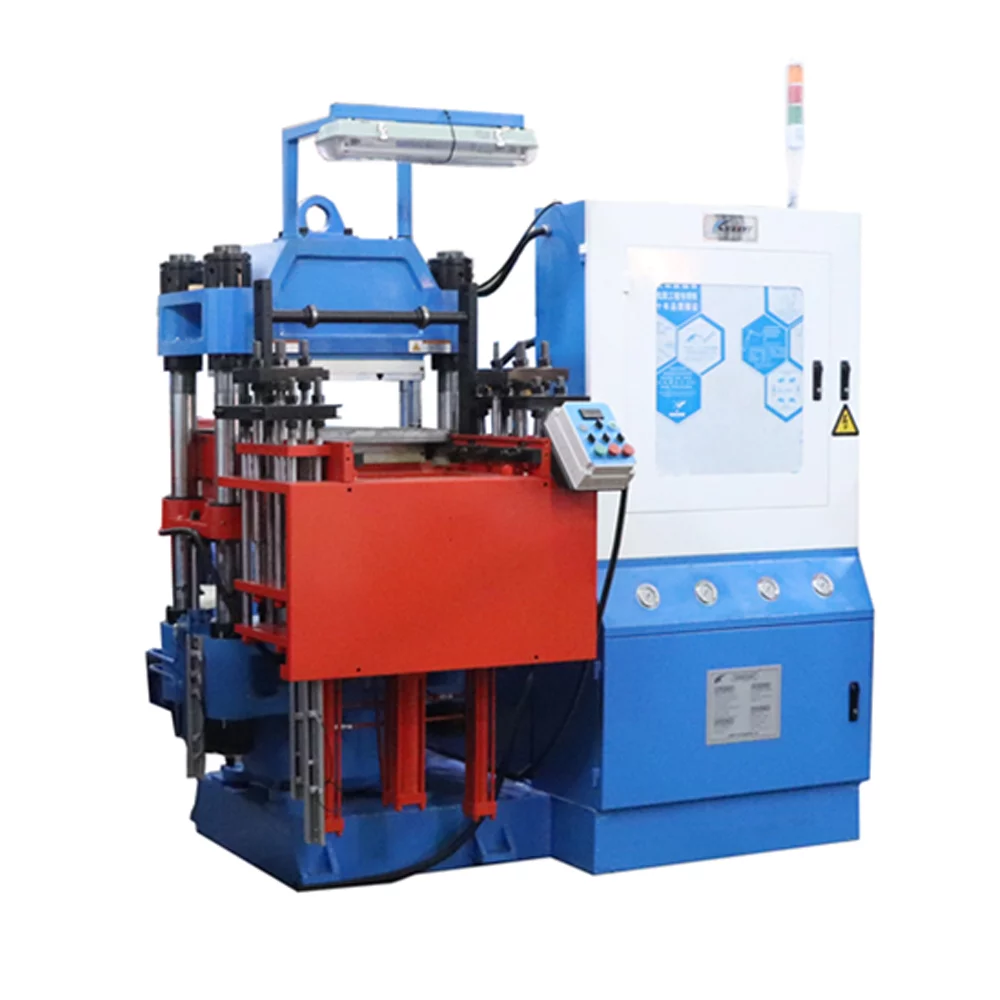
Deploying specialized processing units, such as our Vacuum rubber Vulcanizing Press Machine, creates a low-pressure environment that accelerates degassing without disturbing compound placement. Efficient vacuum extraction improves surface finish and structural integrity in dense rubber parts.
Factory Acceptance Protocols and Extended Automated Testing
Rigorous pre-delivery inspection protocols confirm that mechanical systems, hydraulic circuits, and control software meet target performance metrics before factory dispatch. Conducting extended automated trial runs helps field engineers identify minor operational variations under simulated production conditions.
Prior to shipment, every machine undergoes full quality inspection and 500 automatic cycles to confirm functional integrity and process stability before delivery. Exhaustive factory testing streamlines site commissioning, allowing production facilities to reach operational readiness swiftly.
Digital Technical Communication and Global Engineering Collaboration
Operating a rubber vulcanizing machine requires clear, direct technical dialogue between plant operators and equipment manufacturers during setup and operational troubleshooting. Establishing clear communication pathways speeds up problem resolution when technical questions arise regarding machine settings, curing parameters, or maintenance protocols—ensuring that issues are addressed before they escalate into production delays or quality deviations.
Our after-sales engineers communicate fluently in English for smooth technical discussions, facilitating direct collaboration across international manufacturing sites. Clear communication bridges technical gaps, ensuring maintenance procedures align precisely with factory design specifications.
Real-Time Remote Technical Assistance and Electrical System Diagnostics
Modern equipment platforms incorporate network modules that allow technical engineers to evaluate machine parameters remotely. Remote diagnostic capabilities enable engineering teams to assess control software, examine sensor outputs, and analyze system alarms without physical travel delays.
Equipped with a remote support module, our engineers can access PLC (Programmable Logic Controller) pages and analyze electrical or hydraulic issues online to resolve operational deviations quickly. Virtual troubleshooting lowers maintenance downtime, keeping automated production lines running efficiently.
This connectivity also enables proactive intervention—engineers can detect subtle performance shifts, such as gradual pressure decay or temperature drift, before they trigger alarms, allowing maintenance teams to schedule corrective actions during planned downtime rather than reacting to unexpected stoppages. By reducing both response time and on-site service visits, remote support not only accelerates issue resolution but also extends engineering expertise across multiple facilities simultaneously, reducing the need for duplicate on-site resources and minimizing production interruptions.
Thermal Uniformity and PID Platen Temperature Management
Maintaining uniform thermal distribution across large platen surfaces remains essential for uniform polymer cross-linking. Multi-zone electric heating elements governed by closed-loop PID (Proportional-Integral-Derivative) controllers reduce localized cool zones along platen edges.
Real-time thermocouple feedback enables quick power adjustments to match heat absorption during mold loading. Uniform thermal exposure prevents regional under-curing and yields consistent durometer hardness across every cured component.
Data Logging and Automated Process Traceability
Modern manufacturing standards demand digital verification of operational metrics for quality auditing and batch tracking. Computerized control units record real-time data on heating platen temperatures, hydraulic pressure curves, vacuum levels, and cycle durations.
Stored operational logs simplify root-cause analysis when material or dimensional variations occur in finished parts. Complete digital records support ongoing process optimization, allowing production managers to refine operating parameters based on historical telemetry.
Conclusion
Sustaining continuous production accuracy in rubber vulcanization requires robust mechanical engineering, precise vacuum control, thorough pre-delivery testing, and responsive technical support. Through our dedicated engineering initiatives at HWAYI, we strive to supply reliable equipment solutions and comprehensive service capabilities that empower global manufacturers to achieve consistent, high-precision elastomeric production.