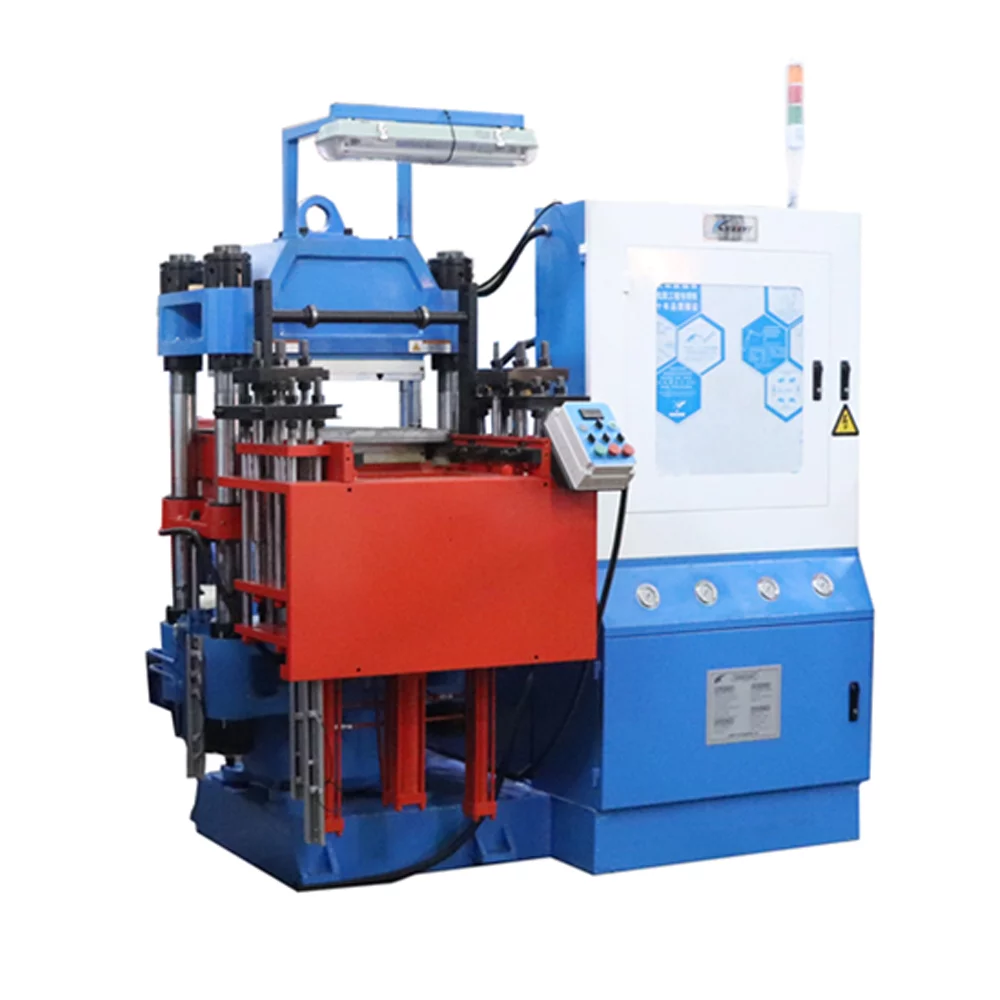
In industrial rubber processing, selecting the correct equipment is closely related to material characteristics, especially belt thickness. At HWAYI, we often receive questions about how different thickness levels affect production performance when using a rubber belt vulcanizing machine. In practical applications, belt thickness directly influences heat transfer, pressure distribution, and final bonding quality. This is why understanding the suitable range for a belt vulcanizing machine is essential before configuring any production line.
Thickness Range Considerations in Production Use
From our engineering experience, a rubber belt vulcanizing machine is generally designed to handle a wide but controlled thickness range depending on application type. Thinner belts tend to require more precise temperature control, while thicker belts demand stronger pressure stability and longer curing cycles. In our system design, we focus on balancing these parameters to ensure consistent bonding performance.
When working with a belt vulcanizing machine, we consider not only belt thickness but also reinforcement layers and rubber compound structure. These factors influence how heat penetrates the material during vulcanization, which ultimately affects durability and surface integrity. At HWAYI, our equipment design supports adjustable pressure and heating configurations to adapt to different industrial requirements without changing core machine architecture.
Practical Industrial Application and Equipment Adaptability
In real production environments, belt thickness requirements vary significantly across industries such as mining, logistics, and heavy machinery. A rubber belt vulcanizing machine must therefore be flexible enough to accommodate different material specifications without compromising consistency. We design our systems to maintain stable heating zones and uniform pressure distribution, which helps reduce processing deviations.
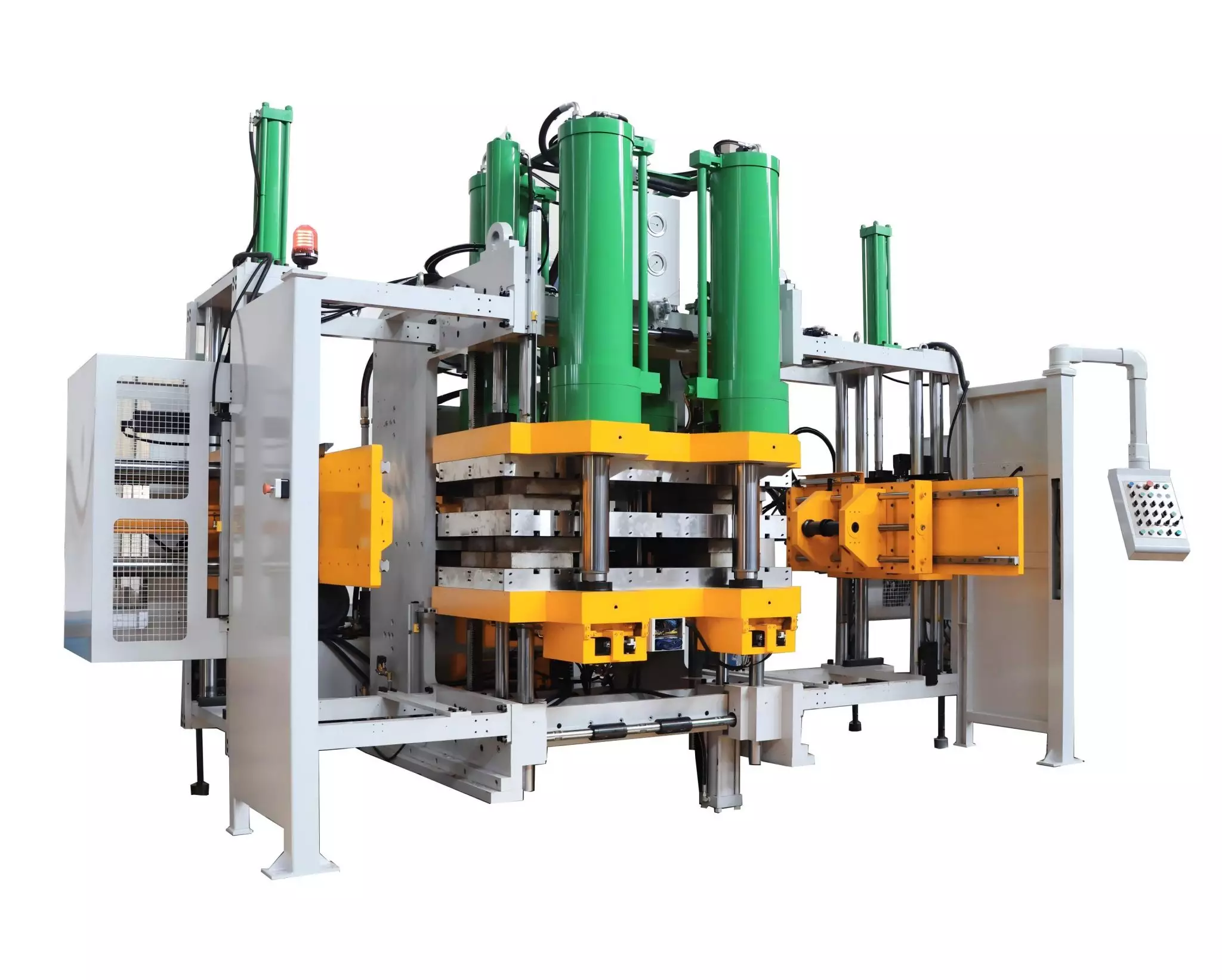
Similarly, a belt vulcanizing machine is often integrated into production lines where continuous or segmented belt structures are processed. In such cases, adaptability becomes more important than fixed operating parameters. Our engineering approach ensures that the equipment can be adjusted according to belt layering and thickness variation, supporting stable production outcomes across different use cases.
Conclusion
In summary, determining the appropriate belt thickness range for a rubber belt vulcanizing machine depends on balancing heat transfer, pressure control, and material structure. A belt vulcanizing machine must be capable of handling both thinner and thicker belts with stable process control rather than relying on a single fixed standard. At HWAYI, we focus on providing adaptable vulcanizing solutions that align with varied industrial belt requirements while maintaining consistent processing conditions across applications.