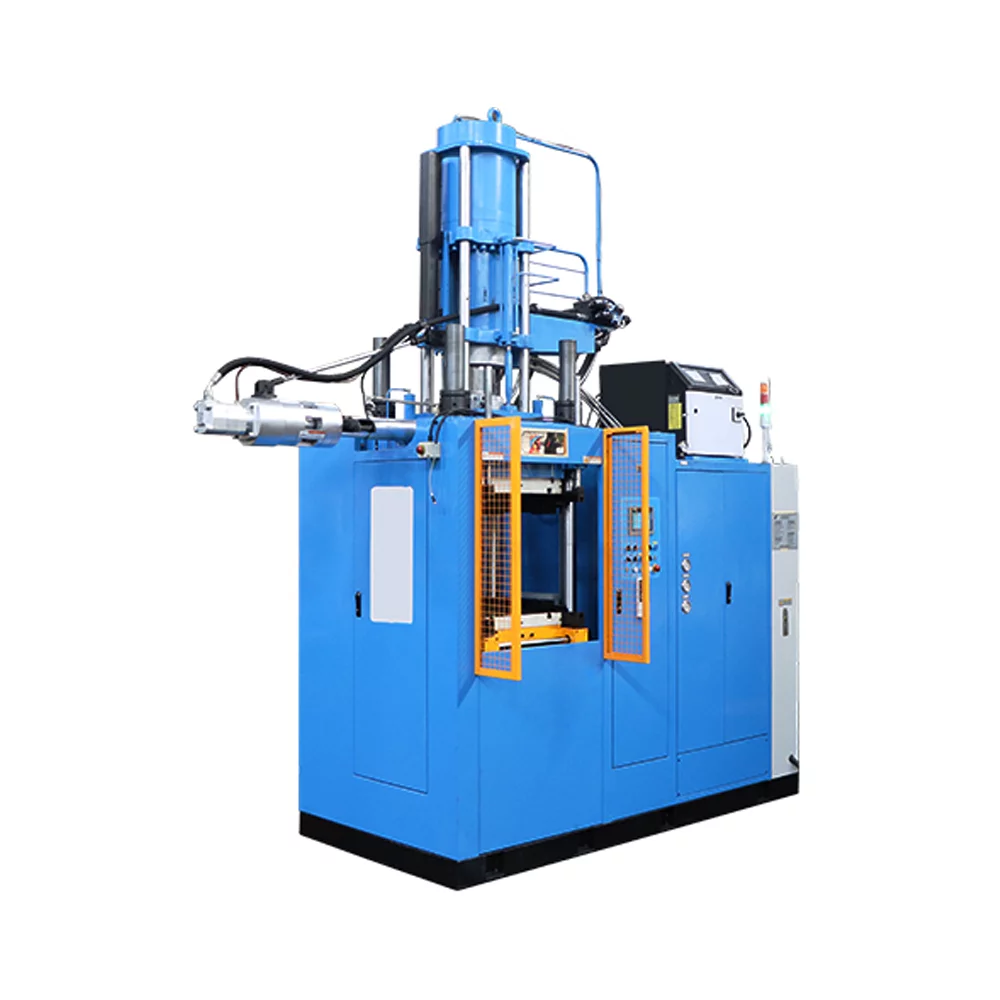
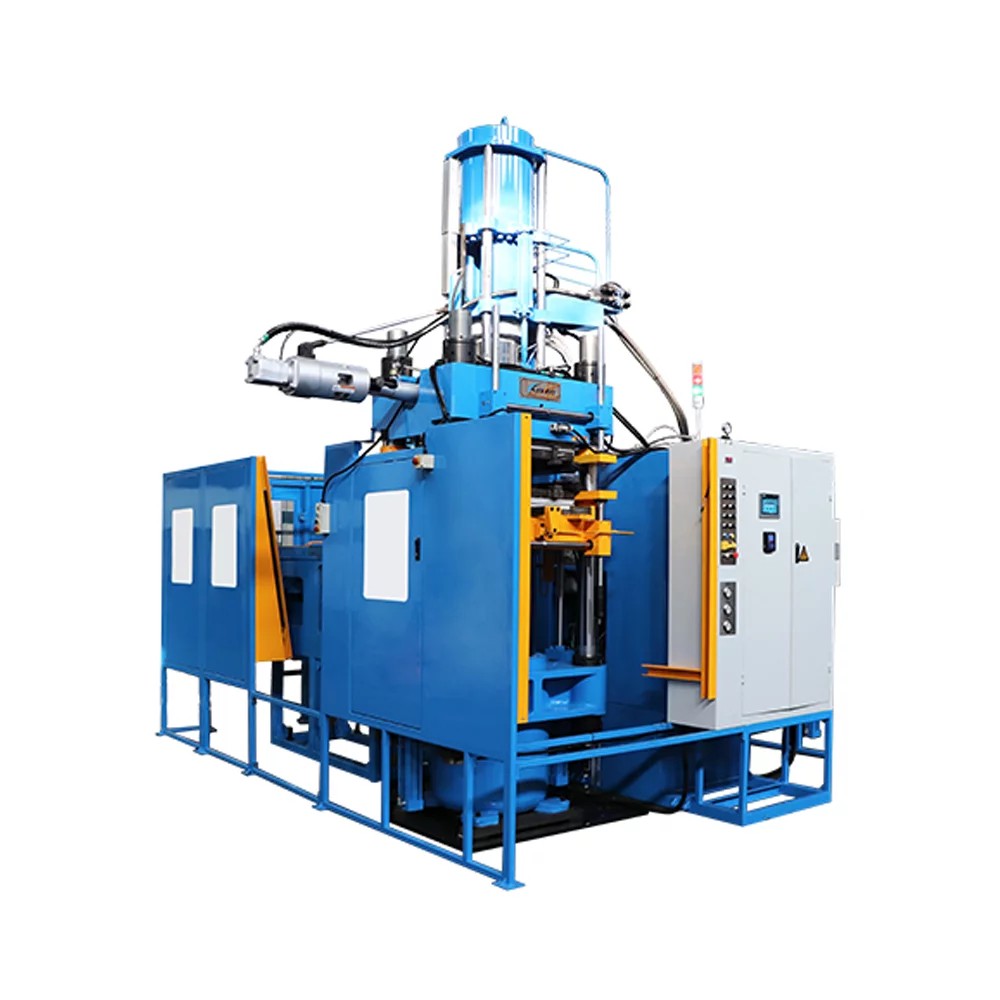
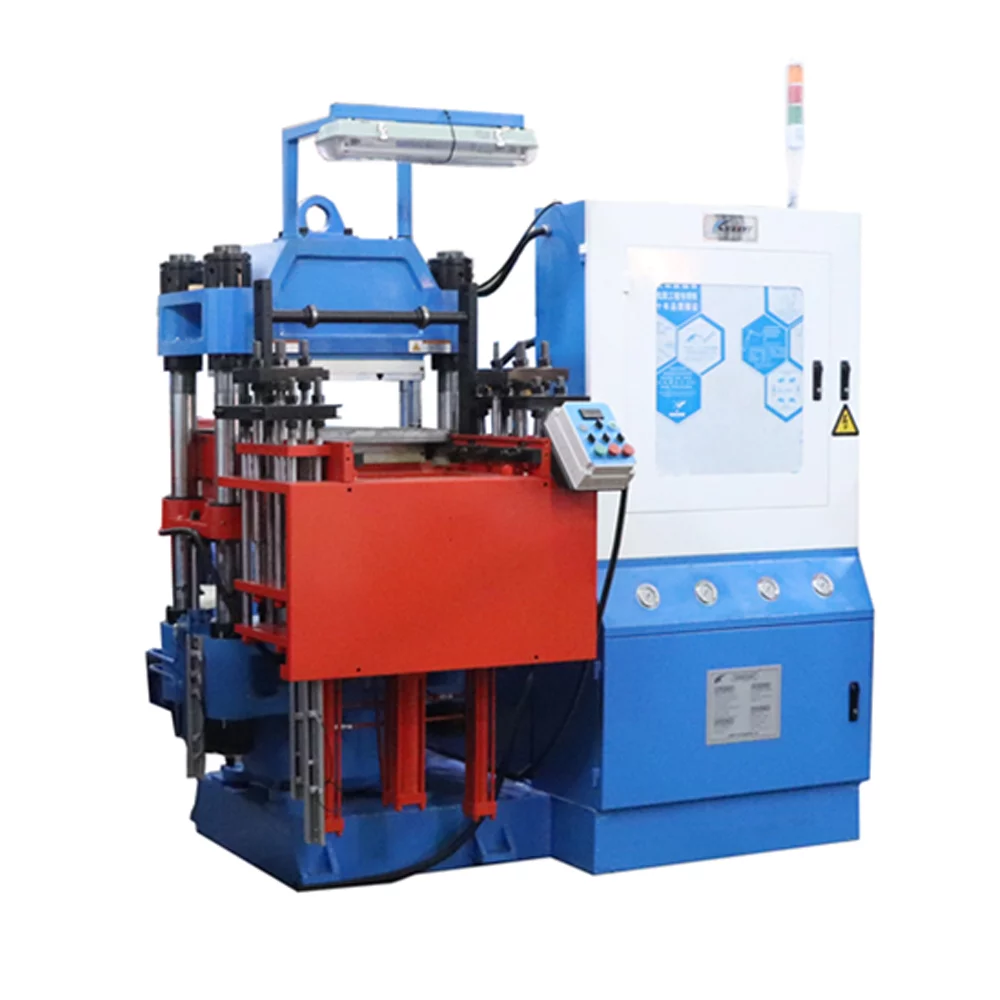
Temperature control is one of the most important factors influencing the performance of a vertical rubber injection molding machine. In rubber molding, temperature directly affects material flow, curing behavior, dimensional stability, and final product quality. For manufacturers seeking consistent production results, understanding temperature management is essential. As one of the experienced vertical injection molding machine manufacturers, we at HWAYI recognize that precise temperature control plays a critical role throughout the molding process.
Why Temperature Control Matters in Vertical Molding
During rubber injection molding, the rubber compound must reach an appropriate processing temperature before entering the mold cavity. If the temperature is too low, the material may not flow properly, leading to incomplete filling, short shots, or poor surface finish. If the temperature is too high, premature curing may occur, reducing material flow and creating defects.
A well-controlled temperature profile allows the rubber to maintain suitable viscosity while ensuring efficient mold filling. This helps produce components with accurate dimensions and consistent mechanical properties.
The Impact on Material Flow and Mold Filling
Material flow is highly sensitive to temperature variations. When the injection unit, barrel, and mold temperature are properly controlled, the rubber can flow evenly into complex mold cavities. This is particularly important for products with detailed geometries or varying wall thicknesses.
In a modern vertical rubber injection molding machine, independent temperature monitoring and control systems help maintain stable processing conditions. Accurate heating prevents excessive viscosity changes and supports uniform filling throughout the mold.
Stable material flow also reduces the risk of air traps, weld lines, and incomplete molding, improving both appearance and functionality.
Temperature Control and Curing Consistency
Rubber molding requires precise vulcanization conditions. Uneven temperatures can result in inconsistent curing across different sections of a product. Some areas may become over-cured while others remain under-cured.
Consistent platen and mold temperatures help ensure that the curing process occurs uniformly. This leads to predictable hardness, elasticity, and durability in the finished component. Many advanced HWAYI machines utilize PID temperature control technology to maintain accurate heating conditions during production.
When curing consistency improves, manufacturers experience fewer rejected parts and more stable production efficiency.
Reducing Defects Through Precise Temperature Management
Temperature fluctuations often contribute to common molding defects such as flash, shrinkage variation, surface imperfections, and dimensional instability. Stable processing temperatures minimize these issues by maintaining repeatable molding conditions from cycle to cycle.
Modern temperature control systems also help operators monitor production parameters and make adjustments quickly when necessary. This improves process reliability and supports long-term product quality.
Conclusion
Temperature control has a direct impact on every stage of the molding process, from material plasticization and injection to curing and final product performance. Proper temperature management improves mold filling, ensures uniform vulcanization, reduces defects, and enhances overall production consistency. As one of the trusted vertical injection molding machine manufacturers, we at HWAYI design our vertical rubber injection molding machine solutions with advanced temperature control technologies to help manufacturers achieve stable and reliable molding results.