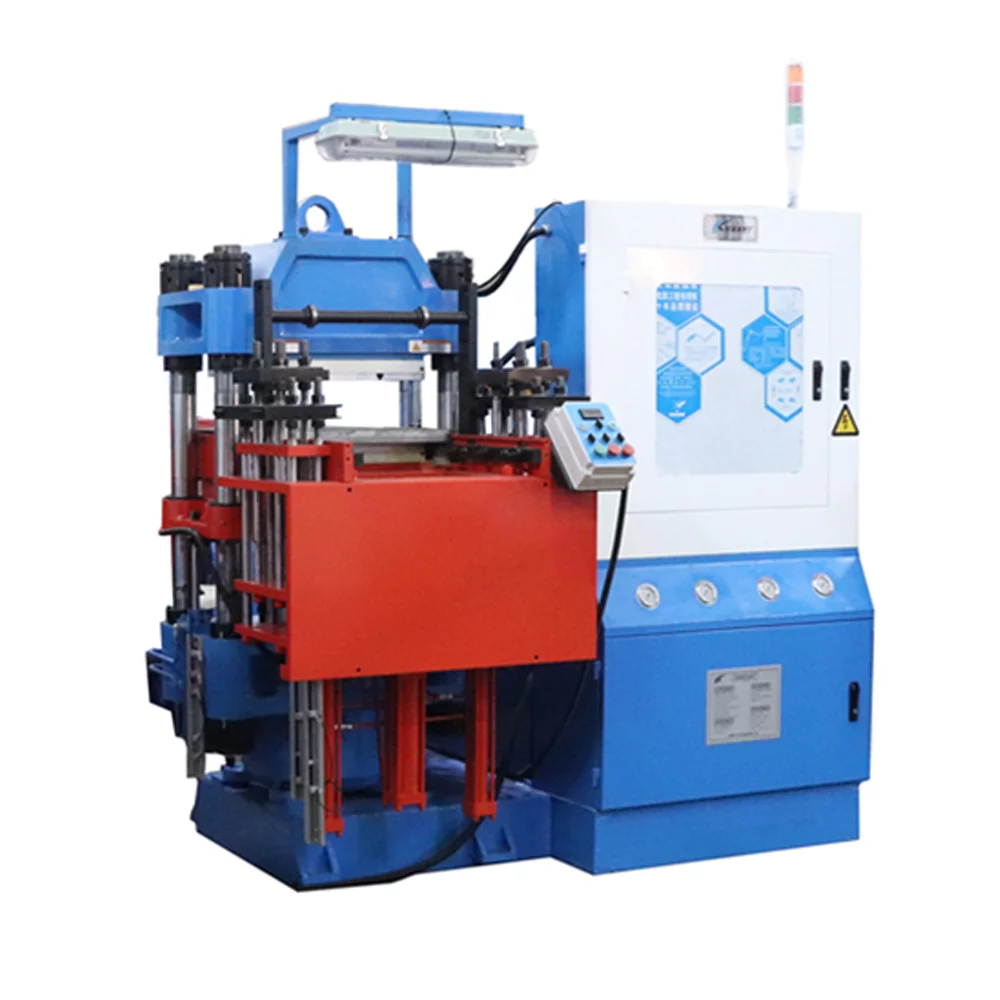
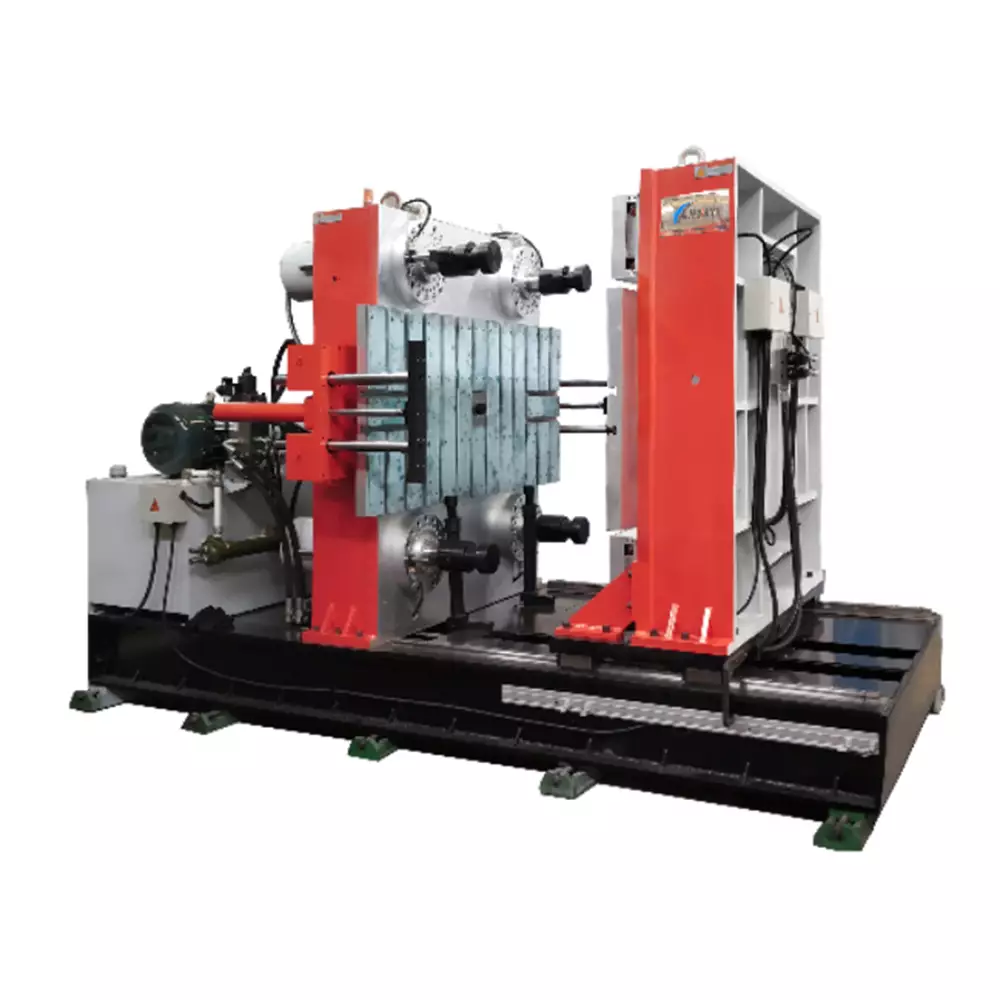
Selecting a rubber Molding machine usually starts with a simple question: will it fit the product and production process? For C frame presses, the answer depends on several details that may not be obvious from the machine name or clamping force alone. Rubber material, mould size, injection volume, temperature requirements, working space and future production plans all deserve attention before an order is placed.
For manufacturers producing sealing profiles, electrical components or other moulded rubber parts, these factors can affect both daily operation and the suitability of the machine for different moulds. A practical evaluation should therefore begin with the production requirements.
What Rubber Products Will the Machine Produce?
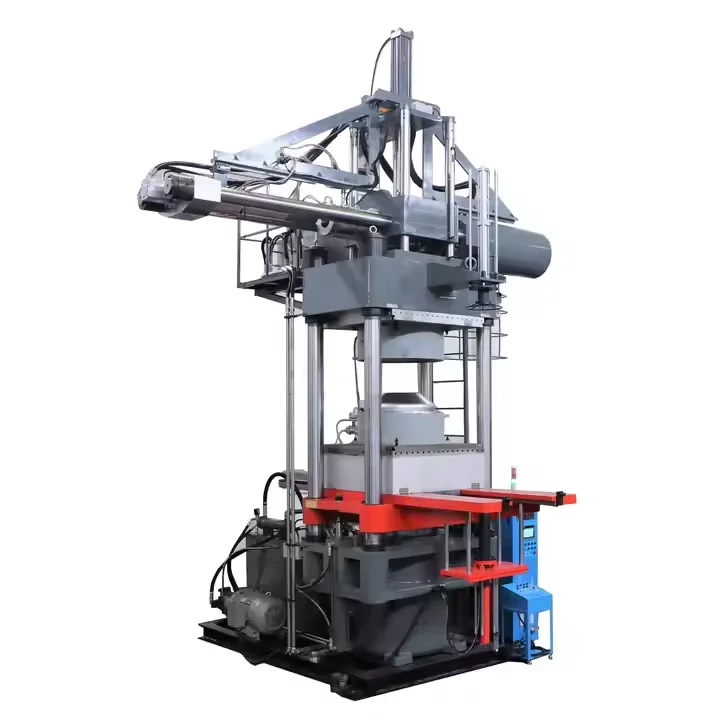
The intended product is an important starting point. A c frame rubber injection molding machine can be considered for applications where mould access and the handling of rubber profiles are important.
Our C Frame Injection Press is designed for EPDM, NBR and natural rubber sealing profiles. It can be used for corners, junctions and joints, making it relevant to applications such as automotive sealing components and other industrial rubber products.
Before purchasing, manufacturers should identify the rubber compound, product dimensions and Molding method. Different materials and product structures can require different processing conditions, so machine evaluation should consider the actual application instead of relying solely on the model designation.
How Much Clamping Force and Injection Volume Are Needed?
Clamping force needs to match the mould and product requirements. A machine with insufficient force may not provide the required mould closing conditions, while excessive capacity may result in a larger machine than the project needs.
Our C Frame series includes models from HYZ-50E to HYZ-600E. The available clamping force ranges from 500 kN to 6000 kN, while injection volume varies between models.
For example, the HYZ-200E has a clamping force of 2000 kN and an injection volume of 2000–2400 cm³. The hotplate size is 550 × 550 mm. Comparing these figures with the required material volume and mould dimensions can help buyers narrow down suitable configurations.
Will the C Frame Hydraulic Press Fit the Mould?
Mould compatibility should be checked before confirming the machine model. Hotplate dimensions, space between plates, clamping stroke and minimum mould thickness are all relevant.
Our C Frame machines are available with hotplate sizes from 400 × 400 mm to 900 × 900 mm. Depending on the selected model, the maximum clamping stroke ranges from 350 mm to 700 mm. The minimum mould thickness also differs between models.
A c frame hydraulic press should therefore be evaluated together with the mould. Providing mould drawings, dimensions and opening requirements during the technical discussion allows the machine configuration to be checked against the actual tooling.
What Injection and Temperature Controls Should Be Considered?
Mechanical capacity is only one part of the purchasing decision. Injection control and temperature management can also influence the consistency of rubber Molding.
The C Frame Injection Press uses an all-in-all-out injection system without an injection runner. It can be configured for either top or bottom injection. The official specifications state an injection accuracy of ±5% and a CPK of ≥1.67.
Temperature control is another point to review. Our specifications state a platen temperature tolerance within ±2°C and include PID temperature calibration. These functions can be relevant when production requires repeatable processing conditions across different Molding cycles.
Does the Machine Structure Suit the Production Area?
The physical structure of a press can affect how operators work with moulds and rubber profiles. This is particularly relevant when products are long, when moulds need frequent adjustment, or when operators require access from different directions.
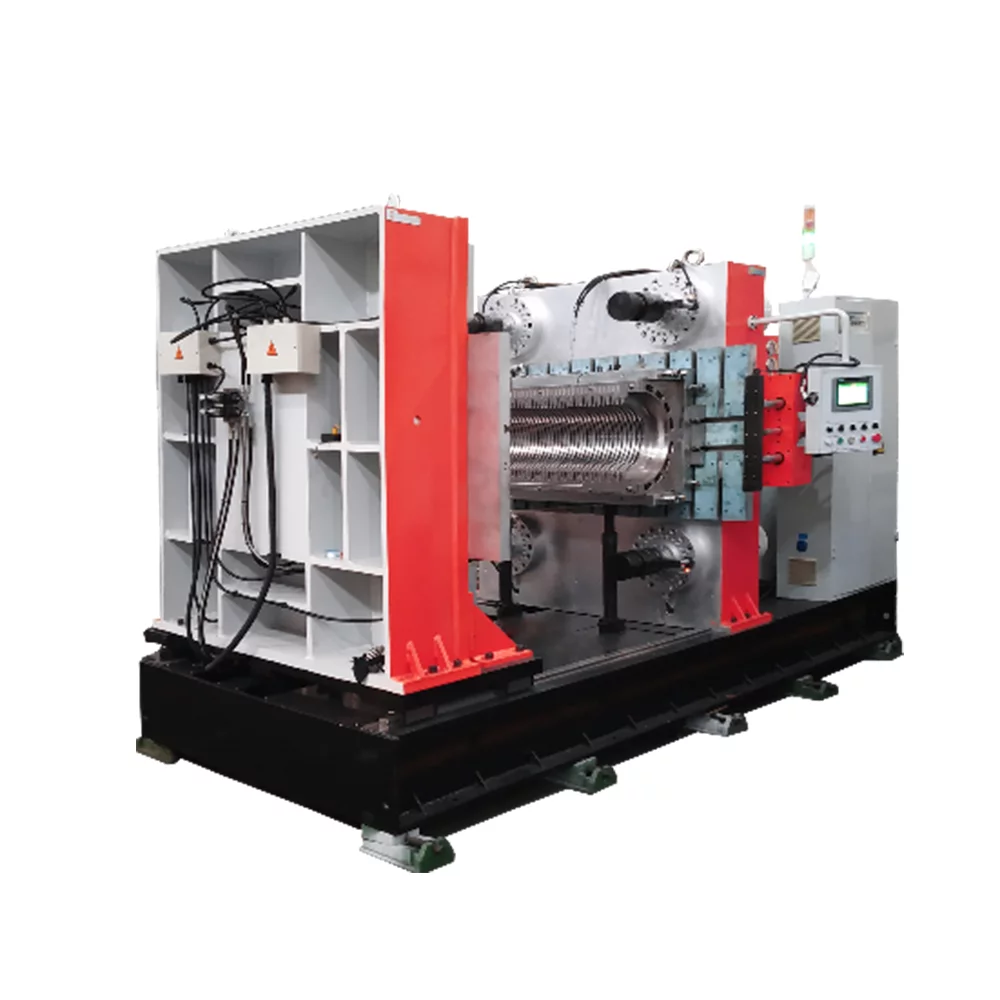
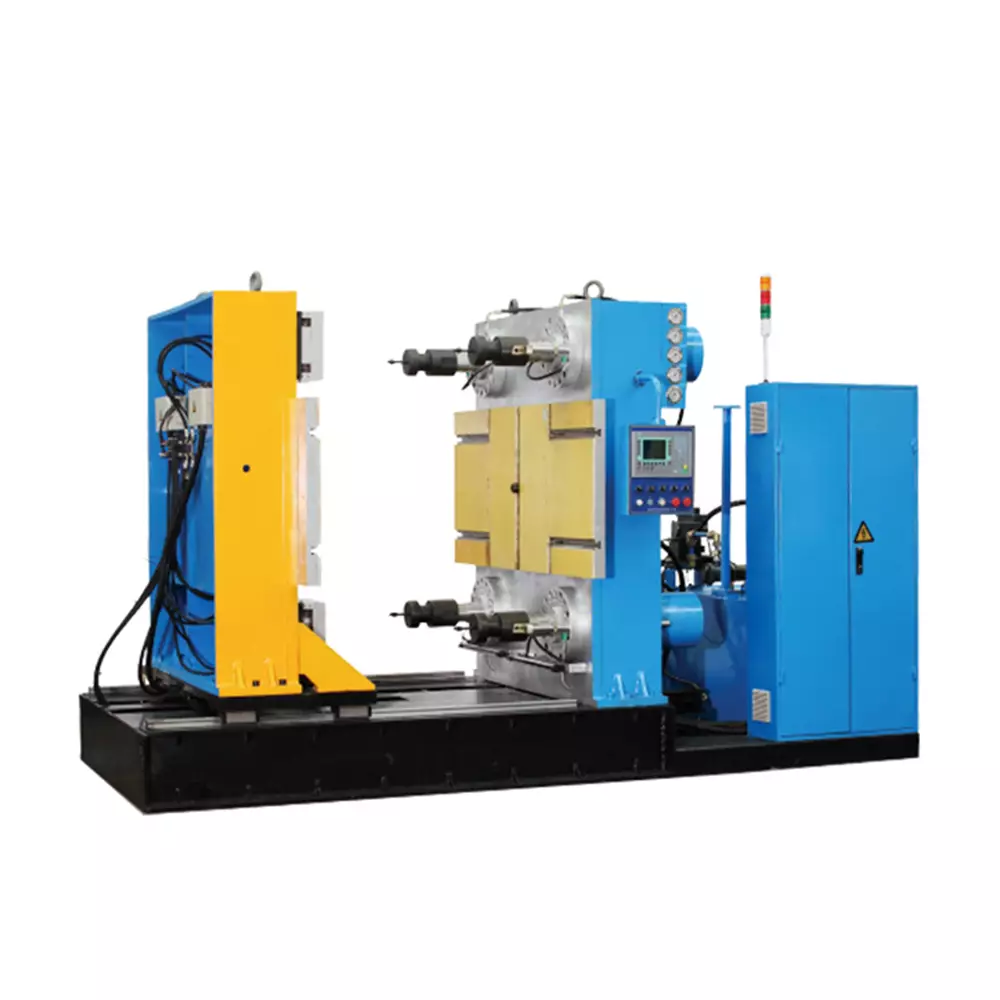
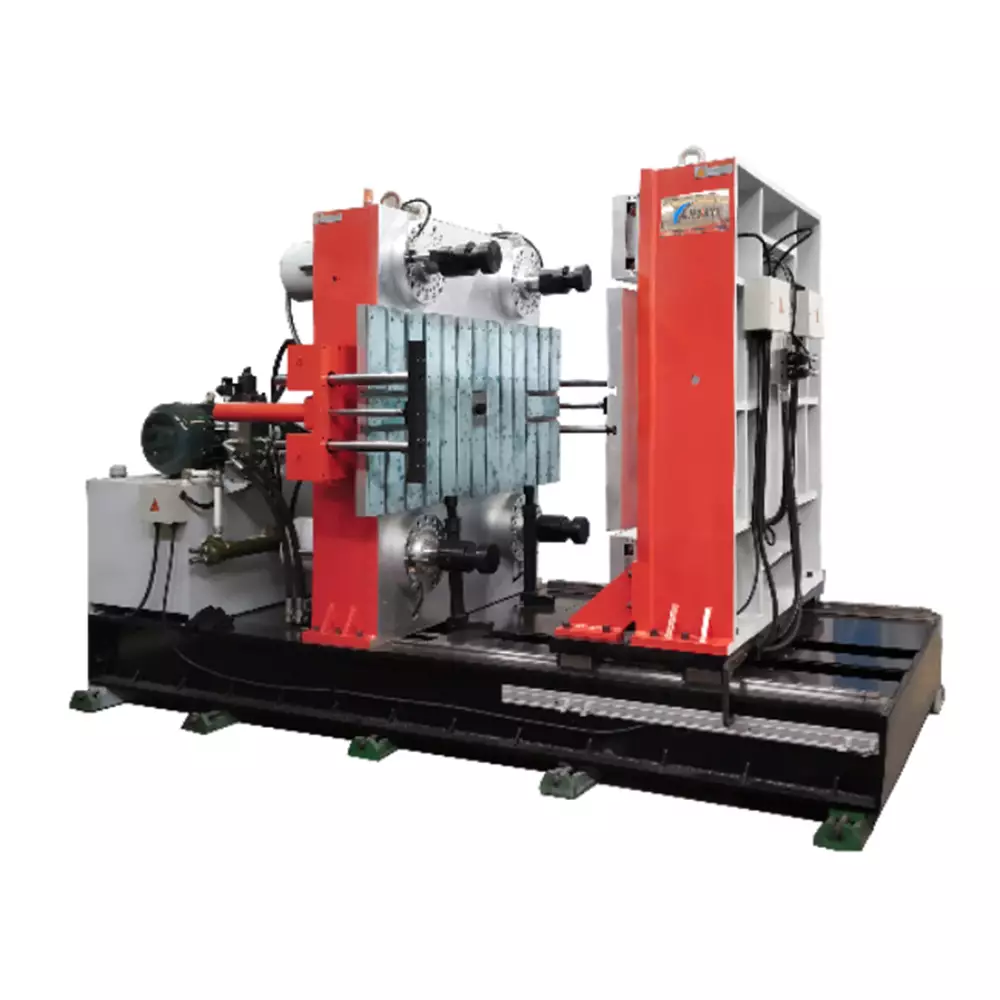
The C Frame design provides an open working area around the mould. This arrangement can make profile positioning and mould access more convenient for certain applications. Optional configurations include an upper lifter, sliding system, ejector and core-pulling valves, depending on production requirements.
A double working station is also available as an option. Whether this configuration is appropriate depends on the production sequence, floor layout and required operating method.
What Supplier Support Is Available After Purchase?
The purchasing decision should also cover technical communication, installation, commissioning and after-sales service. These aspects can become important when the machine is integrated into an existing production line or customised for a particular mould.
At HWAYI, we provide rubber machinery covering injection Molding, vulcanising presses, LSR equipment and rubber track Molding solutions. We have more than 25 years of experience in rubber machinery and maintain our own R&D and manufacturing capabilities.
Our technical team can review information such as rubber material, product dimensions, mould structure, expected production volume and automation requirements before a machine is selected. This provides a clearer basis for discussing configuration and installation requirements.
For buyers considering a c frame rubber injection molding machine, the final decision should come from the complete production picture. Clamping force, injection volume, mould compatibility, temperature control, machine structure and technical support should all be reviewed together.
A suitable press is not simply the one with the largest capacity. It is the machine configuration that corresponds with the mould, product and working conditions of the intended application.