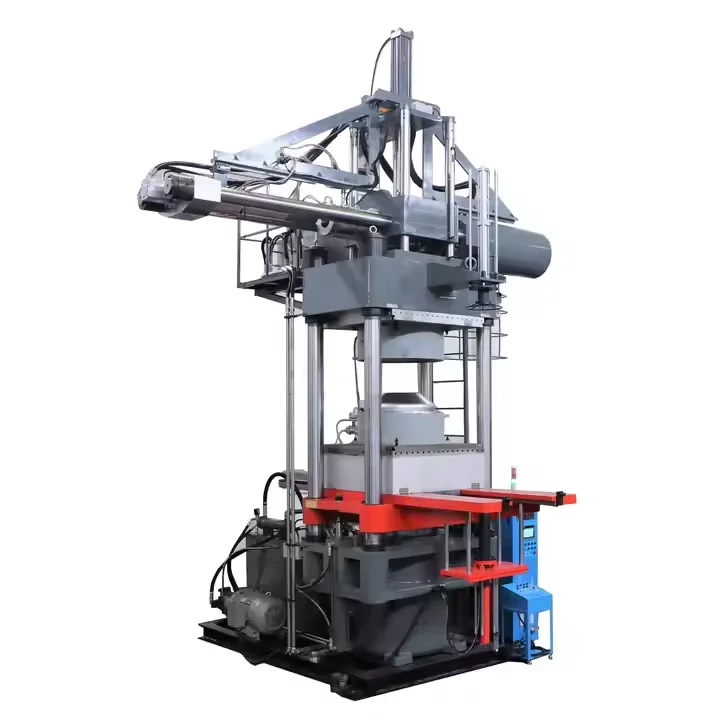
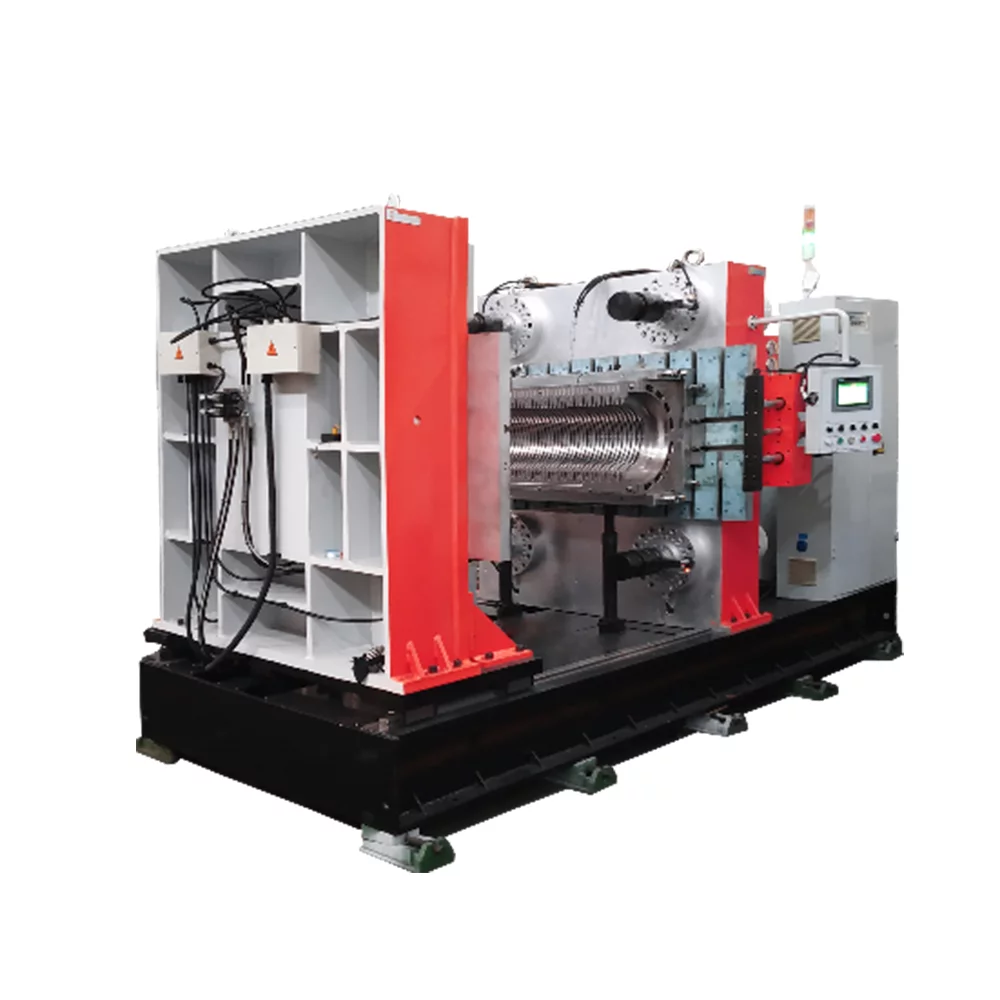
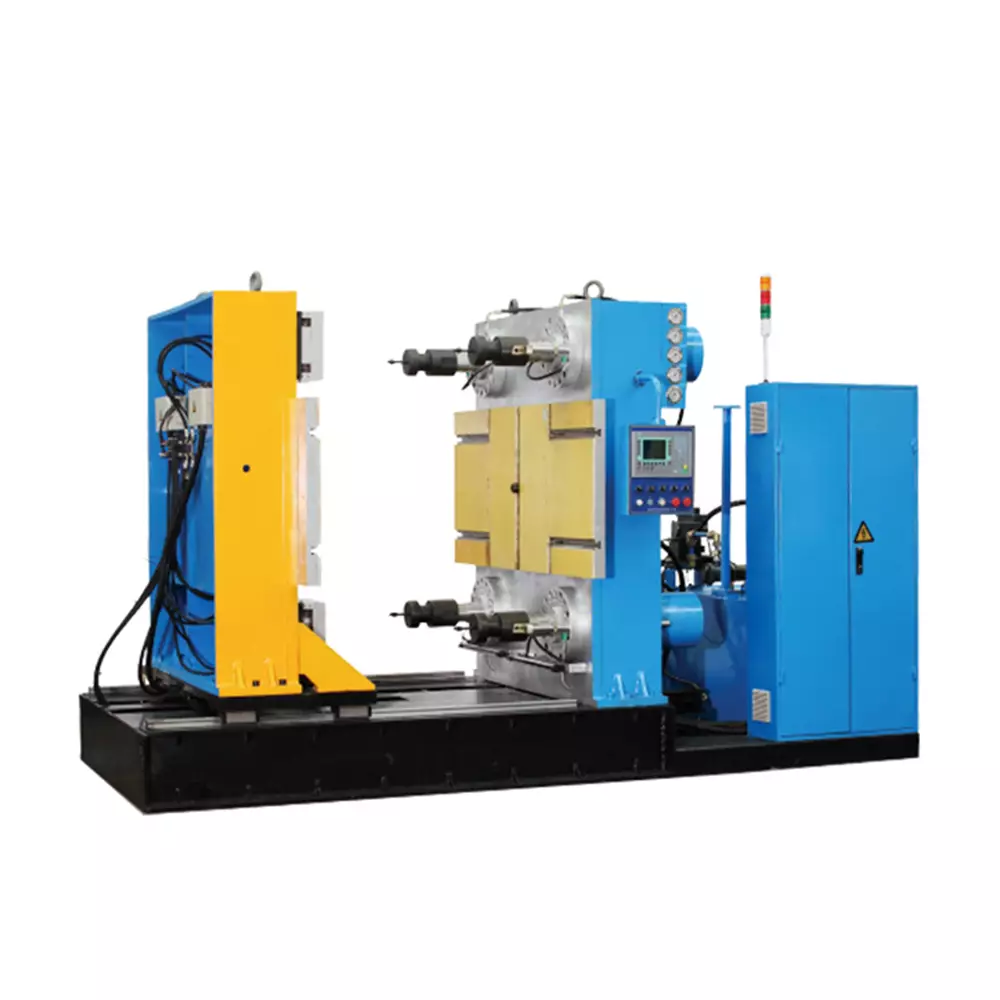
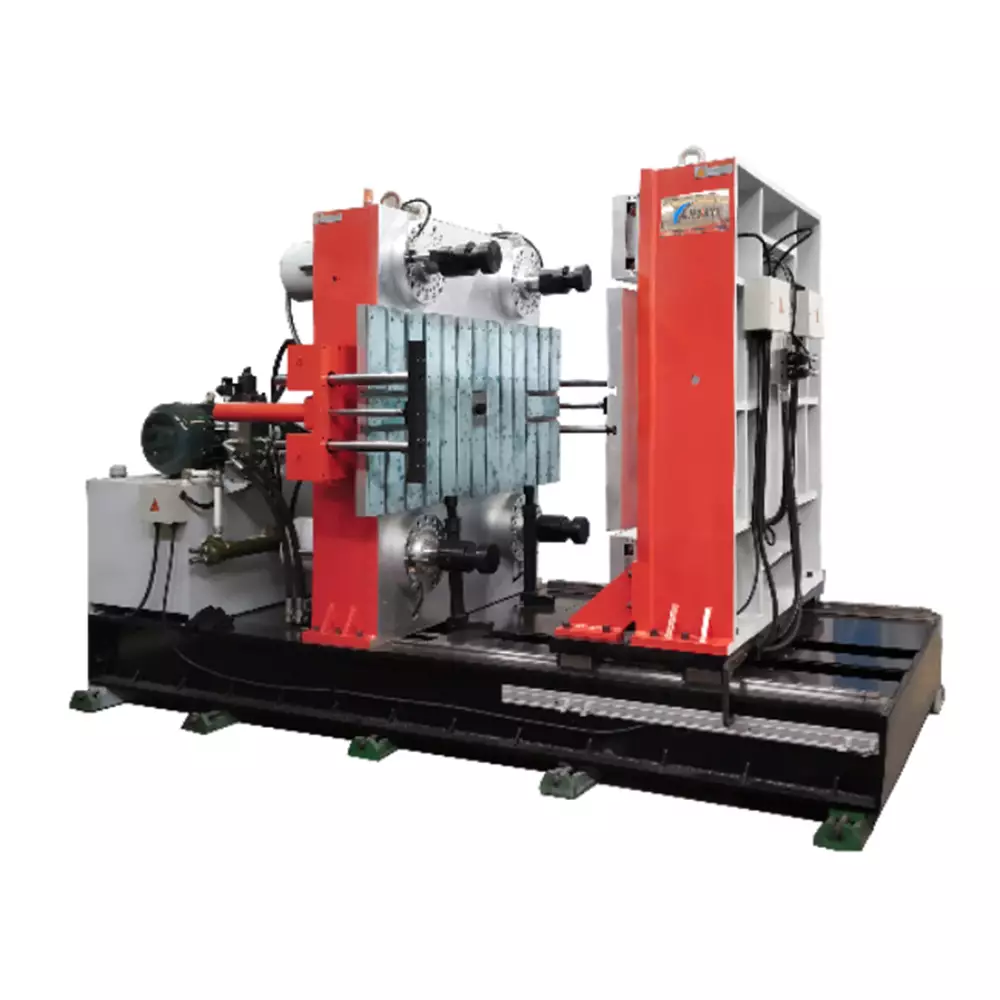
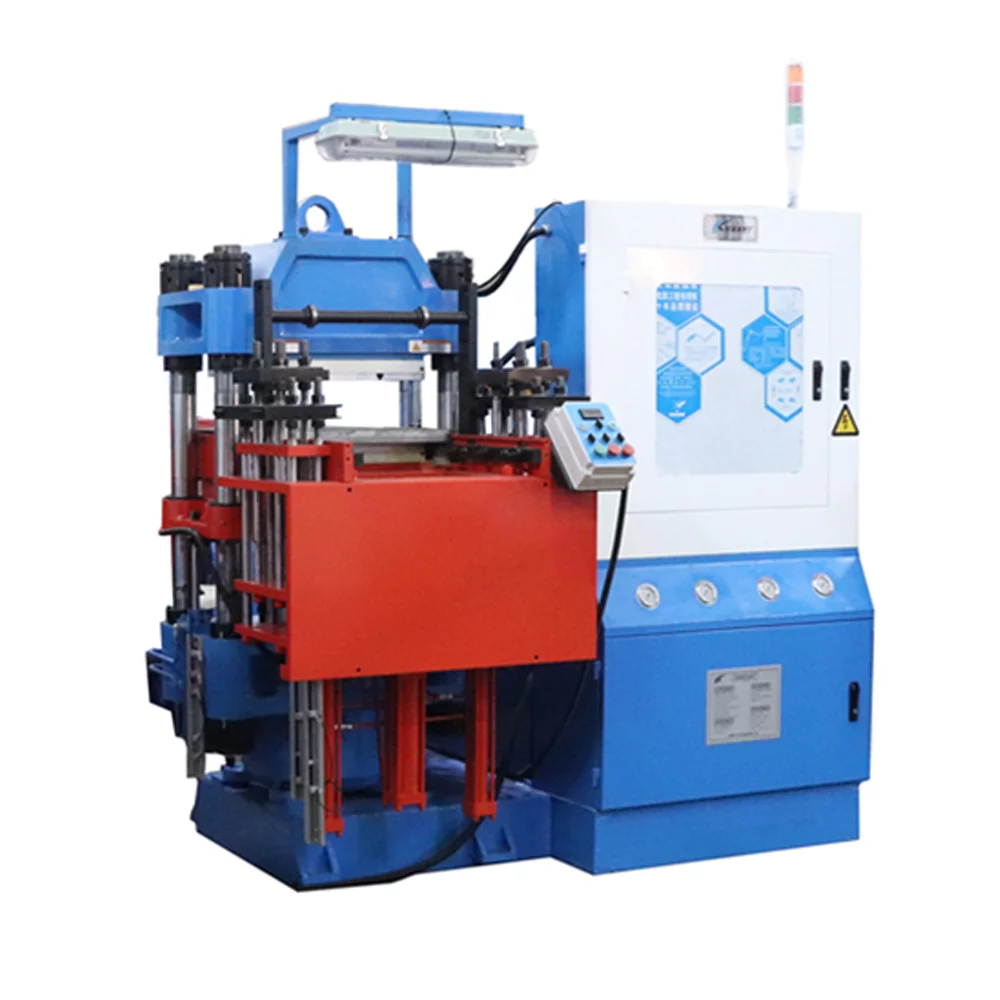
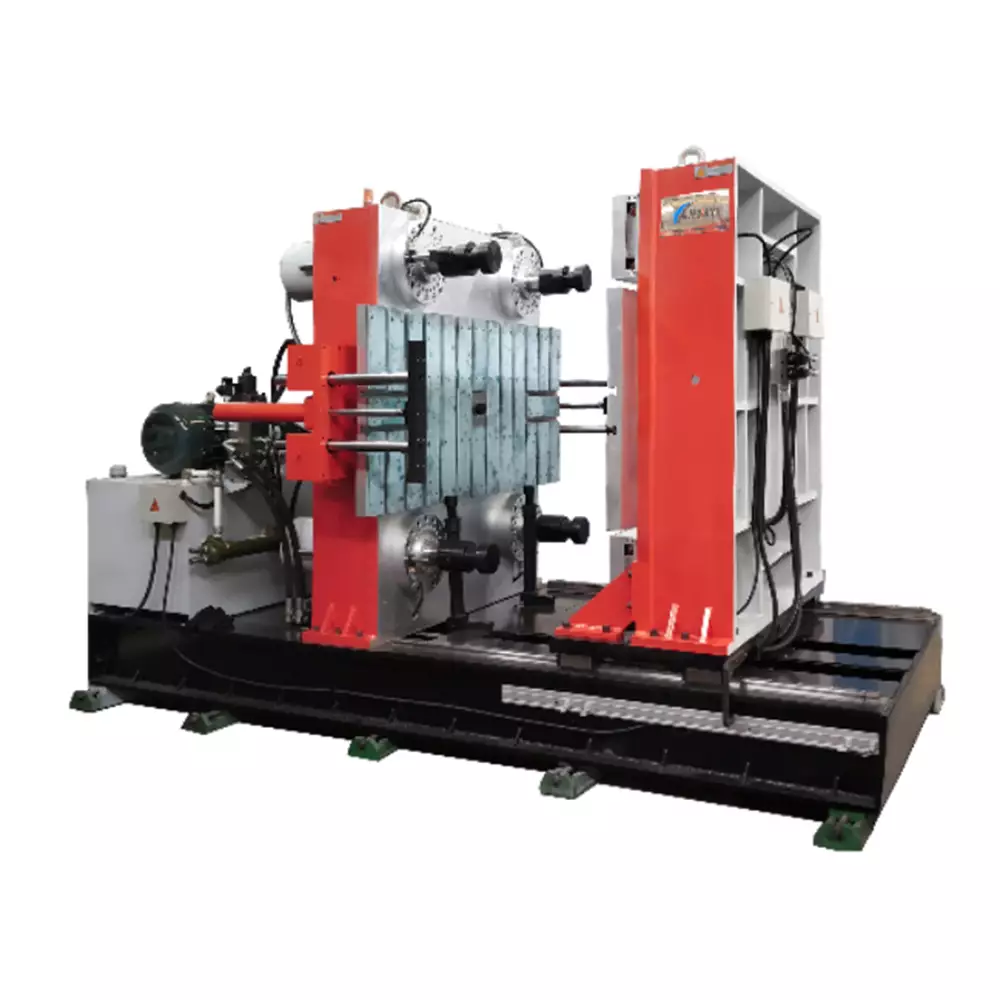
Precision in hydraulic pressing is not determined by one component alone. When we design a machine for rubber Molding, we consider how the frame, clamping system, injection unit and mould work together. The frame carries the forces generated during pressing, so its structural behaviour can influence mould alignment and working stability.
For C-frame equipment, this is particularly relevant because the open structure provides working access while still needing to support the required clamping force. We match the machine structure with the actual rubber product and Molding requirements.
C-Frame Structure and MoldingStability
A c frame rubber injection molding machine uses an open C-frame structure around the Molding area. This design gives operators more space to insert sealing profiles during Molding, according to our product information.
The frame also needs to maintain its working position when the clamping system applies force. If structural movement becomes excessive, the relationship between the mould, platens and product can change.
For rubber components with defined dimensions, maintaining a stable mould position is important for repeatable production. We therefore consider frame design together with clamping capacity.
Frame Behaviour Under Pressing Loads
During a pressing cycle, the mould is held between the platens while the hydraulic system generates the required clamping force. The machine structure transfers this force through its frame and related components.
If the structure does not maintain its intended geometry under load, mould alignment can be affected. Depending on the product, this may influence pressure distribution, mould closing behaviour or excess rubber around the part.
Our C Frame Injection Press is designed for EPDM and natural rubber sealing profiles, including corners, junctions and joints. We also list applications such as rubber seals, gaskets, automotive rubber components, electrical insulation products and industrial rubber parts.
Matching Clamping Force with Mould Requirements
Clamping force is connected with the mechanical load placed on a press. For this reason, we select machine capacity according to the mould and product rather than simply choosing a larger specification.
Our C Frame series includes HYZ-50E, HYZ-100E, HYZ-200E, HYZ-300E, HYZ-400E, HYZ-500E and HYZ-600E models. Their clamping forces range from 500 kN to 6000 kN.
For example, the HYZ-200E provides 2000 kN of clamping force, an injection volume of 2000–2400 cm³ and a 550 × 550 mm hotplate. The model also has 570 mm of space between plates and a maximum clamping stroke of 500 mm.
These values enable buyers to compare machine capacity against mould requirements
Hydraulic Control Within the Press Structure
The frame provides mechanical support, while the hydraulic system controls movement and clamping. These two parts therefore need to be considered together.
Our C Frame Injection Press uses an injection system without an injection runner and supports top or bottom injection configurations. The official product specifications state an injection accuracy of ±5% and CPK ≥1.67.
A stable frame cannot compensate for unsuitable hydraulic settings. Likewise, hydraulic control cannot address a machine configuration that does not match the required Molding force. We therefore review both mechanical and process requirements when discussing machine selection.
Temperature Stability During Rubber Molding
Mechanical rigidity is only one part of the Molding process. Temperature control also needs to remain within the required range because rubber processing depends on controlled heating conditions.
Our product specifications state that platen temperature tolerance is within ±2°C and that PID temperature calibration is provided. Insulation plates are also listed as part of the machine configuration.
For us, these specifications are considered alongside injection accuracy, clamping force and mould dimensions. The aim is to establish a configuration in which the main process conditions can be controlled consistently.
What Should Buyers Check Before Choosing a C-Frame Press?
We recommend starting with the mould rather than the machine model. Mould dimensions, rubber material, required injection volume and clamping force should be identified first.
Our machines have hotplate sizes ranging from 400 × 400 mm on the HYZ-50E to 900 × 900 mm on the HYZ-600E. Space between plates ranges from 400 mm to 1000 mm across the listed models.
The selected c frame hydraulic press machine should provide enough working space for the intended mould while matching the required force and injection volume. Optional functions such as an upper lifter, sliding system, ejector and core-pulling valves can also be considered according to mould requirements.
How Does HWAYI Approach C-Frame Press Design?
At HWAYI, we combine our rubber machinery experience with in-house R&D and manufacturing. Our product range includes rubber injection Molding machines, rubber vulcanising presses, LSR Molding equipment and rubber track Molding machines. Our official website states that we have more than 25 years of industry experience.
When we discuss a new project, we look at the complete production requirement instead of focusing on frame rigidity alone. Product geometry, mould dimensions, clamping force, injection volume, temperature control and working space all contribute to the final machine configuration.
A c frame rubber injection molding machine should therefore be assessed as a complete system. Frame stability provides the mechanical foundation, while hydraulic control, injection accuracy and mould compatibility influence its performance in production.
The same principle applies when selecting a c frame hydraulic press machine. Matching the machine with the mould and product requirements gives manufacturers a clearer basis for consistent production conditions.