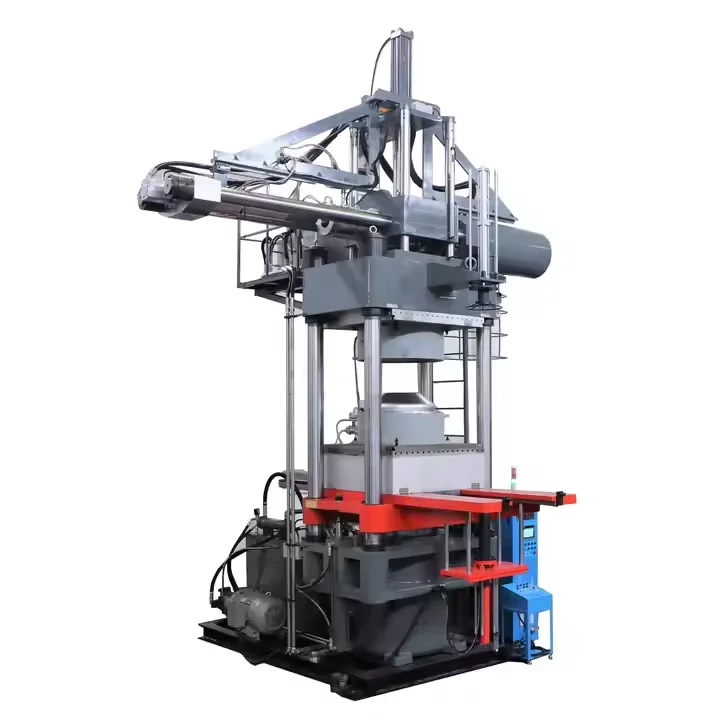
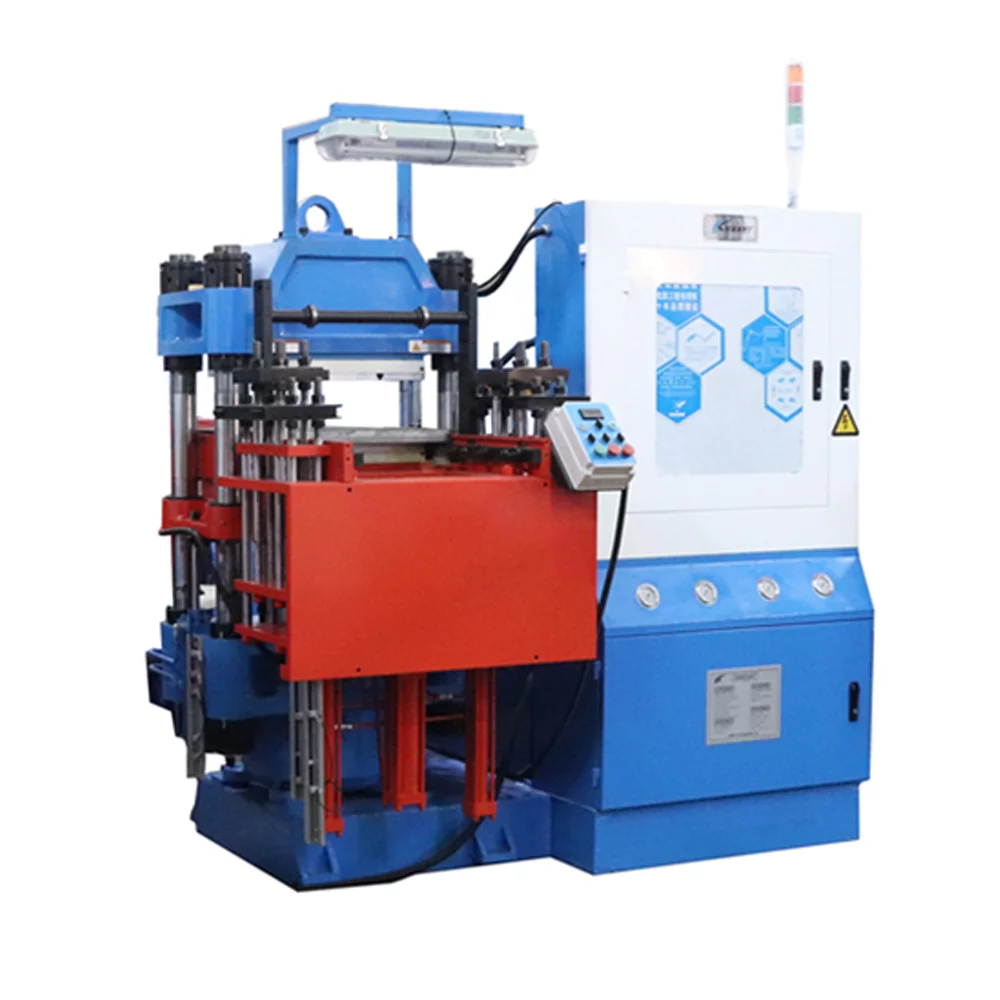
Liquid silicone rubber (LSR) production requires more than a machine that can inject material into a mould. The material handling system, metering process, injection unit, clamping structure and mould all need to work together. For manufacturers, this makes engineering capability an important factor when comparing equipment suppliers.
At HWAYI, we approach LSR projects by looking at the complete production process. Product structure, material requirements, mould design and production method help us determine how an LSR molding machine should be configured for a particular application.
Material Handling as Part of the Machine System
LSR is a liquid material that requires controlled dosing and mixing before injection. This means the material delivery system cannot be considered separately from the Molding equipment.
Our product range includes LSR clamping machines, LSR pump machines and metering machines. We can also provide these systems with moulds as a turnkey project, allowing the material supply and Molding process to be considered together.
For production engineers, this approach is useful when the required material volume, mould arrangement or product structure differs from a standard application. Instead of selecting an LSR molding machine only from its basic specifications, the complete material path should also be reviewed.
Clamping Design and Tooling Access
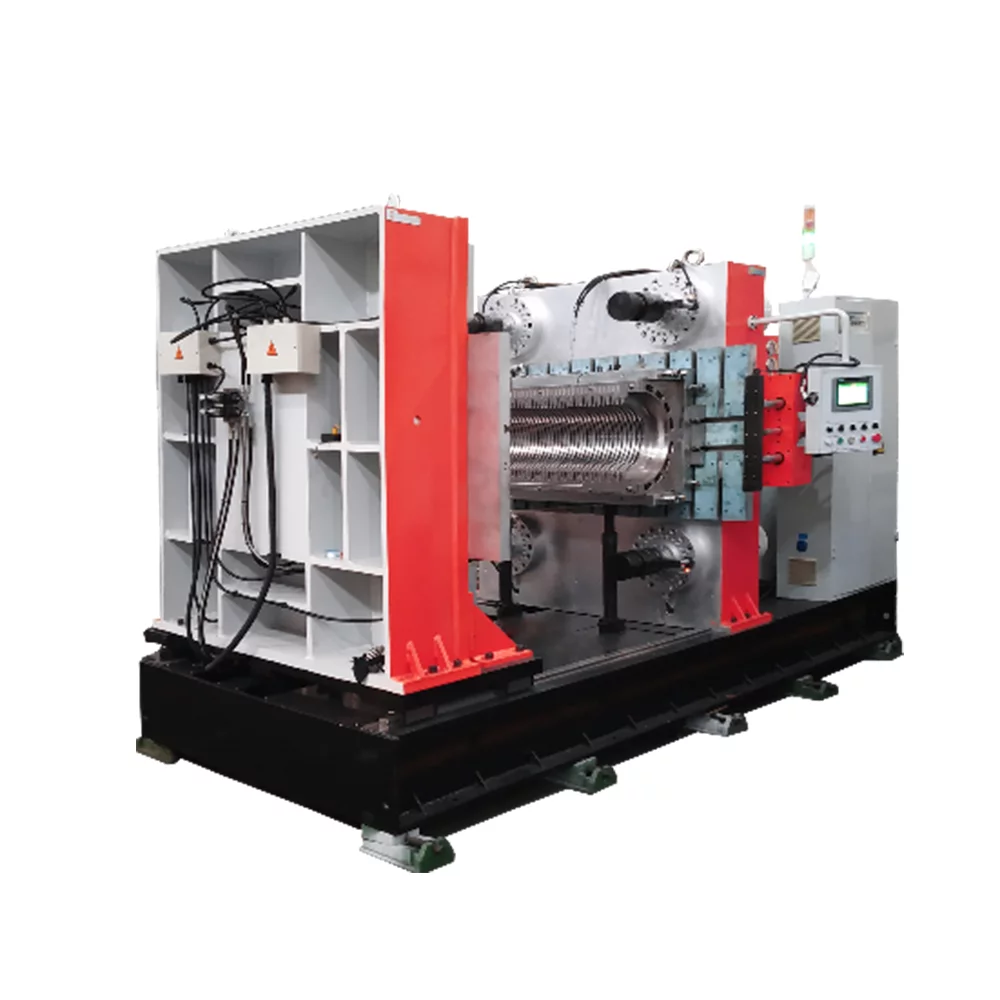
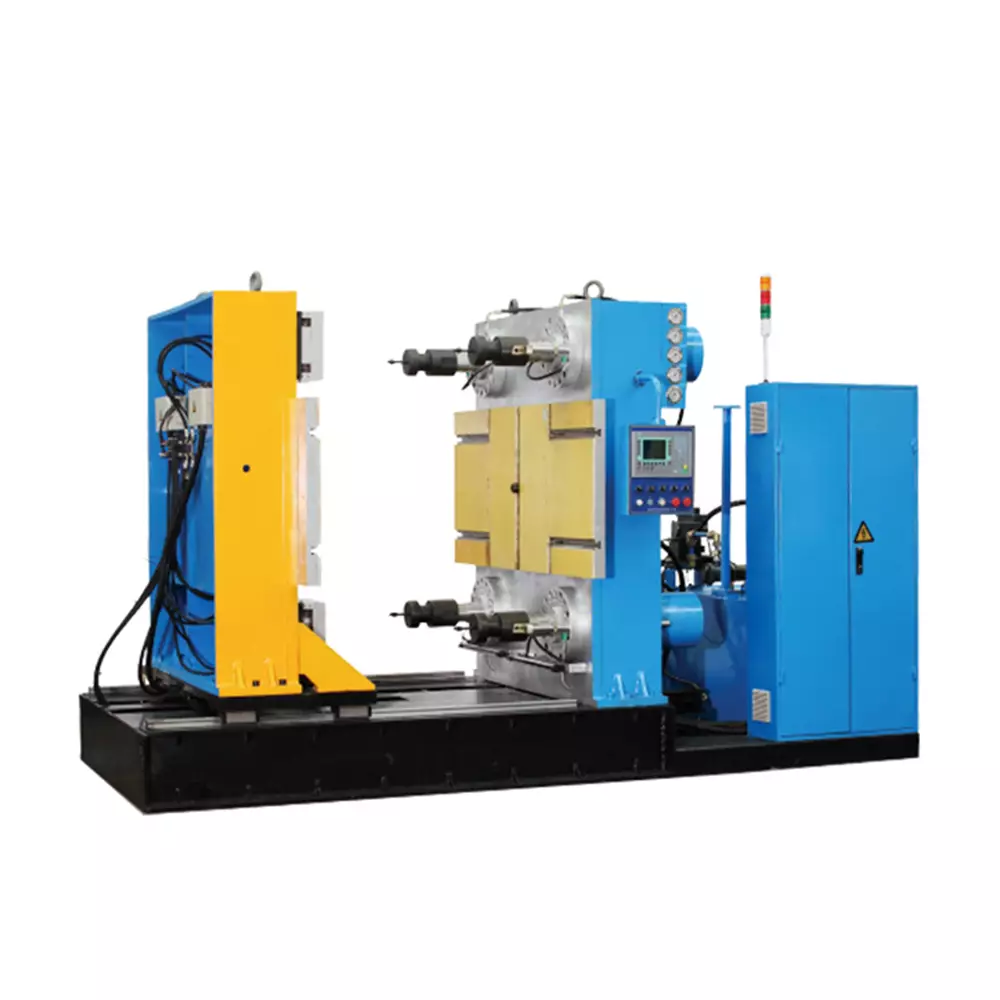
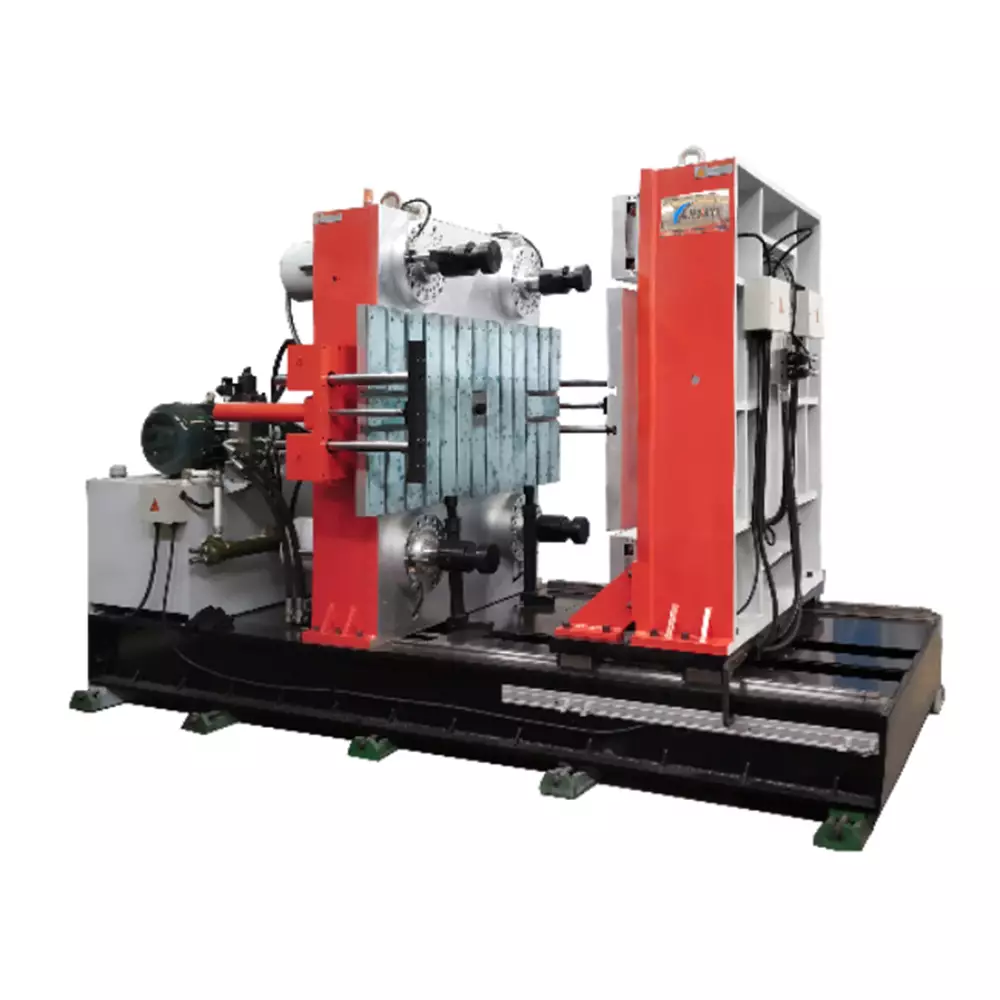
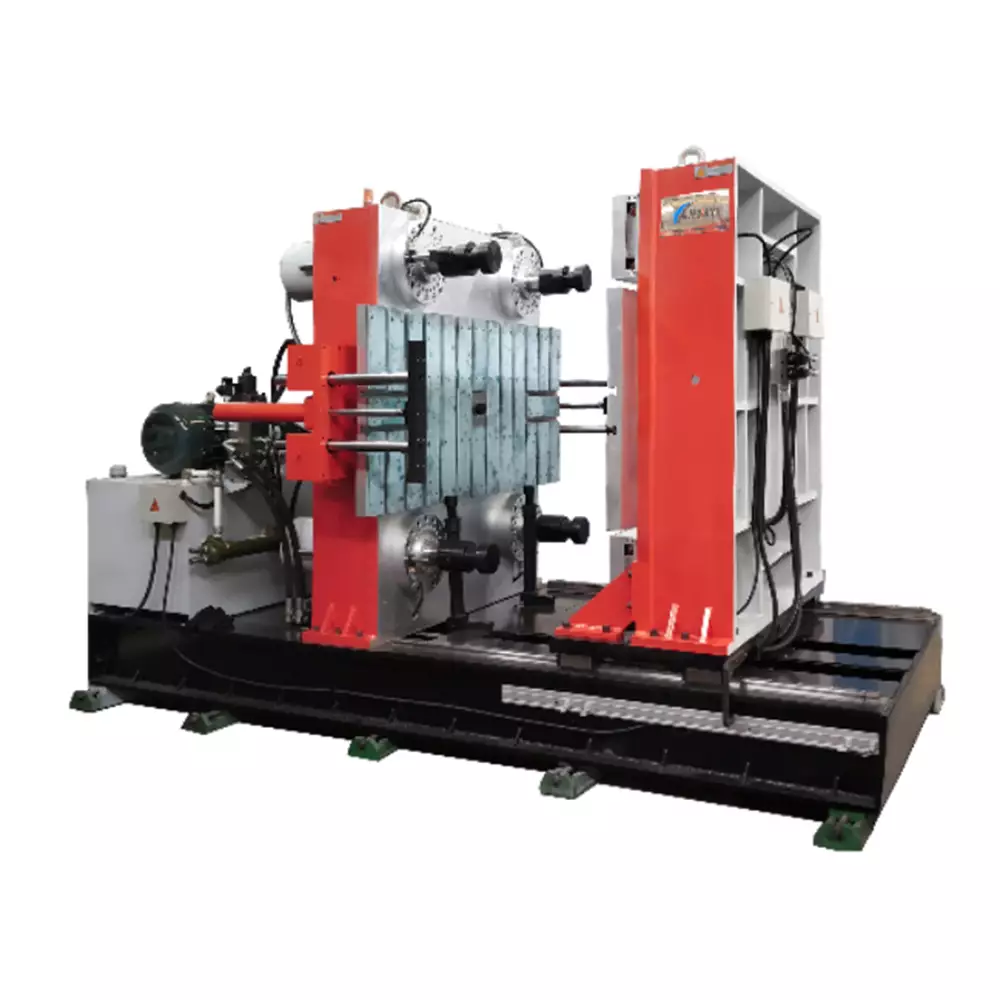
Clamping design has a direct connection with how moulds are installed and supported during production. Our LSR equipment uses a horizontal clamping structure, and the official product information describes a tiebar-less design with additional upper space for mould installation.
The clamping platens slide on guide rails on the machine base. The product information also describes a robust clamping unit and machine base designed to provide stability and parallelism.
Tooling access is another practical consideration. Our horizontal structure allows moulds to be loaded and installed using a crane or forklift. Where required, FRP tubes can also be loaded into the mould with cranes and lifters.
Engineering capability therefore includes both machine performance and practical tooling requirements.
Injection Control for Different Product Requirements
LSR products can have different geometries, wall thicknesses and cavity arrangements. Injection control therefore needs to be considered in relation to the actual mould and product.
Our LSR equipment uses closed-loop injection control. According to our product information, the system can work with multiple moulds and different pressure and speed settings. This provides a basis for adapting the injection process to different production requirements.
When we discuss an LSR molding machine project, we review the product and mould before deciding how the injection system should be configured. This helps connect the machine settings with the actual filling requirements rather than relying only on a standard machine arrangement.
For manufacturers, injection control is particularly relevant when product geometry or mould design requires a controlled filling process. The machine, mould and material delivery system need to be considered as one production chain.
Application Requirements Shape the Equipment
Engineering capability also means understanding where the equipment will be used. Our LSR machinery is applied to different liquid silicone rubber products, including components for automotive, industrial and electrical applications.
Our LSR Insulators Molding Machine combines an LSR clamping machine with an LSR pump machine and dosing unit. The official product information states that this equipment can be used for liquid silicone products such as hollow core insulators, arresters, high-voltage cable joint bodies, stress cones and cable terminals.
Electrical insulation products, for example, may require different tooling and material handling arrangements from smaller silicone components.
For this reason, we treat the application as the starting point when discussing equipment selection.
Engineering Support Beyond the Machine Frame
When buyers compare LSR injection molding machine manufacturers, machine construction is only one part of the evaluation. Engineering resources, manufacturing capability, product knowledge and technical support also matter during project development.
At HWAYI, we have more than 25 years of industry experience, with independent R&D and manufacturing capabilities. Our official website also lists a wider rubber machinery portfolio, including rubber injection Molding machines, rubber vulcanising presses, LSR clamping machines and rubber track equipment.
Our role is to connect these capabilities with the customer’s production requirements. We can review the product, mould, material system and intended process before discussing a suitable machine configuration.
Production engineers, tooling teams and maintenance personnel may all have requirements that need to be considered before installation.
What Buyers Can Assess Before Choosing an LSR Supplier
A suitable LSR molding machine should fit the production process rather than being selected only by machine category. Buyers can review the material delivery system, clamping structure, injection control, mould installation method and application experience as part of the evaluation.
A supplier’s engineering capability can be assessed by how it connects the machine with the mould, material and final product.
At HWAYI, we focus on this connection during project discussions. Our aim is to understand the production requirement first and then develop an equipment configuration around it.
For manufacturers planning an LSR production line, this provides a practical way to compare suppliers. Instead of looking at a machine catalogue alone, buyers can examine how well a supplier understands the complete process and whether its engineering resources match the requirements of the project.