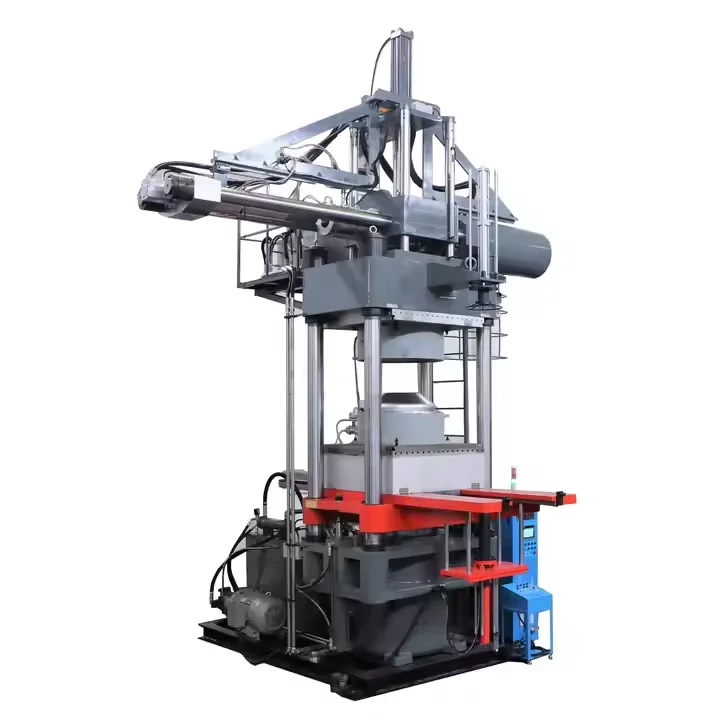
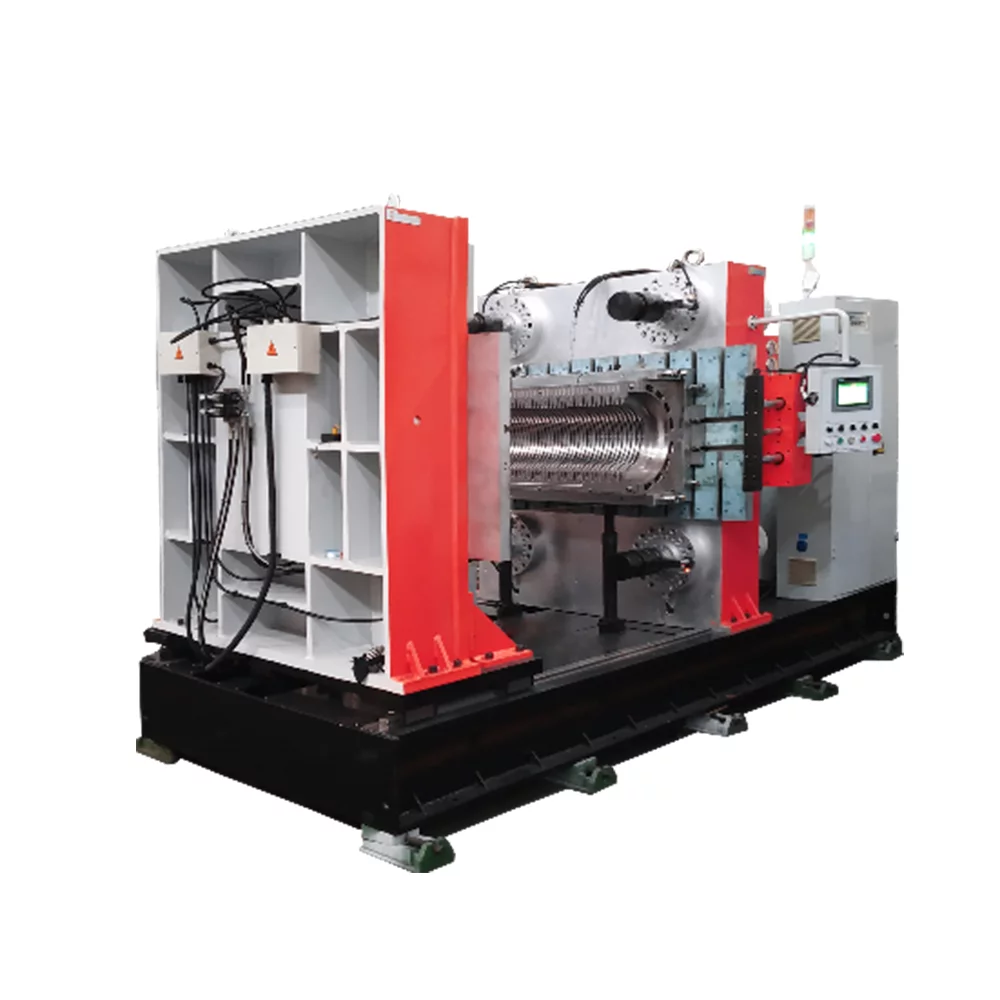
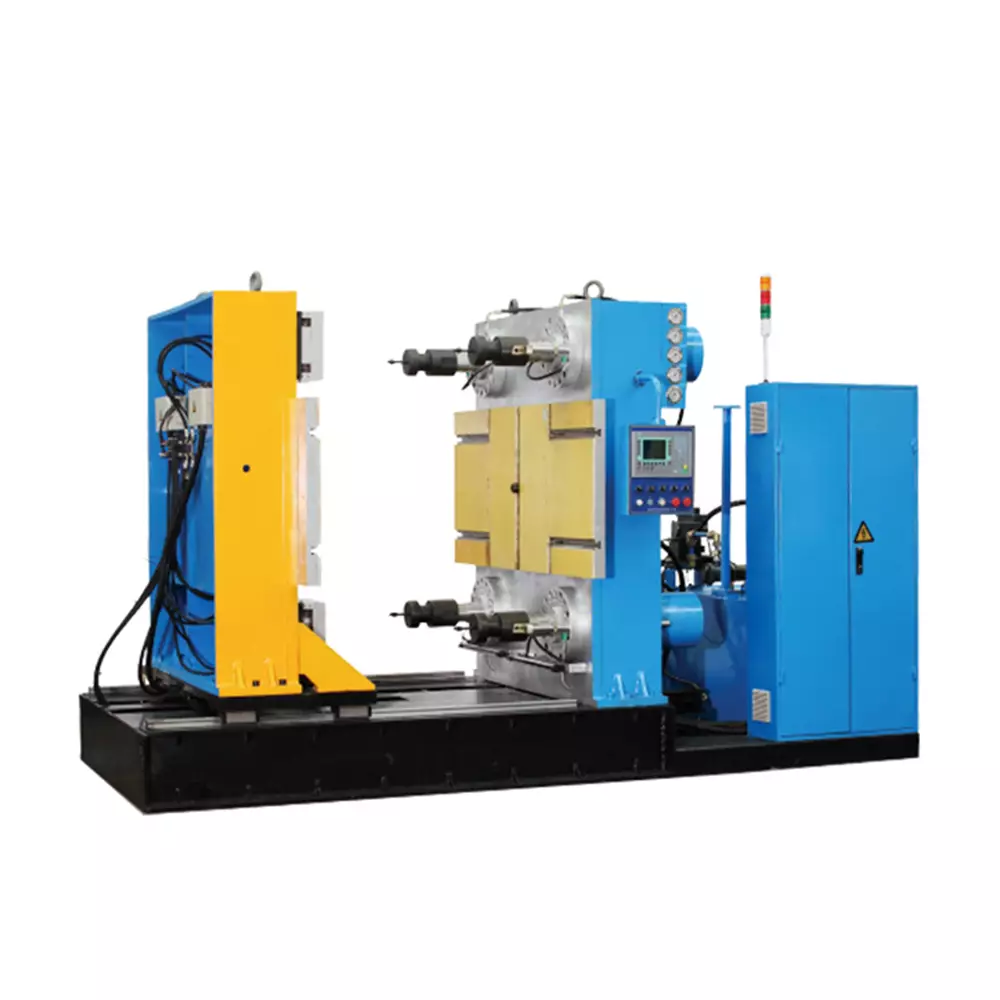
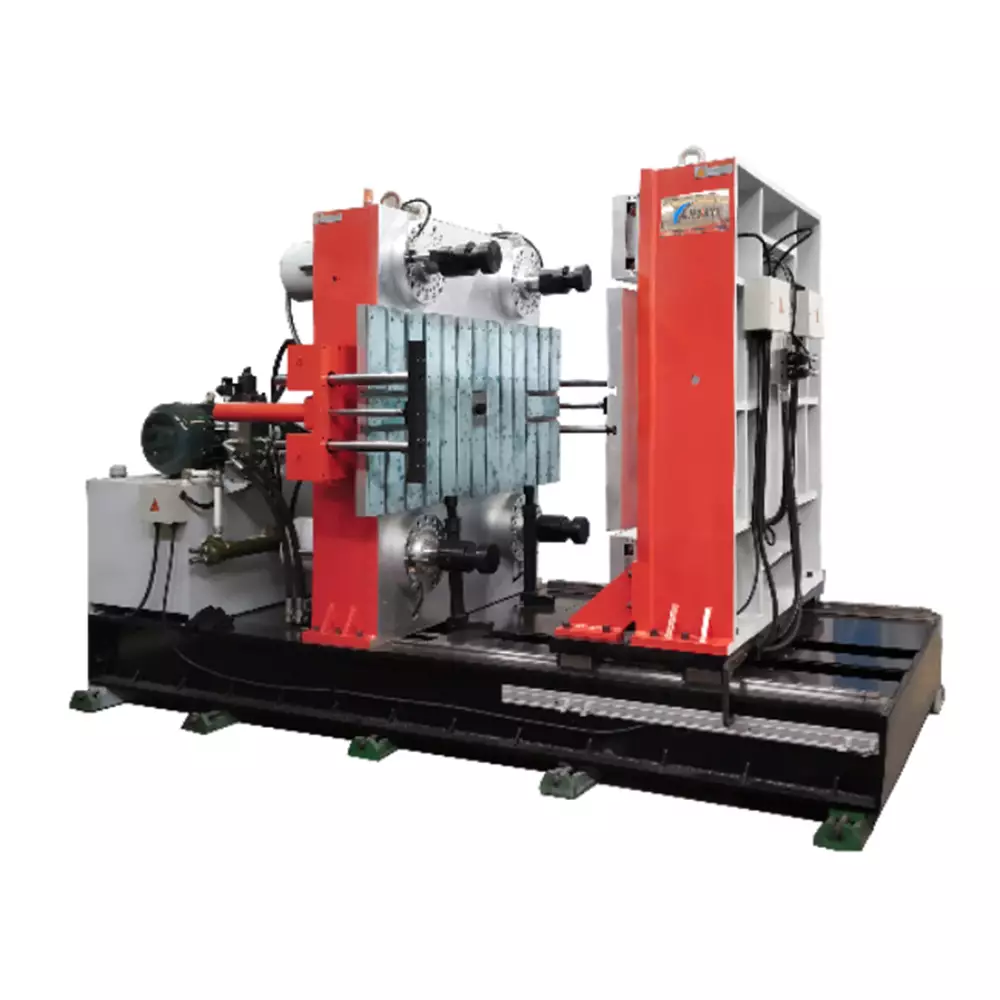
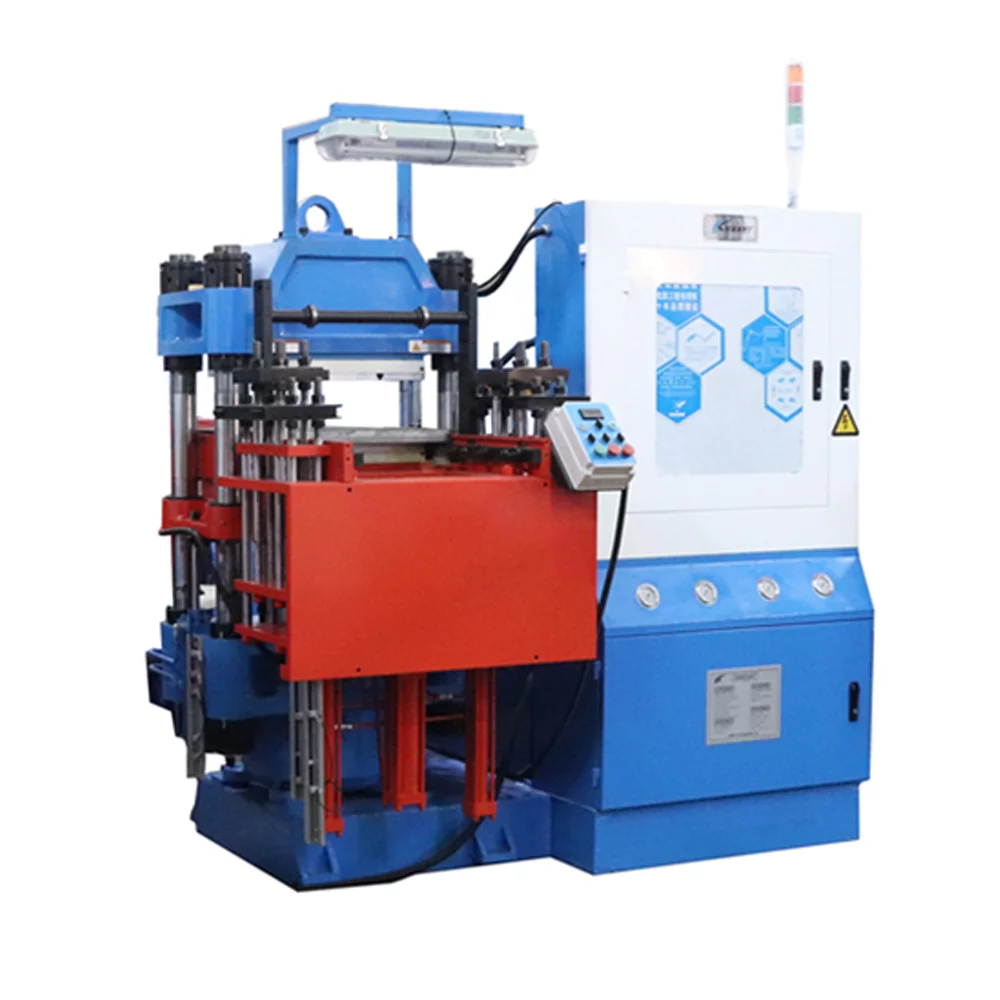
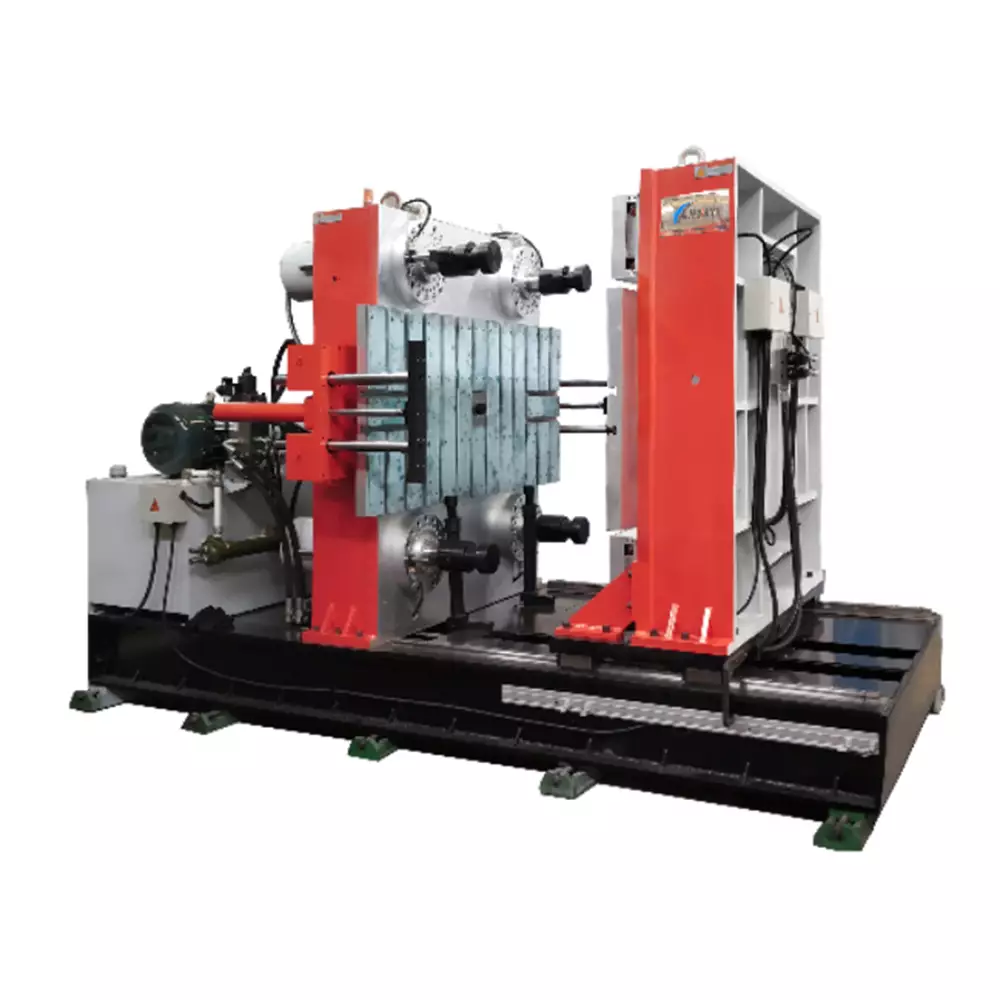
Automation in rubber vulcanization is not determined by one electrical component. It depends on how the control system coordinates temperature, hydraulic movement, cycle timing, production data and related equipment. For manufacturers, a suitable rubber vulcanizing machine should therefore provide control functions that match the actual production process.
Connecting the Main Machine Functions
A vulcanizing cycle involves several operations that need to work in sequence. The control system can coordinate mould closing, pressure application, heating, curing time and mould opening according to preset parameters.
This reduces the need for operators to adjust each stage manually. It also gives production teams a clearer way to manage repeated cycles. When the same product is manufactured over many batches, saved parameters can help maintain a consistent operating method.
For us, automation is most useful when the control system connects these individual operations into one manageable process rather than treating them as separate functions.
Temperature Data Within the Vulcanization Cycle
Temperature control is an important part of rubber vulcanization because curing conditions directly affect the finished product. A control system needs to receive information from temperature sensors and allow operators to monitor the heating process.
Our technical information describes a B&R control system that supports automatic data adjustment and storage. Production information can also be monitored and tracked in real time. This gives technical teams a record of operating conditions that can be reviewed when production issues occur.
For a rubber vulcanizing press, these functions can make temperature management more organised during repeated production.
Hydraulic Control and Machine Movement
Automation also depends on stable hydraulic movement. The hydraulic system controls actions such as mould closing, clamping and pressure holding. If these movements are not properly coordinated, the operator may need to make frequent adjustments during the cycle.
Our rubber belt track vulcanizing equipment uses hydraulic control that can adjust pump flow across different operating actions. The available flow adjustment range is from 0% to 100%, allowing the machine to respond to different stages of operation.
This type of control can be useful when the production process contains several hydraulic movements that need different operating conditions.
Storing Parameters for Repeated Production
A control system becomes more practical when production parameters can be recorded and reused. Operators may need different temperature, pressure and cycle settings for different moulds or rubber products.
Instead of entering the same information manually each time, stored parameters provide a reference for repeated production. They can also help technical teams compare actual production conditions with previous batches.
This is particularly relevant for manufacturers running several product specifications. A rubber vulcanizing machine with suitable data management can make parameter handling easier and reduce unnecessary manual adjustments.
Linking the Press With Production Equipment
A higher level of automation can extend beyond the press itself. Our rubber track production solution is designed around several connected stages, including an iron core winding machine, rubber track preforming machine, vulcanizing presses and an automatic trolley car. One automatic group includes at least two vulcanizing presses and one trolley car.
In this arrangement, the rubber vulcanizing press becomes part of a wider production sequence. Material loading and steel belt tensioning can be automated, while track removal is described as semi-automatic on the official product information.
This approach allows manufacturers to consider automation at line level instead of evaluating the press as an isolated machine.
Making Production Data Useful
Data collection has practical value when it supports daily production management. Recorded operating information can help technicians review cycle conditions, identify changes and investigate process deviations.
For example, if a batch shows different curing results from previous production, stored temperature and operating data can provide useful information for checking the process. Real-time monitoring also gives operators a clearer view of machine status during production.
Our control approach therefore focuses not only on operating the machine, but also on making production information available for technical review.
Choosing Control Functions for the Application
Automation requirements vary between rubber products, mould designs and production volumes. A machine used for occasional production may require a different control configuration from a line running repeated rubber track cycles.
When evaluating equipment, manufacturers should consider whether the control system can manage temperature, hydraulic movement, cycle timing and data storage together. The connection between the press and other production equipment should also be considered where line automation is required.
At HWAYI, we develop rubber processing equipment around these practical production requirements. Our product range includes rubber vulcanizing machines, rubber track Molding equipment, rubber injection Molding machines and other customised solutions.
A suitable control system should support the way the machine is actually used. For manufacturers, the goal is not simply to add more automation functions, but to create a control structure that makes production easier to manage, repeat and monitor. Our approach at HWAYI is to connect machine operation, process parameters and production requirements within one practical equipment solution.