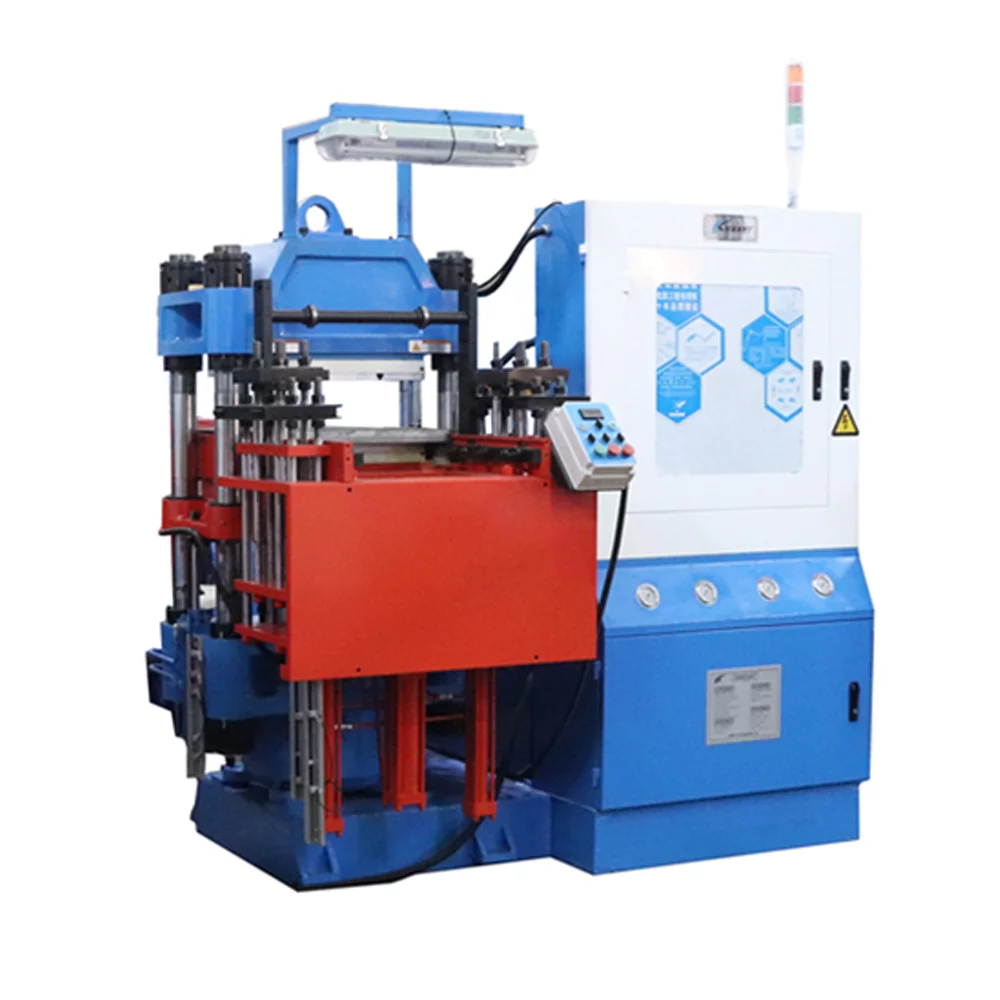
Liquid silicone rubber processing begins before the material reaches the mould. The two liquid components must be supplied, measured and mixed before injection. Because of this, the dosing system can influence the conditions under which the Molding process starts.
We look at dosing as part of the complete material route. Pumping, mixing, injection and mould clamping all have a connection with the final product. A suitable system should therefore be considered according to the material, mould and production process rather than as an independent machine.
The Material Balance Comes First
An LSR molding machine relies on a consistent supply of liquid silicone rubber. The two components need to be delivered according to the formulation required for the application.
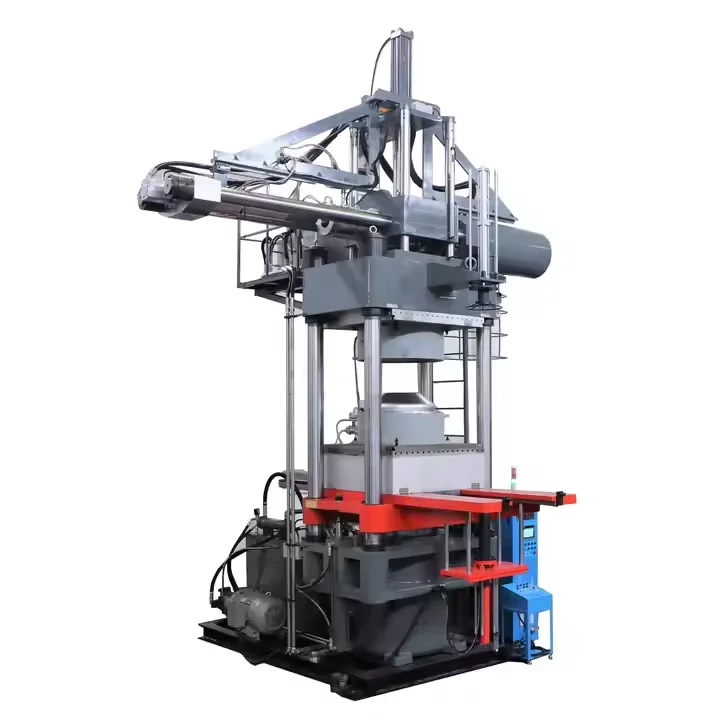
Our LSR product range includes dosing equipment, pump machines and injection Molding equipment. We can also combine an LSR clamping machine, pump machine, metering machine and mould as a turnkey project, according to the product information on our official website.
This arrangement allows us to consider material preparation together with the later injection stage. It also gives us a clearer basis for matching equipment to a particular product.
Mixing Is Part of the Process, Not a Separate Step
Once the components have been measured, they need to be mixed before injection. The purpose is to create a consistent material flow for the next stage of production.
Our LSR solutions include dosing and pumping equipment for liquid silicone applications. The official product information for our LSR Insulators Molding Machine describes a system combining an LSR clamping machine, LSR pump machine and dosing unit.
This equipment is used for liquid silicone products such as hollow core insulators, arresters and high-voltage cable joint bodies. These applications show why material preparation needs to be considered together with mould design and production requirements.
Material Flow Sets the Starting Conditions for Injection
The dosing system supplies material to the injection unit, so fluctuations in delivery can affect the conditions under which injection takes place. The relationship becomes more important when product geometry or mould structure requires controlled filling.
Our LSR injection equipment uses closed-loop injection control. According to our official product information, different pressure and speed settings can be used with multiple moulds.
We can therefore adjust the injection process according to the mould while maintaining the dosing and pumping system as part of the same production route. The exact settings still depend on the material, mould and finished product.
A Stable Feed Helps Reduce Process Variation
When material supply changes from one cycle to another, the Molding conditions can also change. Depending on the application, this may contribute to differences in filling behaviour, dimensions or curing.
For this reason, we pay attention to the complete path from material storage to the mould. The dosing unit, pump, mixing section and injection system need to be matched with the required material volume and production conditions.
Rather than assessing dosing equipment only by its individual specifications, we consider how it operates within the complete LSR system.
The Injection Unit Has to Match the Material System
Dosing and injection perform different functions, but they cannot be separated during system planning. The dosing equipment prepares and delivers the material, while the injection unit introduces it into the mould under controlled conditions.
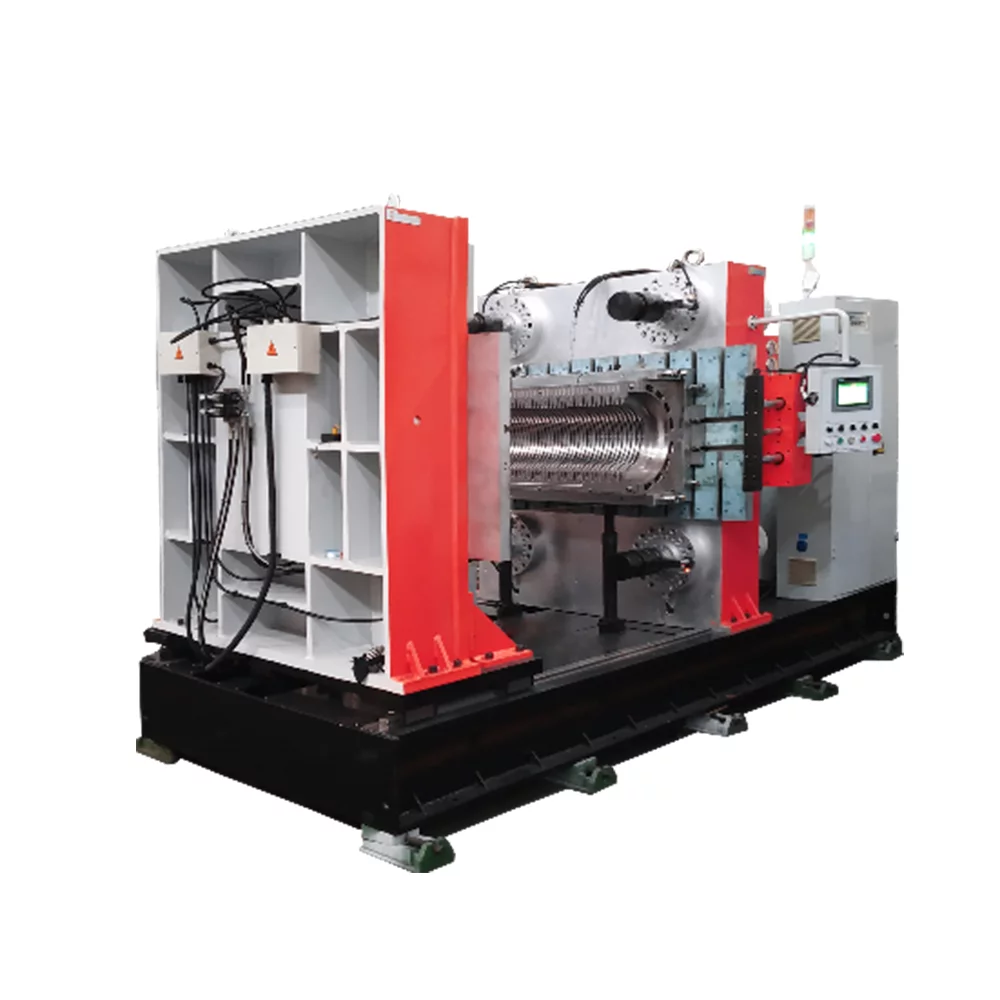
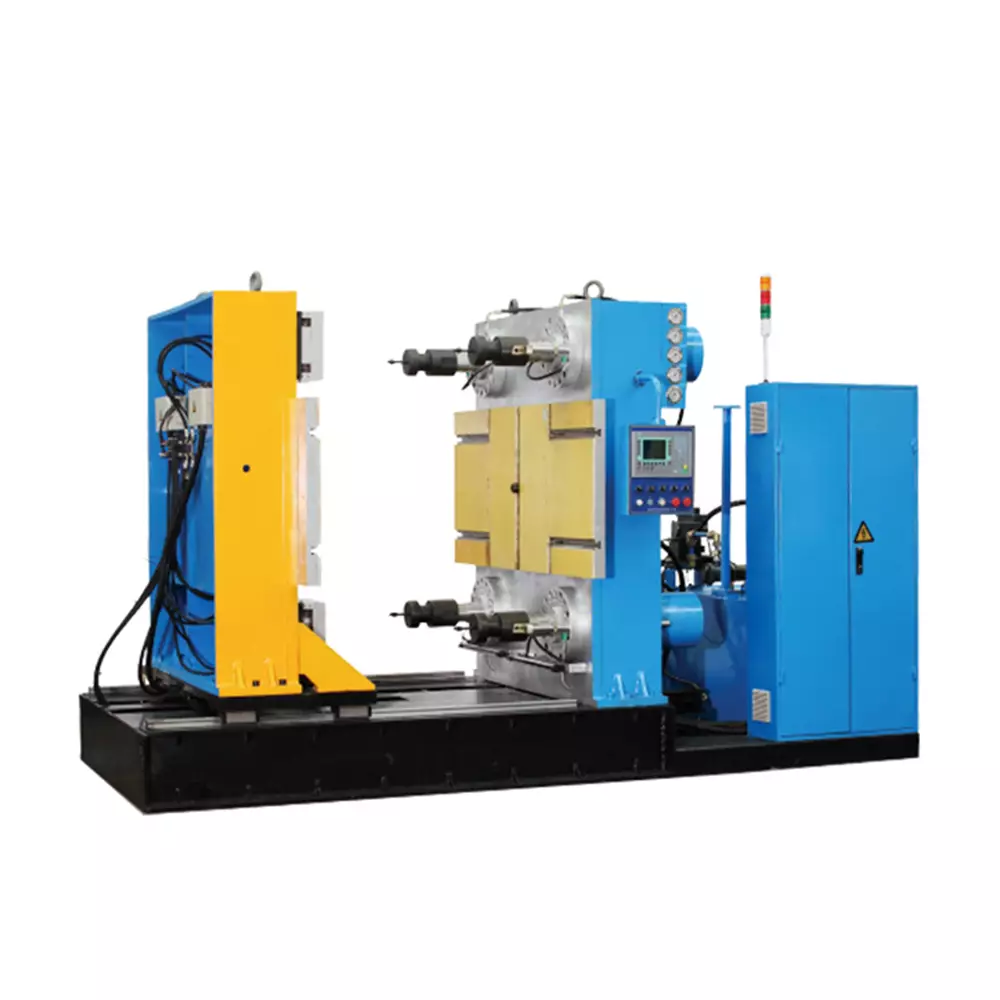
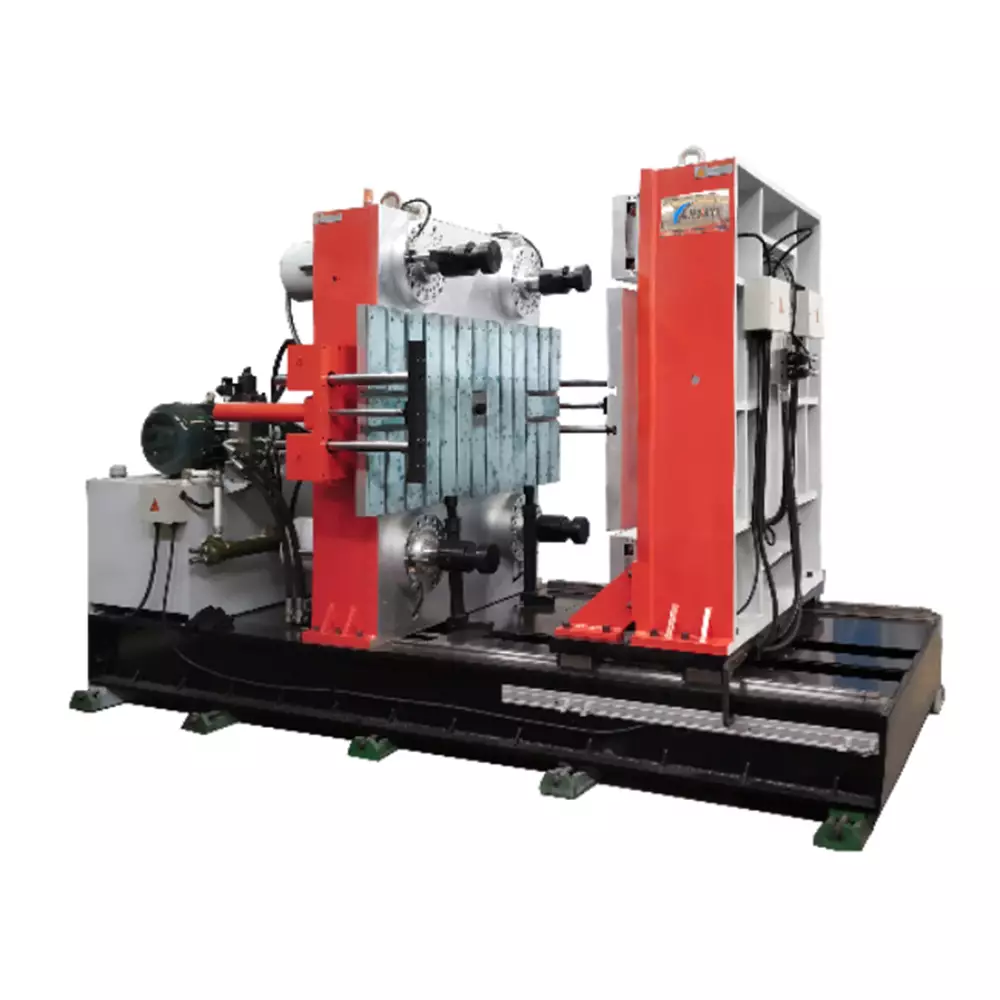
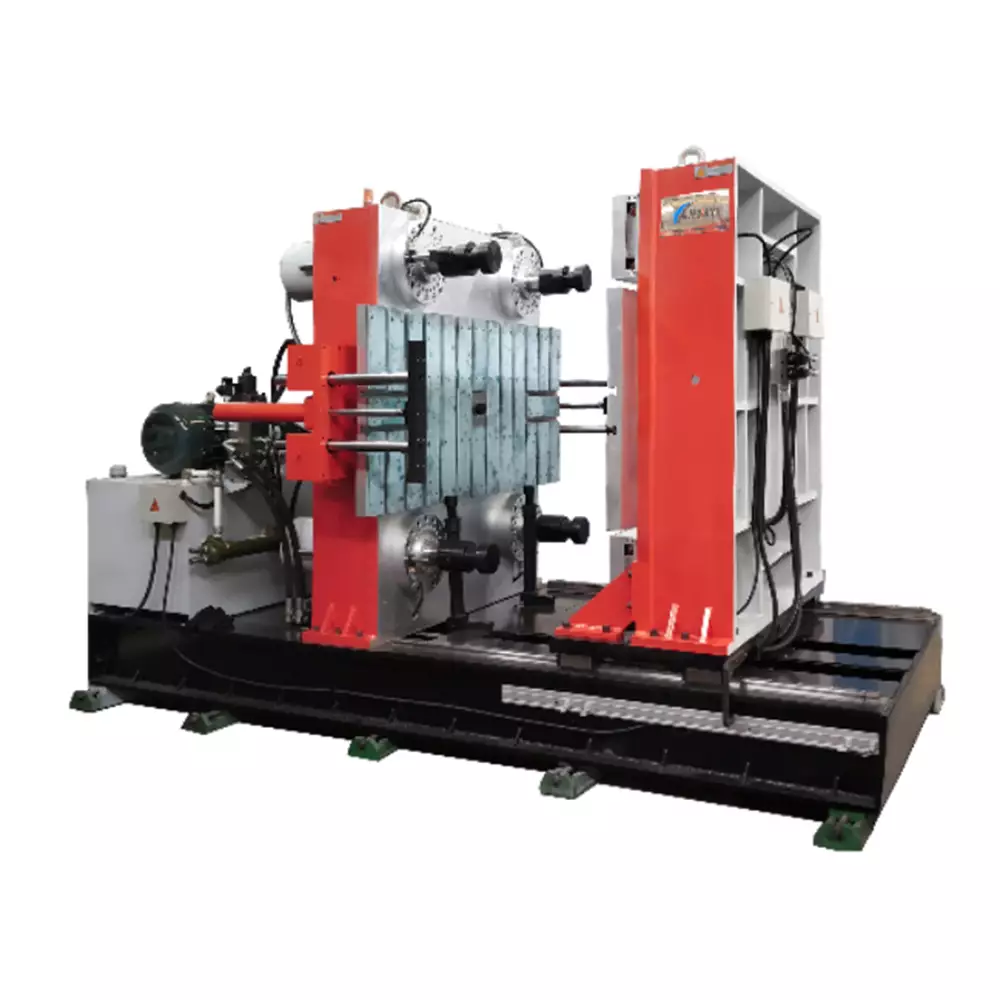
Our LSR injection Molding machine uses a horizontal clamping structure in the F Series. The official product information states that it adopts a tiebar-less structure, leaving upper space for mould loading and installation.
The clamping platens slide on guide rails on the machine base. The clamping unit and base are designed to support stability and parallelism, providing the mechanical conditions needed during Molding.
Product Requirements Shape the Dosing Configuration
There is no single dosing arrangement that suits every LSR application. We first review the material, product dimensions, mould structure, shot volume and expected production output.
Factory conditions also enter the discussion. Mould installation and material supply should fit the available working space. Our tiebar-less LSR structure provides upper space for mould loading by crane or forklift. Suitable moulds can also accommodate FRP tubes loaded with cranes and lifters where required.
These practical details can influence how the dosing and Molding equipment should be arranged.
Our Approach to LSR Material Preparation
At HWAYI, we provide LSR clamping machines, pump machines, dosing equipment and injection Molding systems. According to our official product information, these components can be supplied together for turnkey projects.
We have more than 25 years of experience in rubber machinery and maintain our own R&D and manufacturing capabilities. Our engineering approach is to connect the material system with the Molding equipment according to the customer’s application.
An LSR molding machine is only one part of the production process. Before the material enters the cavity, dosing, mixing and pumping have already established the conditions for injection.
For this reason, we treat material preparation and Molding as connected stages. When the dosing system is matched with the injection unit, mould and product requirements, manufacturers have a clearer basis for maintaining consistent processing conditions from one production cycle to the next.