Rubber manufacturers often face production problems that are not caused by the material alone. Mold stability, inconsistent filling, manual handling, cycle repeatability, and automation can all affect the final result. When these issues appear repeatedly, the machine structure itself deserves attention.
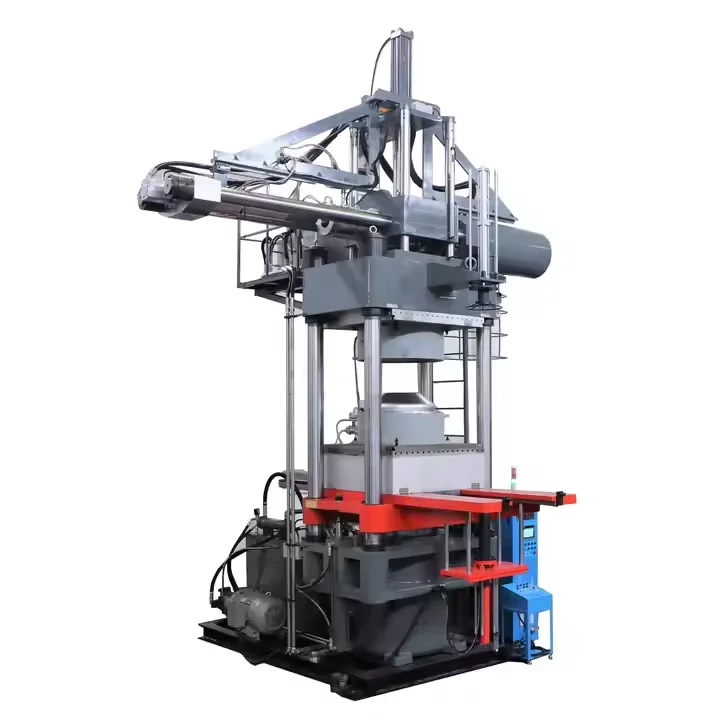
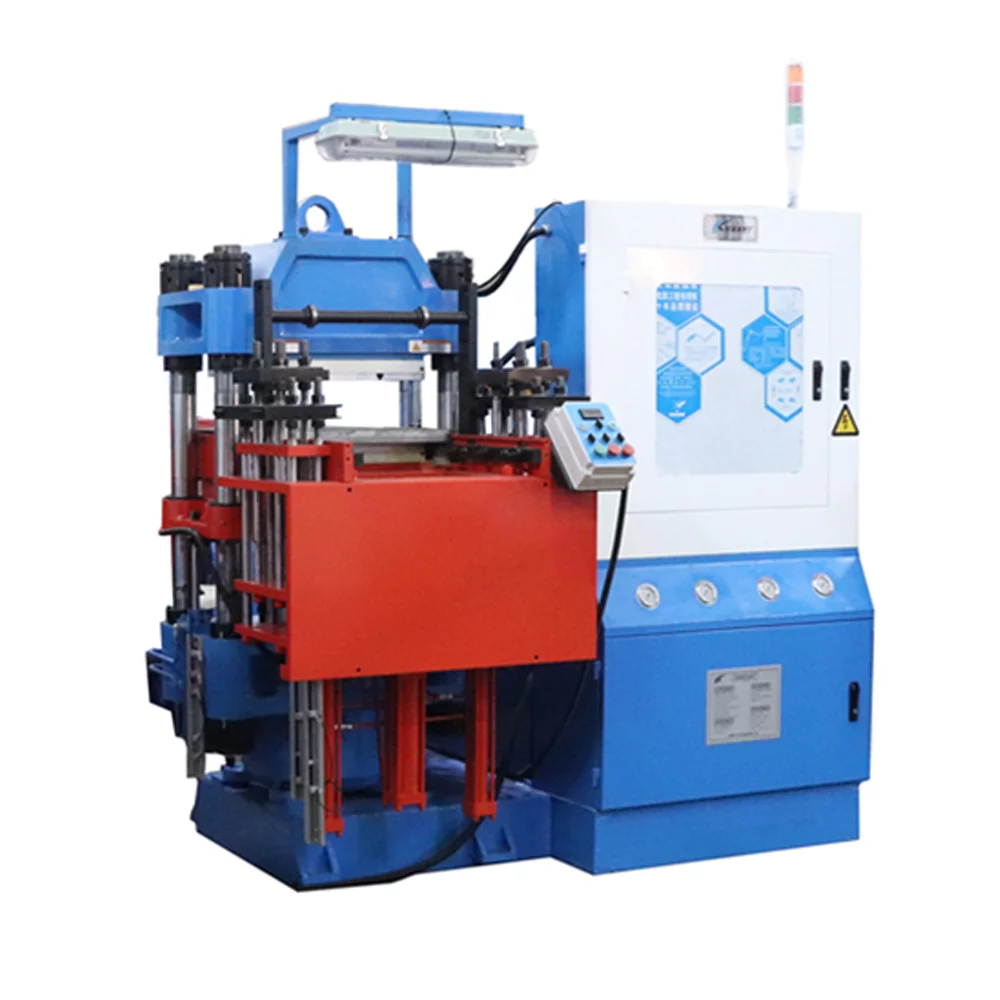
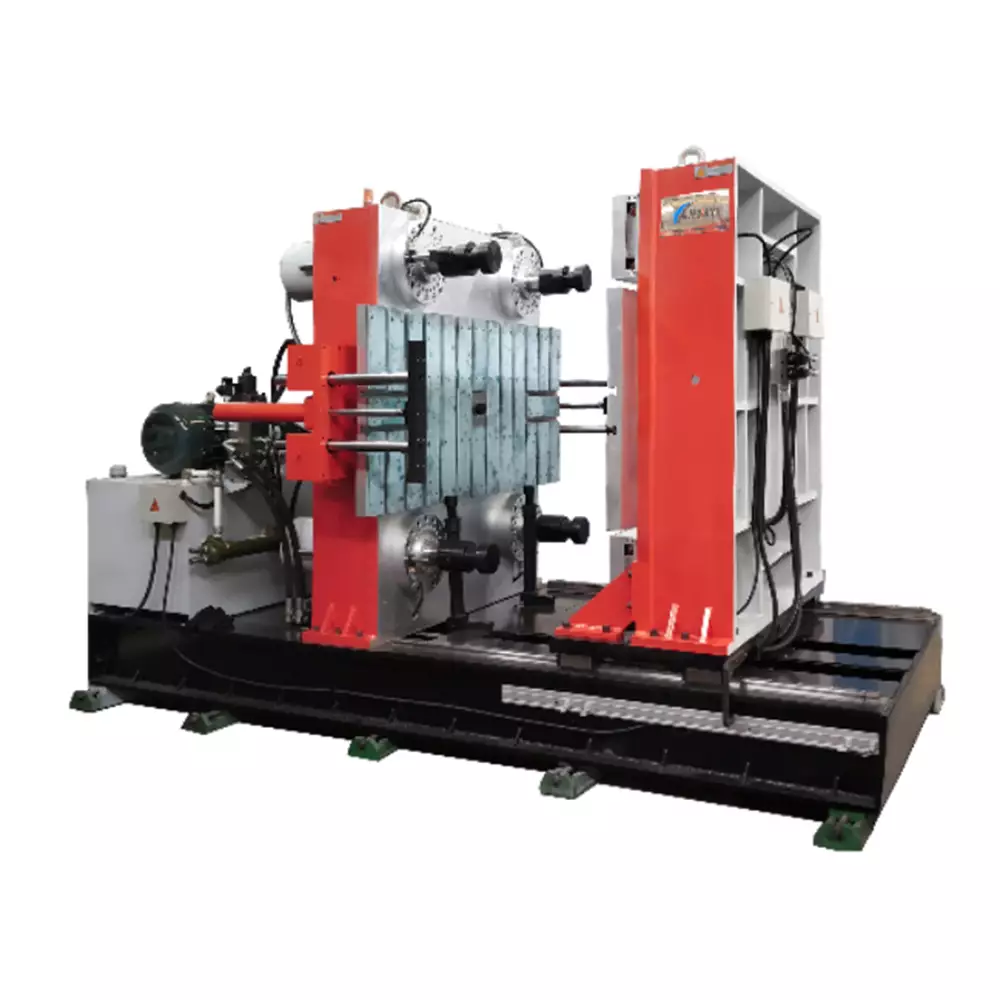
At HWAYI, we develop rubber processing equipment around the actual requirements of industrial production. Our horizontal rubber injection molding machine is designed to address several production challenges through a horizontal clamping structure, controlled injection process, and equipment layout that supports practical mold handling.
How Does a Horizontal Rubber Injection Molding Machine Improve Mold Stability?
Mold stability is important when manufacturers need consistent dimensions across repeated production cycles. During injection, the mold must remain properly aligned while the material enters the cavity under pressure. Unstable clamping conditions can contribute to dimensional variation, flash, and other quality concerns.
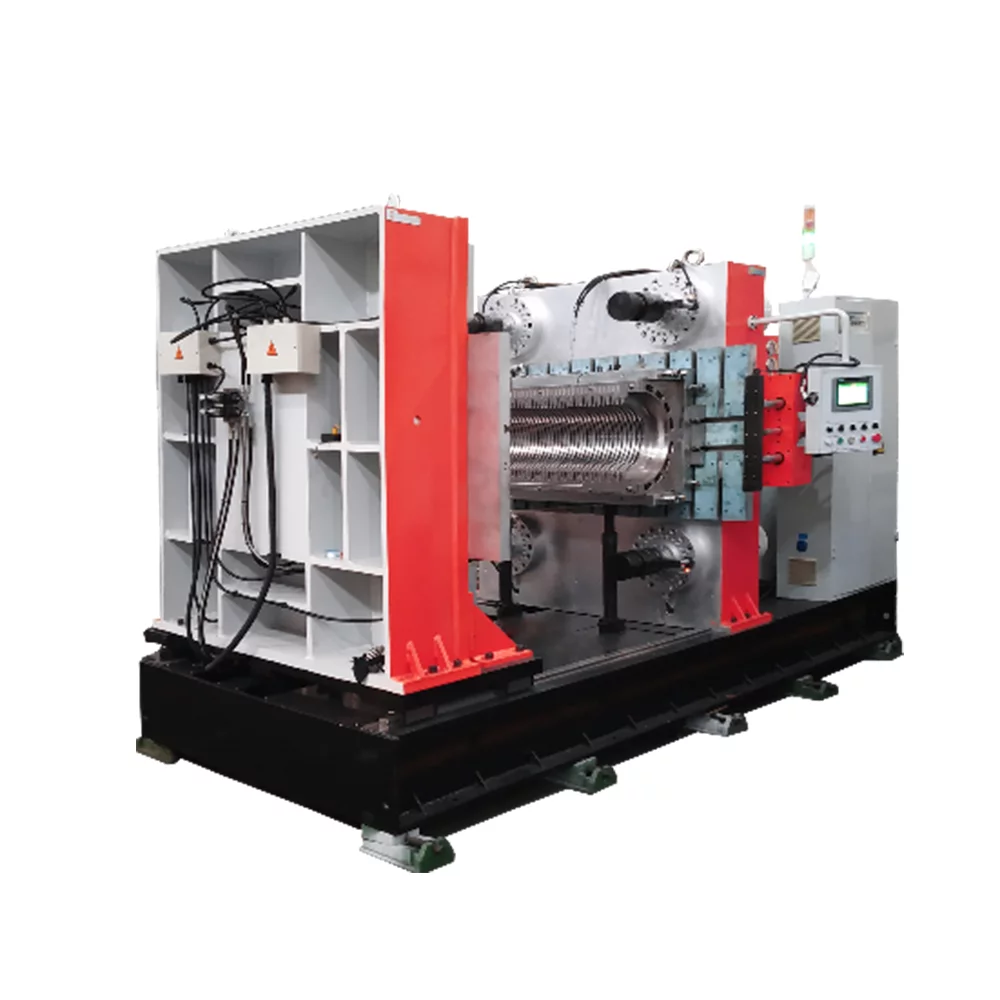
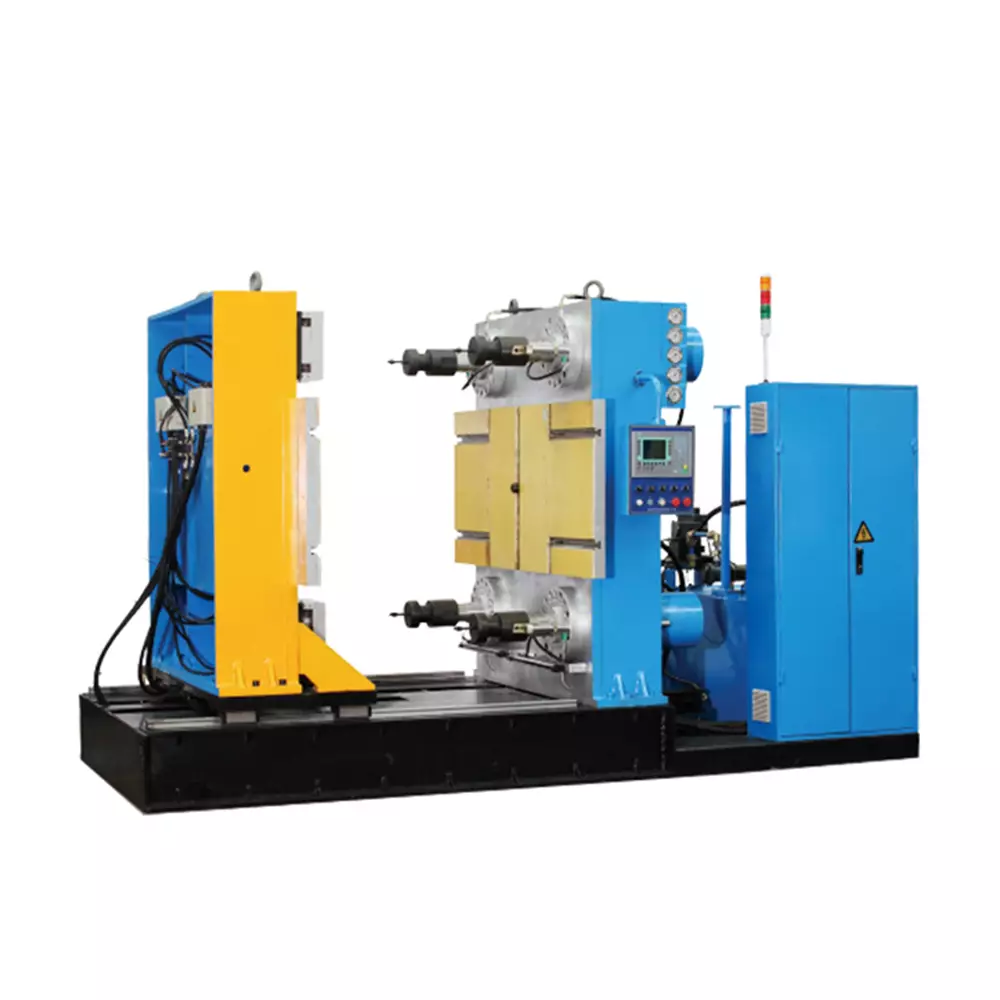
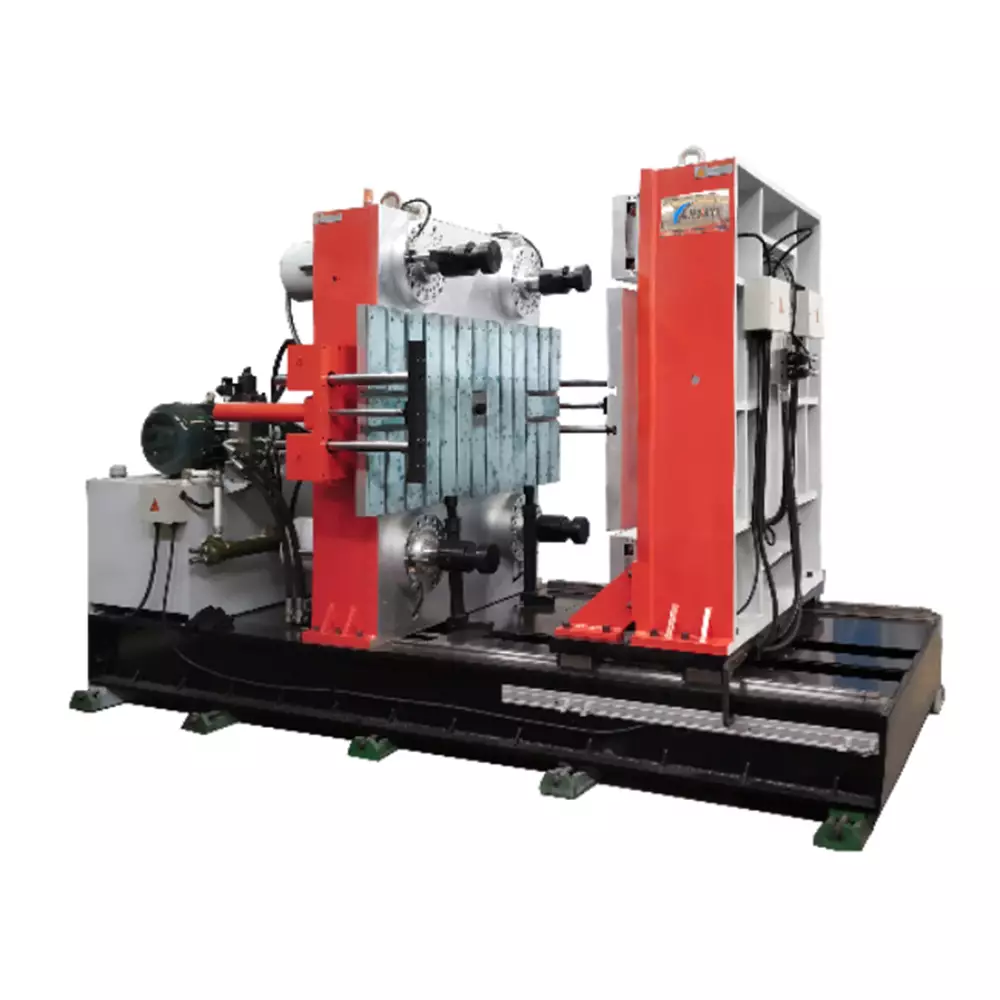
Our horizontal clamping machines use a stable machine base and guiding structure to support mold movement. The F Series horizontal clamping machine is designed with clamping platens that slide on guide rails, helping maintain controlled mold movement during opening and closing. This structure also provides a practical approach to mold installation and operation.
For manufacturers producing rubber seals, O-rings, gaskets, electrical components, or silicone products, stable mold movement can make process control easier. Instead of treating dimensional variation as a separate quality problem, we consider machine structure as part of the production solution.
Can Horizontal Injection Molding Machines Reduce Manual Handling?
Manual mold handling can become a production bottleneck when molds are large, heavy, or frequently changed. Operators may need additional time and equipment to position the mold correctly, particularly when production involves different tooling configurations.
Our horizontal injection molding machine uses a tie-bar-less structure with open upper space, making it more convenient to load and install molds with a crane or forklift. This layout can also provide additional flexibility when handling larger tooling or components during setup.
This does not mean every production line requires the same level of automation. Instead, we focus on giving manufacturers a machine structure that can fit their existing handling process and leave room for future production changes.
How Does Horizontal Injection Molding Support More Consistent Production?
In rubber injection molding, consistent material delivery is closely connected with product quality. Variations in injection pressure, speed, or material flow can affect cavity filling and the final dimensions of molded parts.
Our horizontal systems use closed-loop injection control to manage the injection process. According to our product information, different molds can be supported with different pressure and speed settings, allowing production parameters to be adjusted according to specific molding requirements.
This flexibility is useful for manufacturers producing several types of rubber or silicone components. A suitable process configuration can help reduce unnecessary adjustments between production runs while giving operators more control over the molding cycle.
Can a Horizontal Machine Help With Automation?
Automation becomes increasingly relevant when a factory handles repetitive molding cycles or needs to connect molding equipment with material handling systems. Machine layout can influence how easily robots, conveyors, or other equipment are integrated into the production process.
A horizontal clamping arrangement provides a clear production orientation that can support automated mold opening, part handling, and material transfer. Our horizontal injection molding machine is therefore suitable for production environments where manufacturers are considering a more integrated workflow.
The exact automation configuration depends on the product, mold, cycle requirements, and factory layout. We work with customers to assess these factors rather than applying one fixed configuration to every project.
What Production Applications Can Horizontal Machines Handle?
Production requirements vary significantly between industries. Automotive manufacturers may need rubber seals, O-rings, gaskets, bushings, and vibration-related components. Electrical manufacturers may require insulation parts and connectors. Silicone processors may have different requirements for LSR products.
Our horizontal clamping equipment is designed for rubber and silicone applications across industrial, automotive, electrical, and silicone product manufacturing. The official product information also identifies applications such as industrial rubber components, automotive rubber parts, electrical insulation products, and LSR products.
This range means that machine selection should begin with the actual product and process. Material characteristics, mold dimensions, required clamping force, injection requirements, and production volume should all be evaluated before selecting equipment.
How Do We Match the Machine to a Production Problem?
At HWAYI, we do not treat a molding machine as an isolated piece of equipment. We look at the complete production requirement, including the material, mold, product structure, handling method, and expected production workflow.
Our experience covers rubber injection molding, rubber vulcanizing equipment, LSR molding equipment, rubber track machinery, and customer-built machines. With more than 25 years of industry experience, we can provide technical support for customers who need to evaluate equipment around a specific manufacturing challenge.
A horizontal rubber injection molding machine can address practical issues related to mold stability, handling, process control, and automation. However, the suitable configuration depends on each customer’s product and production conditions. By analysing these requirements first, we can help manufacturers select equipment that fits their actual workflow rather than choosing a machine based only on its general category.