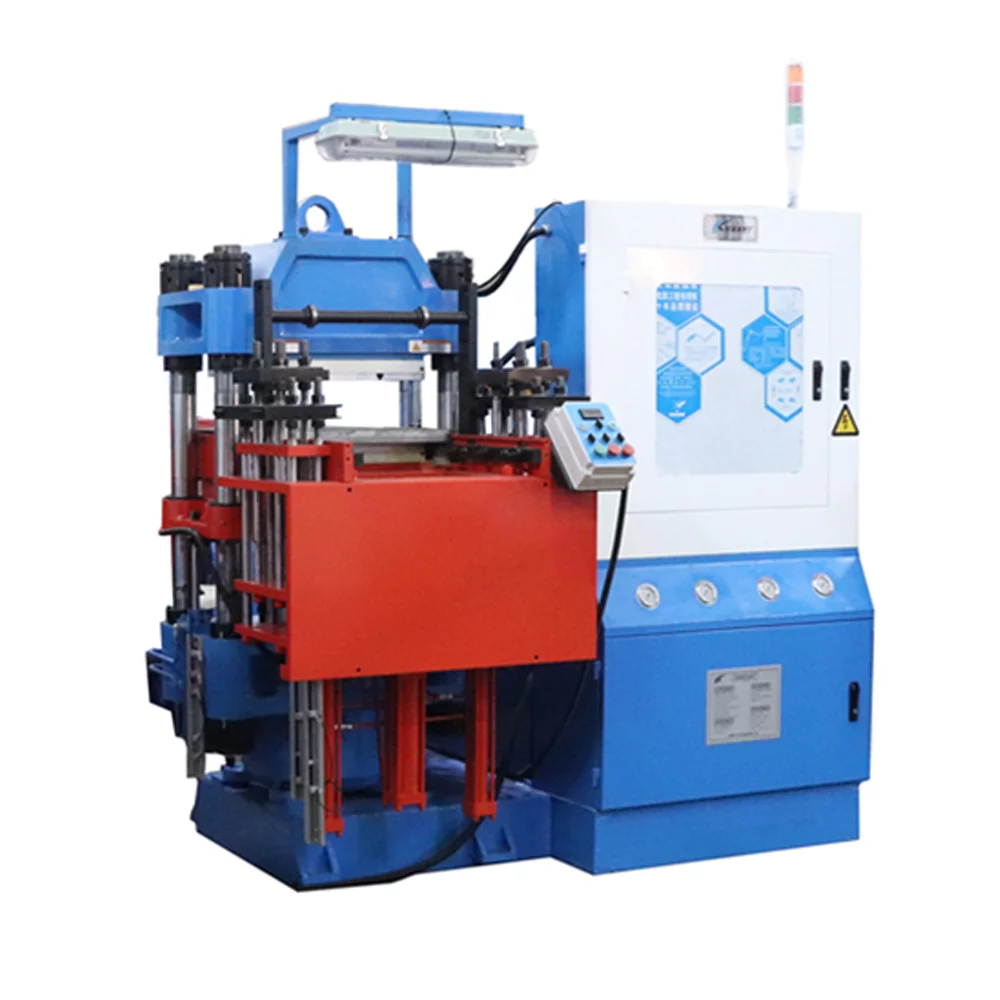
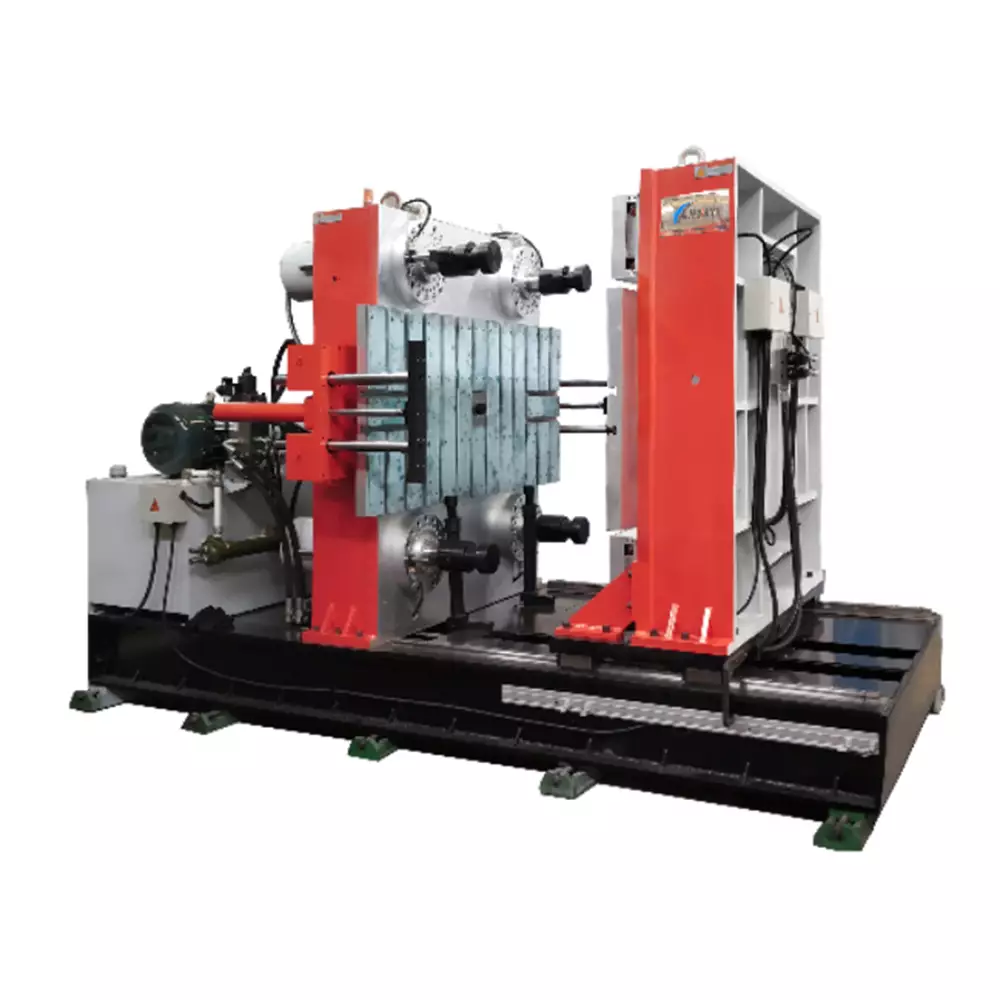
Hydraulic stability affects how consistently a mould opens, closes and maintains pressure during production. When selecting a horizontal rubber injection molding machine, manufacturers should evaluate the hydraulic system together with the clamping unit, injection control and machine structure. A stable system should provide controlled movement without requiring frequent manual correction.
At HWAYI, we consider hydraulic performance as part of the complete machine configuration. Our approach is to match hydraulic control with the mould, material and production cycle.
Clamping Movement and Mechanical Guidance
The clamping unit performs repeated opening and closing movements during each Molding cycle. Hydraulic power needs to be delivered smoothly so that the moving platen can reach the required position without unnecessary vibration or pressure changes.
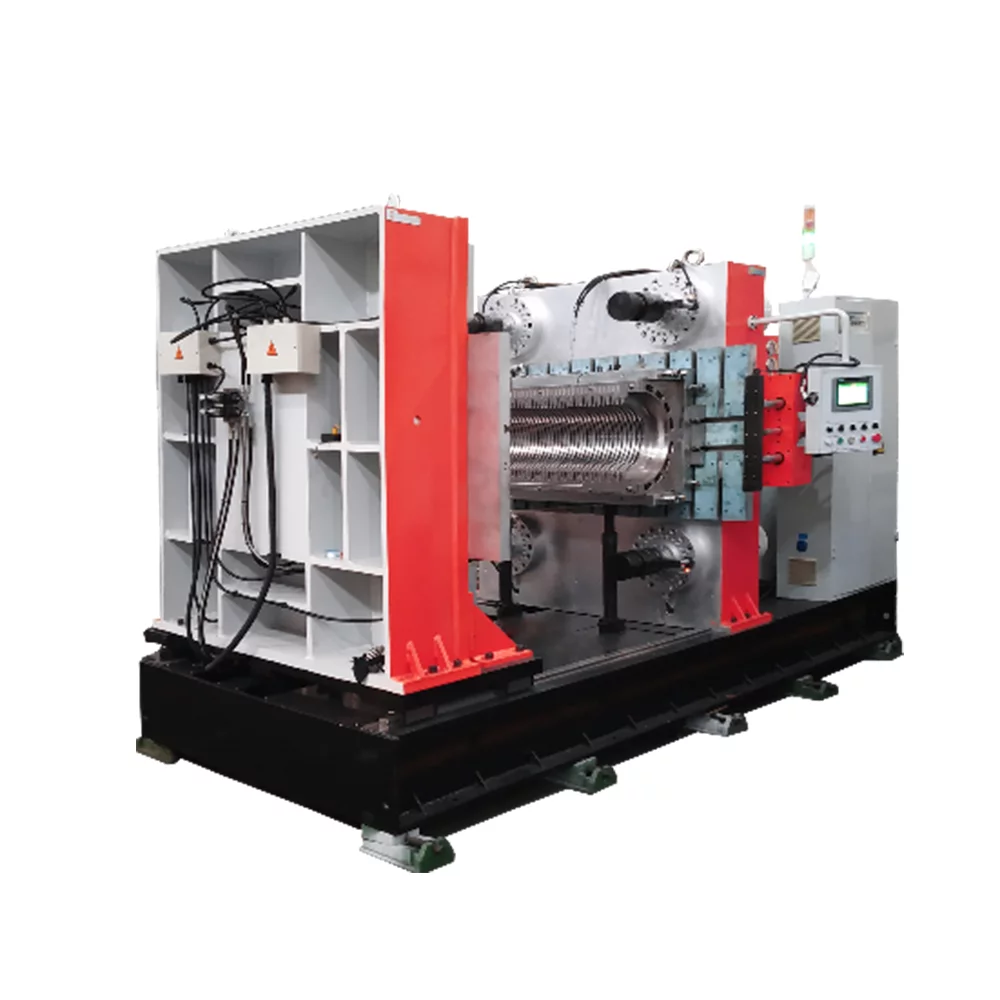
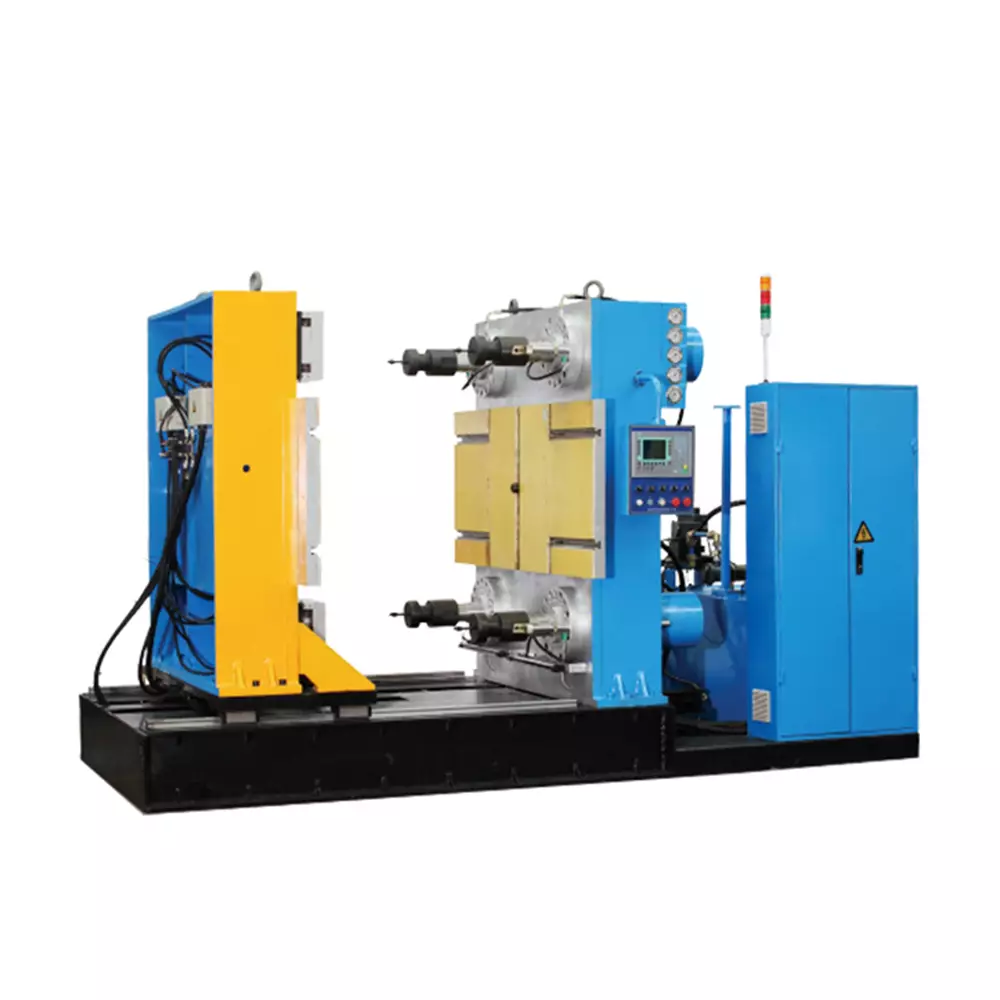
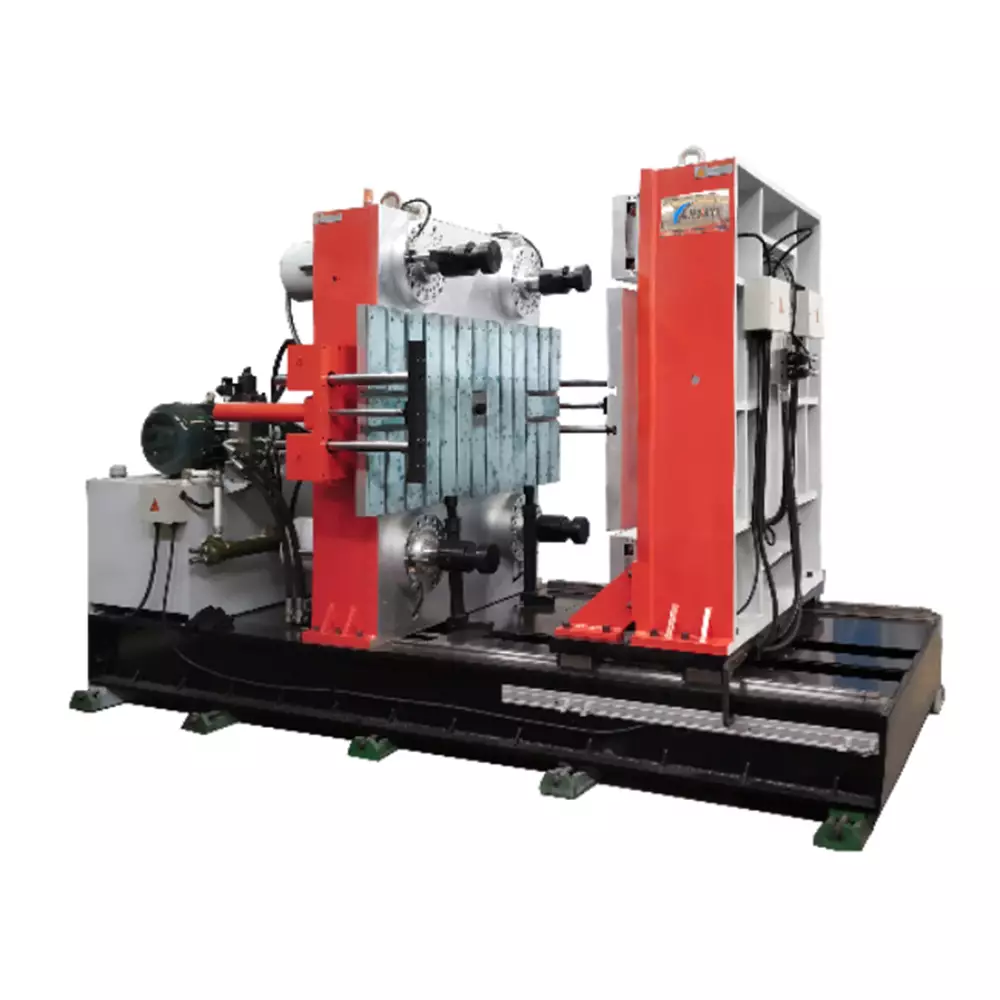
Mechanical guidance also affects this movement. Our F Series uses a horizontal clamping structure with guide rails installed on the machine base. The clamping unit and machine base are designed to support stable movement and platen parallelism.
For manufacturers evaluating horizontal injection molding equipment, this connection between hydraulic movement and mechanical guidance is worth checking. Hydraulic performance should not be considered separately from the structure that transfers the force.
Pressure Control During Injection
Injection is another important stage for hydraulic evaluation. Rubber and silicone materials need controlled filling conditions, while different mould designs may require different pressure and speed settings.
Our horizontal machines use closed-loop injection control. This allows the injection process to be managed through defined pressure and speed parameters rather than relying only on manual adjustment.
A horizontal rubber injection molding machine should therefore be assessed according to how well its hydraulic and control systems respond during injection. Stable pressure control can make repeated production easier to manage, especially when the same components are produced over many cycles.
Matching Clamping Force With Production Requirements
Hydraulic stability is closely related to clamping force. During injection, the mould must remain closed while material fills the cavities. The required force depends on factors such as mould size, projected area, material behaviour and injection conditions.
If the clamping force is not properly matched to the application, manufacturers may encounter flash, dimensional changes or unnecessary stress on the mould.
Our F Series clamping structure is designed to maintain the position of the mould during operation. The hydraulic system and mechanical structure work together to support the required clamping process.
This is one reason we recommend evaluating the complete horizontal injection molding configuration instead of comparing hydraulic specifications alone.
Servo-Driven Hydraulic Operation
The hydraulic system may operate under different loads throughout a production cycle. Mould opening, closing, clamping and injection do not necessarily require the same level of hydraulic output.
Our F Series machines use servo-driven hydraulic systems. This configuration allows hydraulic operation to respond to production requirements while also considering energy use.
For buyers, the important point is how the system performs during the actual cycle. A hydraulic configuration should provide the required movement and force while remaining suitable for the machine’s operating pattern.
Monitoring Hydraulic Performance
Control functions can make hydraulic behaviour easier to manage. Operators need access to relevant settings so they can establish repeatable production conditions and identify changes during operation.
At HWAYI, we connect hydraulic functions with machine control rather than treating them as independent systems. Process settings can be established according to the mould and material requirements, while operators can monitor the machine during production.
This can also support troubleshooting. If movement becomes slower or pressure behaviour changes, technical teams can compare the current operating condition with previous settings and investigate possible causes.
Maintenance and Long-Term Hydraulic Stability
Regular maintenance is another part of hydraulic stability. Oil condition, filters, hoses, seals, valves and connections should be checked according to the equipment maintenance plan.
Hydraulic leaks should be addressed promptly because they may affect pressure and machine operation. Unusual noise, slower movement or changes in operating temperature can also indicate that inspection is required.
For production teams, maintenance access is therefore an important consideration when purchasing equipment. A machine that can be inspected and serviced systematically is easier to manage over a longer operating period.
Evaluating the Complete Machine Configuration
Hydraulic requirements vary between applications. Product dimensions, mould design, material characteristics, injection pressure and production volume all influence the appropriate machine configuration.
When comparing equipment, manufacturers should review clamping movement, pressure control, mechanical guidance, servo-hydraulic operation and maintenance requirements together.
At HWAYI, we provide rubber injection molding machines, LSR clamping machines, rubber vulcanizing presses and other rubber processing equipment. We focus on matching machine configuration with the customer’s actual production requirements rather than applying the same setup to every application.
A suitable horizontal injection molding system should provide controlled hydraulic movement, appropriate clamping force and stable injection conditions. Looking at these factors as one system gives manufacturers a more practical basis for equipment selection and production planning.