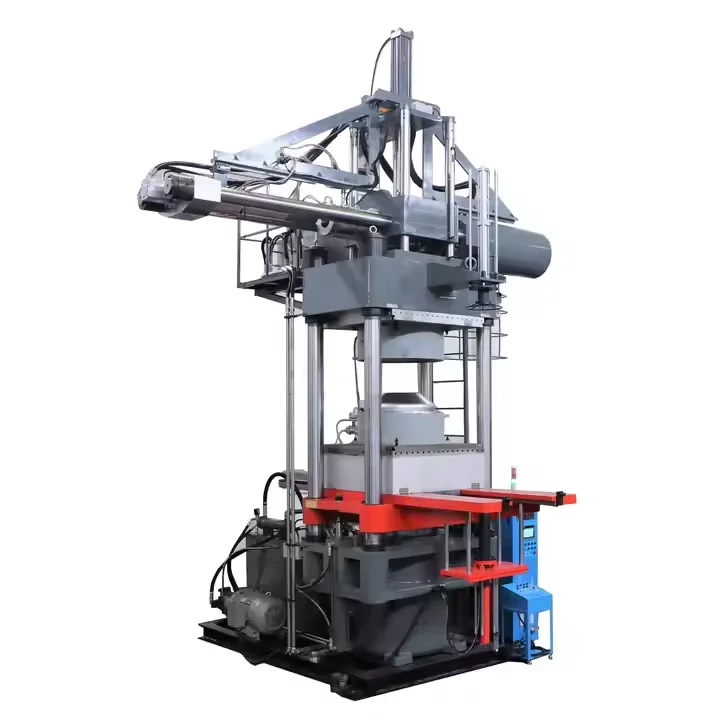
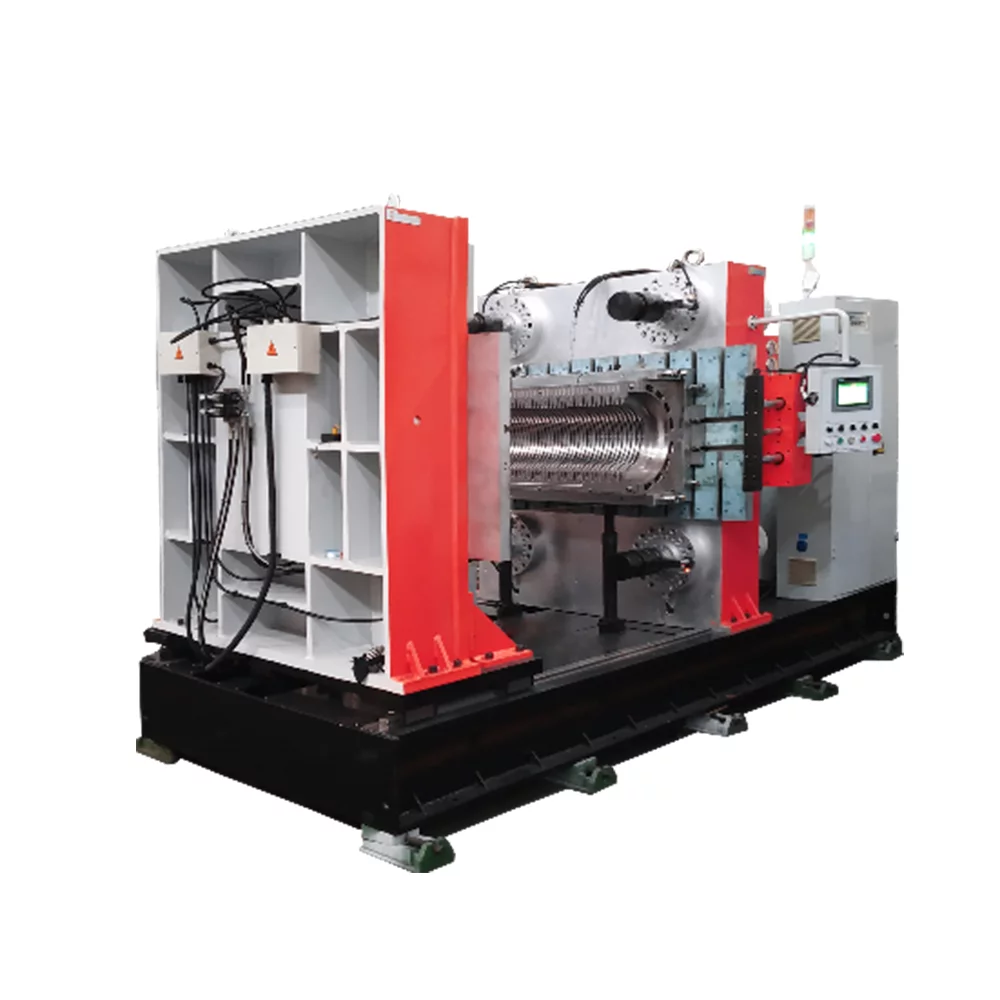
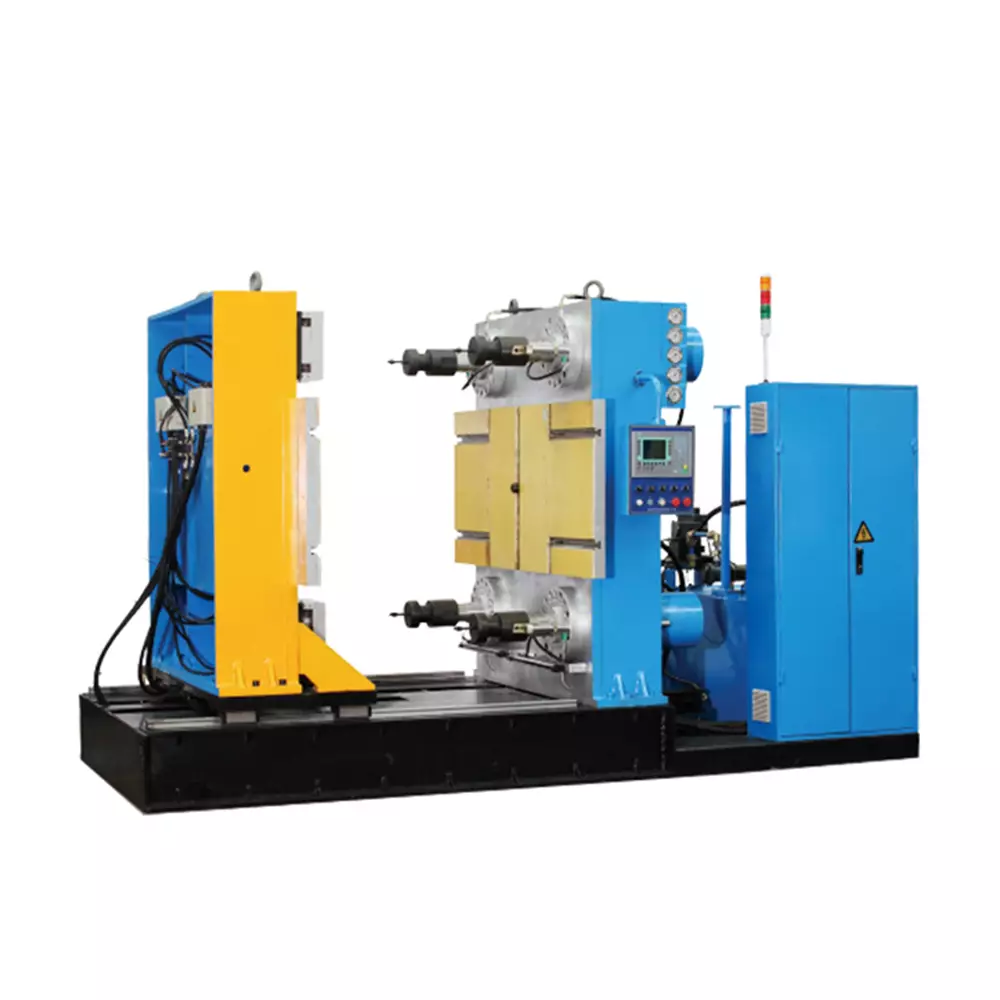
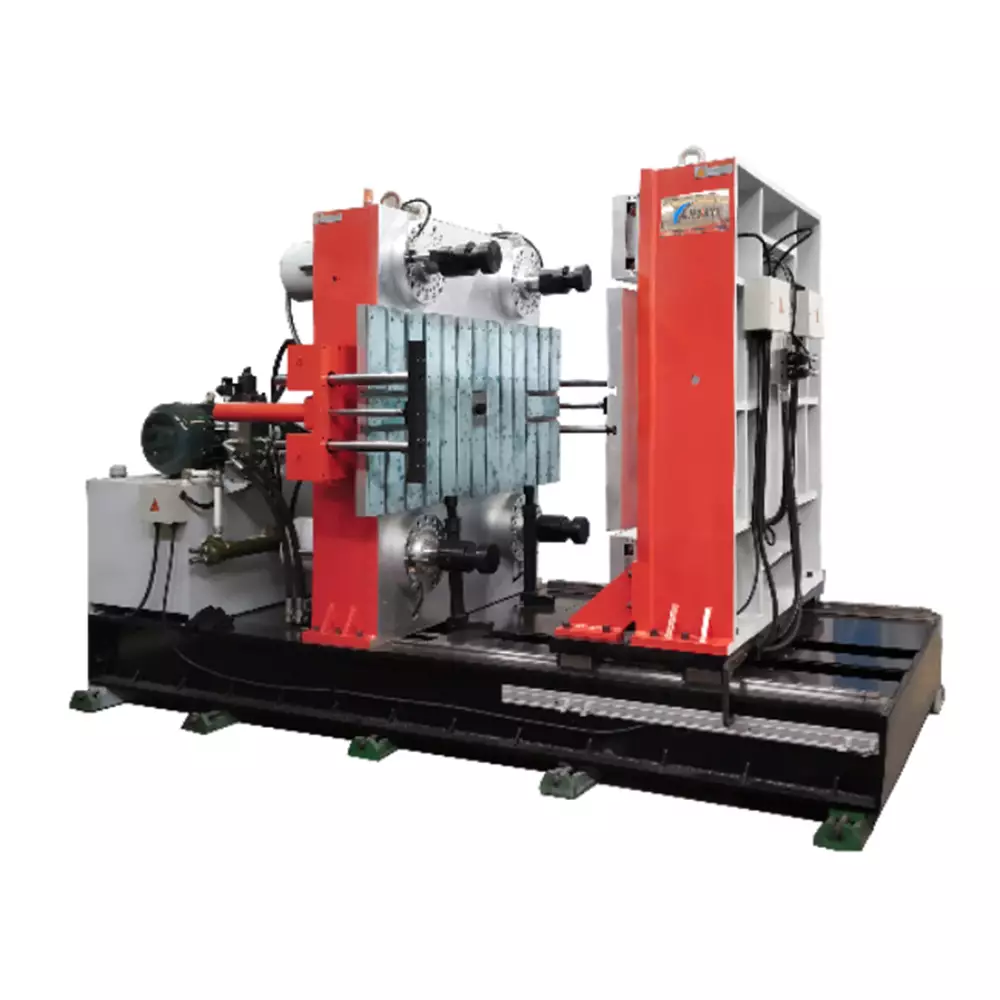
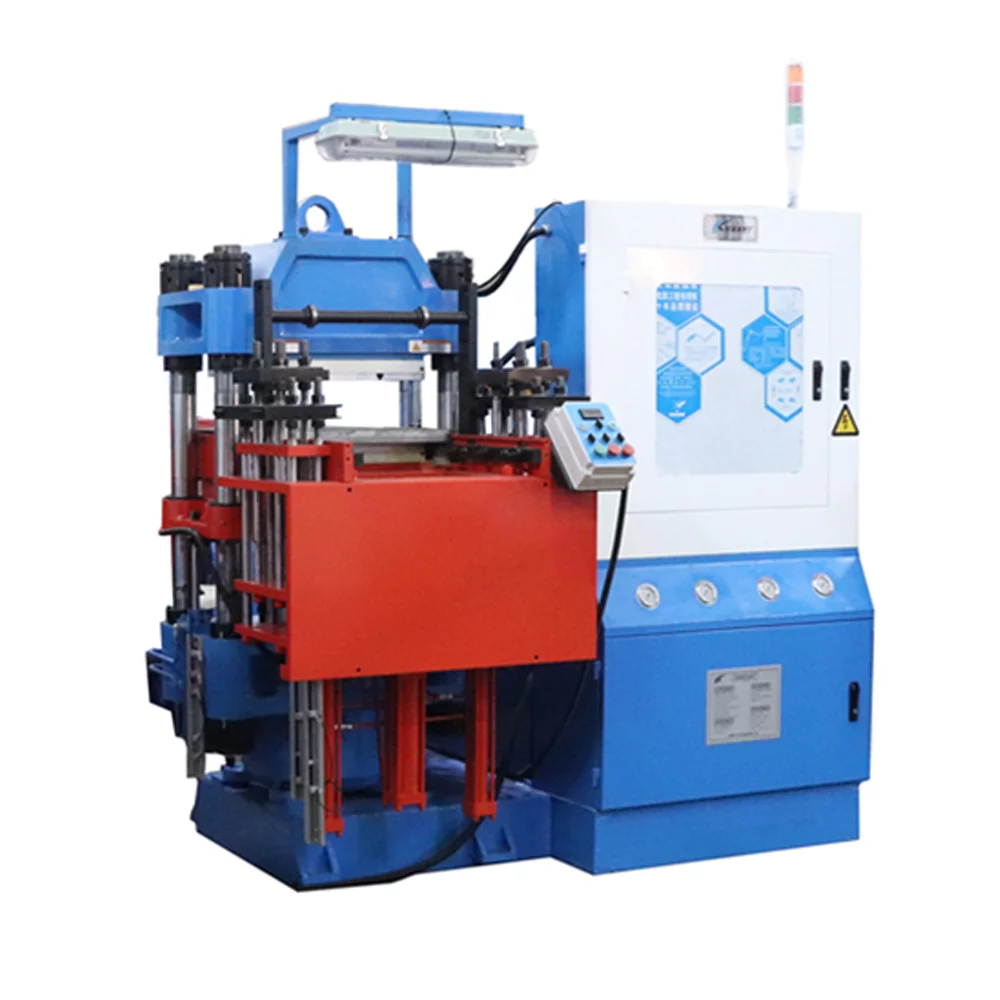
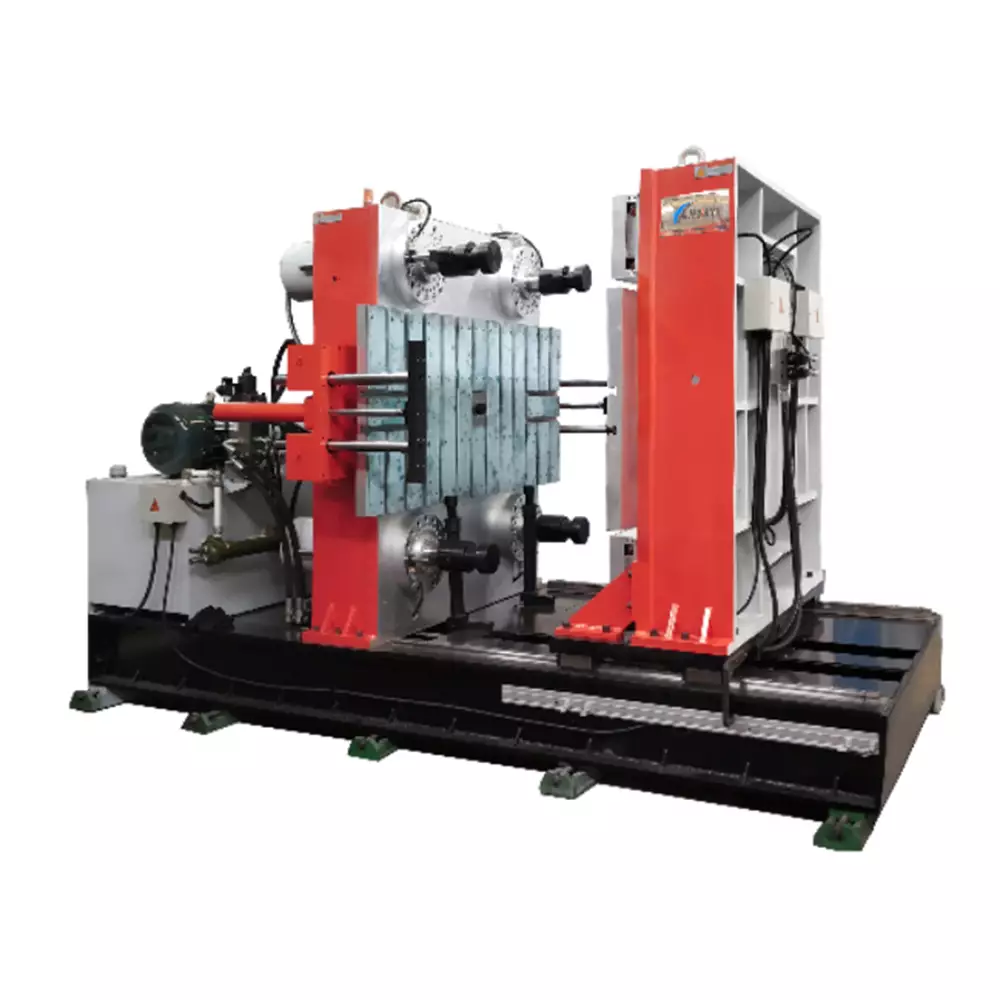
Rubber and silicone components are used across many manufacturing sectors, but their production requirements can vary considerably. Component size, material behaviour, mould design and production volume all influence equipment selection. A horizontal rubber injection molding machine can be suitable for applications that require horizontal clamping, controlled injection and practical mould access.
At HWAYI, we develop rubber processing equipment for different production requirements. Our F Series horizontal clamping machines are designed for applications where mould installation, clamping movement and injection control need to work together.
Automotive Rubber Components
Automotive manufacturing uses a wide range of rubber and silicone components. Seals, gaskets, protective parts and other moulded components may require different mould designs and material formulations.
Production equipment needs to provide controlled clamping and injection conditions while supporting repeated production cycles. Our F Series machines use a horizontal clamping structure, with guide rails installed on the machine base to guide the movement of the clamping unit.
When evaluating a china horizontal rubber injection molding machine for automotive applications, manufacturers should consider the required clamping force, injection volume, mould dimensions and production cycle rather than focusing on machine type alone.
Electrical and Insulation Products
Electrical applications also use rubber and silicone moulded components for insulation and protection. These products can include components with specific shapes, dimensions and material requirements.
For such applications, mould access can be an important consideration. Our F Series horizontal clamping machine provides space above the Molding area for mould loading and installation. This arrangement can be useful when production involves larger moulds that need lifting equipment during installation.
Injection control is another consideration. Different silicone or rubber materials may require distinct injection conditions, which are precisely regulated via closed-loop injection control with adjustable pressure and speed settings, so manufacturers should assess whether the machine can provide suitable pressure and speed settings.
Industrial Rubber Parts
Industrial machinery uses rubber components for sealing, cushioning, connection and protection. These parts can range from relatively small components to larger moulded products, creating different equipment requirements.
A horizontal rubber injection molding machine can support production where manufacturers need controlled and repeatable Molding cycles. Our equipment provides injection control that allows pressure and speed parameters to be adjusted according to the production application.
This flexibility can be useful when a production facility handles several component specifications. Machine selection should therefore take into account not only the required output but also mould changes and the range of products being manufactured.
LSR and Silicone Molding
Liquid silicone rubber is used in automotive, electrical and industrial applications where silicone material properties are required. Processing LSR involves controlled metering, mixing and injection, followed by Molding under defined conditions.
Our F Series is designed for LSR applications and uses a tiebar-less horizontal clamping structure. The open arrangement around the Molding area provides practical access for mould installation.
The machine also uses closed-loop injection control. Pressure and speed can be managed according to the requirements of different moulds, allowing manufacturers to configure the injection process for specific production conditions.
Mould Installation and Production Flexibility
Mould handling can influence equipment selection, particularly when production involves large or frequently changed moulds. The space available around the machine and the method used to install the mould should be considered during project planning.
Our horizontal clamping structure provides upper space for loading and installing moulds with suitable lifting equipment. Guide rails on the machine base support the movement of the clamping unit during operation.
For buyers considering a china horizontal rubber injection molding machine, these practical factors can be important when planning the production area. Mould weight, lifting access and changeover procedures should be reviewed together with machine specifications.
Comparing Different Industry Requirements
Different industries may use similar rubber injection Molding principles but still require different machine configurations. Automotive suppliers may focus on repeated production and mould requirements, while electrical manufacturers may pay more attention to insulation components and material processing.
We therefore recommend assessing the complete application before selecting equipment. Clamping force, injection volume, mould dimensions, material type and production cycle all influence the appropriate configuration.
Our equipment can also be adapted to different production requirements where standard configurations do not fully match the application. This allows manufacturers to consider the actual process rather than selecting equipment based only on general industry categories.
Equipment Selection for Long-Term Production
When comparing a horizontal rubber injection molding machine, manufacturers should review more than its basic machine specifications. Clamping structure, mould access, injection control, machine footprint and maintenance requirements can all affect daily production.
At HWAYI, we provide rubber injection Molding machines, LSR clamping machines, rubber vulcanising presses, rubber transfer presses and rubber track Molding equipment. Our product range supports applications across automotive, electrical and industrial rubber processing.
For manufacturers considering a china horizontal rubber injection molding machine, the right choice should reflect the actual material, mould and production requirements. At HWAYI, we focus on matching equipment configuration with these practical conditions so that the machine can fit naturally into the customer’s production process.