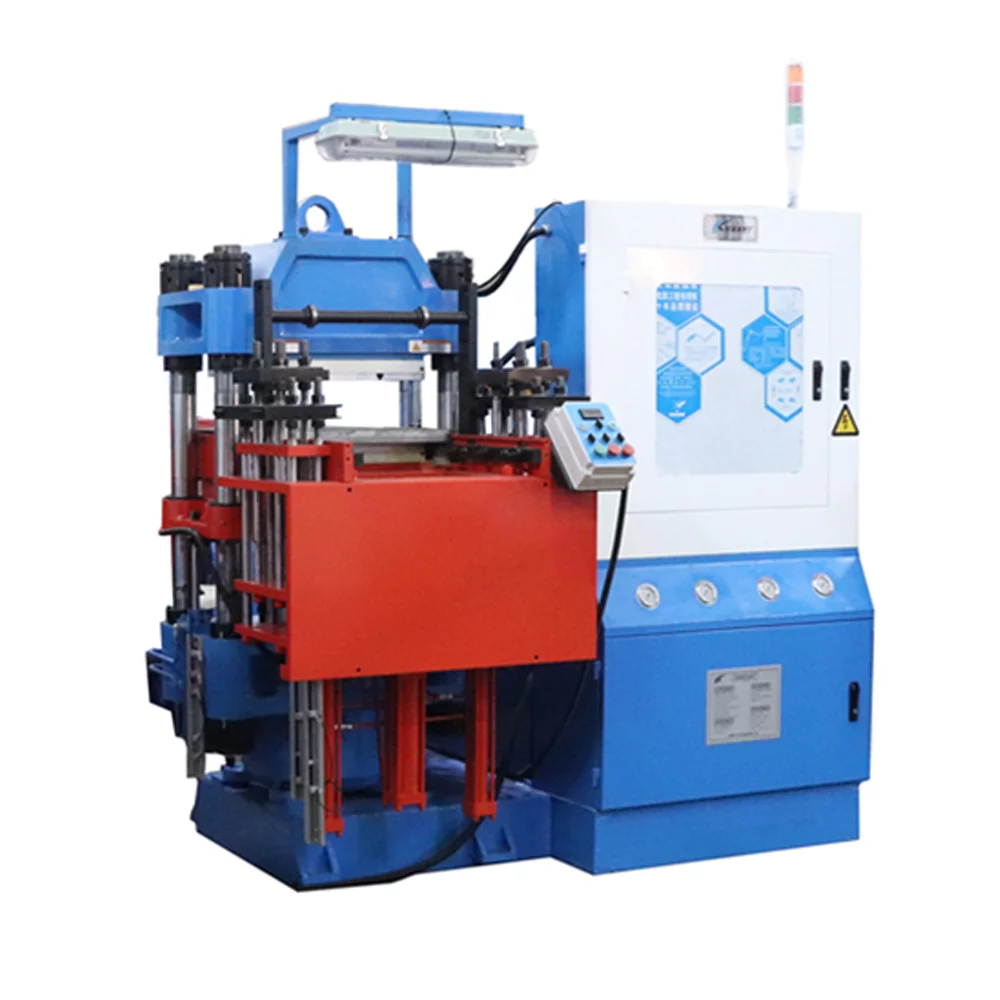
Choosing a vulcanizing press supplier requires more than comparing machine prices. For rubber manufacturers, equipment configuration, engineering support, production experience and after-sales service can all affect the suitability of a machine for a particular production process. We believe buyers should review these factors together, especially when the equipment will become part of a long-term manufacturing system.
Supplier Capabilities Behind a Suitable Vulcanizing Machine
A suitable supplier should first understand the product that needs to be processed. Rubber components differ in size, material, structure and curing requirements, so equipment selection needs to reflect the actual production process.
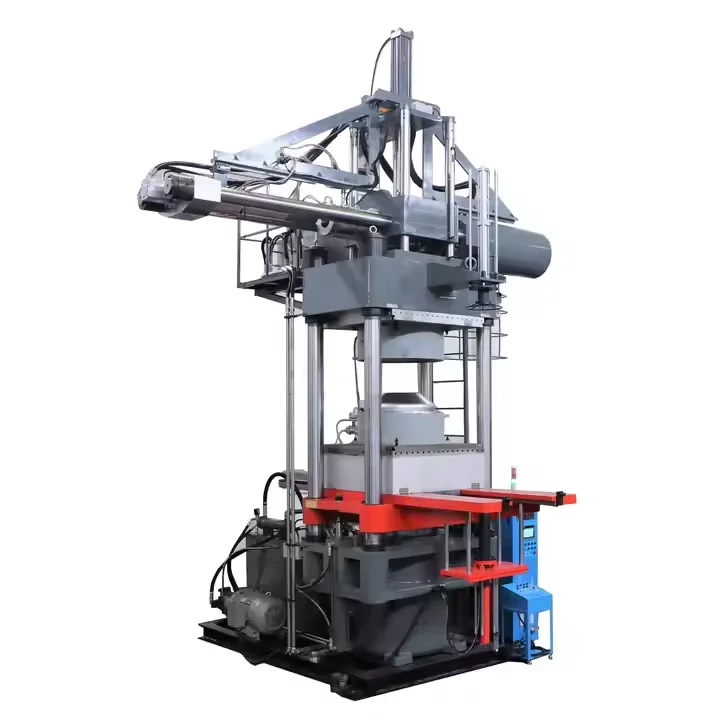
At HWAYI, we provide several types of rubber processing equipment. Our product range includes rubber injection Molding machines, rubber vulcanizing machines, rubber track Molding machines, LSR Molding machines and customer-built machines. This wider range allows us to consider vulcanization as part of a complete production process rather than as an isolated operation.
For manufacturers researching a rubber vulcanizing machine, the available machine categories are worth reviewing alongside the supplier’s technical capabilities. This can be particularly relevant when a project involves several processing stages or requires customised equipment.
Engineering Experience and Equipment Configuration
Vulcanization involves the controlled application of heat and pressure for a defined curing period. Machine design therefore needs to consider how the heating system, hydraulic system, mould and control system work together.
We have more than 25 years of experience in rubber machinery and have independent research, development and manufacturing capabilities. Our company information also states that we have an experienced technical team and after-sales service team supporting customers with rubber processing equipment and solutions.
For customers looking for a rubber vulcanizing press machine supplier, engineering capability is useful when the project involves more than purchasing a standard machine. Mould dimensions, product structure, production capacity, equipment layout and integration requirements may all need to be discussed before the final configuration is determined.
We also provide customised machinery for applications that require a specific equipment arrangement. This allows us to review the customer’s process first and then consider an appropriate machine configuration.
Heat, Pressure and Control in the Vulcanization Process
Heating and pressure are central parts of the vulcanization process. The rubber material needs to receive suitable heat while the pressing system maintains the required contact and pressure during curing.
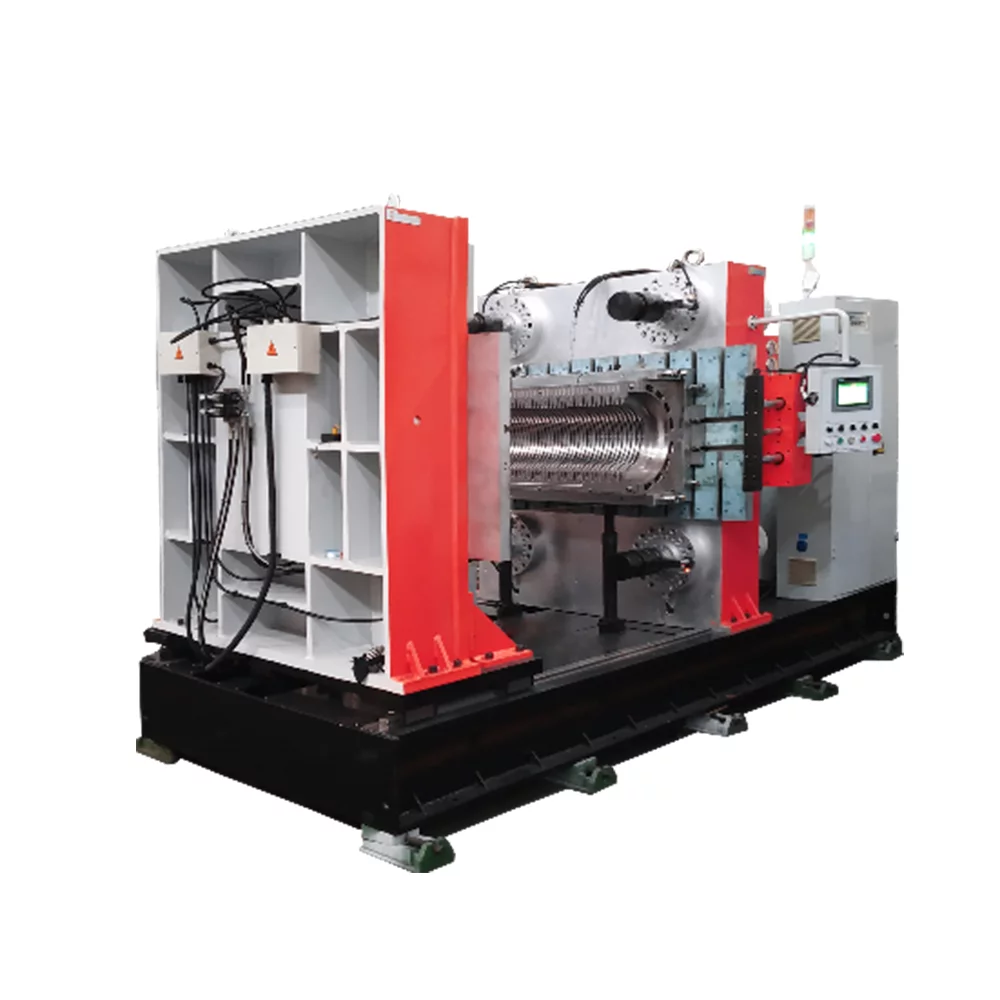
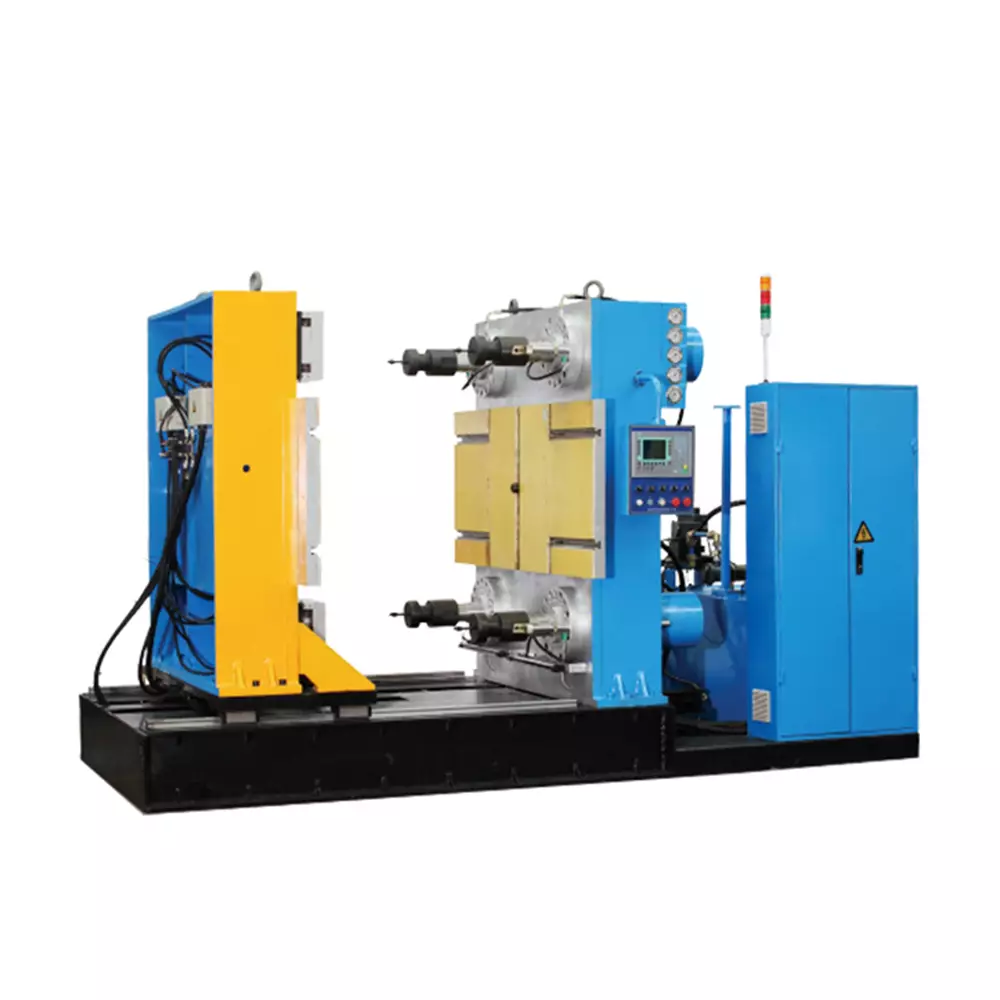
Our technical information explains that platen temperature uniformity is an important consideration in belt vulcanization. Temperature differences across the working area can result in different curing conditions within the same joint, which may affect the consistency of the finished product.
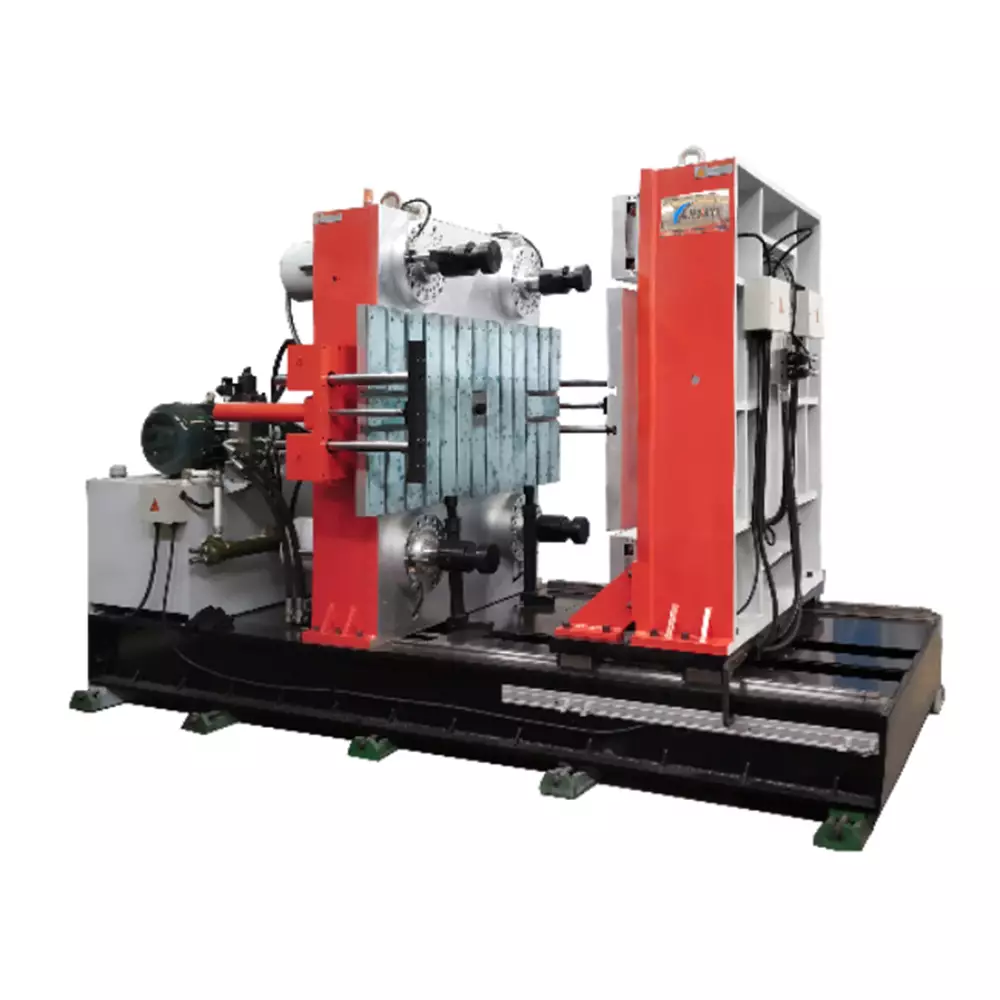
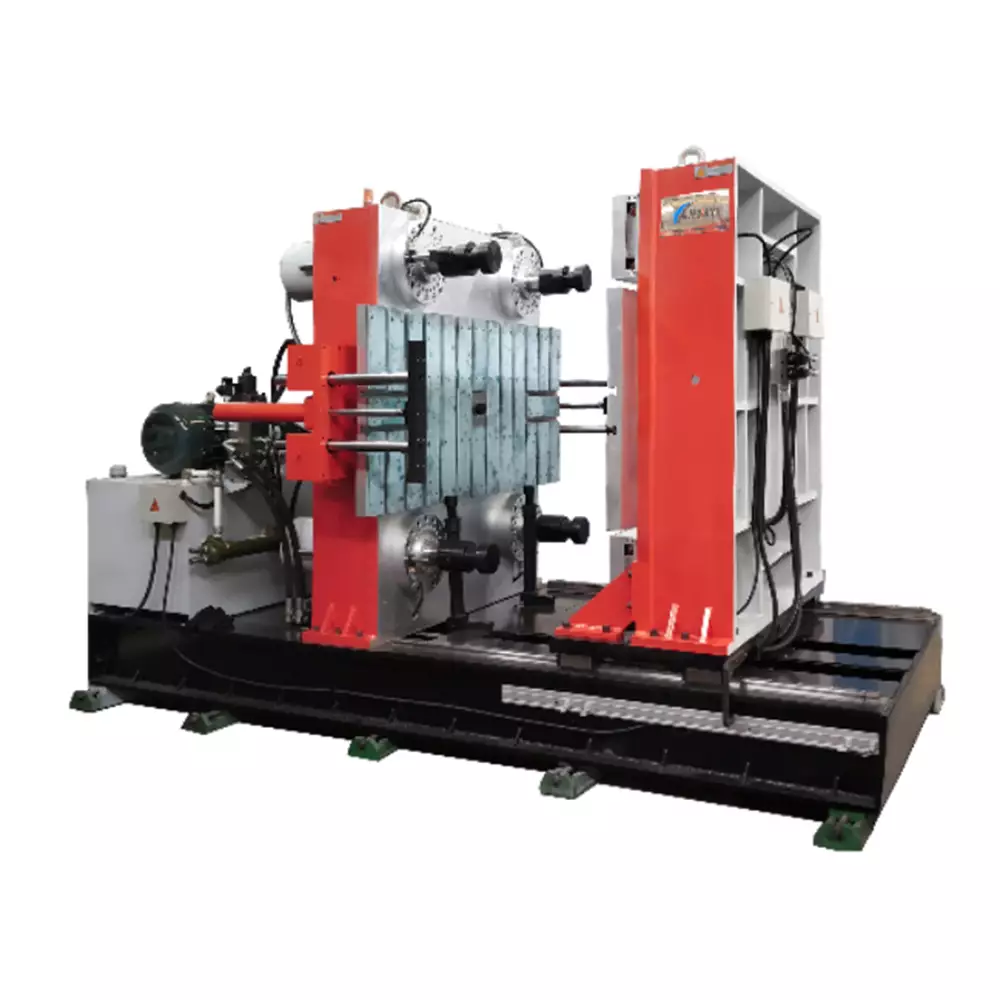
Pressure control also deserves attention. Our Rubber Track Belt Vulcanizing Press uses a hydraulic system, and our technical information describes the adjustment of pump flow during different operating stages. The control system can also monitor process information and store relevant production data.
When customers evaluate a rubber vulcanizing machine, we recommend looking beyond the nominal pressing force. Heating structure, pressure control, monitoring functions and mould compatibility can provide a clearer understanding of whether the machine fits the intended application.
After-Sales Support for Long-Term Equipment Use
After-sales support is another practical consideration for industrial equipment. Once a machine has been installed, operators may require assistance with troubleshooting, spare parts, maintenance or process-related questions.
Our after-sales service includes communication between customers, sales personnel and engineers. When a problem occurs, customers can provide the machine series number and relevant details so that our technical team can understand the situation. For more complex cases, online communication can be arranged between operators and technical personnel.
We also use recognised components in certain equipment configurations. For example, our vacuum vulcanizing machine information identifies Siemens PLCs and remote diagnostic support. Such features can help with equipment monitoring and technical communication when machines are operating in overseas factories.
For a rubber vulcanizing press machine supplier, therefore, the service process should be considered alongside the machine itself. Clear communication, technical support and access to appropriate service resources can all be relevant during the equipment’s working life.
Our Role in Rubber Processing Projects
At HWAYI, we provide rubber processing machinery for different manufacturing applications. Our company information identifies independent R&D and manufacturing capabilities, ISO9001 and CE certification, as well as more than 20 innovation patents and more than 40 utility patents.
Our vulcanizing equipment covers different applications, including rubber Molding and rubber track production. The Rubber Track Belt Vulcanizing Press can be incorporated into an automatic production system containing an iron core winding machine, rubber track preforming machine, vulcanizing press and automatic trolley car.
For B2B buyers, supplier evaluation can begin with several practical questions. Can the supplier understand the product and process? Can it provide a suitable machine configuration? Does it have the technical resources to support installation and operation? And is there a defined approach to after-sales service?
We believe these questions are more useful than comparing one machine specification in isolation. A rubber vulcanizing machine needs to fit the product, mould, production process and operating environment.
When customers contact us, we first review their application and production requirements before discussing equipment configuration. This gives our engineering team a practical basis for recommending a suitable solution and allows the customer to evaluate the equipment from both technical and operational perspectives.