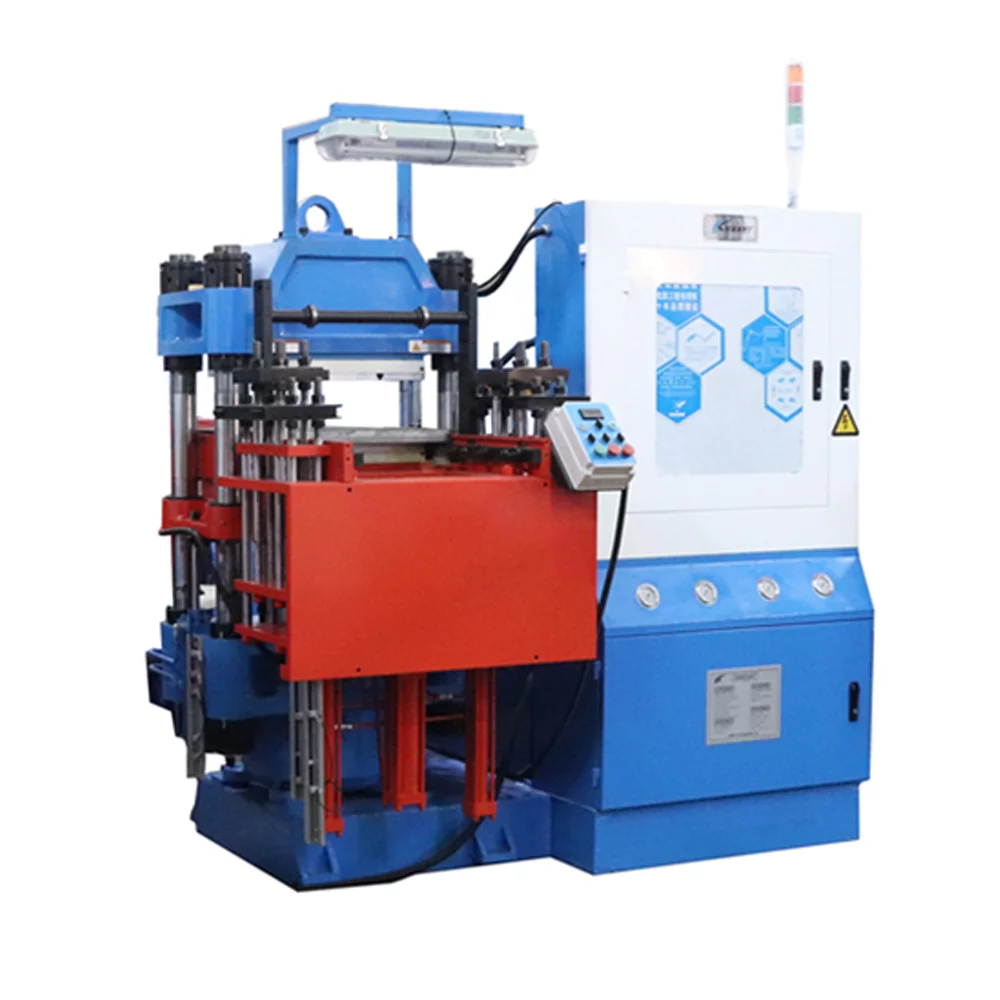
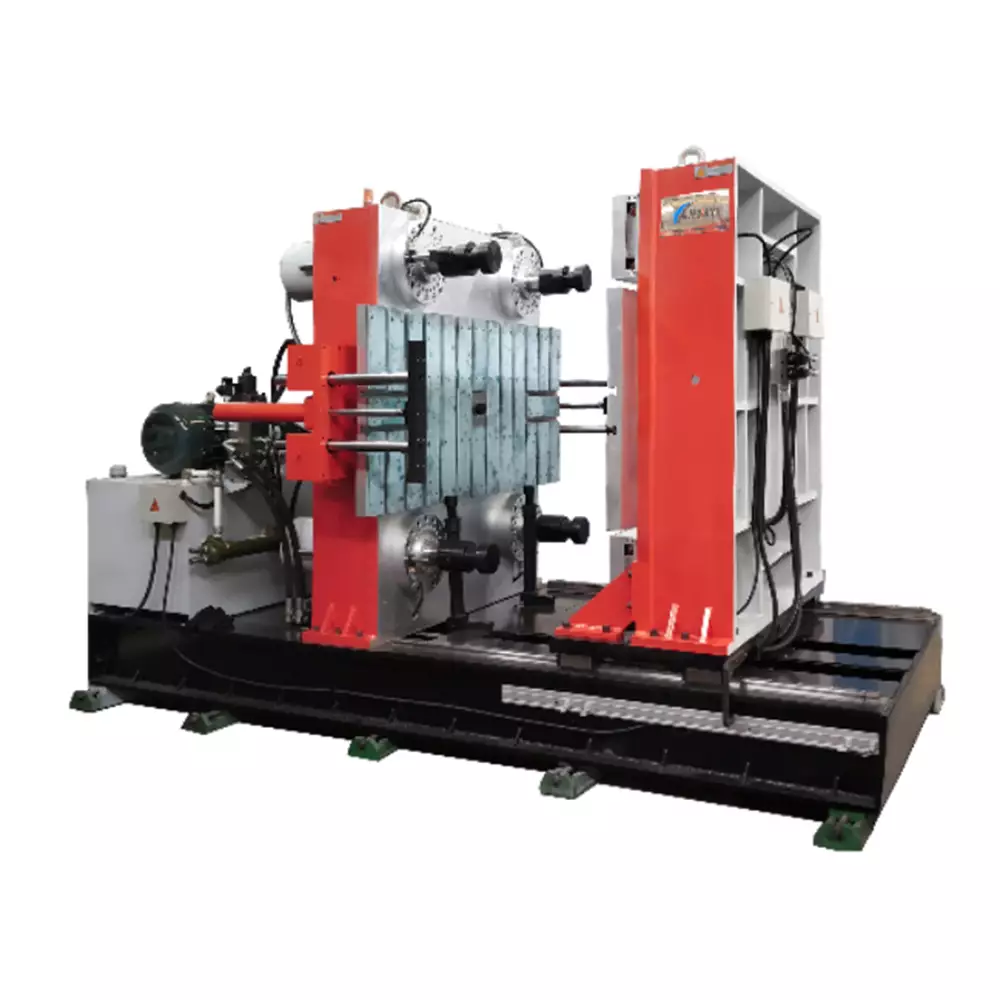
A conveyor belt splice needs more than sufficient heat to achieve a consistent result. Temperature distribution, pressure and curing time all affect how the rubber layers bond during vulcanization. When we discuss a rubber belt vulcanizing machine with industrial customers, we therefore look at the complete heating and pressing process rather than temperature alone.
For field maintenance teams, this becomes particularly relevant because working conditions can vary from one repair location to another. The heating system needs to deliver suitable thermal energy while the pressing structure maintains contact across the joint.
Heat Distribution Sets the Conditions for a Consistent Splice
Vulcanization is a heat-activated cross-linking process. During belt splicing, the rubber compound needs to receive suitable thermal conditions so that the prepared joint can cure through its working thickness.
If different areas of the splice receive noticeably different temperatures, curing can progress at different rates. One section may not receive enough heat for the intended curing process, while another may experience unnecessary thermal exposure.
Our technical research on platen temperature uniformity identifies this as an important consideration for joint quality. Temperature differences across the platen can contribute to variations in hardness, elasticity and adhesion strength within the splice.
For this reason, we consider the heating surface and its temperature distribution when evaluating vulcanization equipment. The objective is not simply to reach a target reading at one point, but to create suitable conditions across the relevant working area.
Portable Vulcanizers and the Practical Side of Field Heating
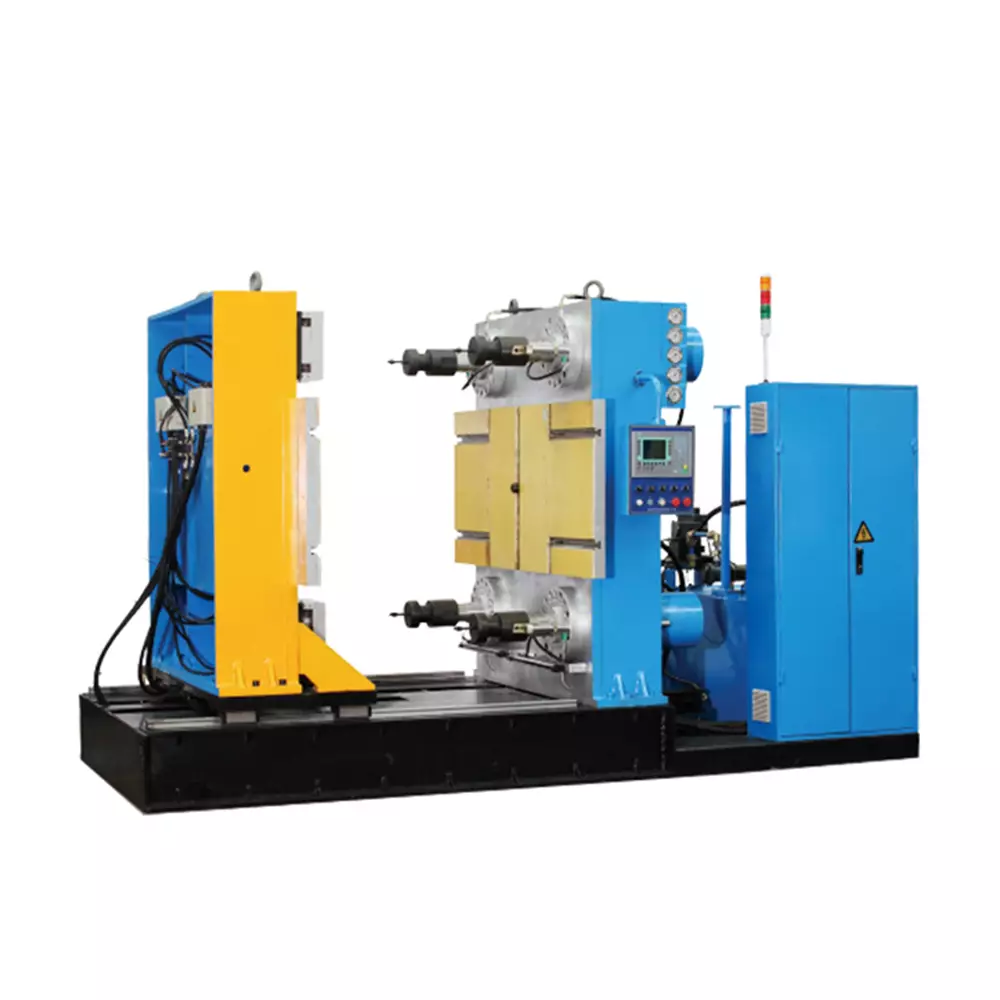
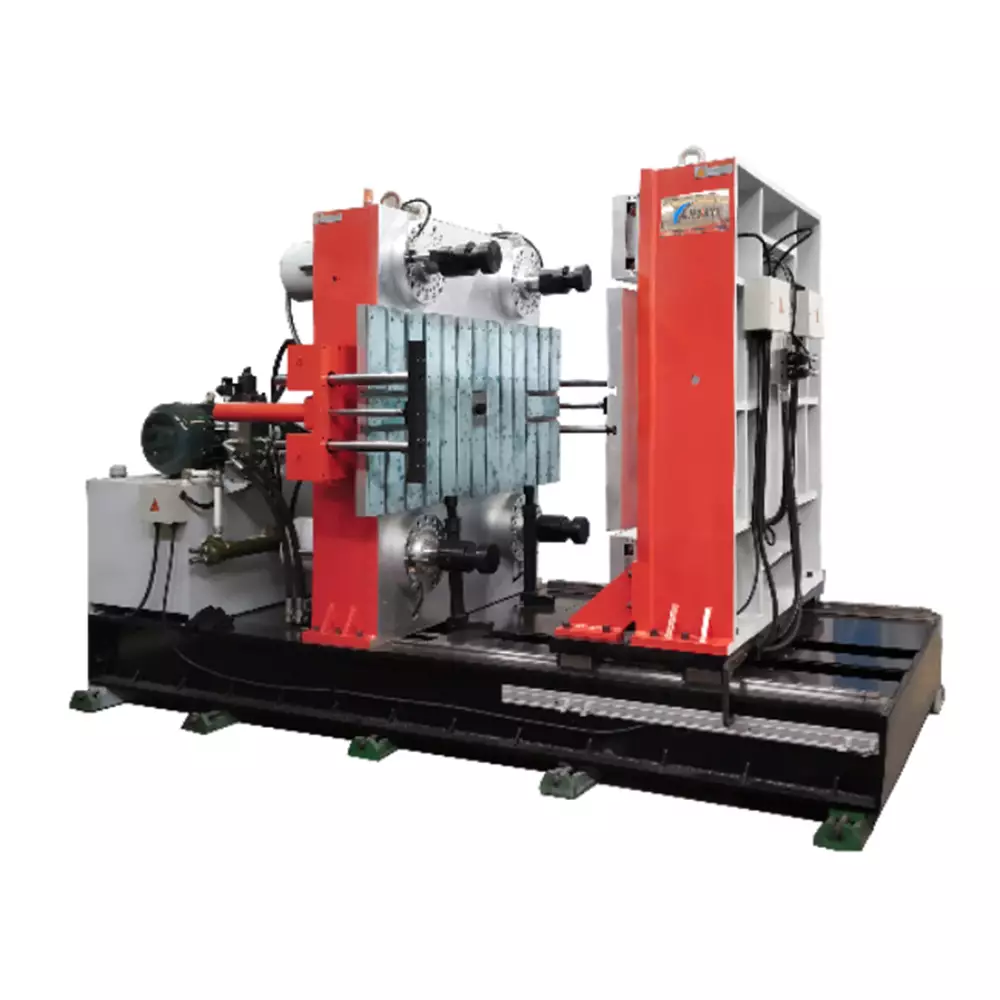
A portable belt vulcanizer is designed for situations where belt repair needs to take place away from a fixed production facility. Our technical material explains that portable vulcanization equipment needs an energy system capable of supporting both thermal delivery and mechanical clamping in field conditions.
Electrical power can be used to supply heating elements within the vulcanizing equipment. The heating elements convert electrical energy into heat, which is transferred through the platen towards the splice. The platen therefore plays an important role in distributing thermal energy across the working surface.
The available power source also matters. Our technical discussion covers single-phase and three-phase electrical connections, as well as generator-compatible heating platens for field repair situations. The appropriate configuration depends on the equipment design and the conditions at the repair site.
For maintenance teams, this means the heating system should be considered together with the available site power, belt structure and required repair process. Mobility alone does not determine whether a vulcanizer is suitable for a particular application.
The Role of Pressure Alongside Heat
Heating is only one part of the vulcanization cycle. Pressure also needs to remain appropriate while the rubber is being cured. The prepared splice must stay in position, and the pressing system needs to maintain contact between the relevant layers.
Our technical guidance describes rubber belt vulcanization as a process involving controlled heat and hydraulic clamping pressure. During curing, these process conditions work together with dwell time to support consistent results.
This is especially relevant for belts with multiple reinforcement layers. Heat needs to move through the structure, while pressure maintains the required contact. Changes in temperature or pressure during the active curing stage can influence the conditions at the splice interface.
Our research also discusses the relationship between thermal transfer and pressure control. Maintaining suitable platen temperatures while controlling hydraulic pressure can help reduce variations within the cured joint.
Process Checks That Matter During Curing
Operators should begin by checking the preparation and alignment of the belt ends. The splice materials need to be positioned correctly before the platens are closed. The heating surfaces should also make suitable contact with the working area.
Temperature monitoring provides another useful control point. Our technical content discusses thermal mapping as a way to identify temperature differences across larger heating platens. Thermocouples, infrared thermal imaging and digital data loggers can be used during commissioning and equipment checks.
The curing time should also correspond with the material and process requirements. Rubber compounds, belt thicknesses and reinforcement structures can respond differently to heat. We therefore recommend evaluating the actual belt construction instead of applying one fixed heating approach to every repair.
Our Approach to Rubber Vulcanization Equipment
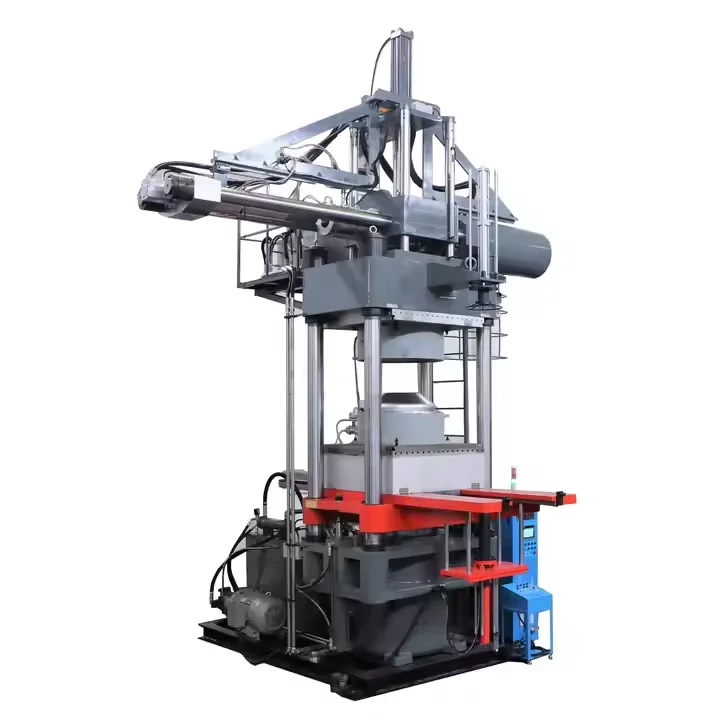
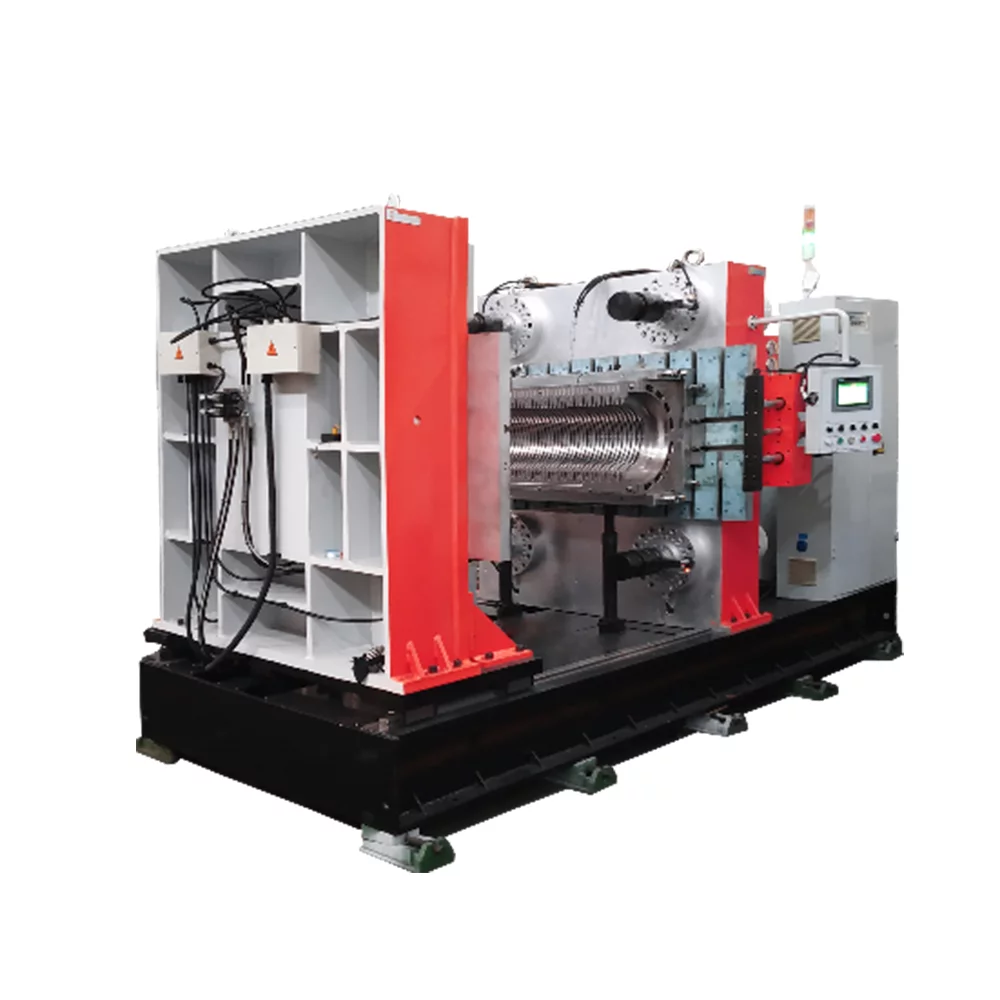
At HWAYI, we provide rubber processing equipment covering injection Molding, vulcanization, rubber track Molding, LSR Molding and customer-built machinery. Our product range includes rubber track belt vulcanizing press machines for rubber track production.
Our Rubber Track Belt Vulcanizing Press forms part of an automatic production system that can include an iron core winding machine, rubber track preforming machine, vulcanizing press and automatic trolley car. The system is designed for winding-type rubber tracks used in agricultural, construction, snowmobile and military vehicles.
For conveyor belt repair applications, the same basic principle of controlled heat, pressure and curing time remains important. A rubber belt vulcanizing machine should therefore be evaluated according to the belt structure, splice dimensions, available power and operating environment.
In practical terms, joint quality begins before the heating cycle starts. Correct splice preparation, suitable equipment configuration, stable temperature, controlled pressure and appropriate curing time all contribute to the process.
For B2B buyers, this provides a useful framework when comparing vulcanization equipment. Instead of considering the heating system as an isolated component, we recommend examining how heat delivery, platen design, pressure control and the actual belt application work together.