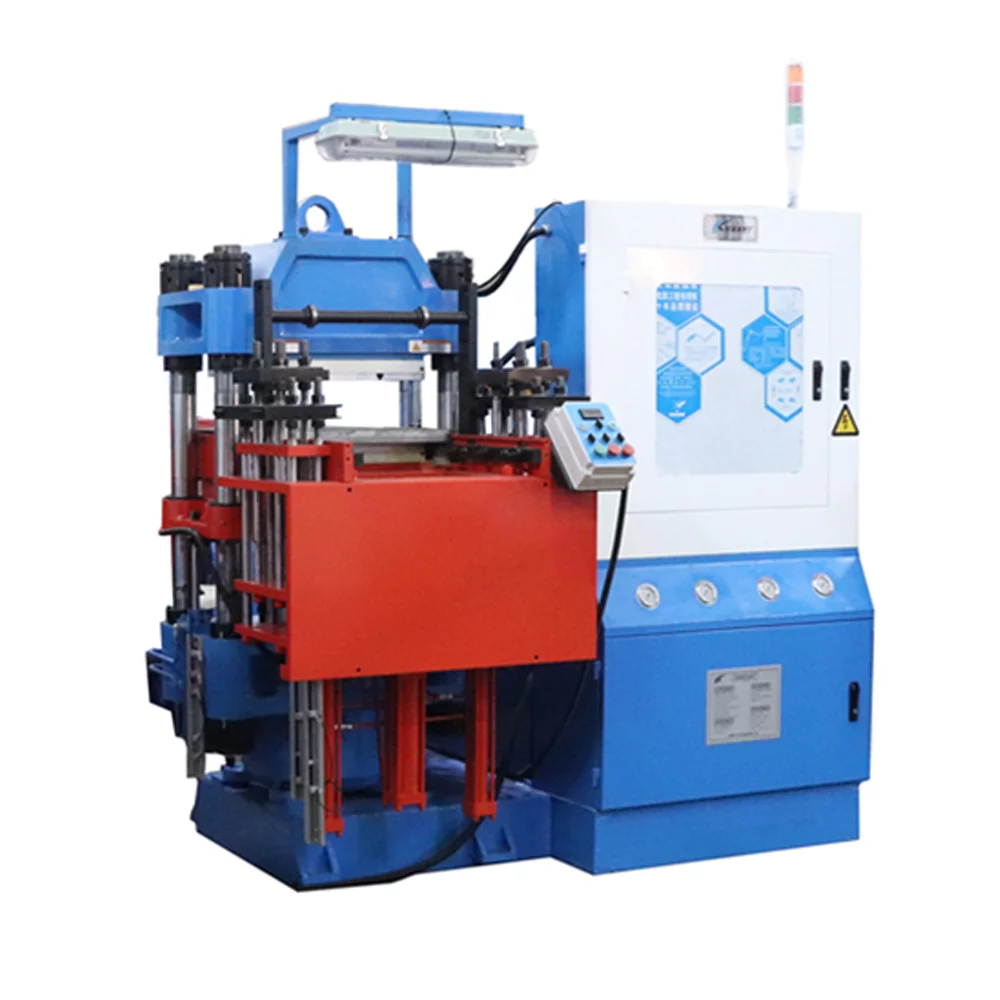
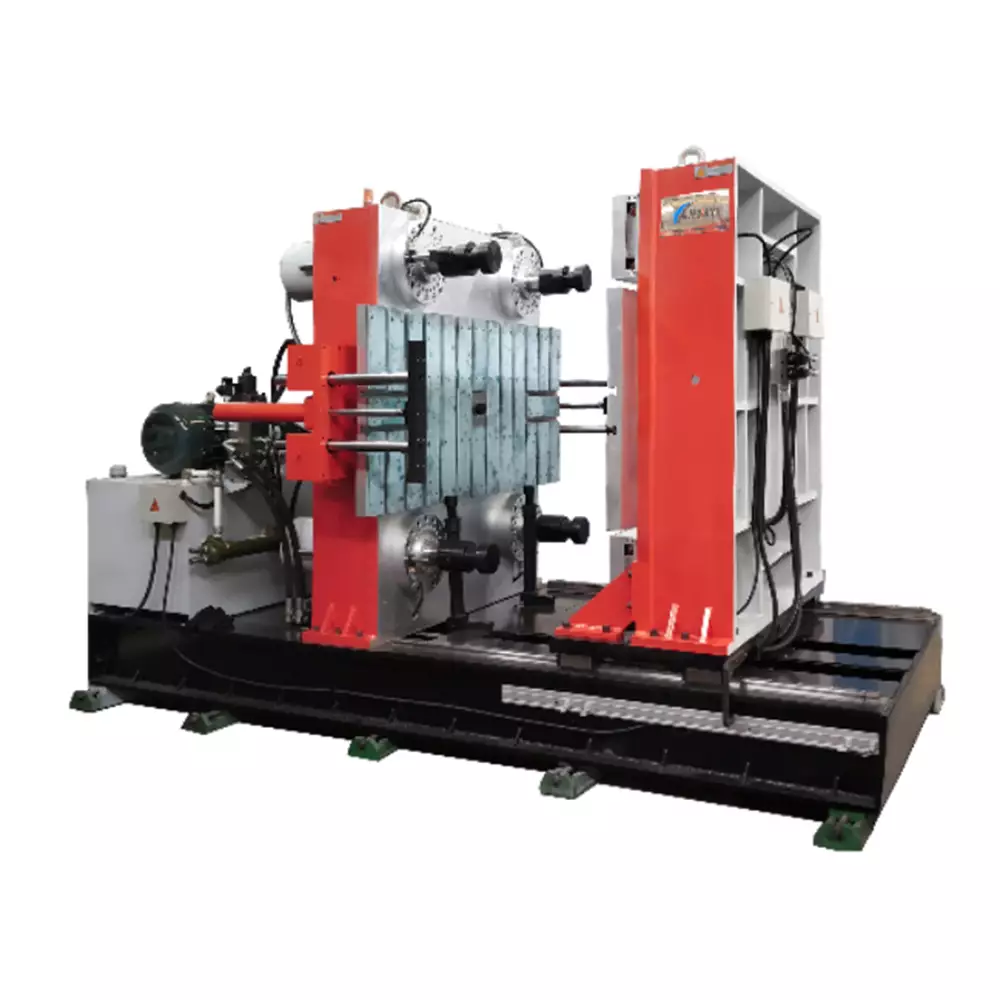
Rubber injection molding is widely used to produce durable, high-precision rubber components, but defects can still occur when materials, molds, or process parameters are not properly controlled. Common rubber molding defects such as short shots, flash, porosity, curing issues, and dimensional variation can affect product quality and production efficiency. Understanding their causes and applying the right solutions can help manufacturers achieve more stable molding results and reduce unnecessary waste.
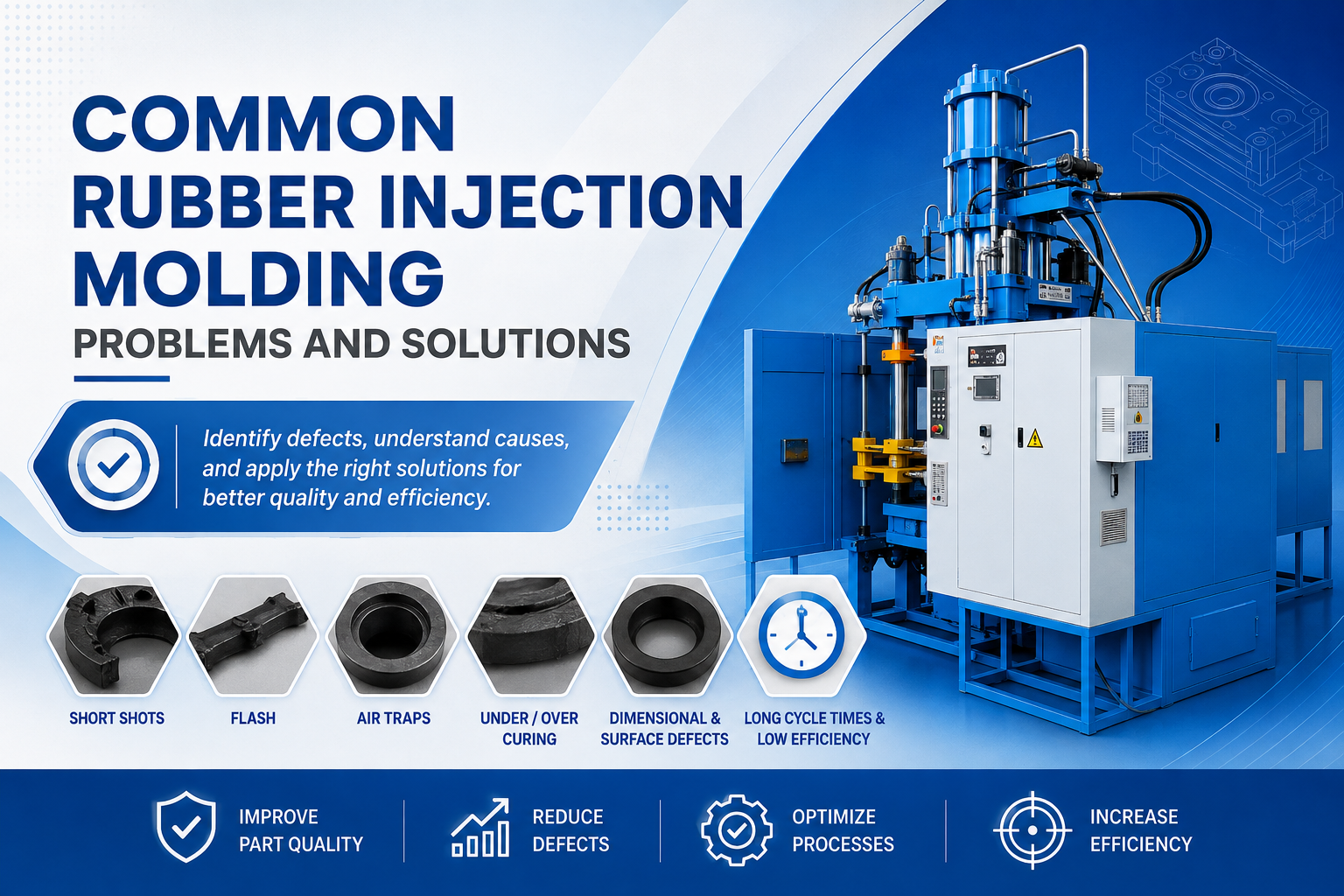
Quick Check: Common Rubber Injection Molding Defects at a Glance
The most common problems are:
- Short Shots
- Flash
- Porosity and voids
- Curing Issues
- Dimensional and Surface Defects
- Long Cycle Times and Low Production Efficiency
6 Common Rubber Molding Defects and Solutions
Short Shots
Short shots can result in incomplete part geometry, missing features, poor dimensional accuracy, and reduced functional performance. Severe defects may prevent the part from meeting assembly or sealing requirements.
Common Causes:
- Insufficient injection pressure or speed
- Poor rubber flowability or low material temperature
- Restricted gates or runners
- Poor venting or premature curing
Solutions:
Verify that the injection volume is sufficient and that the rubber compound is within the proper processing temperature range. Adjust injection speed and pressure gradually to improve cavity filling while avoiding excessive pressure that may cause flash.
Inspect the gates, runners, and vents for restrictions or blockage when troubleshooting short shots. Optimize narrow flow paths, improve venting where air may be trapped, and use multi-stage injection settings when complex cavities require better control of material flow.
Flash
Flash can cause poor edge quality, dimensional variation, and additional trimming work. Flash may also interfere with sealing surfaces or assembly and reduce the consistency of finished parts.
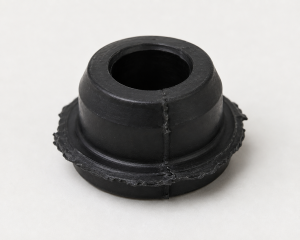
Common Causes:
- Excessive injection pressure or shot volume
- Insufficient or unstable clamping force
- Worn or damaged mold parting surfaces
- Mold misalignment or incomplete closing
Solutions:
Check the shot volume first and reduce excessive material input reduce flash in rubber molding. Injection pressure and final filling speed can then be fine-tuned while ensuring the cavity remains completely filled.
Confirm that the machine maintains sufficient clamping force during injection and curing. Mold parting surfaces and alignment components should also be inspected, with contamination removed, misalignment corrected, and worn sealing surfaces repaired where necessary.
Porosity and Voids
Porosity and voids can create surface defects or internal cavities that reduce part strength and sealing performance. In demanding applications, they may contribute to leakage or premature component failure.
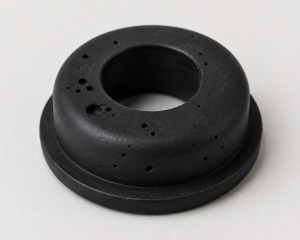
Common Causes:
- Inadequate or blocked mold venting
- Trapped air in the rubber mold cavity during cavity filling
- Improper injection speed or flow pattern
- Moisture or contamination in the rubber compound
Solutions:
Clean blocked vents and improve venting at end-of-fill areas where air is likely to accumulate. Gate position and runner balance should also allow the cavity to fill progressively without trapping air between flow fronts.
Adjust the injection speed profile to support air evacuation during filling, and keep rubber compounds properly stored to prevent moisture or contamination. For persistent air bubbles in rubber injection molding, vacuum-assisted molding can provide more effective air removal in complex cavities.
Curing issues
Improper curing can result in incorrect hardness, poor elasticity, reduced strength, or dimensional instability. Under-cured rubber may remain soft or tacky (rubber under cure symptoms), while over-cured parts may become too hard, brittle, or discolored (over cured rubber problems).
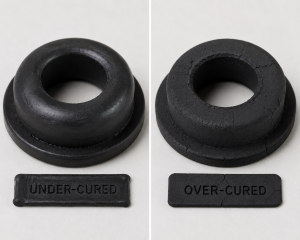
Common Causes:
- Incorrect mold temperature
- Curing time that is too short or too long
- Uneven heat distribution across the mold
- Unstable material or process temperature
Solutions:
Match mold temperature and curing time to the rubber compound and part thickness. Under-curing may require a controlled increase in cure time or temperature, while over-curing should be corrected by reducing excessive heat exposure without compromising required material properties.
For uneven curing, inspect heating platens, temperature sensors, and mold temperature distribution for hot or cold spots. After the correct curing conditions are verified through trial molding, store the qualified settings as a standard production recipe for repeat production.
Dimensional and Surface Defects
Dimensional and surface defects can cause parts to fall outside specified tolerances, affect assembly accuracy, and reduce sealing or functional reliability. Surface imperfections may also lower appearance quality and increase rejection rates.
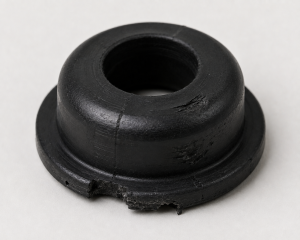
Common Causes:
- Uneven rubber part shrinkage after molding
- Inconsistent cavity temperature or filling conditions
- Improper demolding or excessive ejection force
- Worn, contaminated, or damaged mold surfaces
Solutions:
For dimensional variation, keep cooling and conditioning conditions consistent before measurement, then compare results across multiple cycles and cavities. Check cavity temperature balance, filling consistency, and local section thickness when shrinkage differs from one area to another.
For surface defects, inspect the cavity finish, ejectors, and demolding action. Clean contaminated surfaces, repair worn or damaged areas, and adjust the release or ejection sequence to avoid stretching, marking, or deforming the rubber part.
Long Cycle Times and Low Production Efficiency
Long cycle times reduce output, increase cost per part, and create production bottlenecks. Frequent delays, adjustments, or scrap can also lower equipment utilization and make production targets harder to maintain.
Common Causes:
- Excessive curing time
- Slow mold opening, closing, or demolding
- Frequent manual parameter adjustments
- Process instability leading to scrap or interruptions
Solutions:
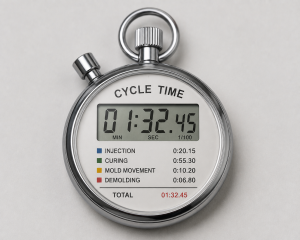
Break the molding cycle into injection, curing, mold movement, and demolding stages as part of rubber injection molding cycle time optimization to identify where the largest time loss occurs. If curing is the main bottleneck, optimize cure time through part validation rather than relying on an unnecessarily long safety margin.
Reduce non-curing time by improving mold movement and demolding efficiency, and standardize qualified process recipes to minimize repeated adjustments. More stable operating conditions also help reduce scrap and improve overall rubber injection molding efficiency.
How to Prevent Rubber Injection Molding Defects
Preventing defects in rubber injection molding requires tighter control of materials, mold design, process parameters, and equipment condition. The focus should be on eliminating sources of variation before production becomes unstable.
Select the Right Rubber Compound
Match the compound viscosity, flowability, cure characteristics, and hardness to the part geometry and molding conditions. Keep raw materials properly stored, control batch consistency, and avoid using compounds that have been exposed to moisture, contamination, or unsuitable storage temperatures.
Optimize Mold Design
Size gates and runners according to the required flow distance and shot volume, and place vents at end-of-fill areas where air is likely to accumulate. Check parting surfaces, cavity balance, and release design to prevent leakage, uneven filling, or deformation during demolding.
Establish Stable Process Parameters
Define a qualified process window for injection volume, pressure, speed, mold temperature, and curing time. Record validated settings for each product and avoid unnecessary manual adjustments during production. Any parameter change should be made one variable at a time so its effect can be evaluated clearly.
Perform Regular Machine and Mold Maintenance
Clean vents, runners, cavities, and parting surfaces on a scheduled basis. Check temperature sensors, heaters, clamping components, hydraulic systems, and injection units for wear or drift, and recalibrate control components when necessary.
How the Right Rubber Injection Molding Machine Helps
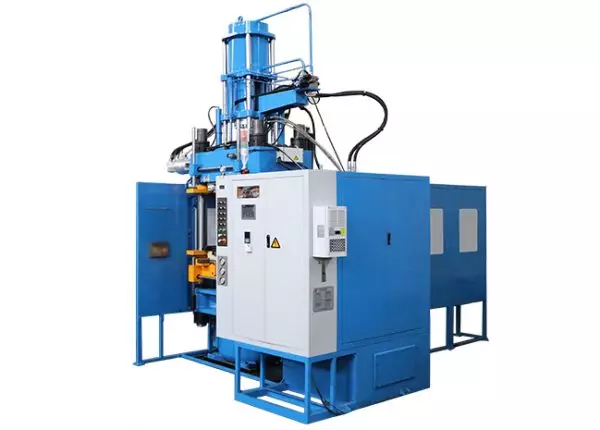
The performance of a rubber injection molding machine directly affects filling stability, curing consistency, dimensional accuracy, and production repeatability. A machine with precise control and stable operation can make it easier to maintain qualified process parameters and reduce common molding defects across different production batches.
Key capabilities to consider include:
- Accurate injection control
- Stable clamping force
- Precise temperature control
- Good process repeatability
- Suitable injection system design
So, which rubber injection molding machine can provide these capabilities to reduce common molding defects?
Which Rubber Injection Molding Machine Is Right for Your Application?
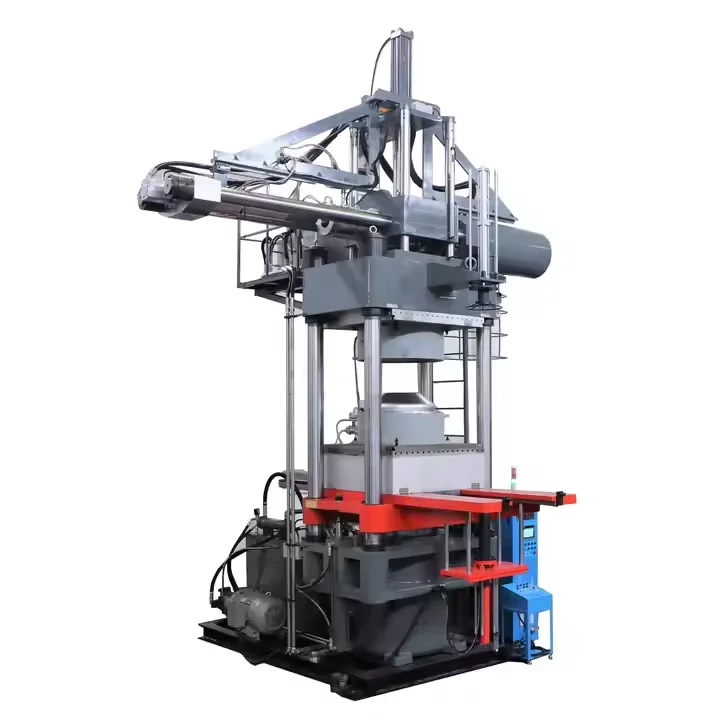
For manufacturers looking to control common rubber injection molding defects, the Hwayi HYZ-A Series combines injection, clamping, temperature, and process control in one vertical machine design:
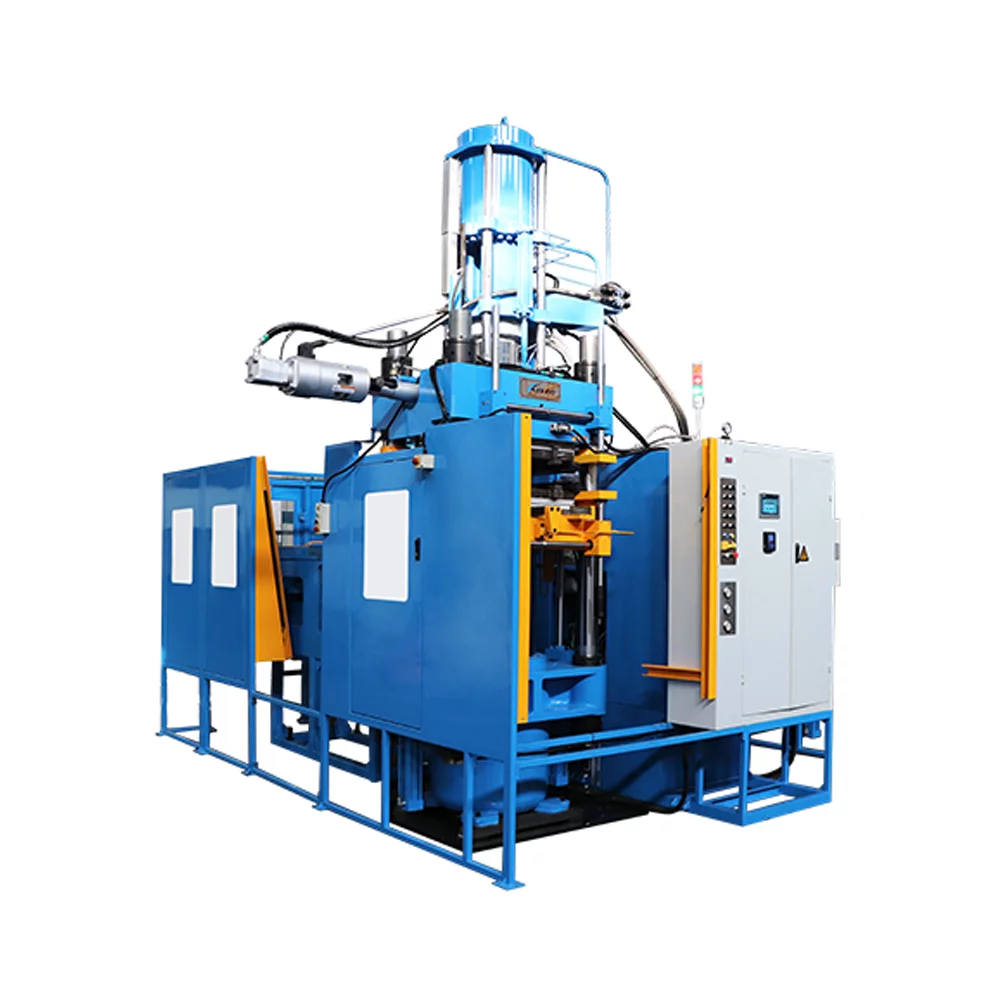
- More Complete, More Accurate Filling:multi-phase, adjustable injection pressure and speed, combined with a first-in-last-out design that minimizes pressure loss, gives operators precise control over the fill process — directly addressing short shots and flash
- Mold-Safe, High-Precision Clamping:fast clamping cylinders achieve slow-fast-slow clamping speed, while PLC-controlled low-pressure protection safeguards both molds and operators
- Built for Long-Term Dimensional Stability:the sturdy, four-column vertical structure and high-rigidity clamping unit ensure stability and parallelism, keeping mold alignment — and part dimensions — consistent cycle after cycle
- Precise, Independent Temperature Control: PID-calibrated heating platens, German insulation plates that prevent heat loss, and independently controlled injection/plasticizing zones support even curing and help prevent under- or over-curing
- Fast, Reliable Process Control: the Siemens fast-response electrical system offers a simple interface with flexible automatic flowchart selection
- Standardized, Repeatable Production:PLC monitoring plus 300 storable production recipes and USB data transmission let validated settings be saved and reused across batches — removing manual re-adjustment as a source of variation
Conclusion: Fewer Defects Start with the Right Machine
With the right combination of material control, mold design, process discipline, and machine precision, most rubber injection molding defects are preventable. The Hwayi HYZ-A Series brings this control together in one reliable vertical platform. To find the right model for your parts and production needs, contact our team today.
References
- https://www.martins-rubber.co.uk/blog/rubber-injection-moulding-troubleshooting-guide/
- https://stonermolding.com/blog/rubber-molding-defects-causes-prevention-solutions