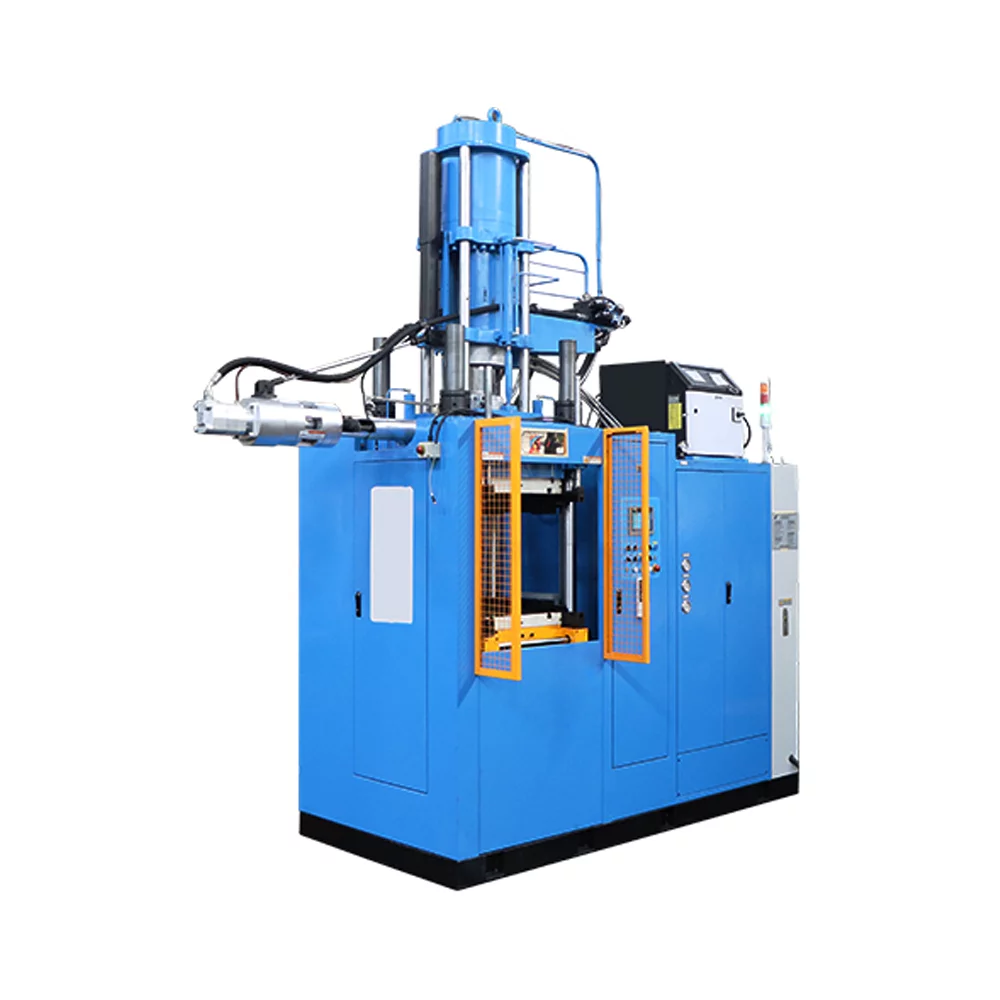
Optimizing throughput across industrial elastomeric processing lines requires thorough evaluation of thermal transfer dynamics, hydraulic actuation rates, and manual loading ergonomics. Operating an automated rubber injection molding machine efficiently involves minimizing non-curing idle time while accelerating heat penetration into uncured compound charges. Our engineering group at HWAYI studies these process variables to assist manufacturing facilities in streamlining operational cycles and maximizing daily output without compromising part quality.
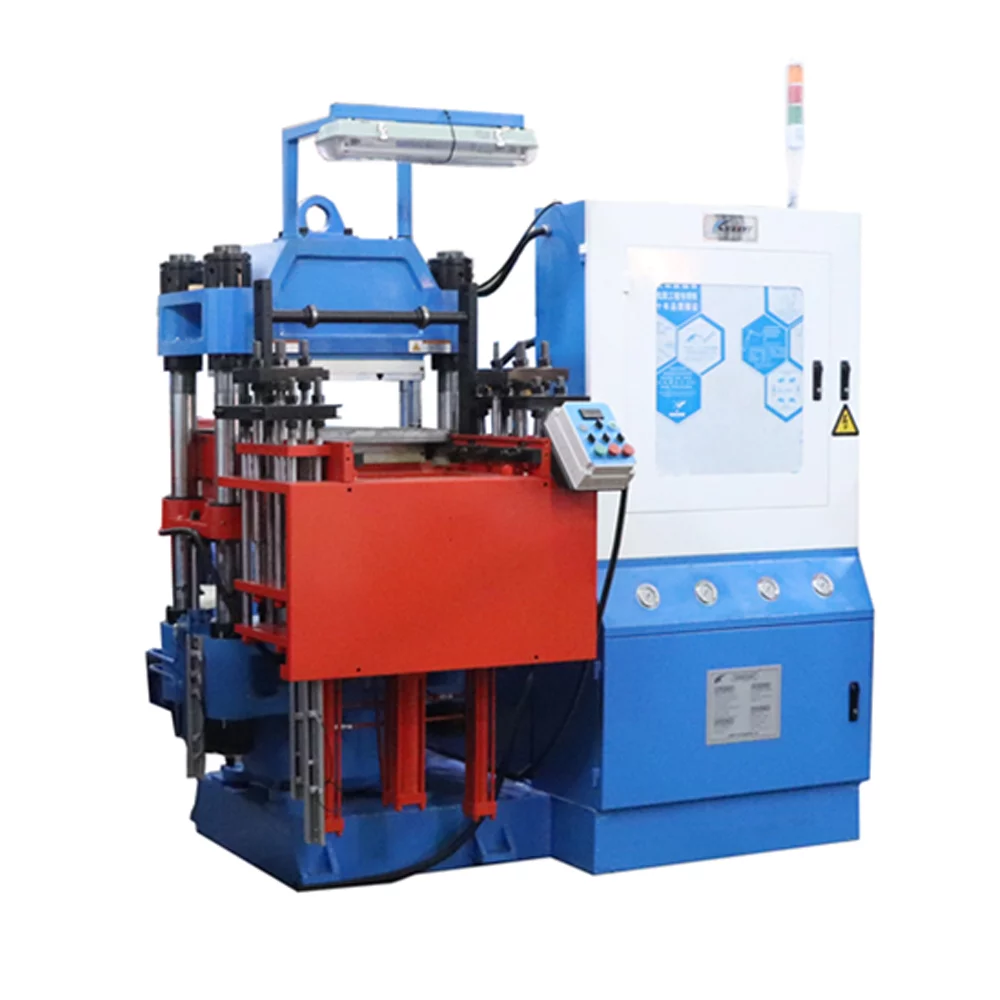
Cycle efficiency depends heavily on the interaction between machine movement speeds, compound rheology, and clamping mechanism responsiveness. Configuring high-performance rubber molding presses with optimized hydraulic pumps and tailored heating zones reduces thermal recovery times between consecutive molding cycles, sustaining fast unit throughput.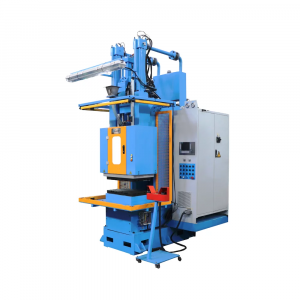
Thermal Conductivity and Viscosity Profiles of Raw Elastomeric Compounds
Rheological properties of raw compounds dictate how rapidly heat transfers from platen walls into core material layers during processing. Elastomer formulations with high filler contents exhibit variable viscosity profiles, requiring precise temperature management to prevent flow resistance during injection phases.
Pre-heating raw compound strips lowers material viscosity prior to entering the injection barrel, reducing required injection pressure and acceleration times. Faster cavity filling speeds shorten total cycle durations while preserving compound cross-linking integrity throughout the molded profile.
Structural Frame Architecture and Ergonomic Insert Handling
Ergonomic accessibility directly impacts operator handling times during manual insertion and part extraction phases. Open-frame structures provide unobstructed three-sided access to the working zone, enabling operators to position complex profile ends rapidly between clamping cycles.
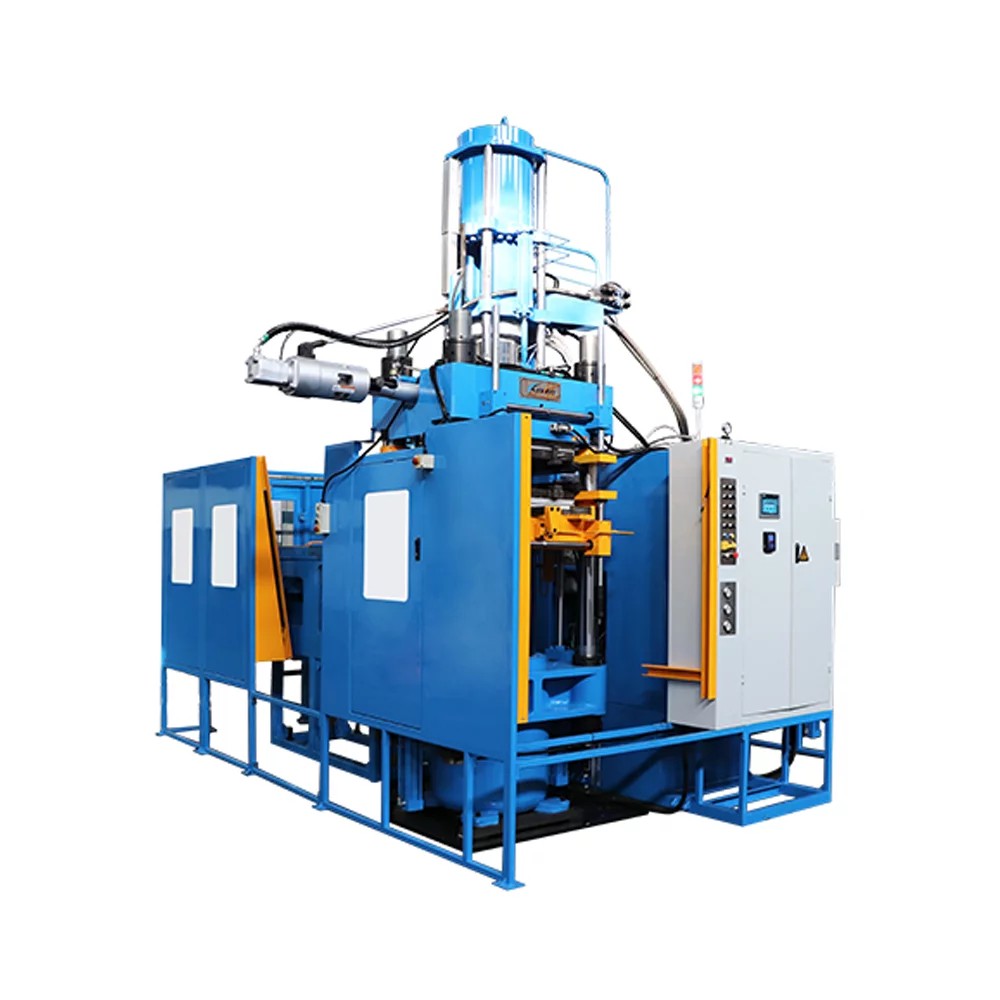
For specialized corner splicing requirements, our EPDM (Ethylene Propylene Diene Monomer) and NBR (Nitrile Butadiene Rubber) C Frame Injection Press Machine provides an open C-frame geometry specifically engineered for EPDM and natural rubber profile corners, junctions, and joints. This unobstructed configuration simplifies insert placement, effectively cutting manual handling time during vehicle window and door sealing system fabrication.
Hydraulic Actuation Speed and Multi-Stage Clamping Modulation
Hydraulic pump responsiveness dictates how quickly clamping platens transition from rapid approach speeds to high-tonnage locking modes. Utilizing variable-displacement pumps or servo-hydraulic systems optimizes fluid flow rates, shortening mechanical movement phases.
Smooth hydraulic deceleration prevents mechanical shock during mold closure, protecting delicate mold cavities from impact wear. Rapid clamping adjustments reduce non-productive movement intervals, directly improving cycle efficiency across multi-shift production runs.
Open C-Frame Accessibility for Streamlined Sealing Profile Joining
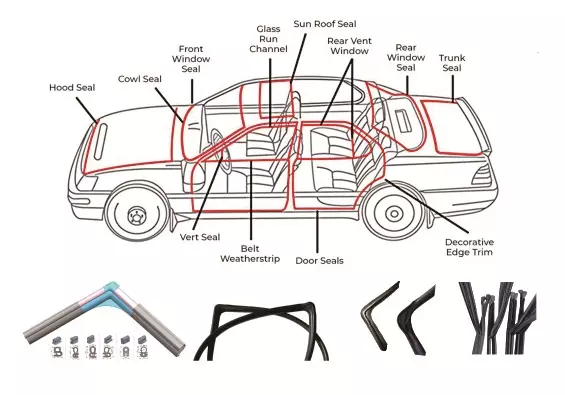
Automotive sealing systems require precise joining of extruded weatherstrip profiles into continuous window and door frames. Utilizing an open-architecture C-Frame Rubber Injection Molding Machine gives operators unobstructed operational space to align flexible profile ends quickly before active clamping begins.
Facilitating rapid profile positioning minimizes mold-open idle time, keeping platen temperatures stable between processing cycles. Streamlined loading ergonomics directly translate to faster unit completion rates in high-volume automotive sealing production lines.
Multi-Zone Thermal Management and Fast Recovery Kinetics
Platen temperature recovery rates after loading cold rubber charges heavily influence total curing time requirements. Multi-zone electric heating systems governed by closed-loop controllers restore target temperatures rapidly upon mold closure.
Deploying a precise rubber injection molding machine reduces localized thermal drops that cause cure delays in thick corner joints. Rapid thermal restoration preserves steady cross-linking reaction rates, preventing extended cure dwell times. These systems maintain consistent temperatures across each heating zone. This reduces the risk of over‑cure in thin sections while thicker areas are still reaching vulcanization temperature—effectively avoiding the common trade‑off between full cavity fill and uniform cross‑link density.
Dynamic Degassing Protocols and Vacuum Cycle Optimization
Trapped air evacuation must occur swiftly to prevent internal voids without adding unnecessary dwell time to total cycle duration. Optimized bump-cycle algorithms or rapid vacuum chamber evacuations pull volatile gases from mold cavities in minimal time.
Synchronizing vacuum valve timing with initial clamping movements prevents extended idle pauses prior to high-pressure injection. Fine-tuning evacuation sequences keeps degassing phases brief, protecting production pace while maintaining structural part density.
Automated Material Feeding and Cold Runner Systems
Transitioning from manual strip feeding to automated pre-metering systems reduces material loading variability between molding cycles. Cold runner systems maintain raw elastomer below vulcanization temperatures in runner blocks, avoiding material waste and trimming delays.
Integrating cold runner technology with modern rubber molding presses reduces runner waste and the associated post-molding trimming time, focusing thermal energy exclusively on active part cavities. Direct cavity injection accelerates total cycle completion while reducing raw compound consumption.
Digital Control Interfaces and Parameter Standardization
Programmable logic controllers store optimized recipe profiles, including injection velocity curves, clamping pressure steps, and thermal setpoints. Standardizing operational parameters across shifts prevents operator adjustments from introducing process delays.
Operating modern rubber molding presses with computerized parameter memory enables rapid mold changeover and instant process recall. Closed-loop monitoring detects parameter drift automatically, maintaining peak cycle efficiency without requiring manual operator intervention.
Conclusion
Maximizing production cycle efficiency requires balancing raw material rheology, hydraulic movement speeds, thermal recovery rates, and ergonomic mold accessibility. Through our technical developments at HWAYI, we remain dedicated to engineering efficient processing solutions and robust equipment architectures that support global manufacturers in optimizing operational throughput and maintaining consistent product quality.